



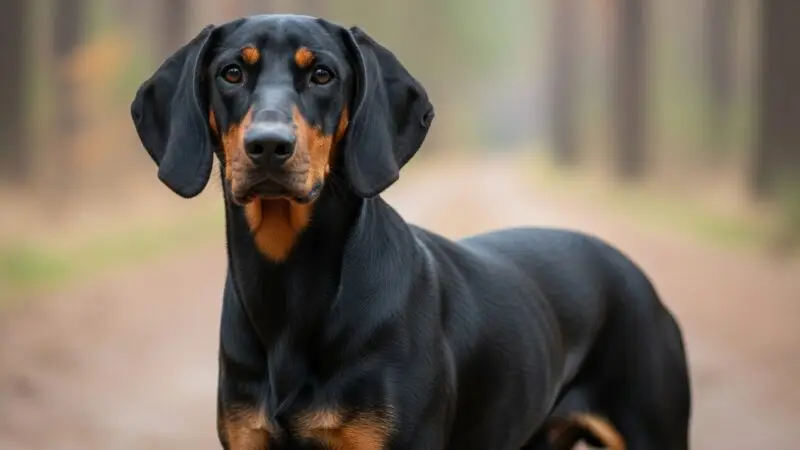
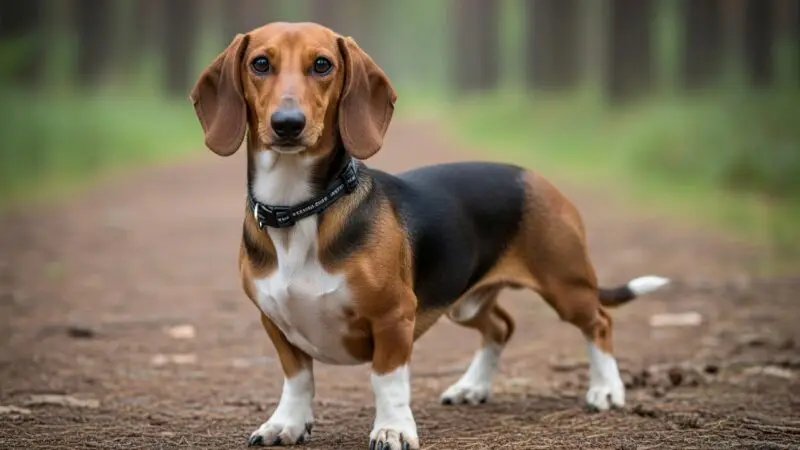
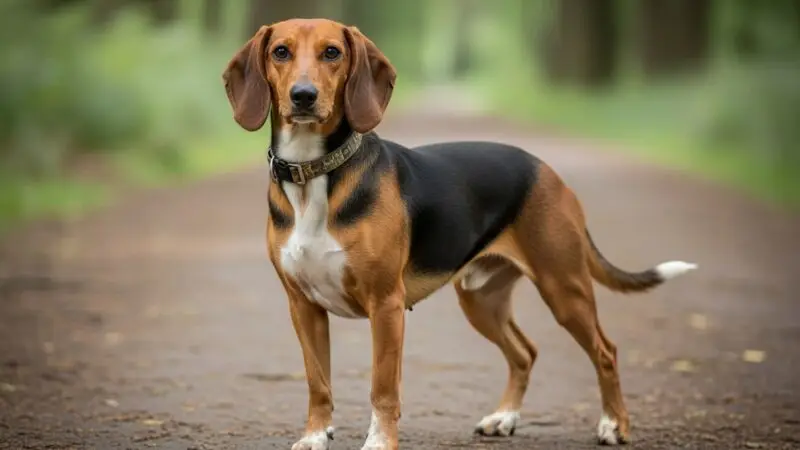
What unites scenthounds and tracking hounds
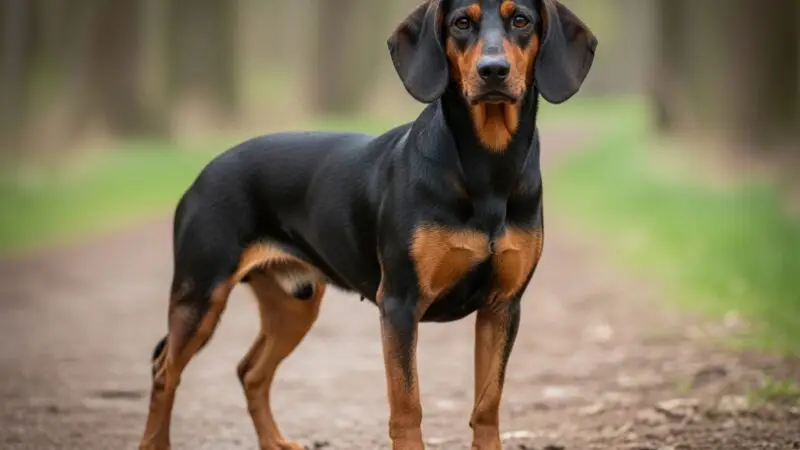
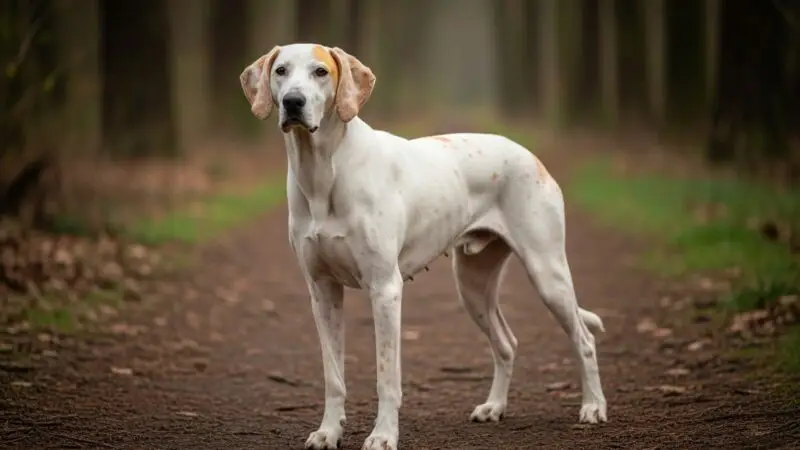
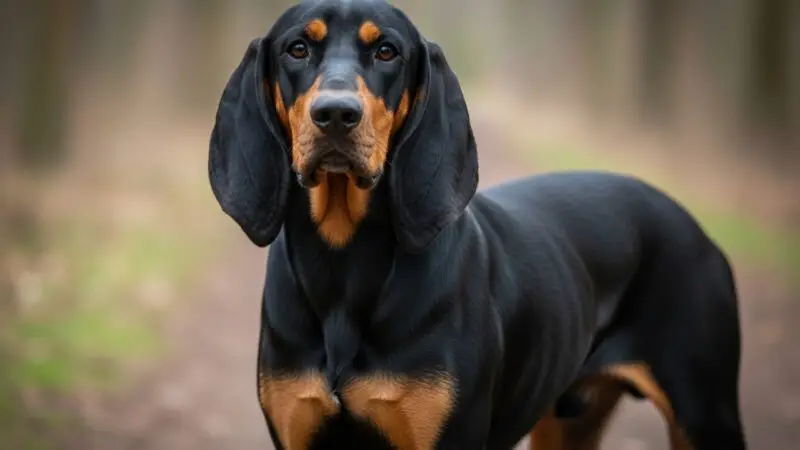
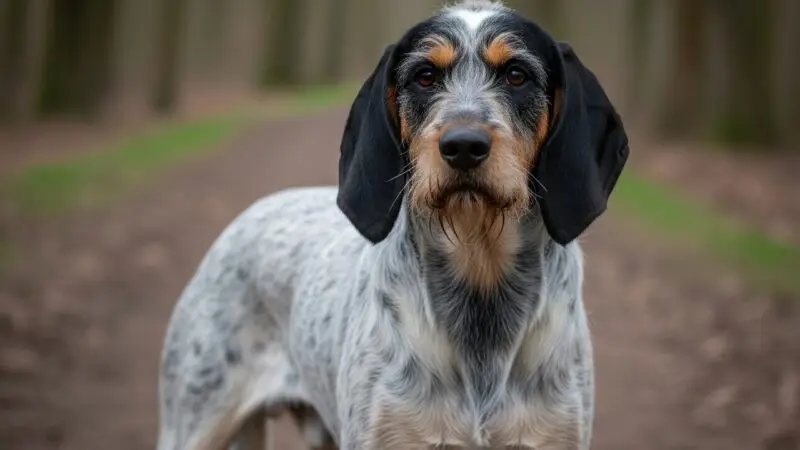
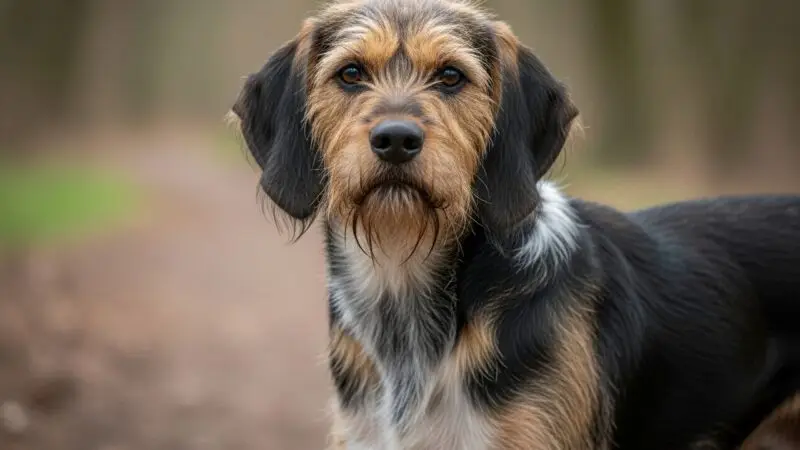
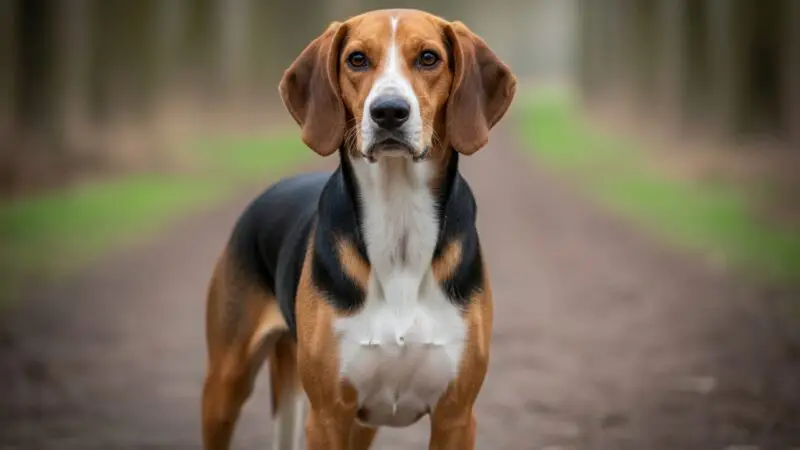
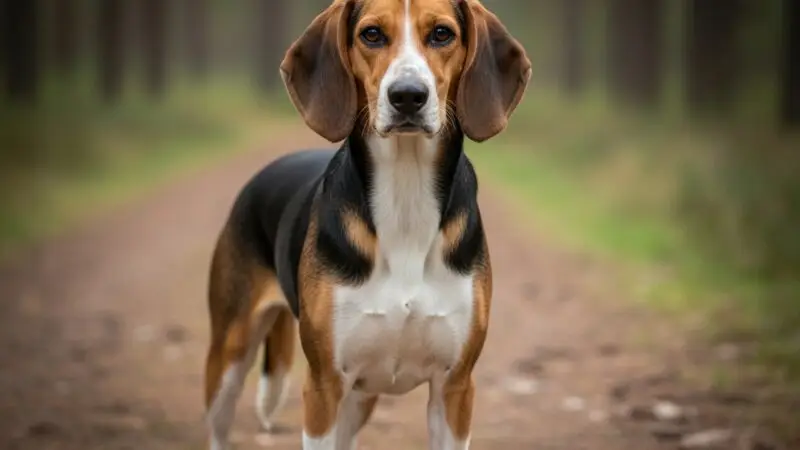
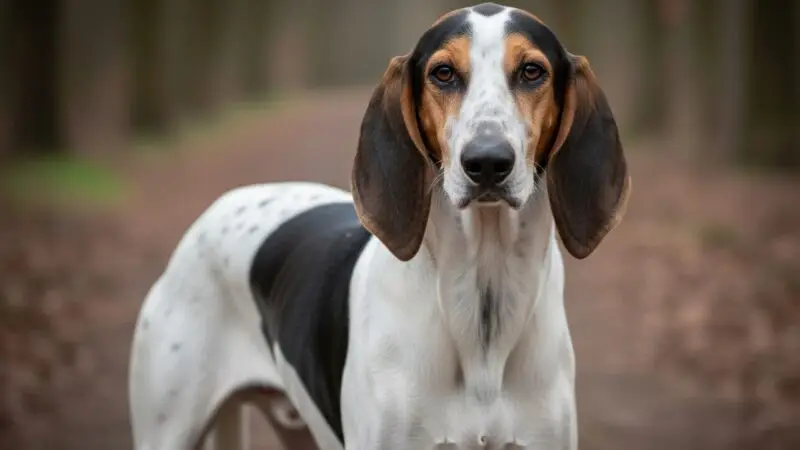
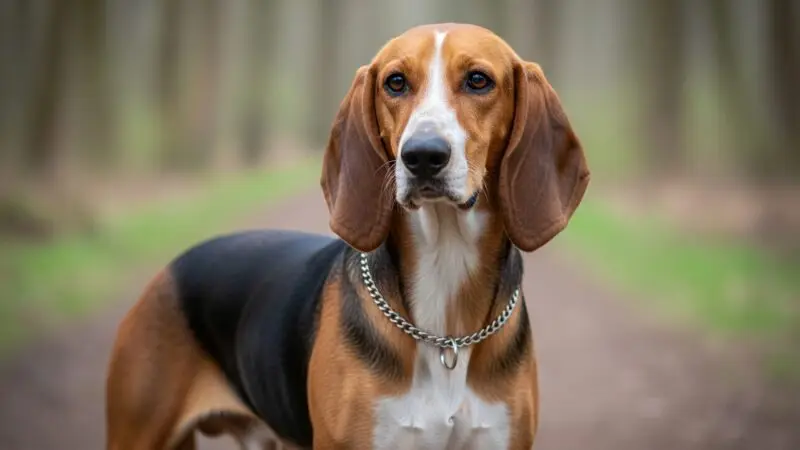
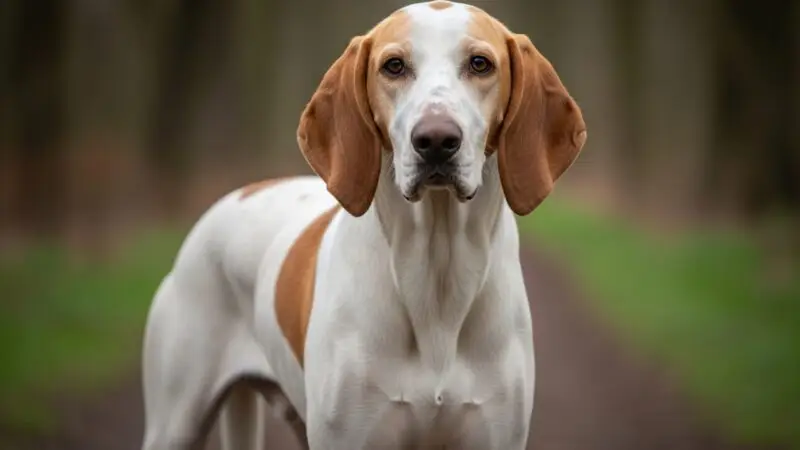
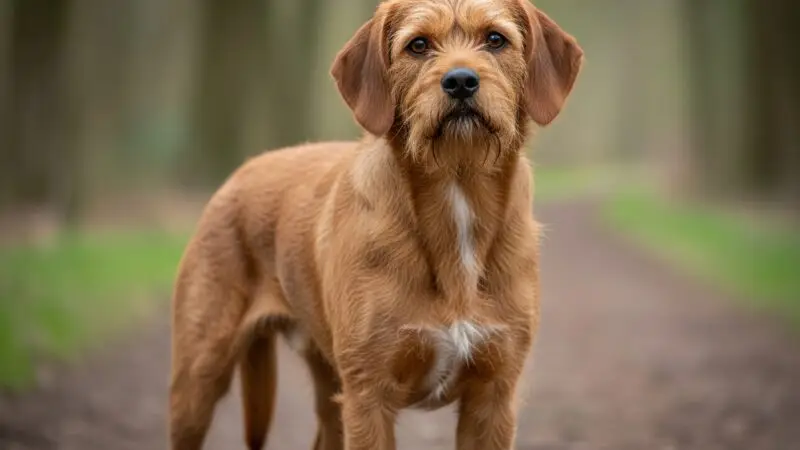
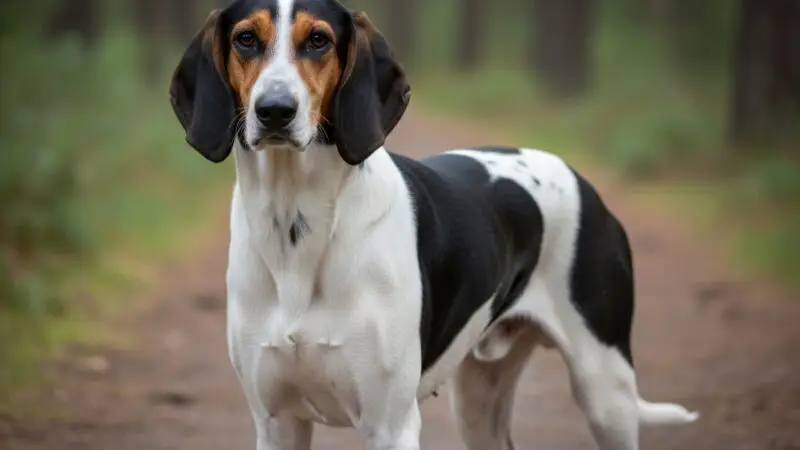
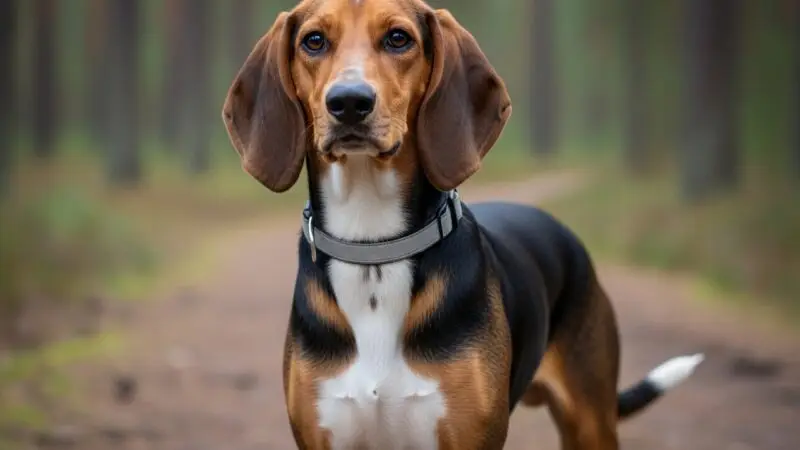
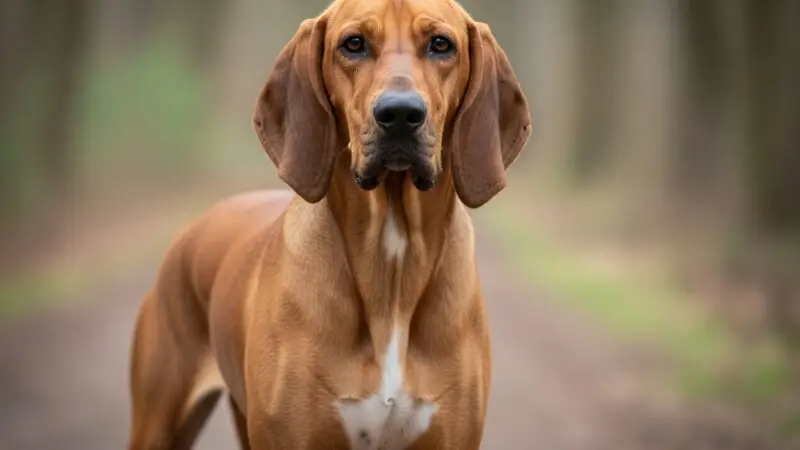
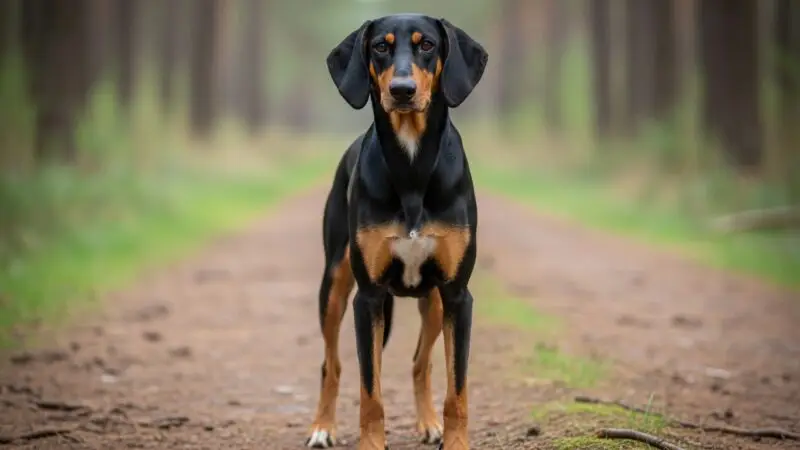
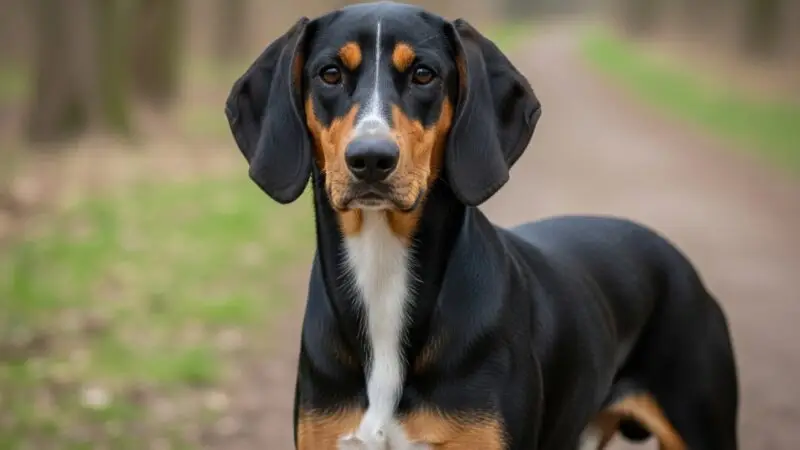
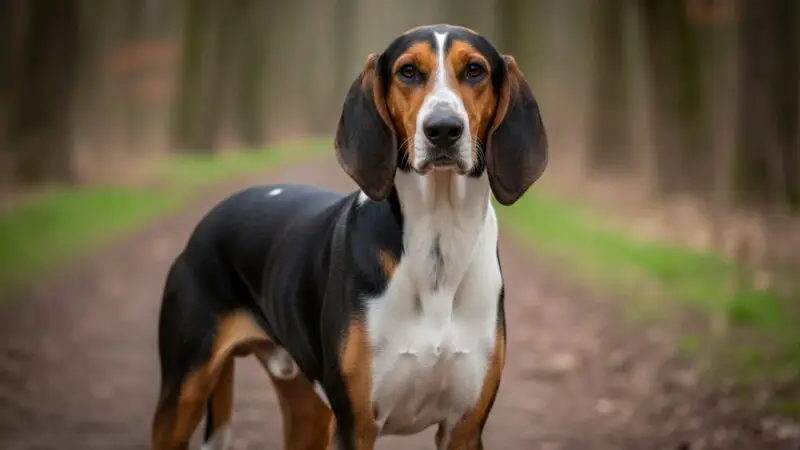
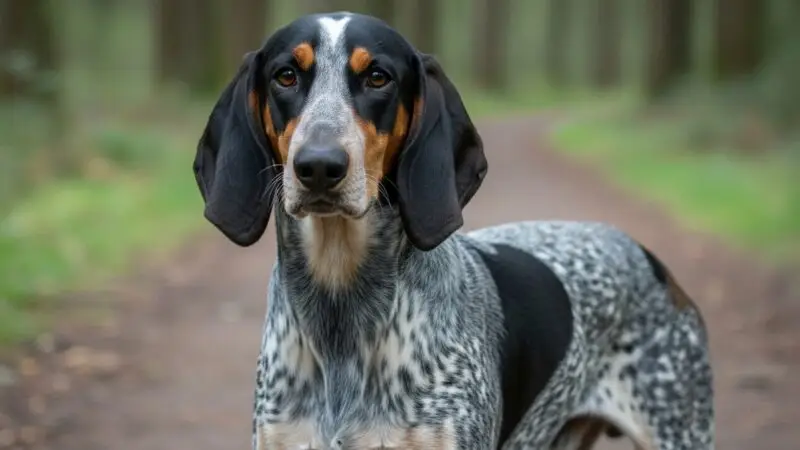
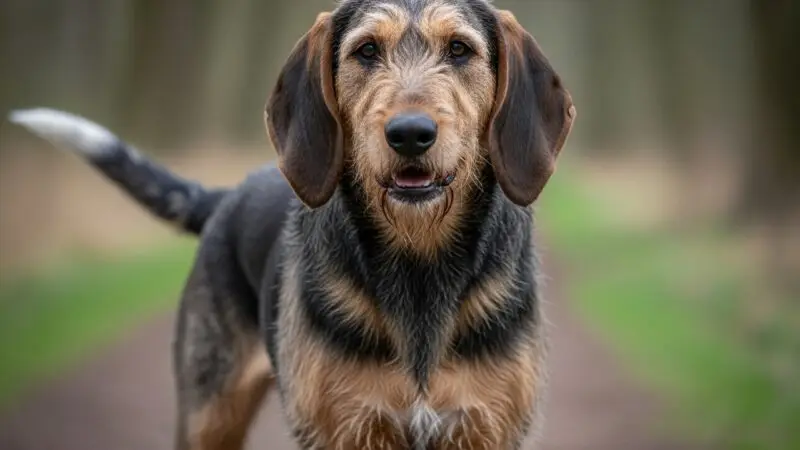
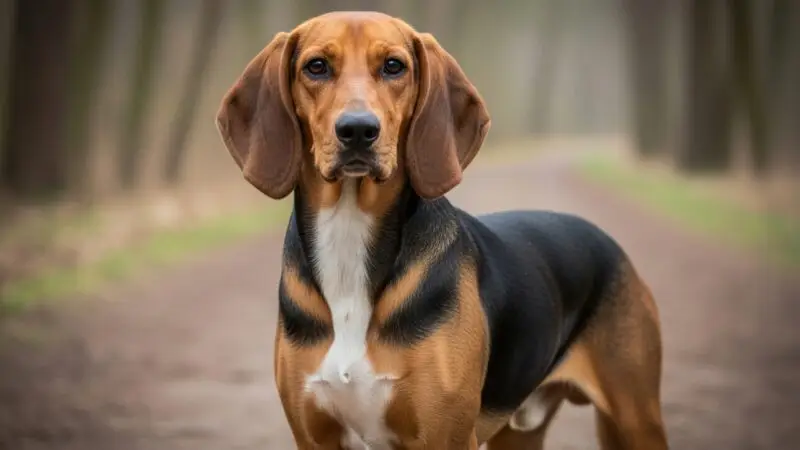
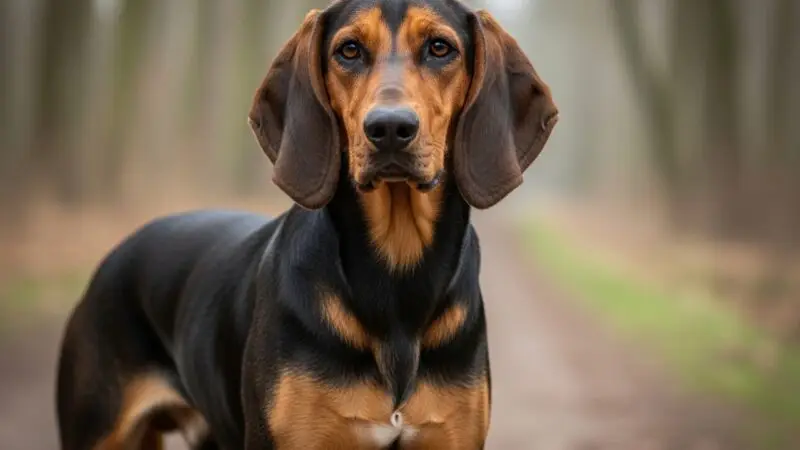
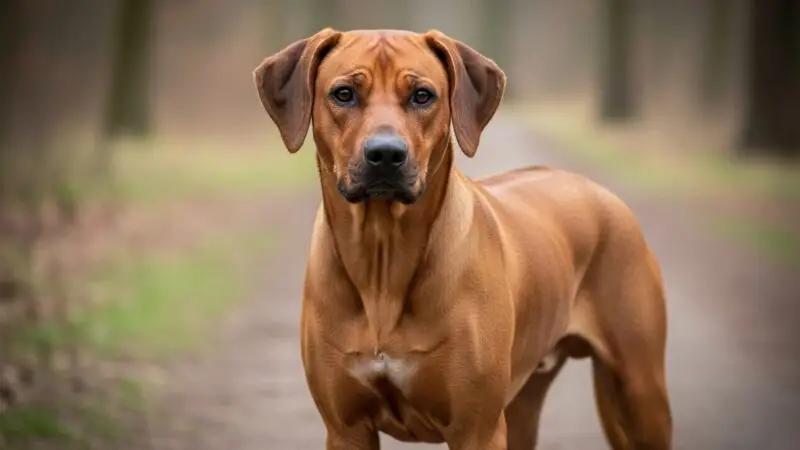
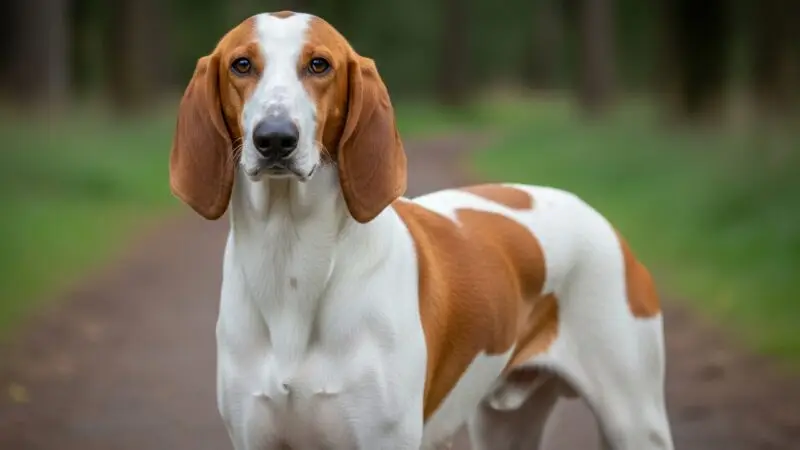
The FCI Group 6 is divided into three sections: Scenthounds (Section 1), Tracking Hounds (Section 2) and related breeds (Section 3). What unites them is the nose. Scenthounds were bred to chase game in a pack over long distances – they orient themselves primarily by their sense of smell, not by sight. Tracking hounds have a more specific task: they follow the blood trail of shot game to locate it – an ability that requires the highest nasal performance.
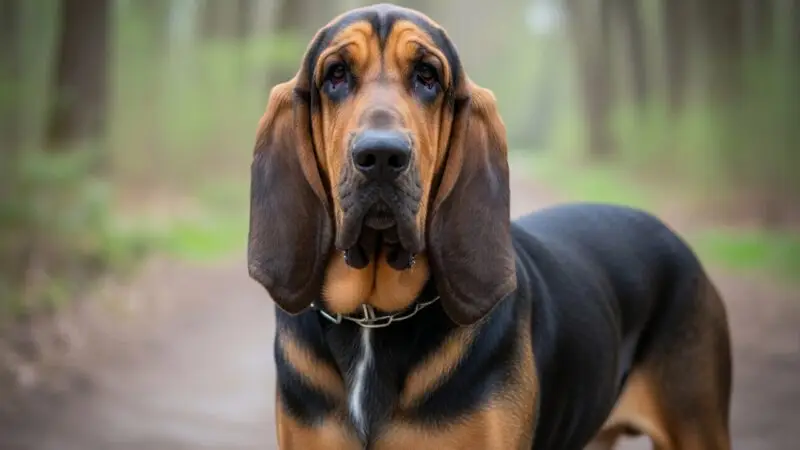
The Bloodhound is scientifically regarded as the dog with the most pronounced sense of smell worldwide: Its olfactory mucosa is up to 40 times larger than that of a human, and it can follow trails that are several days old. Tracking hound evidence has been recognised as admissible circumstantial evidence in American courts – a measure of the scientifically validated precision of this nose work.
Well-known breeds and their profiles
Beagle
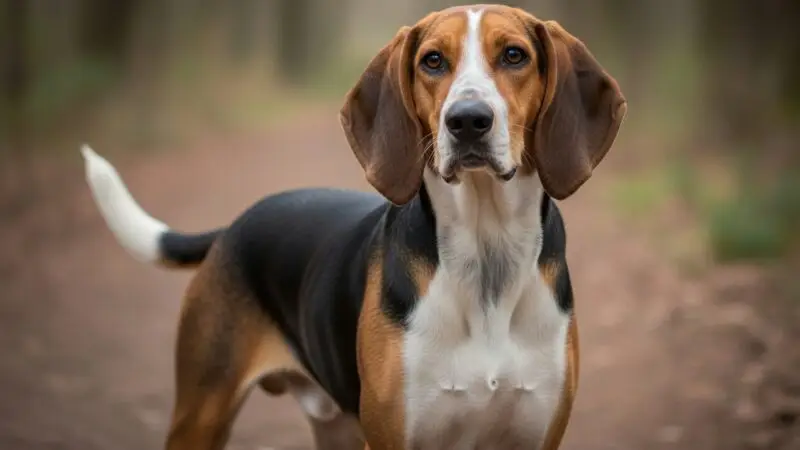
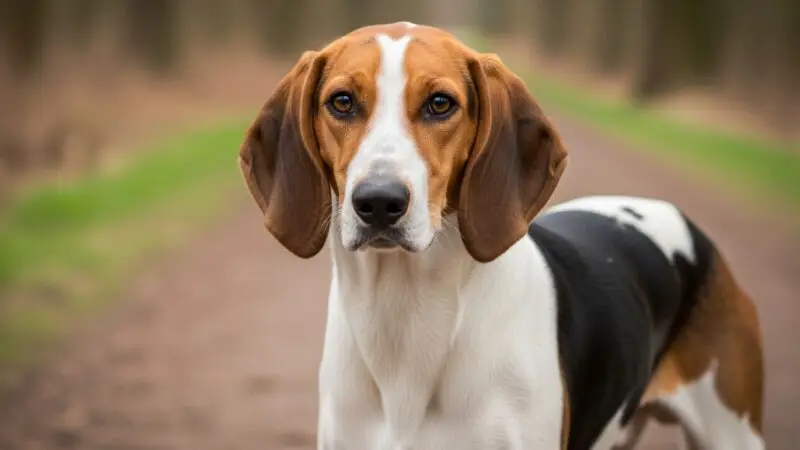
The Beagle is the most well-known representative of the group and has lived for decades in the contradiction between family expectations and its nature as a hunting dog. It is social, child-friendly and easy to handle – but its sense of smell is active around the clock. A Beagle that picks up an interesting scent trail is no longer responsive to recalls. This is not a training weakness; it is the result of centuries of selection for tracking behaviour. Off-leash exercise without secure fencing is not an option for most Beagles.
Basset Hound
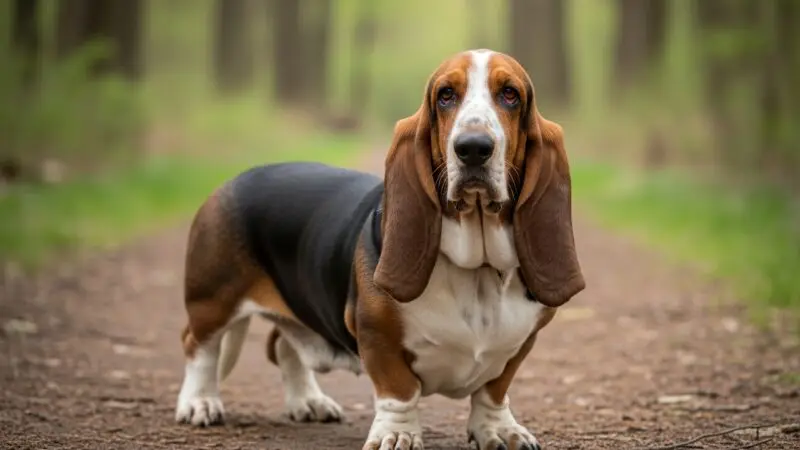
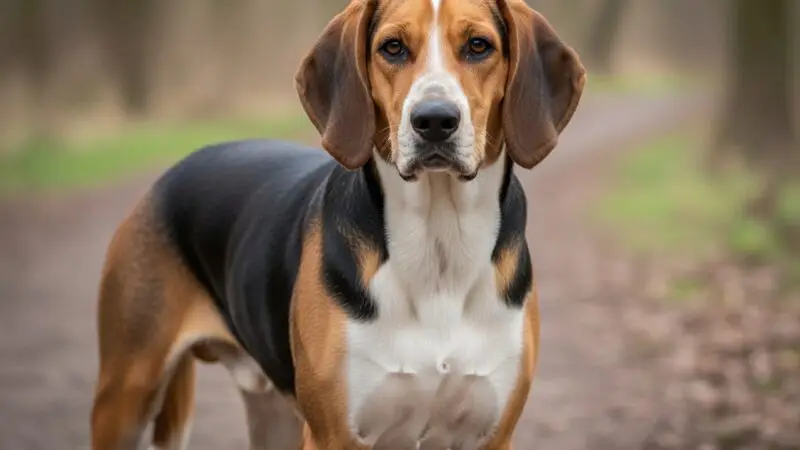
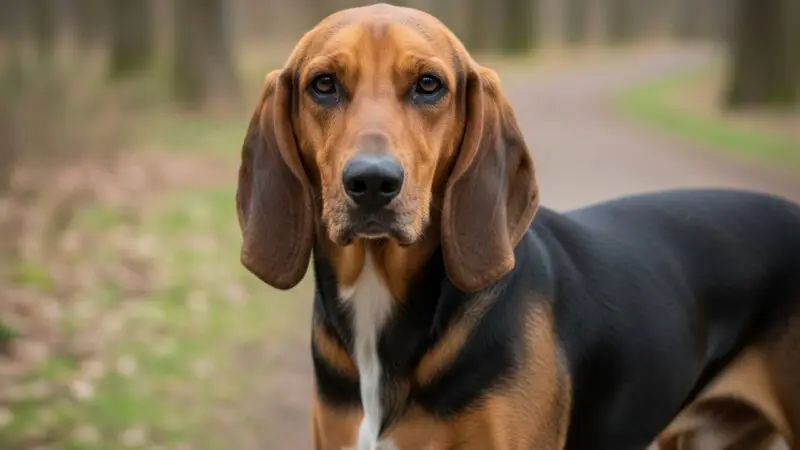
The Basset Hound has – even before the Bloodhound – the second-best sense of smell of all dog breeds. Its leisurely pace is deceptive: on a scent trail, a Basset will run for hours without a break. Its short legs are a trait relevant to breeding for harmful traits (Qualzucht). Chondrodystrophy (as seen in Dachshunds) is inherent to the breed in the Basset Hound and significantly increases the risk of intervertebral disc disease.
Bloodhound
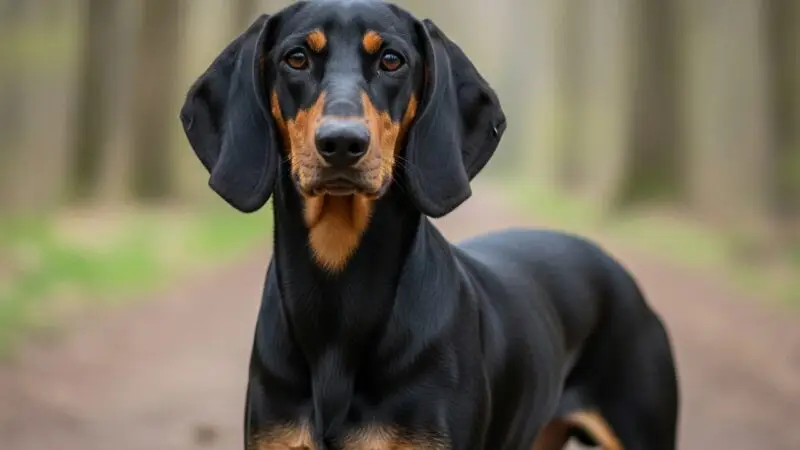
The Bloodhound is the purest nose specialist among all dogs – and a dog that is hardly satisfiable without regular nose work. Its keeping requires secure exercise opportunities, as it will follow an interesting scent trail regardless of consequences. As a mantrailing dog, it finds meaningful areas of application today outside of hunting, which noticeably benefits its well-being.
Dalmatian
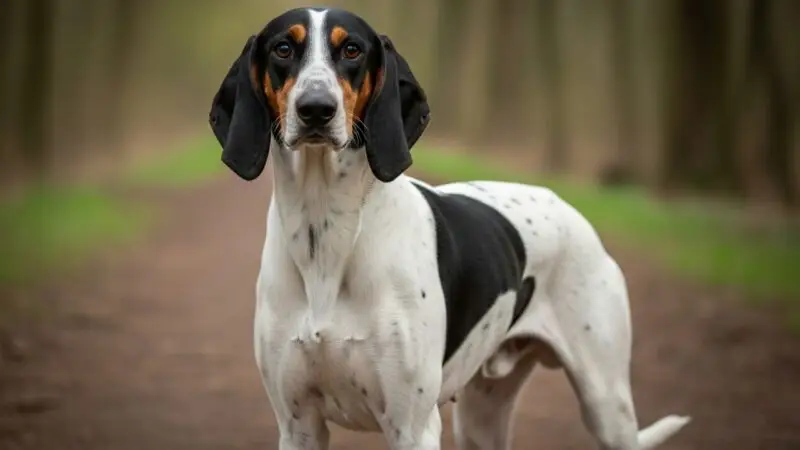
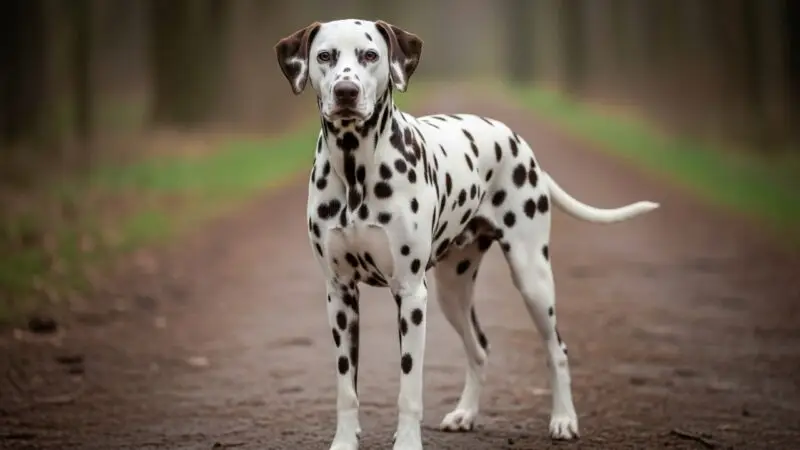
The Dalmatian belongs to Section 3 (related breeds) and is historically not a hunting dog in the strict sense – it was a carriage dog, guard dog and firehouse dog. Its elevated uric acid level (hyperuricosuria) is a breed-specific metabolic peculiarity that may require protein-reduced nutrition and increases the risk of urinary stones. This genetic disposition is well documented in Dalmatian breeding.
Common mistakes – and what really helps
You do not buy scent hounds because they look cute – but exactly that happens with the Beagle with alarming regularity. The Beagle boom of recent years has led to a flood in animal shelters: dogs aged 12–18 months that “do not listen” and “run away” – both completely normal Beagle characteristics that were not communicated to buyers.
What really helps: using Group 6 dogs in mantrailing, nose work or scent tracking. These are their natural strengths. A scent hound that engages in nose work daily is more balanced than one that runs ten kilometres through the forest. The nose is its primary organ – you must work with it, not fight against it.
Breeding for harmful traits (Qualzucht) and health risks in Group 6
The Basset Hound and Bloodhound share the chondrodystrophy problem with the Dachshund: short legs due to skeletal mutations increase the risk of intervertebral disc disease. In the Basset, eye problems due to excess eyelid tissue (ectropion, entropion) and ear infections due to floppy ears are added issues. In the Bloodhound, the extreme skin folds on the face provide a foothold for skin infections.
The Dalmatian has the problem of deafness: approximately 8% of Dalmatians are deaf in one ear, and 2–3% bilaterally. This frequency is directly related to the merle-like pigmentation system of the breed. BAER tests (Brainstem Auditory Evoked Response) should be carried out on every Dalmatian puppy.
When do you need professional support?
If a scent hound begins to embark on independent journeys, overcome fences or completely ignore recalls, it does not require classic obedience correction – but rather an enrichment concept that gives space for nose work. Mantrailing clubs and scent tracking dog clubs offer this opportunity. For initial contact and suitable trainers in your region, check our directory.
Frequently asked questions
Can you let a Beagle run off-leash?
In fenced, secure areas: yes. In open terrain without a hundred percent recall rate: no. A Beagle on an interesting scent trail literally switches off auditory perception. This is not a training issue – it is the phenomenology of prey drive.
Why do scent hounds howl so much?
Howling is a means of communication from pack hunting: dogs indicated their position on the scent trail through loud barking and howling. In a household without work, this behaviour transfers to frustration, loneliness or under-stimulation – it is a signal, not a defect.
What is mantrailing and why is it good for scent hounds?
Mantrailing is the sport of following the body odour scent trail of a human – a modern leisure form of tracking dog work. Scent hounds that mantrail regularly are more balanced, calmer in the house and show fewer symptoms of frustration than conspecific dogs without nose work.
Are scent hounds good for families?
Beagles, Bassett Hounds and Dalmatians are social, people-oriented dogs – in this sense suitable for families. The limitation lies not in character, but in prey drive and noise level. Anyone living with a Beagle behind thin rental apartment walls will get into trouble with neighbours before the dog is even one year old.