
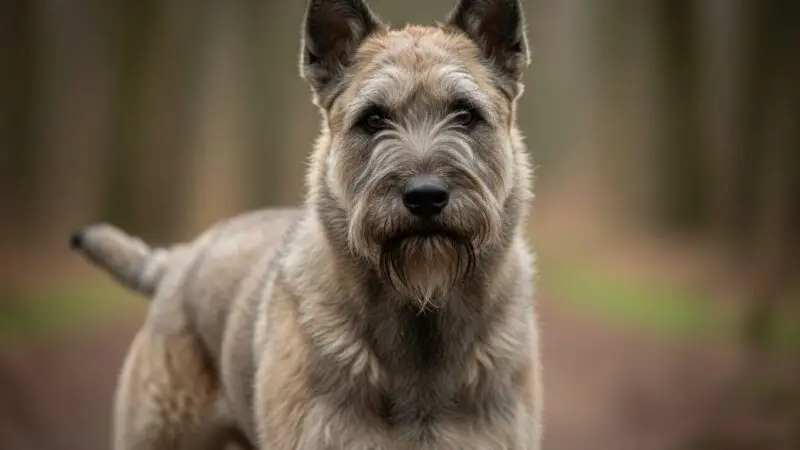
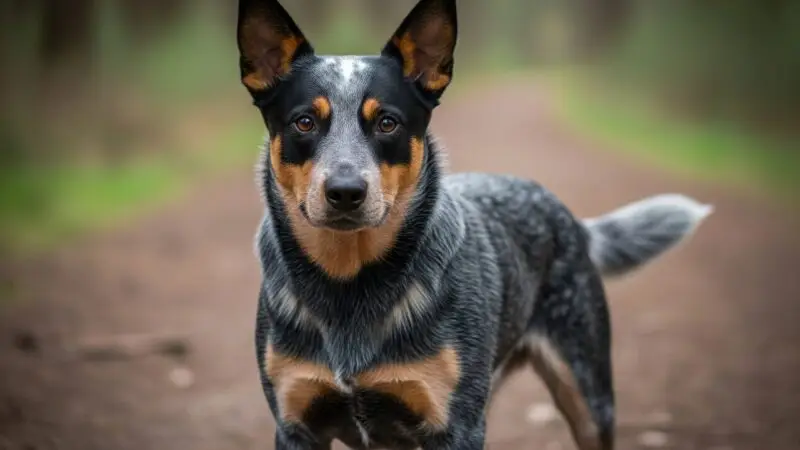
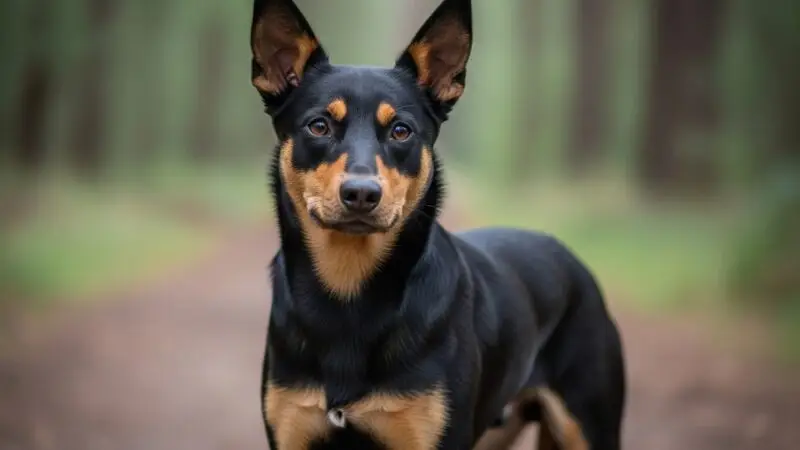
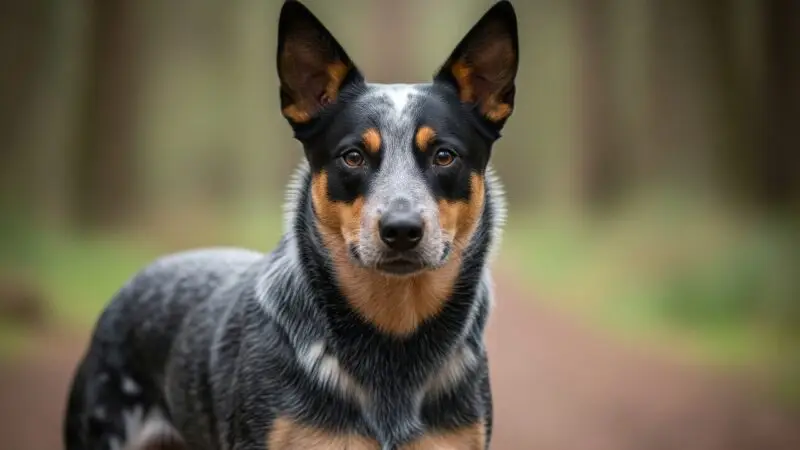
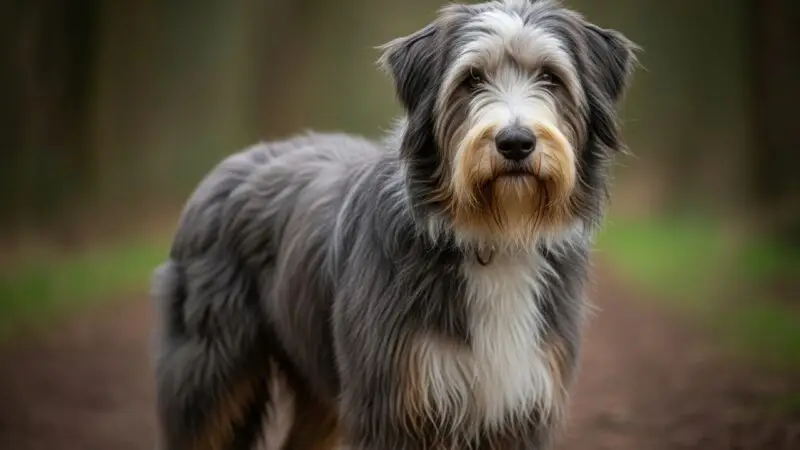
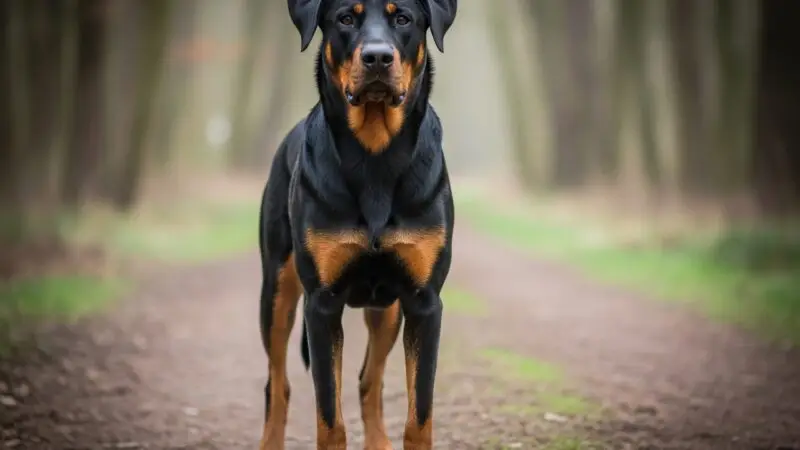
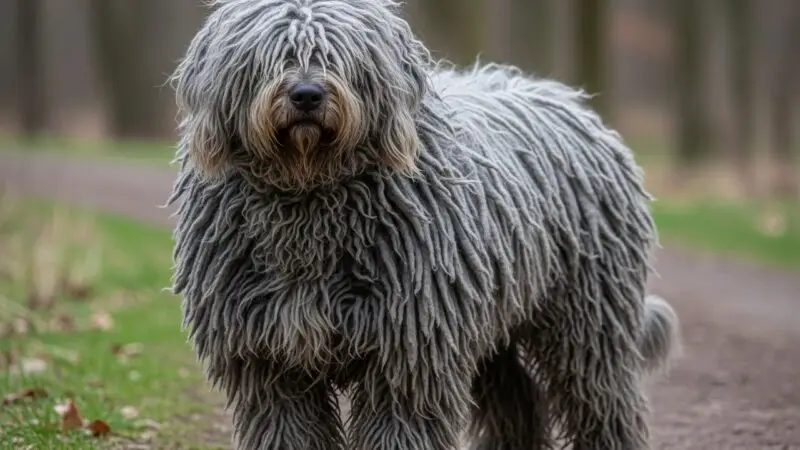
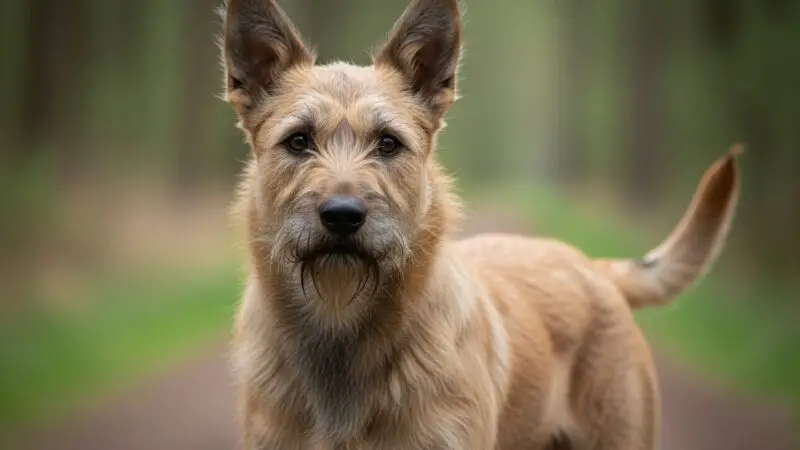
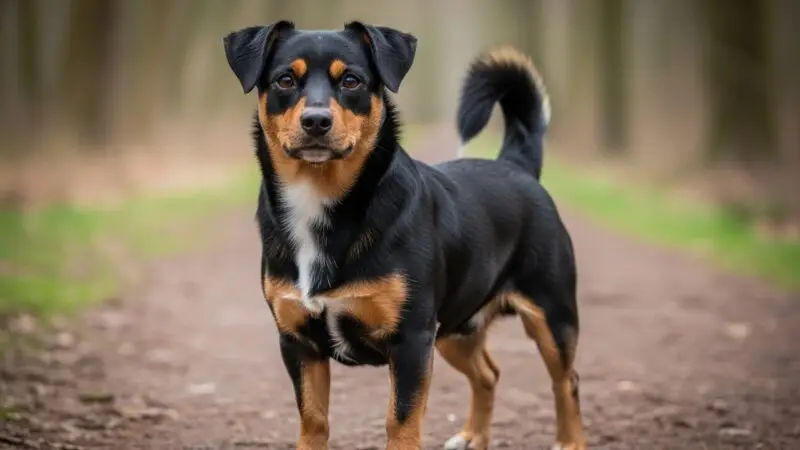
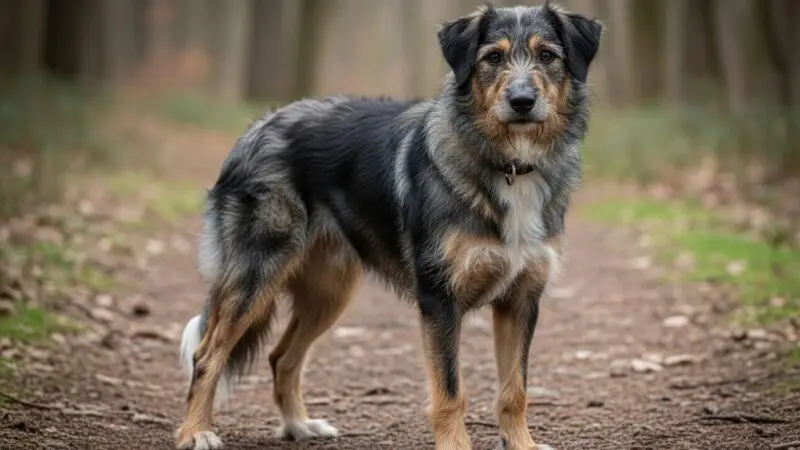
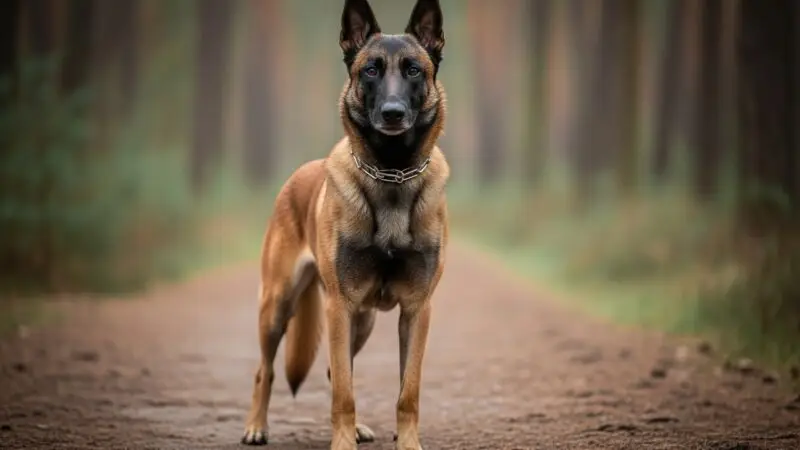

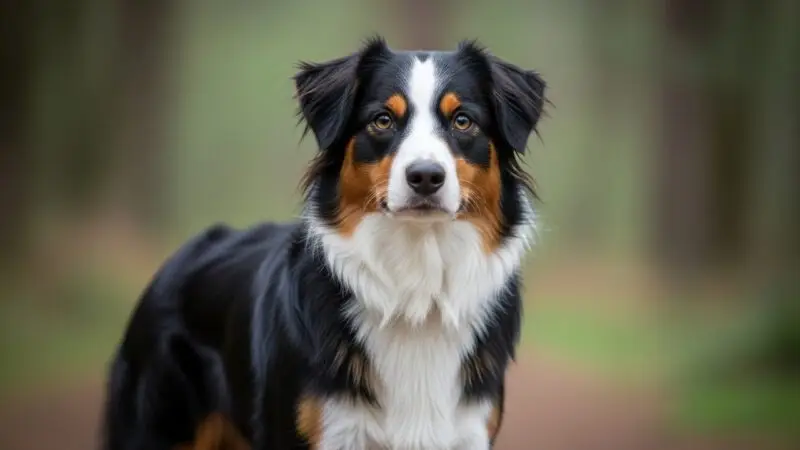
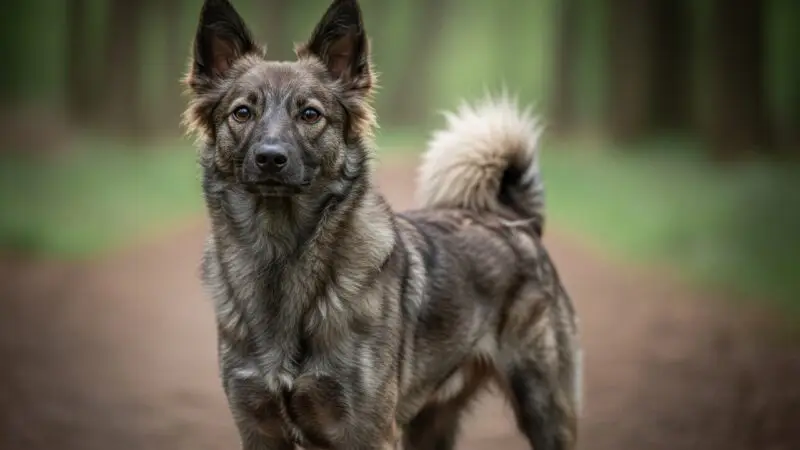
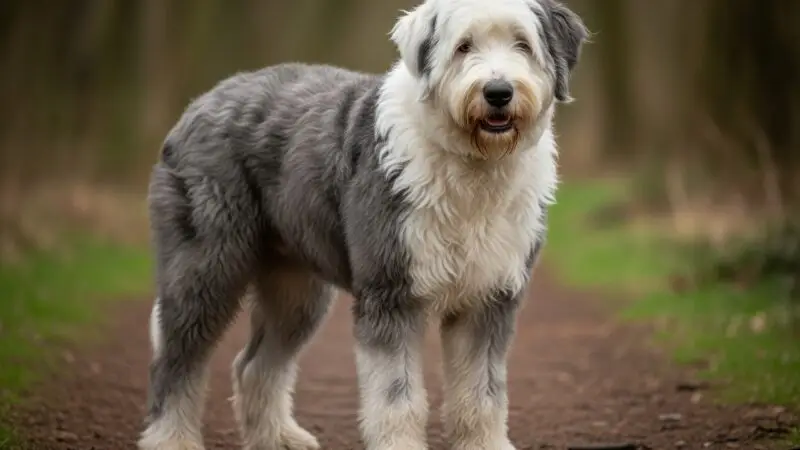
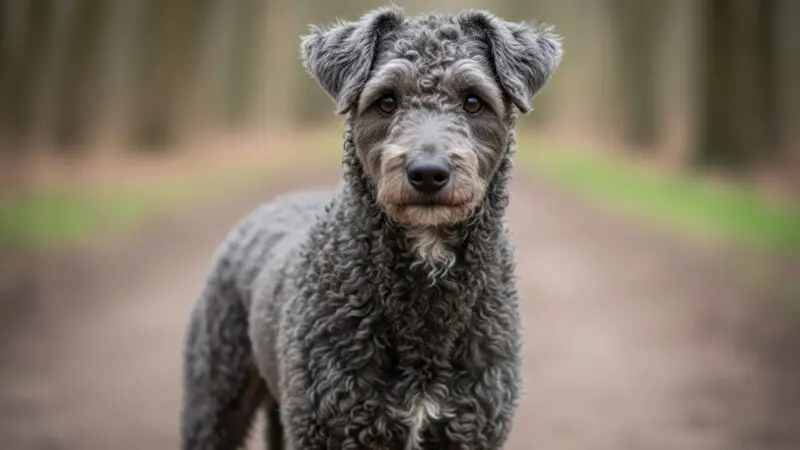
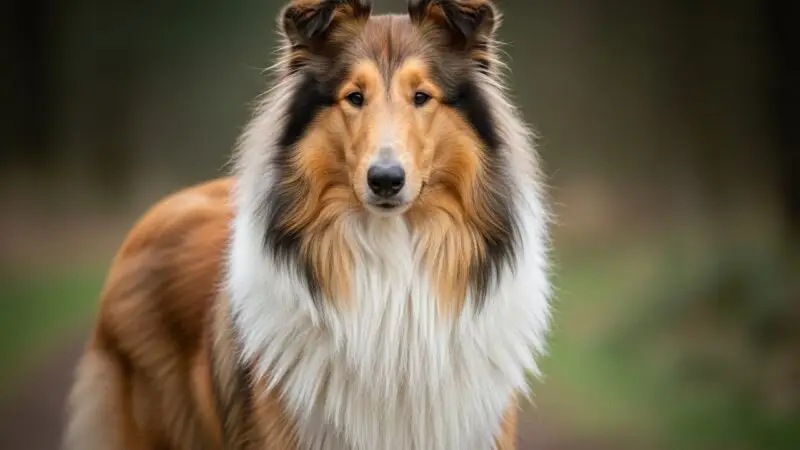
What characterises FCI Group 1?
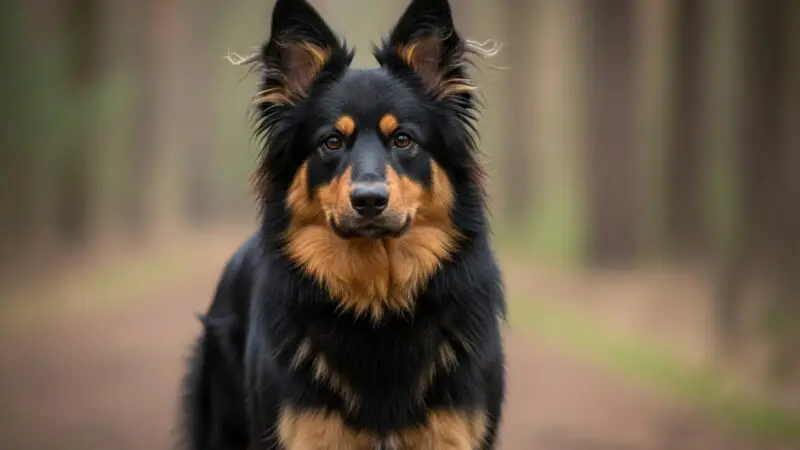
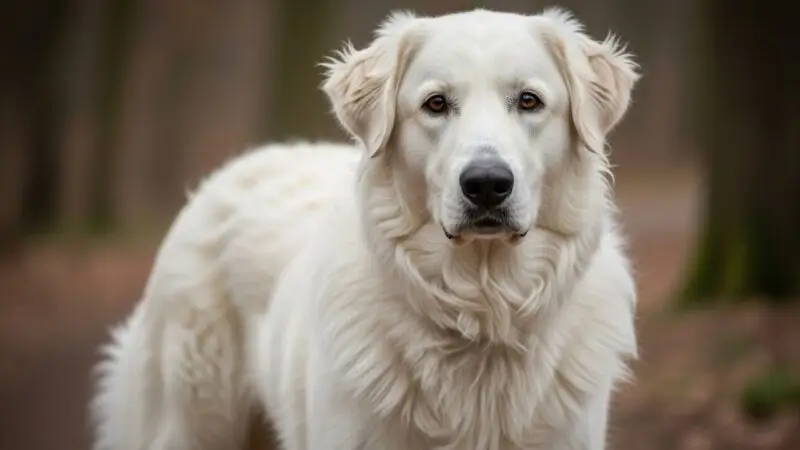
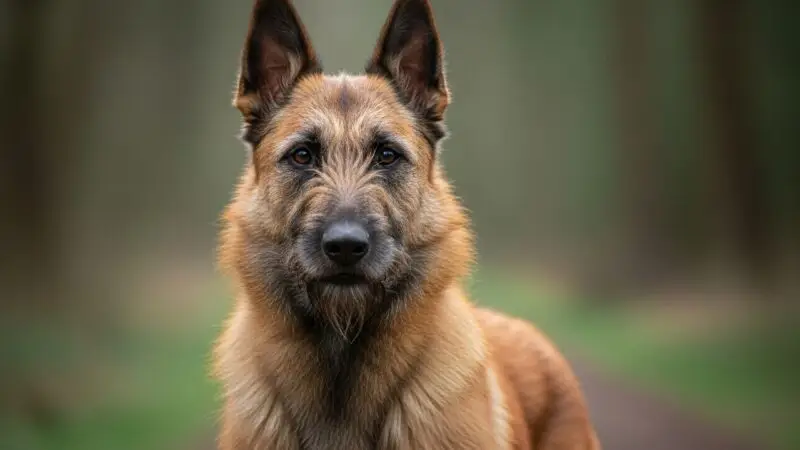
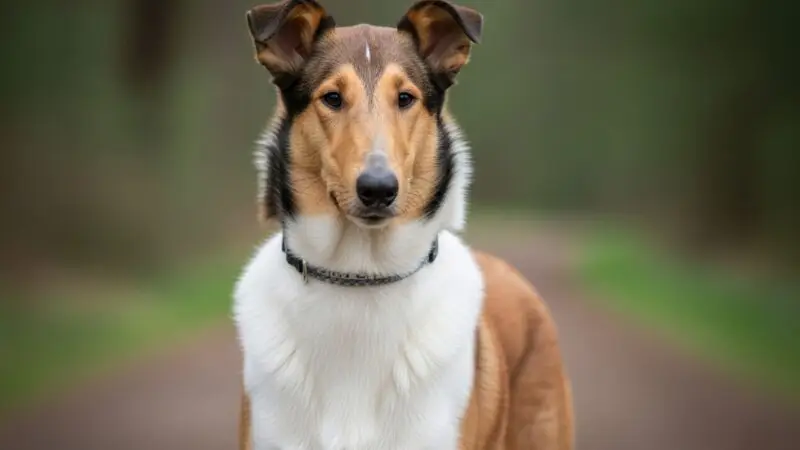
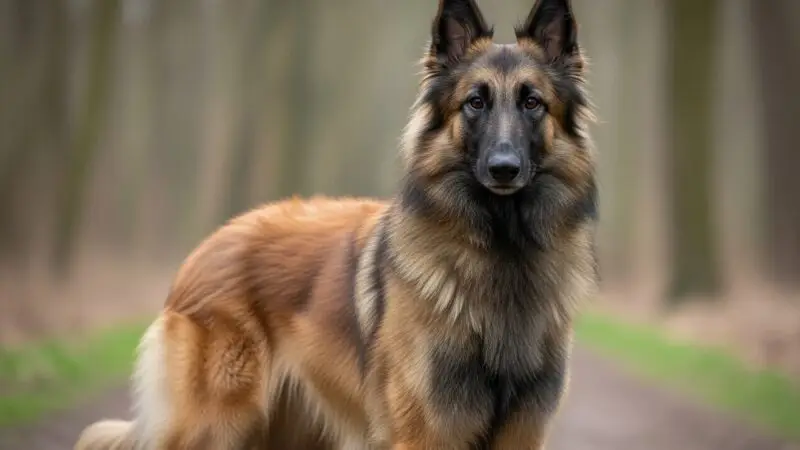
FCI Group 1 comprises herding dogs and cattle dogs – two functionally related but clearly different types in terms of working style. Herding dogs control livestock through precise body movements, eye contact and targeted positioning; cattle dogs, on the other hand, move animals by actively driving them, often with barking, pushing and direct physical contact. The difference sounds academic, but has considerable consequences for behaviour in everyday life.
Currently, Group 1 comprises over 40 recognised breeds in two sections: Section 1 (sheepdogs) and Section 2 (cattle dogs), with the Swiss Mountain Dogs excluded and assigned to FCI Group 2. Countries of origin range from Germany and Great Britain to Australia and Belgium, as well as Croatia and Hungary – the group thus reflects the worldwide history of livestock farming.
Why herding dogs tick differently
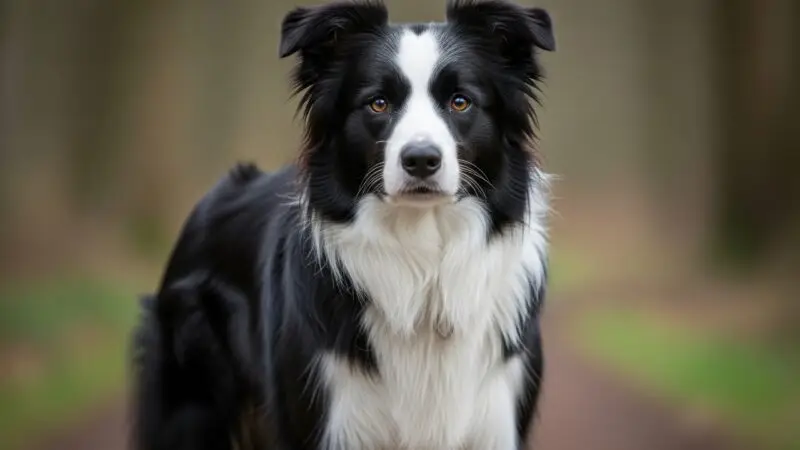
A Border Collie herding sheep on a Scottish farm makes dozens of independent decisions every day – when to press, when to retreat, when to bark. This is not obedience, this is genetically ingrained problem-solving ability. It is precisely this characteristic that makes dogs of this group particularly teachable in the dog training school – and particularly demanding in the wrong household.
Work drive vs. pet dog
The most common mistake when buying a herding dog is the assumption that a sporty dog with plenty of exercise is sufficiently occupied. This is not correct. Herding dogs do not need kilometres – they need mental tasks that correspond to their genetic predisposition. A Border Collie that runs ten kilometres daily without meaningful enrichment will become more enduring, not calmer. The running quota trains the body; it does not lull the mind.
Willingness to cooperate and its limits
Dogs of Group 1 work instinctively with humans – this is their evolutionary mission. They read human signals quickly, react sensitively to body language and are highly sensitive to training stimuli. This makes them excellent dogs for agility, obedience or protection work on the one hand – on the other hand, they react to inconsistent handling with stress, displacement activities or independent problem-solving strategies that are often undesirable to the owner.
Well-known breeds and their profiles
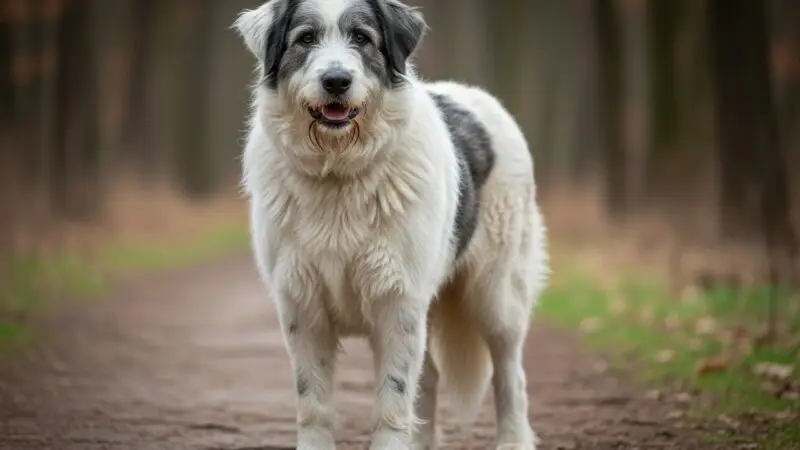
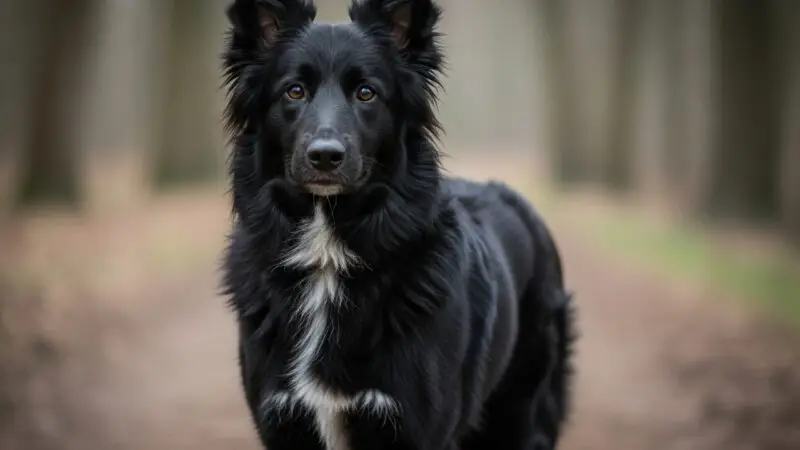
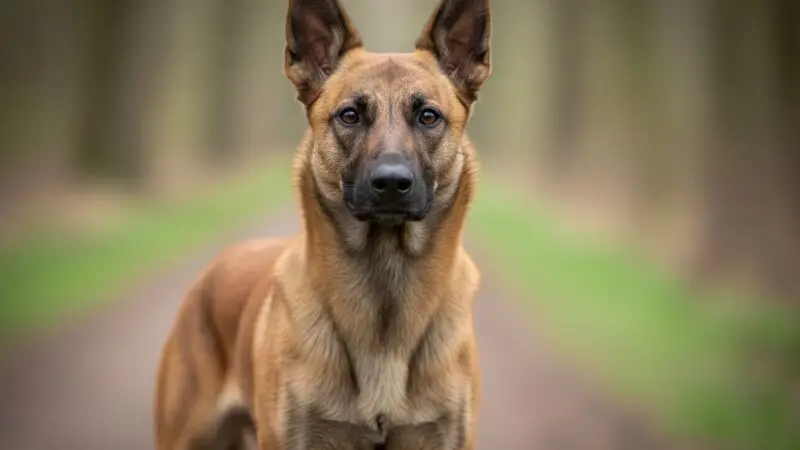
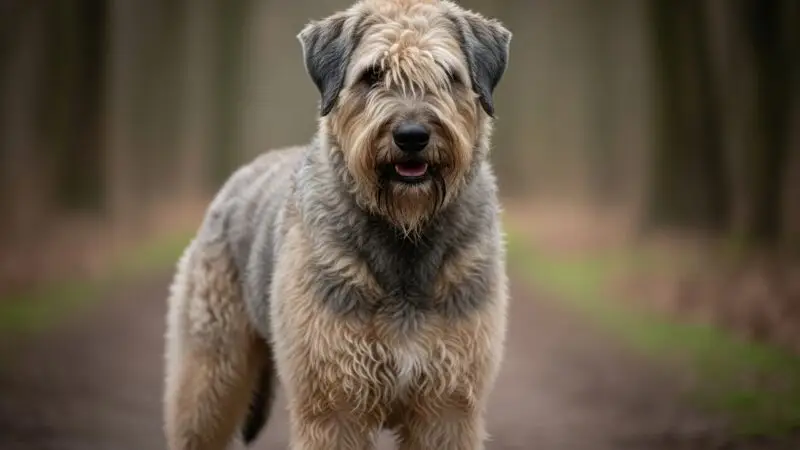
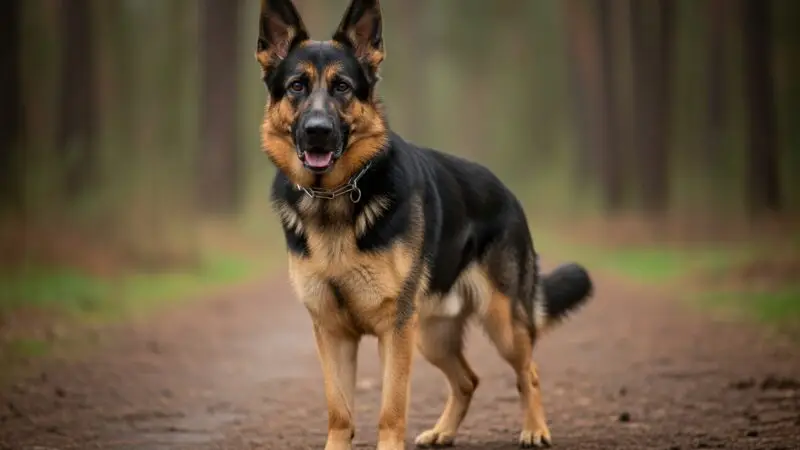
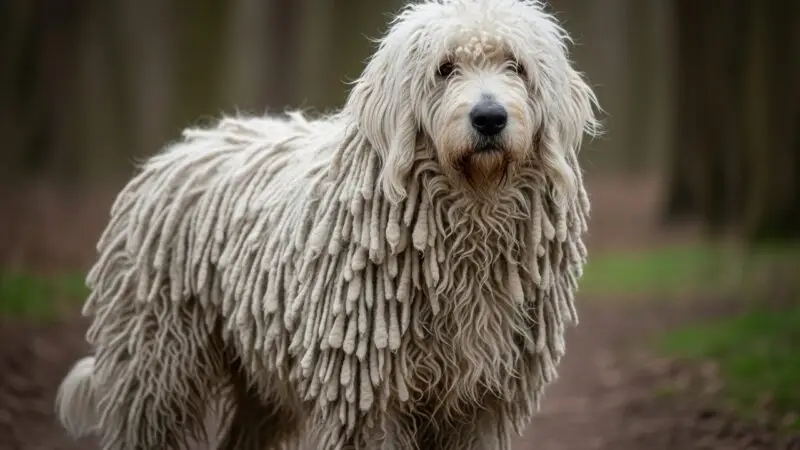
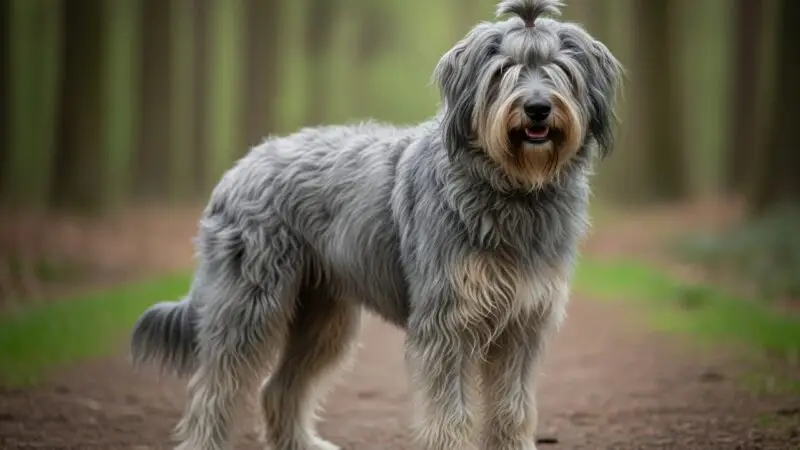
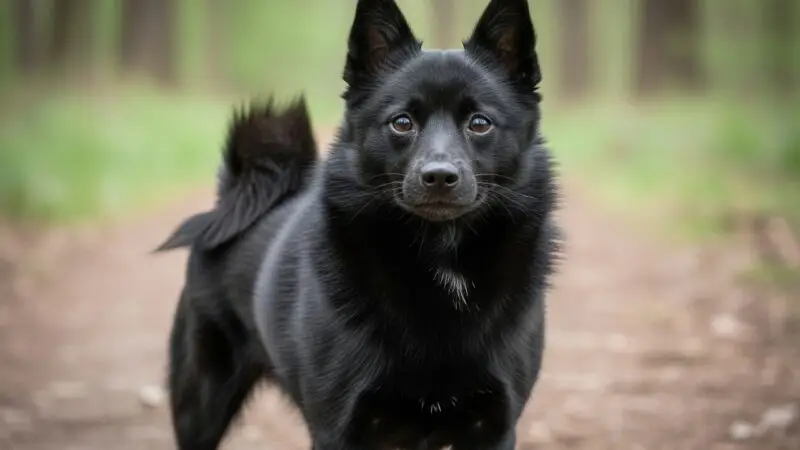
The German Shepherd is the most bred breed in FCI Group 1 – and at the same time the one with the greatest breeding problems (more on this below). The Border Collie is considered the intellectually leading breed worldwide; scientific studies show that individual dogs can learn over 1,000 object names. The Australian Shepherd is extremely popular in Switzerland and Germany – a development that is ambivalent from an animal welfare perspective because the dog carries the demand for high-performance working breeds into family households. Less well-known but characterful breeds of Group 1 are the Bergamasco, the Puli or the Mudi from Hungary – dogs with pronounced independence and strong territorial awareness.
Common mistakes – and what really helps
You do not buy herding dogs because they are beautiful. If you get an Australian Shepherd because it looks pretty, you are bringing a full-time job into your home – without holiday entitlement. This sounds exaggerated, but corresponds to what animal shelters and animal welfare organisations have been reporting for years: Dogs of Group 1 belong to the most frequently surrendered breeds because keeping expectations and keeping reality diverge widely.
What really helps: an honest needs analysis before purchase. Anyone who can actively work with their dog for several hours daily – through dog sports, sheepdog trials, search and rescue work or structured training – will find an exceptional partner in a dog of this group. Anyone who cannot or does not want to provide this should consider other groups.
Breeding for harmful traits (Qualzucht) and overbreeding: The problem of show lines
The German Shepherd stands as a representative for a phenomenon that is particularly clearly visible in FCI Group 1: the split between working and show lines. Show line Shepherds have been selected over decades for a sloping back – a body posture that was preferred for aesthetic reasons but leads to significant orthopaedic problems. Hip dysplasia (HD) and Degenerative Myelopathy (DM) are significantly more common in show lines than in working lines. Anyone buying a German Shepherd should explicitly ask for working line dogs and insist on parent animals tested for HD.
In the Australian Shepherd, a different problem is evident: extreme popularity has led to uncritical mass breeding. MDR1 gene defect (increased sensitivity to certain medications), epilepsy and eye problems (Collie Eye Anomaly) are above-average prevalent in non-serious lines. A serious breeder tests parent animals for MDR1, CEA and epilepsy predisposition.
When do you need professional support?
Herding dogs are not difficult – they are demanding. The difference is not just semantic. An experienced dog trainer familiar with working dogs can help develop meaningful enrichment concepts that correspond to the dog’s drive profile. If your Group 1 dog begins to herd children or other pets, apport things without prompting, or fixates and stalks in certain situations, then these are not training errors – this is genetic behaviour that must be channelled.
Breeder advice is also crucial: A serious breeder conducts temperament tests, does not give away puppies before the 8th week and remains available for questions even after purchase. You can find an overview of tested breeders in the D-A-CH region in our directory.
Frequently asked questions
How much exercise does a dog of FCI Group 1 need?
Herding dogs need at least 2–3 hours of active enrichment daily – but the decisive factor is the type of enrichment, not the pure kilometre count. Mental work through training, nose work or dog sports replaces running quota more effectively than pure running.
Are herding dogs good for families with children?
In principle yes – but with a concrete limitation: Herding dogs tend to herd small children. This means circling, fixating, sometimes nipping. This behaviour is genetically determined and must be redirected consistently from the start. Families without dog experience should consult an experienced trainer.
What distinguishes working and show lines in the German Shepherd?
Working line dogs have a straight back, lower HD risk and a balanced character; show lines were selected primarily for appearance. For everyday family life, working line dogs are generally healthier and more stable in character – the price difference at purchase is offset by lower veterinary costs.
Which herding dog is suitable for beginners?
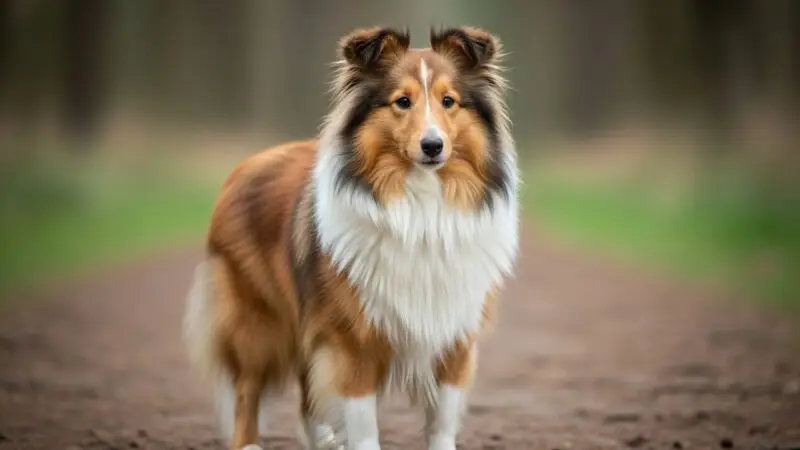
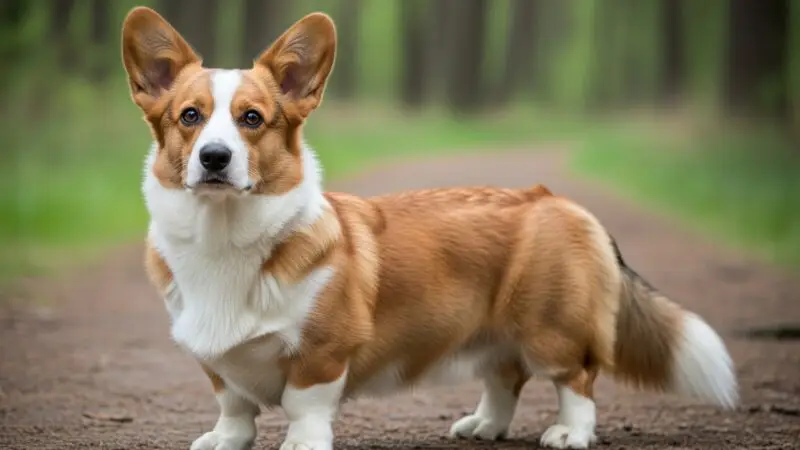
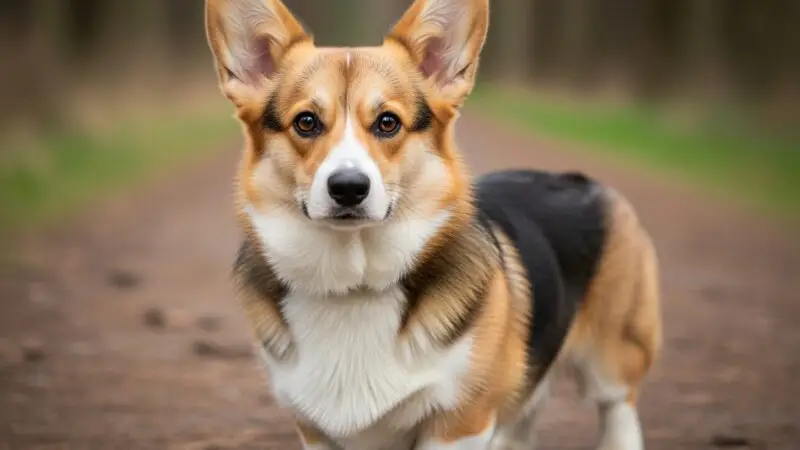
None of the classic high-performance breeds – such as the Border Collie or Australian Shepherd – is unconditionally suitable without prior experience. Those looking to get started with Group 1 will find more adapted variants in breeds like the Shetland Sheepdog or the Welsh Corgi Pembroke, which bring similar character traits but have a somewhat lower work drive.
What is the difference between herding and driving dogs?
Herding dogs control livestock through body positioning and eye pressure, without direct physical contact; driving dogs like the Bouvier des Flandres or the Australian Cattle Dog actively move animals by barking, nipping at their heels, and using their bodies. In everyday life, driving dogs are often significantly more territorial and self-assured than classic herding dogs.