3 sourcesUpdated September 12, 2026Responsible editor: Roger KleinText: Roger Klein
01Summary
In a paragraph
If you only have 30 seconds.
The Dutch Shepherd is a Dutch working dog with pronounced work motivation, strong handler bonding and a high guarding instinct. It exists in three coat variants and belongs to FCI Group 1. Anyone keeping this breed plans at least two hours of active stimulation per day, plus structured mental work. Without experience in handling high-performance working dogs, it is the wrong choice.
02Introduction
What makes the Dutch Shepherd special
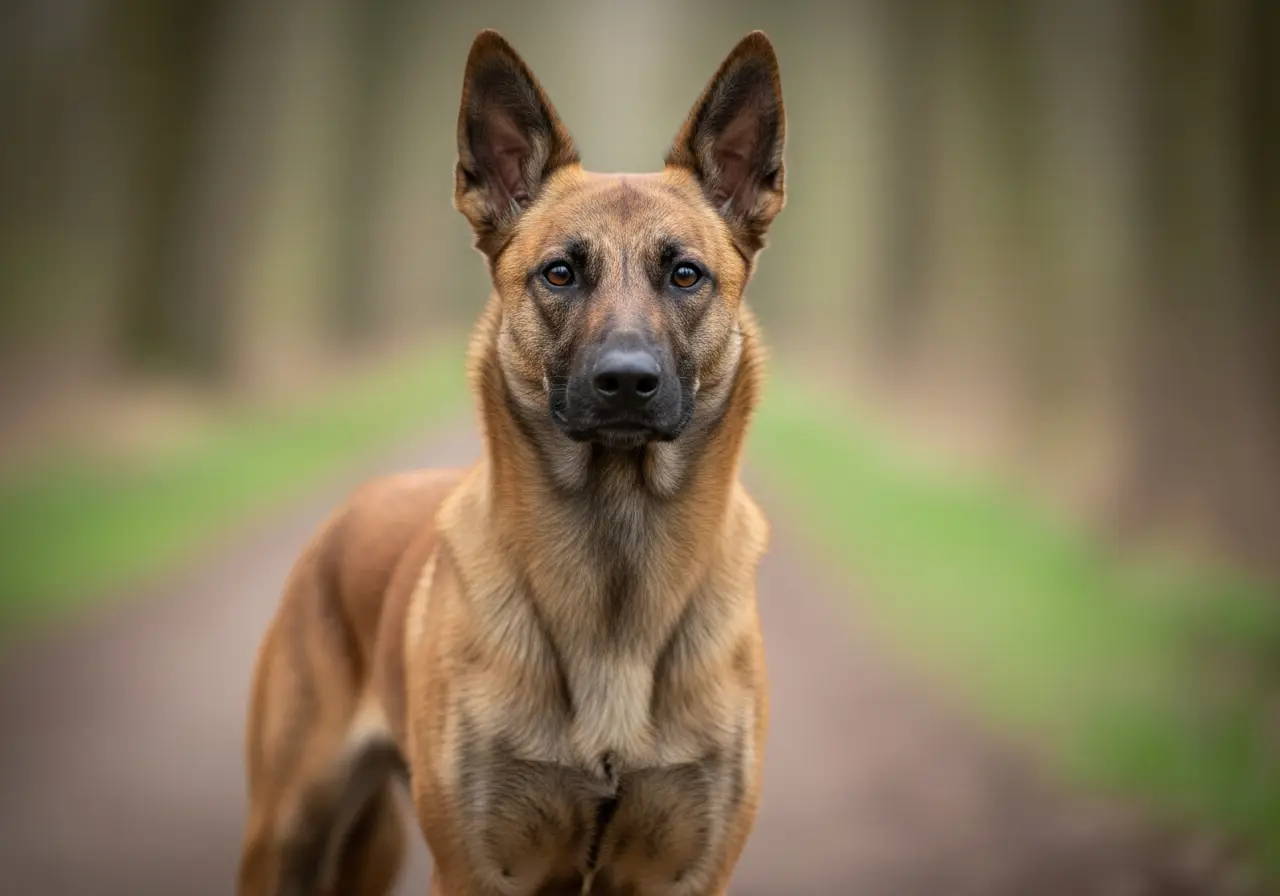
The Dutch Shepherd is a Dutch police and working dog, FCI Group 1, in three coat variants, shoulder height 55–63 cm.
03Profile
Key facts and suitability
- Origin
- Niederlande
- Original purpose
- Sheep herding, police and military dog
- FCI
- No. 223 · Group 1 · Section 1
- height at the withers
- 55–62 cm
- Weight
- 25–40 kg
- Life expectancy
- 12–14 Years
- Coat type
- Short-haired
- Minimum exercise
- 120 min/day
- Puppy price
- 1'500–3'000 CHF
- Waiting period
- 12 months
- Sports
- Schutzhund · Agility · Obedience · Tracking
04Temperament
How the Dutch Shepherd shows up in everyday life
When returning home, the Dutch Shepherd immediately registers every change in the household routine. It observes, categorises, and reacts, not loudly but precisely. This is no coincidence, but an expression of its genetically anchored vigilance.
The need for social contact is high. The Dutch Shepherd is strongly oriented towards its primary caregiver and requires genuine cooperation, not mere presence. Mental work and exercise are of equal value, both very high. Anyone who only offers daily walks will get a dog that organises its own stimulation: through control, restlessness, or destructive behaviour.
It shows pronounced reserve towards strangers. A visitor entering the house is initially observed and assessed, not greeted joyfully. This is not a lack of socialisation, but shepherd dog instinct. Anyone expecting guests for the dog to meet should plan this actively and conduct the encounter in a structured manner.
In everyday life with the family, it works reliably if rules are clear and consistent. It likes to work together, completes tasks independently, and shows a stamina that other breeds do not achieve. Being left alone for up to four hours is possible if it was built up early and systematically; longer periods noticeably strain its strong bonding orientation.
The herding and guarding instinct is present in everyday life: it monitors movements in the room, positions itself between the primary caregiver and strangers, and reacts attentively to unfamiliar noises. These traits require a primary caregiver who leads, not one who hopes things will sort themselves out.
05Needs
What this breed needs daily
The Dutch Shepherd requires at least 120 minutes of active exercise daily, and this is the minimum threshold, not a recommendation for good days. Suitable forms of exercise include working dog sports (IPO/IGP), protection work, tracking, search and rescue training, or structured nose work. Jogging and cycling complement but do not replace task-based stimulation.
Mental stimulation is equally important as physical exercise. Its need for mental work is extremely high. Specifically, this means: daily training sessions with clear tasks, impulse control exercises, obedience, and, where possible, preparation for sporting competitions. Purely enrichment toys or occasional search games are not sufficient.
The need for social contact is high. The Dutch Shepherd requires genuine interaction with its primary caregiver, not just physical proximity. Passive cohabitation (the dog lies in the room, the owner works on a laptop) does not fulfil this need. Structured training time counts as social contact because it serves both cooperation and bonding simultaneously.
Being left alone is possible for up to four hours if it has been built up gradually. Longer absences without a care solution are incompatible with the demand profile of this breed.
A house with a secure garden is advantageous because it needs space for movement and control. Keeping it in an apartment in the city is possible but requires an above-average activity level from the owner, daily, not just at weekends. Attending a dog training school with working dog experience is not optional but mandatory for the first two years of life.
Exercise
Very high
mental work
A lot
Social needs
High
training
Demanding
06Sport & Mental and Physical Stimulation
What sports the Dutch Shepherd is suited for
Realistic in terms of physiology and genetics. Not every breed suits every sport.
Structurally and physiologically suitable: Suitable for herding work, treibball and coursing · CaniCross / bikejoring possible.
07Quick Check
08Suitability
Who this breed suits and who it doesn't
✓Matches
The Dutch Shepherd suits owners who already have experience with high-performance working dogs, ideally in protection sports, IPO, or search and rescue sports. Anyone who can read the body language of a work-motivated dog and communicate clearly will find an exceptionally cooperative partner in this breed.
Active individuals or couples are suitable if they plan at least two hours daily for structured stimulation, not as an exception but as a fixed part of the day. Those living near a working dog club or already being members have a significant advantage.
Families with children from about ten years old are suitable if both parents bring dog experience, clear rules apply in the household, and the children are instructed in structured handling. In this context, the dog requires a clear primary caregiver who takes on the leadership role.
Owners who work professionally in security, police, or rescue services and wish to keep a service dog privately fit the profile very well. Also, people who have successfully handled a Dutch Shepherd or comparable breeds such as Malinois or German Shepherd (working line) already bring the necessary foundation.
×Doesn't match
The Dutch Shepherd does not suit first-time dog owners. The demand profile (high guarding instinct, pronounced independence, maximum need for mental work and exercise) is structurally overwhelming without prior experience, not just situationally.
Anyone who is away from home for more than four hours daily and cannot organise a reliable care solution should not choose this breed. The strong attachment orientation and high need for social contact are incompatible with regular long absences.
Anyone who perceives reserve towards strangers as a problem and expects an open, friendly-to-all dog will be permanently dissatisfied with the Dutch Shepherd. Closeness to the family and openness to strangers diverge here: high need for social contact with the primary caregiver does not mean openness towards unknown people.
Households without access to a working dog club or comparable training infrastructure regularly underestimate the effort involved. Also, owners who consider consistency in training optional or hope for the dog’s self-regulation are poorly positioned with this breed. The Dutch Shepherd demands leadership, daily and unequivocally.
09Related
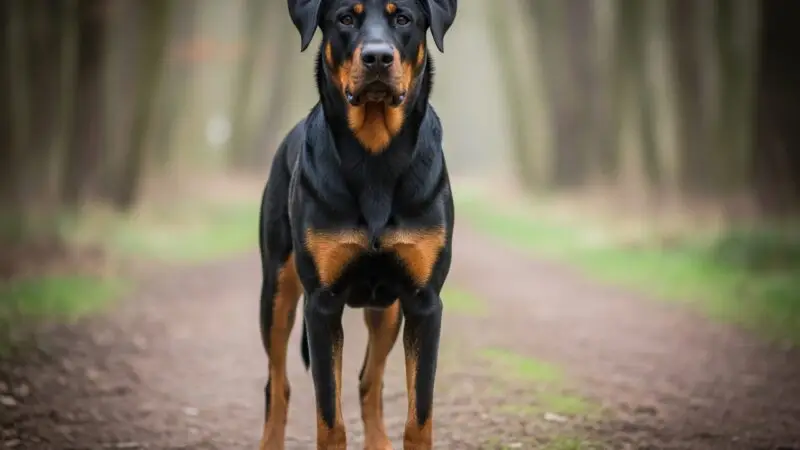
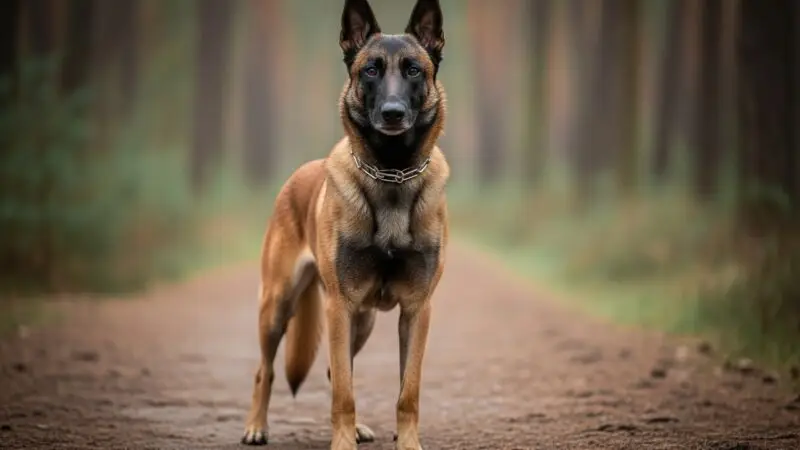
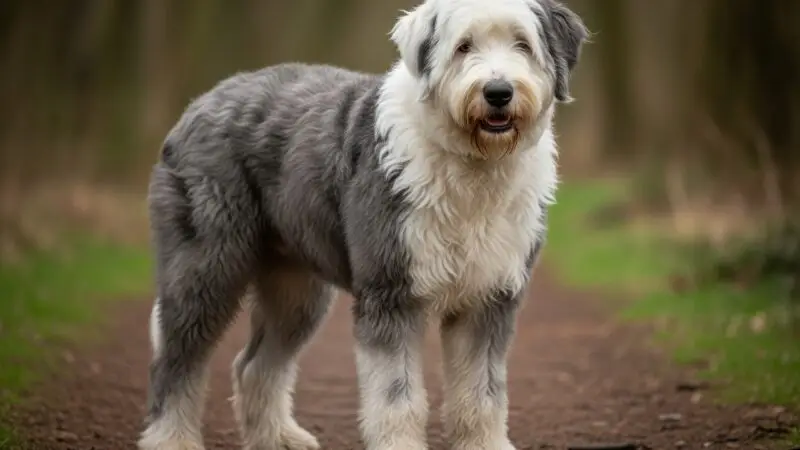
Similar breeds and how they differ
10Line reality
Show line, working line, breeder market
The Dutch Shepherd is bred in three coat variants: short-haired, long-haired, and rough-haired. These variants are not separate lines in the sense of working versus show lines, but manifestations within the same standard. All three are subject to FCI Standard No. 223 with a working test requirement.
Unlike breeds such as the German Shepherd or the Belgian Shepherd Malinois, there is no pronounced split between show and working lines in the Dutch Shepherd. The breeding population remained historically small and functionally oriented, which has prevented strong divergence. This is a relevant difference: anyone acquiring a Dutch Shepherd from reputable breeding generally receives a dog with intact working instincts, regardless of the coat variant.
Regional differences do exist nonetheless: Dutch breeding lines are often more focused on protection work and police work, while German and Swiss breeders partly pursue broader usage goals. Anyone looking for a dog for specific sports disciplines should check the working test results of the parent animals and specifically ask the breeder which usage direction is pursued in the line.
11Health · Reality
What you need to plan for medically with your Dutch Shepherd
The life expectancy of the Dutch Shepherd is 12 to 14 years, a range typical for medium-sized working dog breeds. Reliable breed-specific mortality studies exist only to a limited extent due to the small breeding population.
Hip dysplasia (HD) is the most frequently documented orthopaedic disease in the breed. Reputable breeders have both parent dogs examined radiologically and publish the results. The Dutch Shepherd Club Germany e.V. (HSCD) mandates HD examinations as a breeding prerequisite. Elbow dysplasia (ED) is also examined, but occurs less frequently than HD.
Eye diseases, particularly progressive retinal atrophy (PRA), are documented in individual lines. An eye examination of the parent dogs by a specialist vet for ophthalmology is recommended before acquiring a puppy.
As a working dog with high physical strain, the breed shows an increased risk of soft tissue trauma; ligament and tendon injuries occur more frequently in intensively trained dogs than in less active breeds. Regular vet checks of the locomotor system are sensible for sportily kept dogs, at least once a year.
Overweight is less of a structural problem in this breed than in less active breeds, but can occur with keeping errors (too little exercise, too much food) and puts strain on joints and the cardiovascular system. Preventive examinations include: HD/ED screening of parents, eye examination, annual general check-up at the vet and dental check from the third year of life.
12Structured data
Health by the numbers
Prone to diseases
Hip dysplasia, progressive retinal atrophy (long-haired variant)
Recommended health tests
Hip X-ray, eye examination
13Myths ↔ Reality
What is often said incorrectly about this breed
Five myths, five realities, five sources.
„The Dutch Shepherd is like a German Shepherd, just slightly smaller.
Visual similarities exist, but character and work intensity differ significantly. The Dutch Shepherd shows a higher degree of independence and has been selected more consistently for working performance than many modern lines of the German Shepherd. Anyone choosing based on external similarity considerably underestimates the requirements profile.
„With enough exercise in the garden, the Dutch Shepherd is sufficiently stimulated.
A garden replaces neither structured work nor mental stimulation. The FCI Standard describes the breed as intelligent, active, and endowed with great stamina. Free exercise without a task regularly leads to frustration and loss of control in this breed. Utility dog sports, nose work, or protection work are not extras; they are basic needs.
„Dutch Shepherds are aggressive and unsuitable for families.
The FCI Standard describes the breed as loyal, reliable, and cooperative. Guarding instinct and vigilance towards strangers are typical of the breed; this is not a sign of aggressiveness but of genetically ingrained working behaviour. In structured families with experienced owners and clear rules, the breed can be well integrated. What matters is leadership competence, not the family structure.
„The breed is so rare that you hardly find a reputable breeder.
The breeding population is indeed smaller than in popular shepherd dog breeds, but organised breeding clubs exist in Germany, Switzerland, and the Netherlands. The Dutch Shepherd Club Germany e.V. and the Swiss Club for Dutch Shepherds SCHS maintain active breeding lines with working test requirements. Waiting times for puppies are real, but this is a quality feature, not a deficiency.
„A Dutch Shepherd from an animal shelter is always a problem dog.
Many Dutch Shepherds end up in shelters because owners have underestimated the requirements profile, not because the dogs are defective. Specialised utility dog rehoming organisations professionally accompany the rehoming process and assess the suitability of the new owners. A dog from a rehoming organisation can be a fully valuable alternative to a puppy if the owner has suitable experience.
14animal welfare
The animal welfare perspective
Breeder market, designer versions, animal shelter reality: what no one writes in the puppy ad.
The Dutch Shepherd regularly ends up in rescue stations, not because the breed is problematic, but because the requirements profile is systematically underestimated. Specialised working dog rehoming organisations report that a considerable proportion of surrendered dogs come from households that had not factored in the daily time commitment and the necessary handling competence.
Backyard breeders and dubious providers exploit the growing popularity of Shepherd dog breeds in general. Dutch Shepherds are occasionally offered without proof of working tests for the parents, without HD screening and without club membership, at prices that appear attractive at first glance. Anyone buying a puppy for under 1,500 euros without pedigree entry and without health certificates for the parents bears the risk of significant follow-up costs and a dog whose working traits and health have not been checked.
Designer versions or crosses with the Dutch Shepherd as a marketing term exist on the fringes of the market. These dogs bear the name without meeting the breeding prerequisites. An FCI pedigree entry and the breeder's membership in a recognised breed club are the most reliable quality indicators.
Rehoming an adult Dutch Shepherd from a specialised rescue station is a fully valid alternative to a puppy, especially for experienced owners. Adult dogs already show their character clearly, and specialised rehoming organisations carefully assess the suitability of interested parties. Former service dogs from the police or customs are also rehomed when they retire from active duty. These dogs are well-trained but require owners with corresponding experience and structure.
15Costs · Transparency
What this breed realistically costs
A puppy from reputable breeding with FCI papers, HD screening of the parents and club membership of the breeder costs between 1,500 and 2,500 euros in Germany and Switzerland. Offers significantly below this without certificates are a warning signal.
The annual keeping costs for an actively kept Dutch Shepherd are typically between 2,000 and 3,500 euros. Food for a medium-sized working dog with a high activity level amounts to 600 to 1,200 euros per year, depending on food quality and body weight. Grooming effort varies by variant: the rough-coated variant requires regular trimming, which can incur professional grooming costs of 200 to 400 euros annually.
Vet costs for basic care (vaccinations, parasite prevention, annual examination) are between 300 and 600 euros per year. For orthopaedic problems (HD, soft tissue trauma), individual treatments can cost 500 to several thousand euros. Pet health insurance or a pet health account is recommended; monthly premiums range from 40 to 90 euros depending on the provider and scope of benefits. Working dog sport membership and training fees add another 200 to 500 euros annually.
16Puppy search
What you need to consider when choosing a breeder
- A reputable breeder of Dutch Shepherds is a member of a recognised breed club, in Germany the Holländischer Schäferhund Club Deutschland e.V.
- (HSCD), and in Switzerland the Schweizerischen Club Holländischer Schäferhunde (SCHS).
- Both clubs mandate health examinations for breeding animals, including HD X-rays and eye examinations.
- Before buying a puppy, you should review the results of the HD and ED examinations of both parent dogs in writing, not just verbally.
- A breeder who does not provide these documents is not a suitable contact.
- Visit the litter at least once before collection and observe how the puppies react to people and how the mother is kept.
- Waiting periods of several months are normal for this breed and not a disadvantage; they indicate that breeding is not done for stock.
- Be wary of offers with immediate availability without club membership.
- Adopting an adult Dutch Shepherd through specialised working dog rescue stations is an equally valid option.
- Adult dogs already show their character, and experienced owners can assess suitability better than with a puppy.
- No named breeder recommendations; the breed clubs maintain current breeder lists on their websites.
FAQ
Frequently asked questions about the Dutch Shepherd
Is Dutch Shepherd suitable for beginners?
Dutch Shepherd is only suitable for first-time dog owners to a limited extent and is better suited to people with dog experience.
Is Dutch Shepherd a family dog?
Dutch Shepherd is considered suitable for families with good socialisation and species-appropriate care.
How much exercise does Dutch Shepherd need?
At least around 120 minutes of exercise per day. As an active breed, more so — plus mental stimulation.
Does Dutch Shepherd suit an apartment?
Dutch Shepherd needs more space and plenty of exercise and feels less comfortable in an apartment.
What is the size and weight of Dutch Shepherd?
Fully grown, Dutch Shepherd reaches about 55–62 cm at the withers and weighs around 25–40 kg.
What is the life expectancy of Dutch Shepherd?
The life expectancy of Dutch Shepherd is approximately 12–14 years.
Which diseases are common in Dutch Shepherd?
Hip dysplasia, progressive retinal atrophy (long-haired variant)
Participate
Do you have a good photo of your Dutch Shepherd?
We are looking for expressive images for our breed profiles. Submit yours; the editorial team reviews every submission before publication.
Does this breed suit you?
Alongside Malinois and GSD: the third major European shepherd in police service. Extremely work-oriented.