




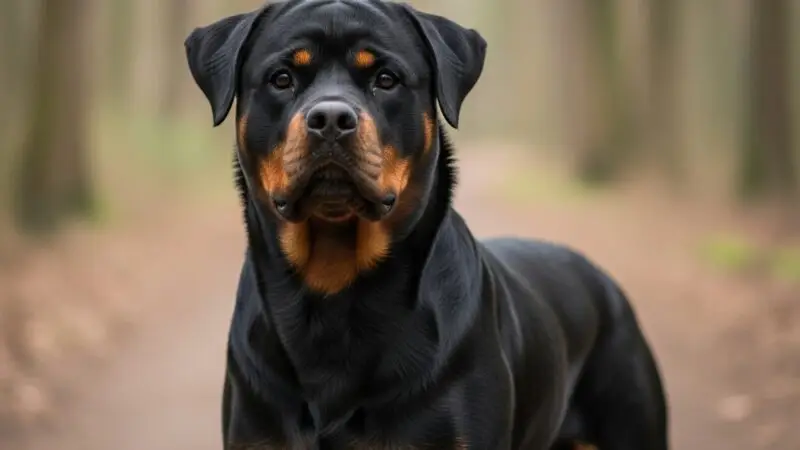
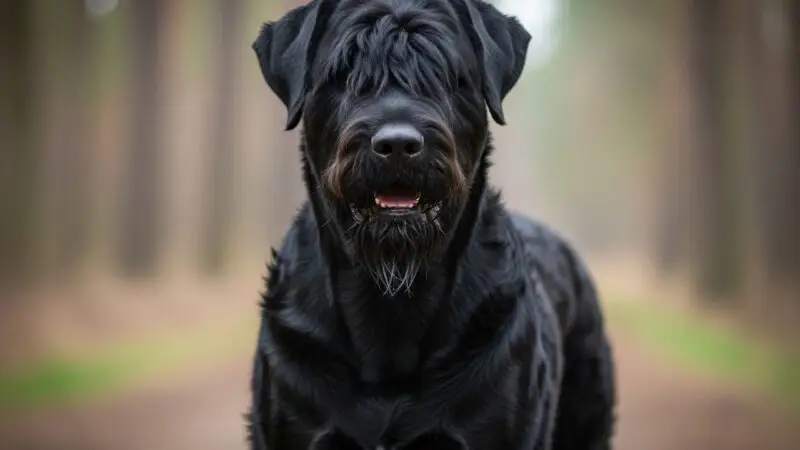
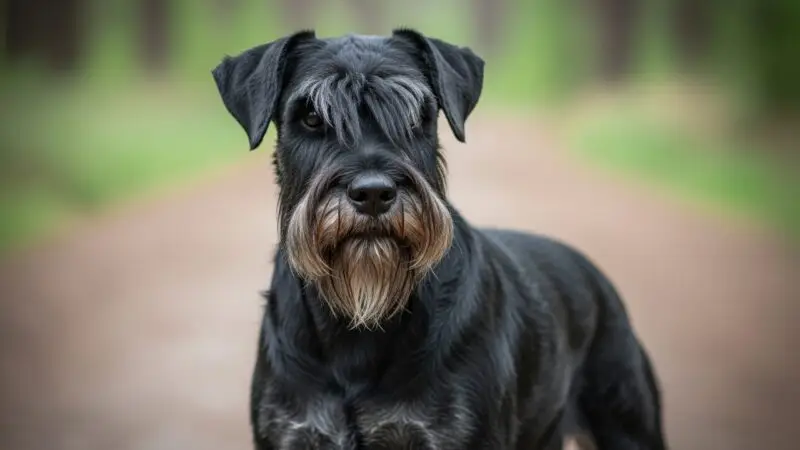
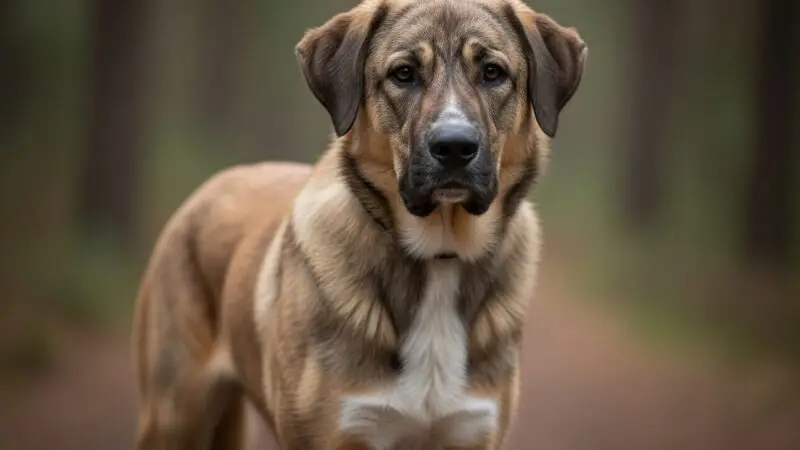
What unites FCI Group 2
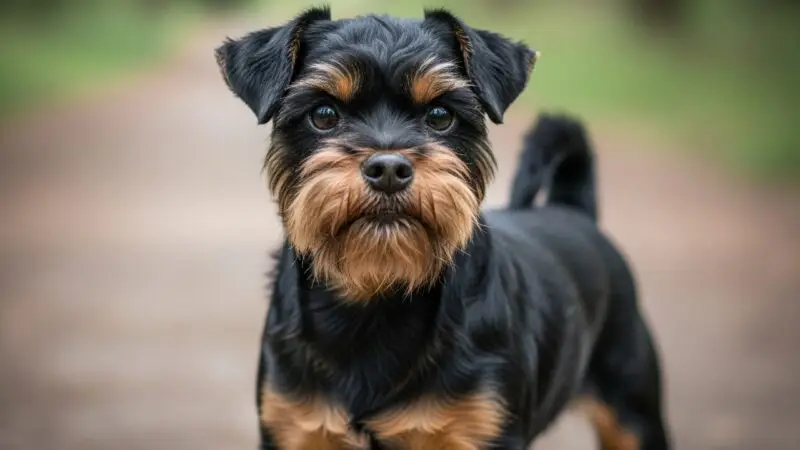
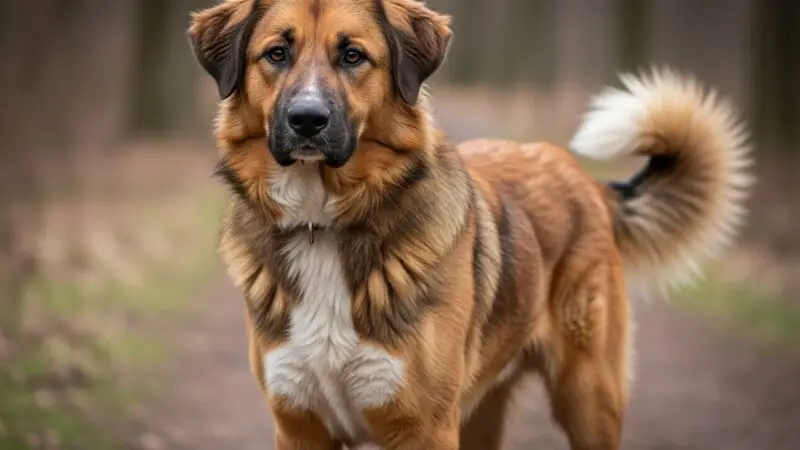
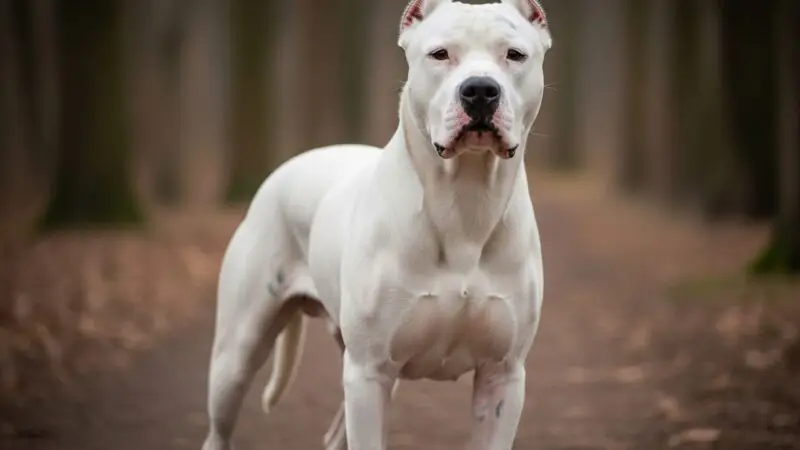
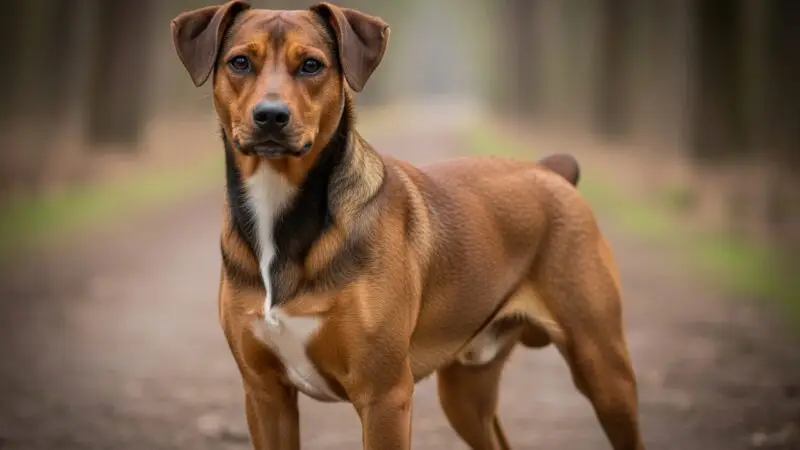
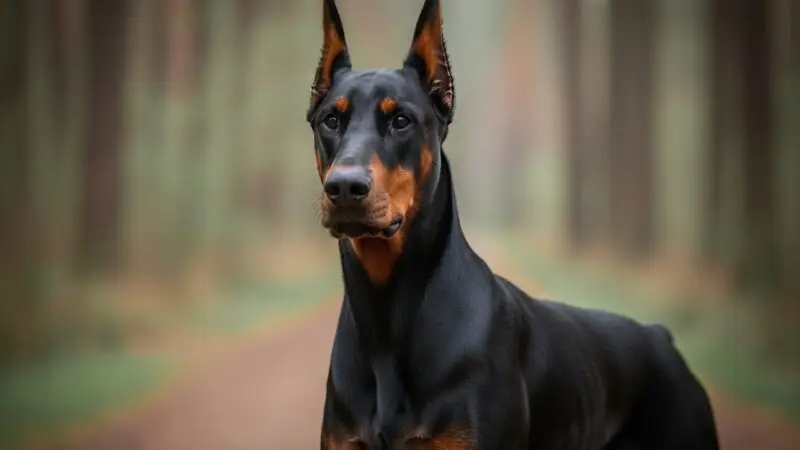
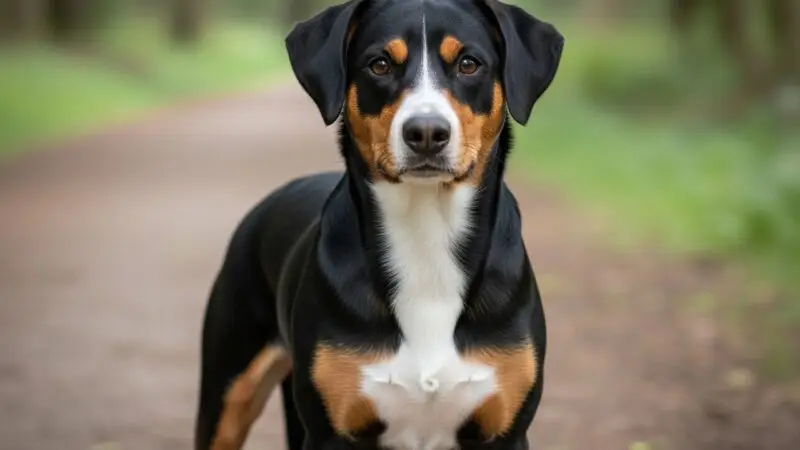
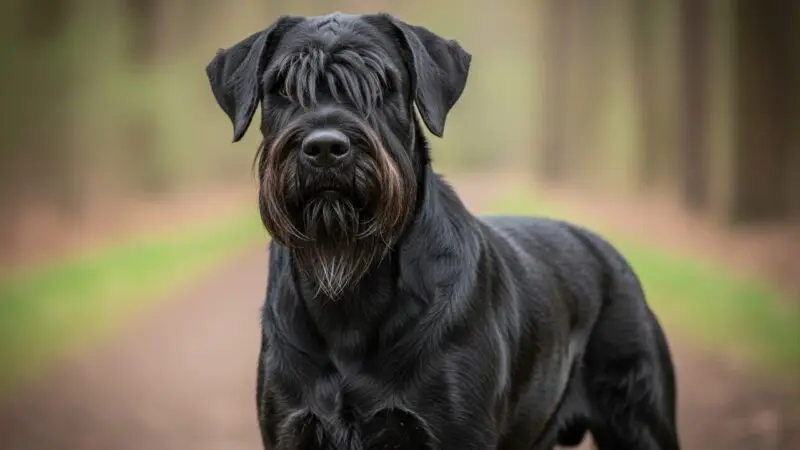
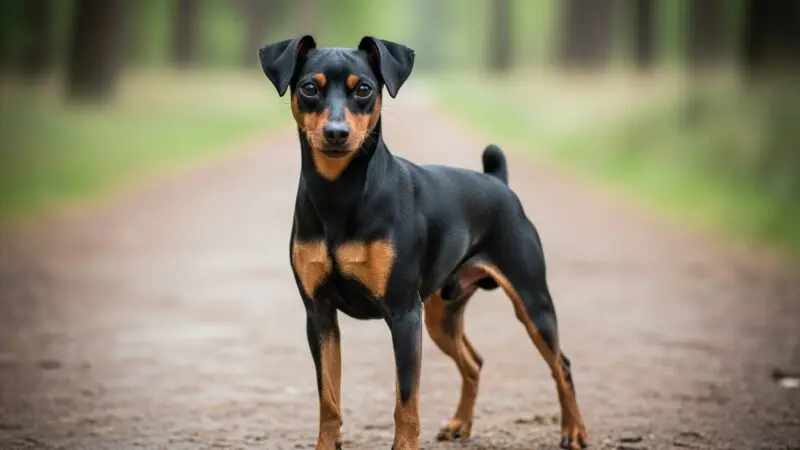
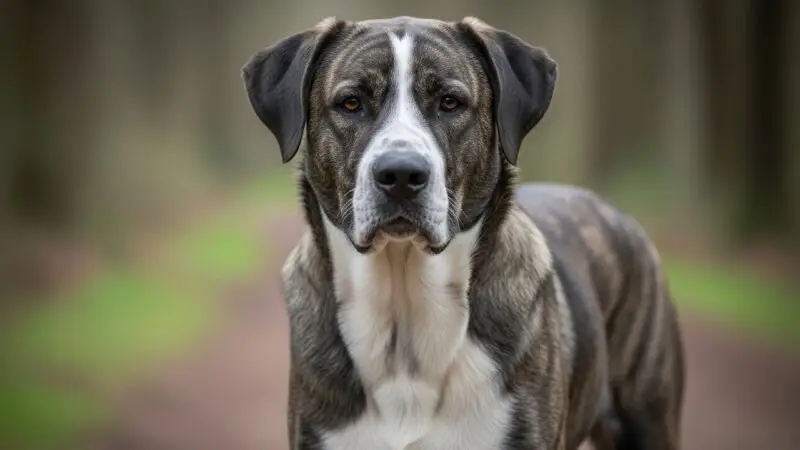
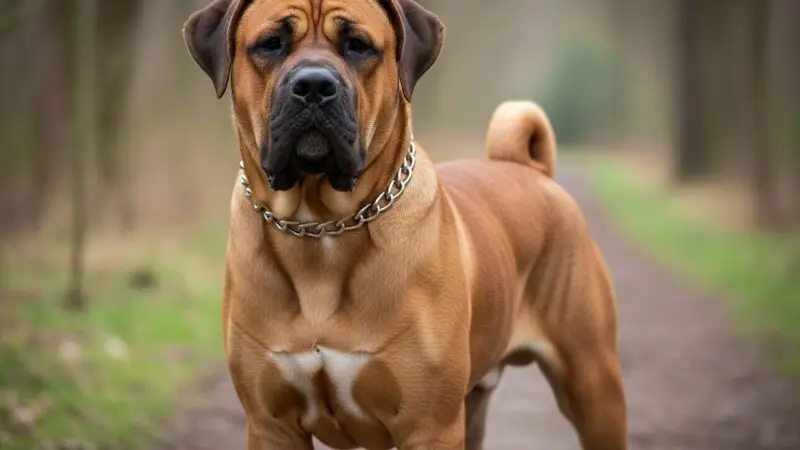
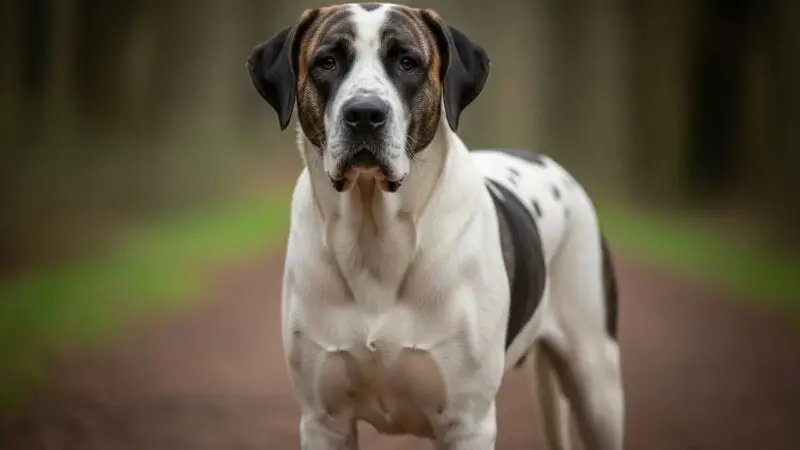
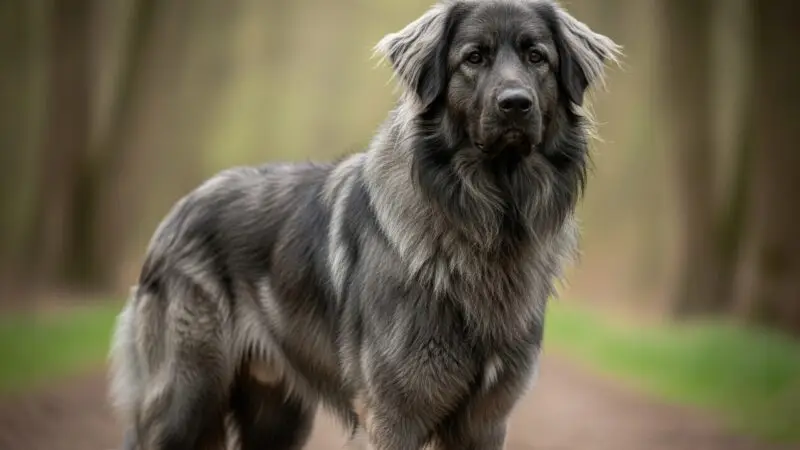
FCI Group 2 is the largest and most heterogeneous group in the FCI system. It comprises three clearly defined sections: Pinschers and Schnauzers (Section 1), Molossoid breeds (Section 2), and Swiss Mountain Dogs (Section 3). What unites them is not their appearance – the range extends from the 4-kilo Miniature Pinscher to the 80-kilo Great Dane – but their original function as guard, protection, and working dogs.
In total, over 50 dog breeds belong to this group. Germany is the standard-setting country for numerous breeds: Doberman, Rottweiler, Great Dane, Giant Schnauzer, and Boxer all have German origins – making FCI Group 2 one of the most significant German breeding groups.
The three sections in detail
Pinschers and Schnauzers
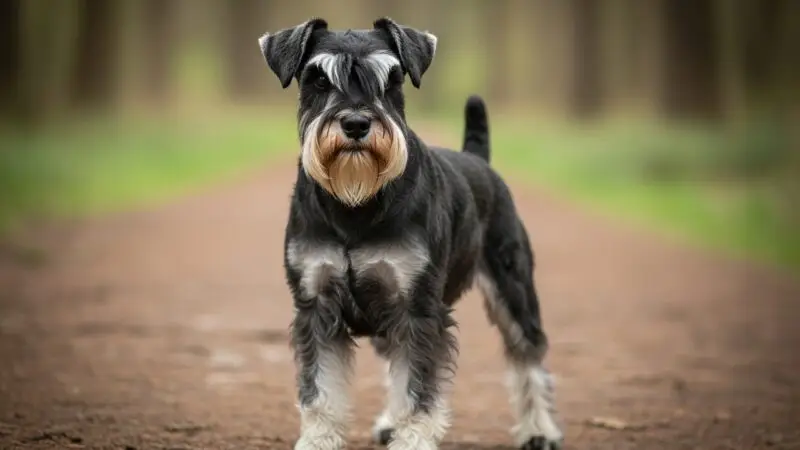
Despite belonging to the same section, Pinschers and Schnauzers are not relatives in the genetic sense – they were bred for different purposes. The Schnauzer originally worked as a farm dog and ratter; its wiry coat is a functional adaptation to harsh working conditions. The German Pinscher served as a guard and companion dog – more slender in form, but by no means in personality. Doberman and Miniature Pinscher share a group within the section that seems absurd at first glance given their physical differences – united by temperament and sharpness.
Molossoid breeds
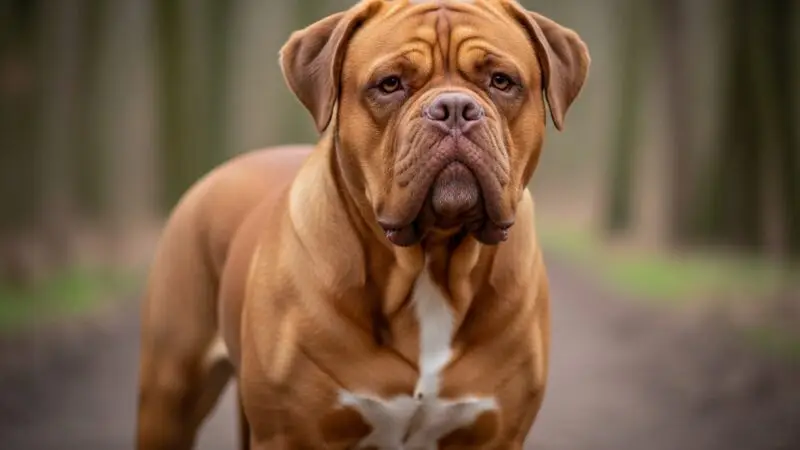
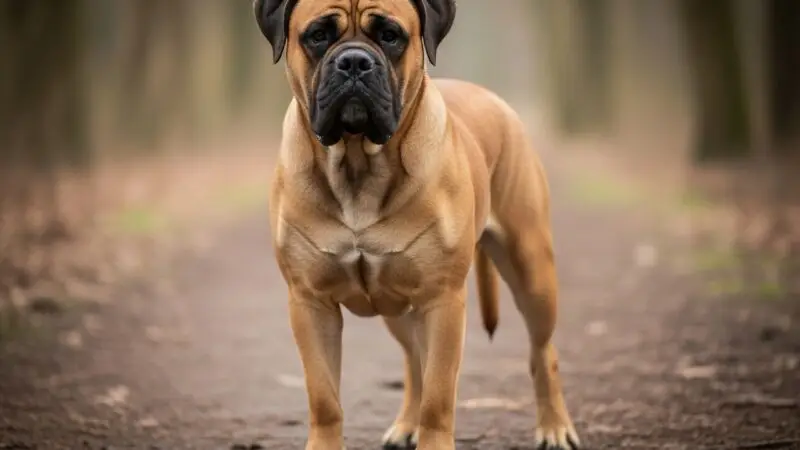
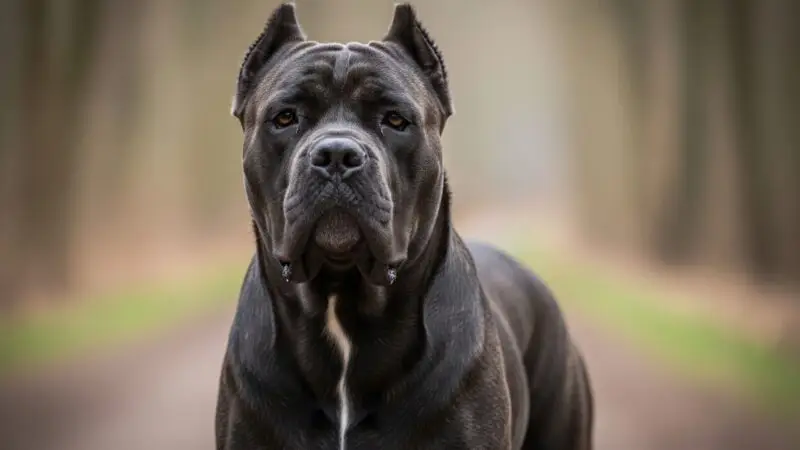
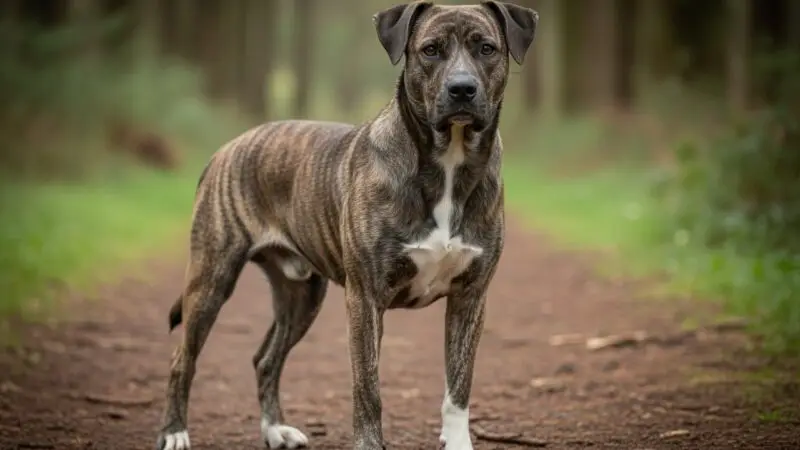
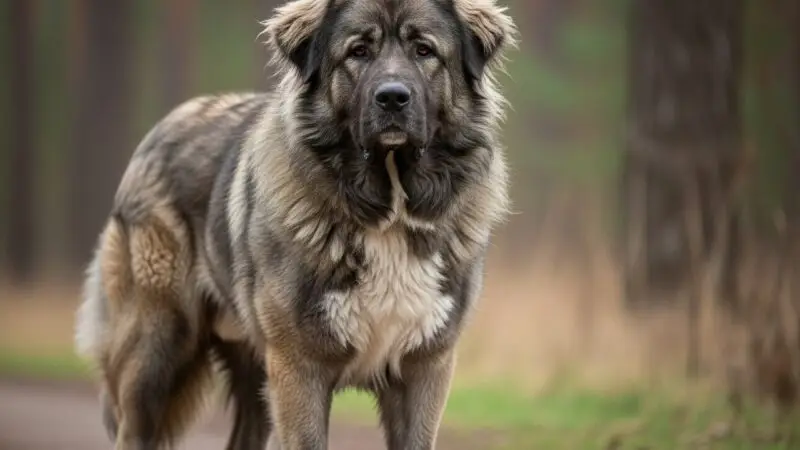
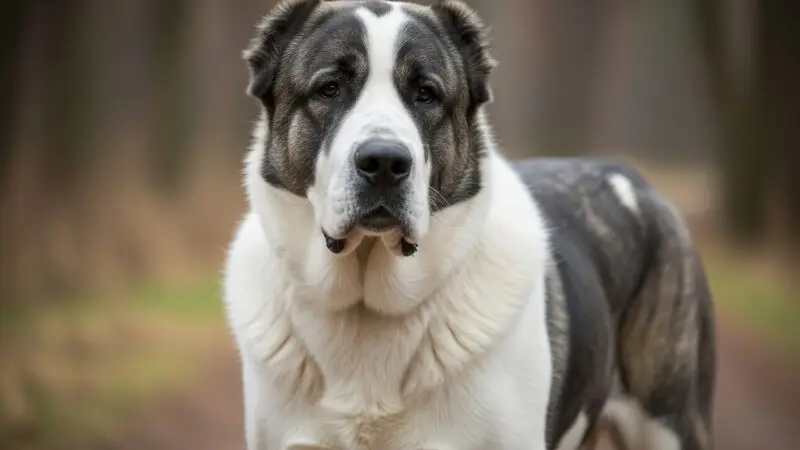
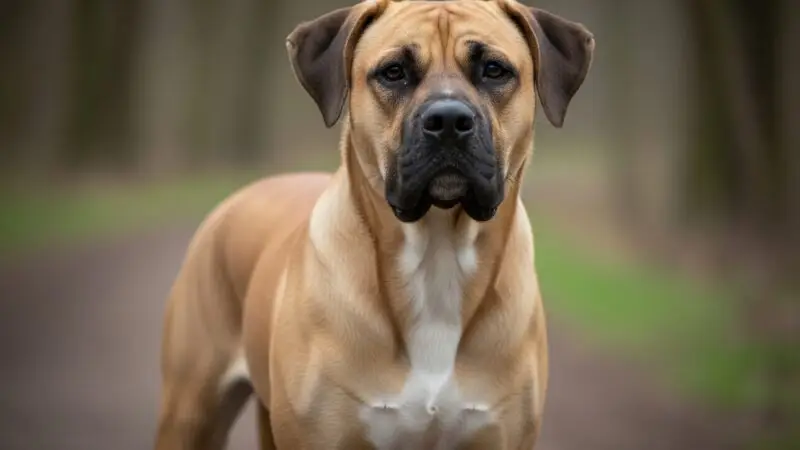
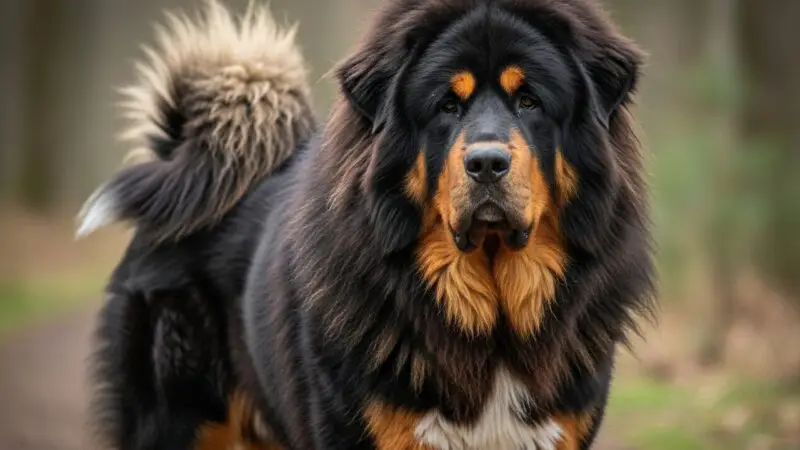
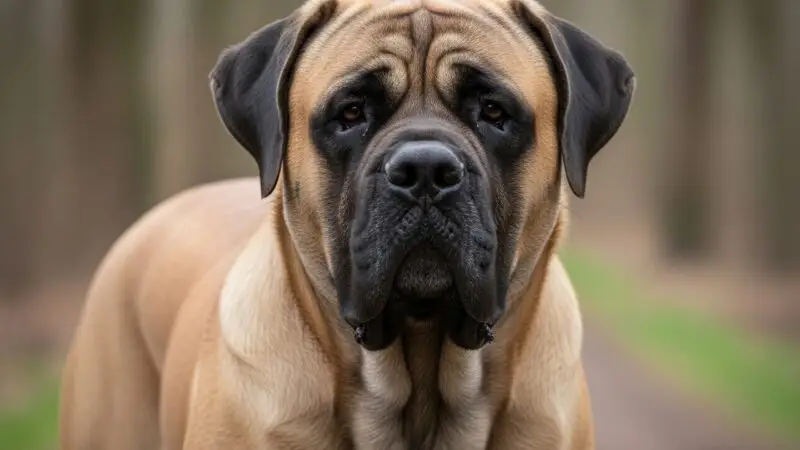
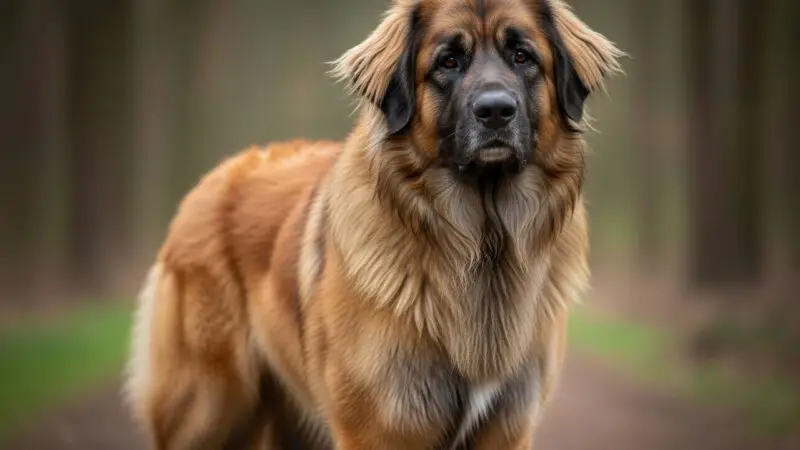
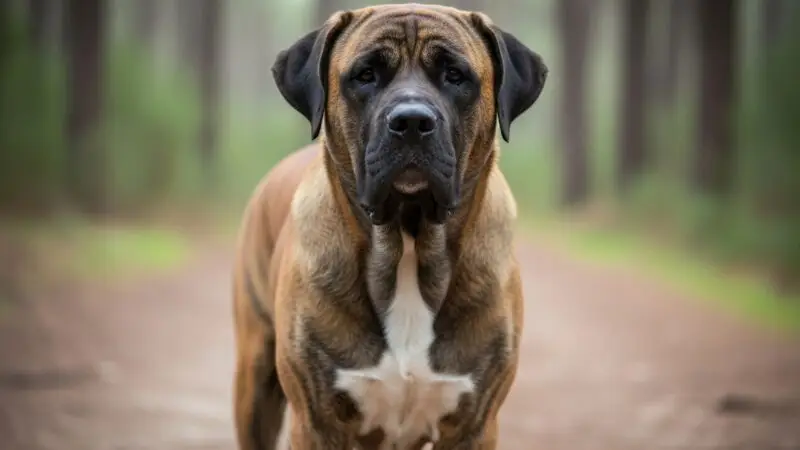
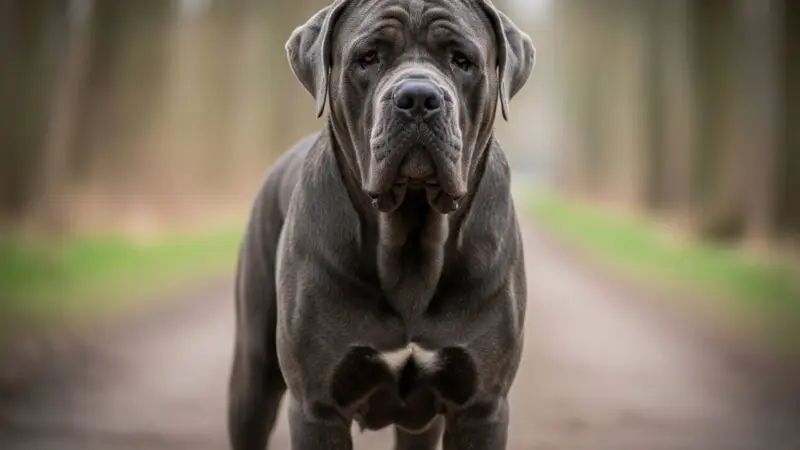
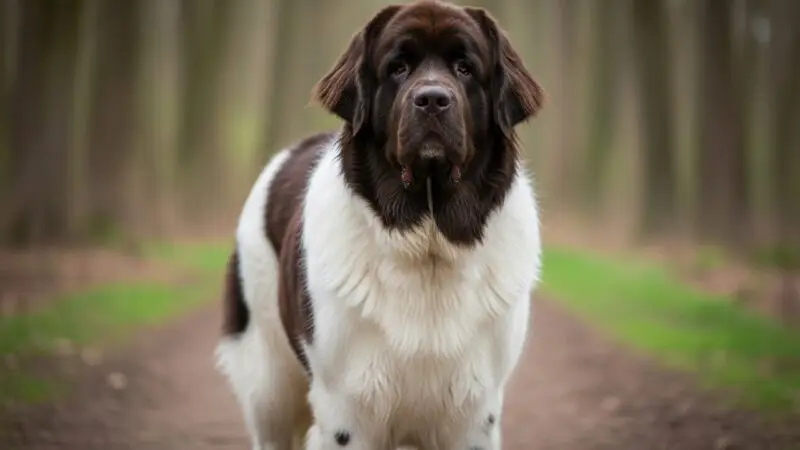
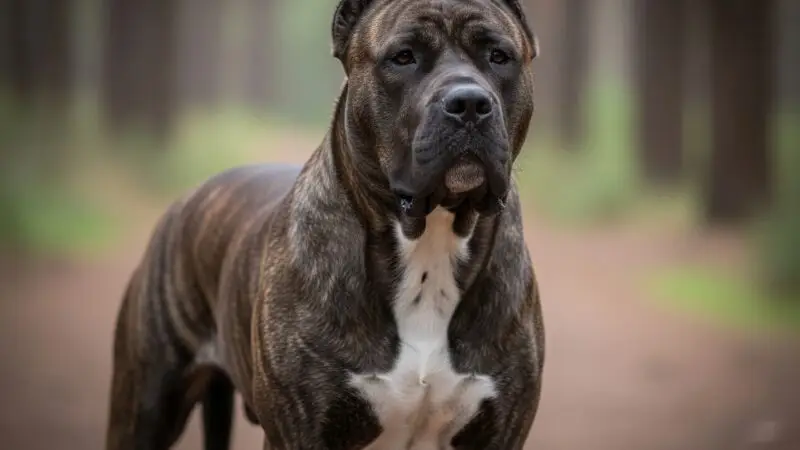
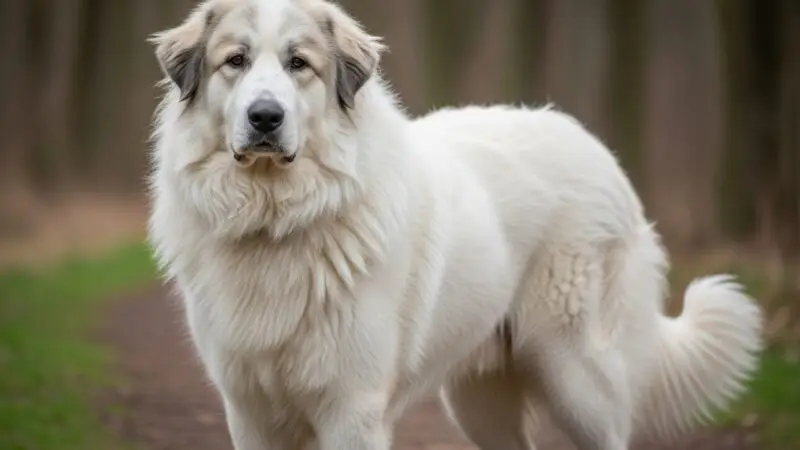
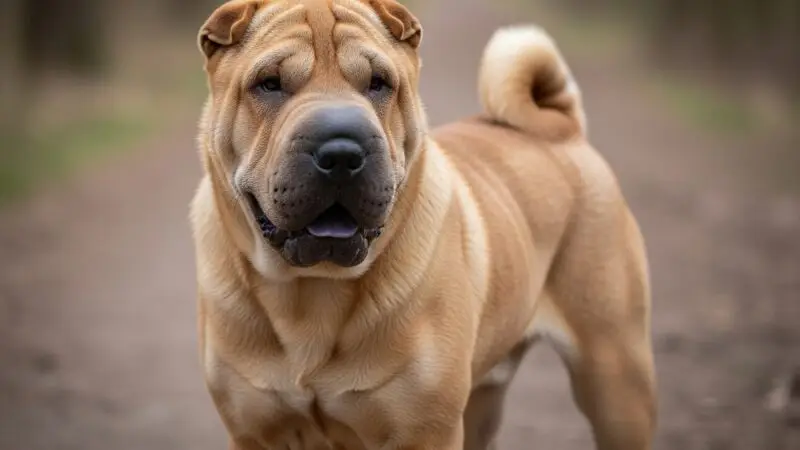
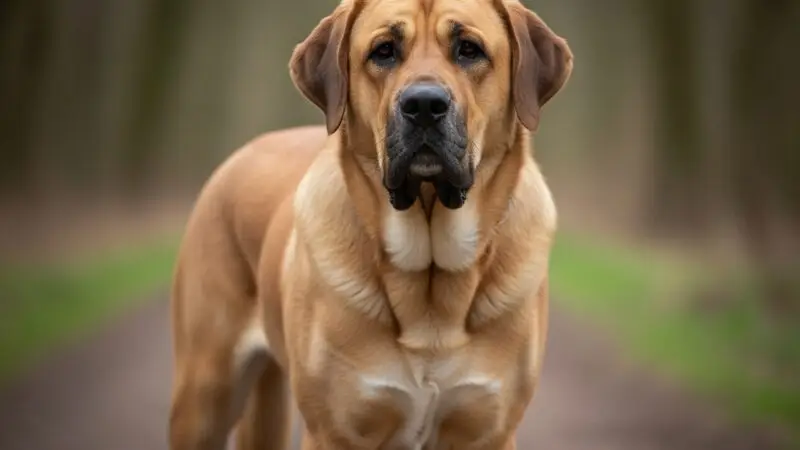
The Molossoid breeds are the oldest dog type group in the world. Their origins date back to antiquity: Assyrians, Greeks, and Romans employed large, muscular dogs for big game hunting and livestock protection. Today, the section comprises over 37 breeds – from the Newfoundland as a water-loving rescue dog to the Kangal as a Turkish livestock guardian dog. What unites Molossoid breeds is a sturdy build, a natural readiness to protect, and pronounced independence in decision-making.
Swiss Mountain Dogs
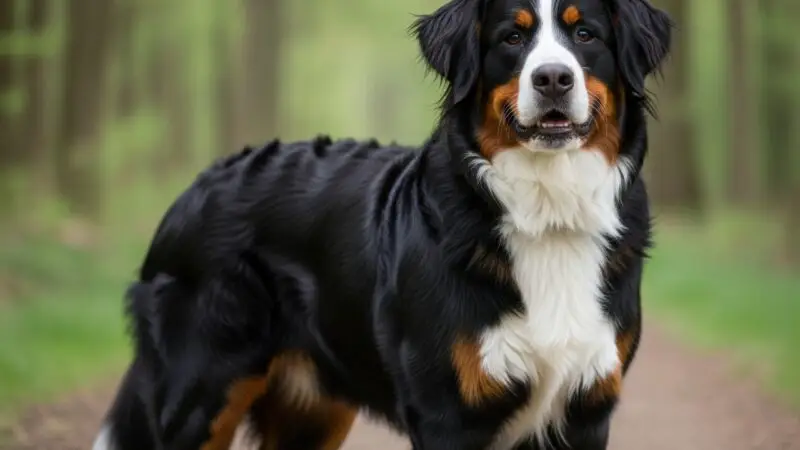
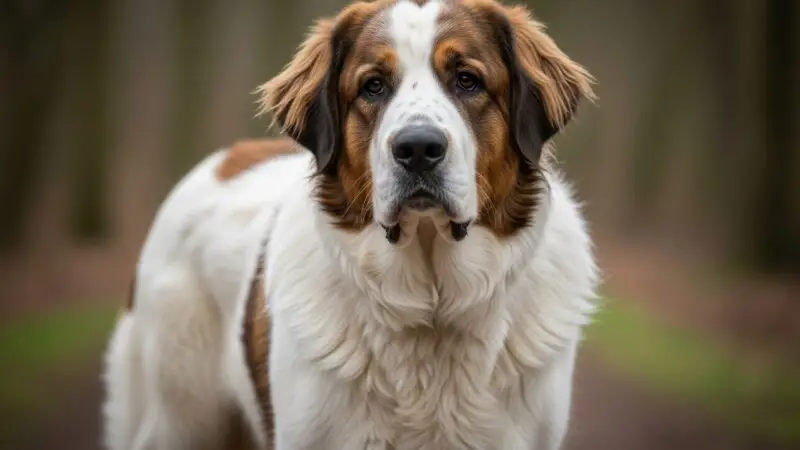
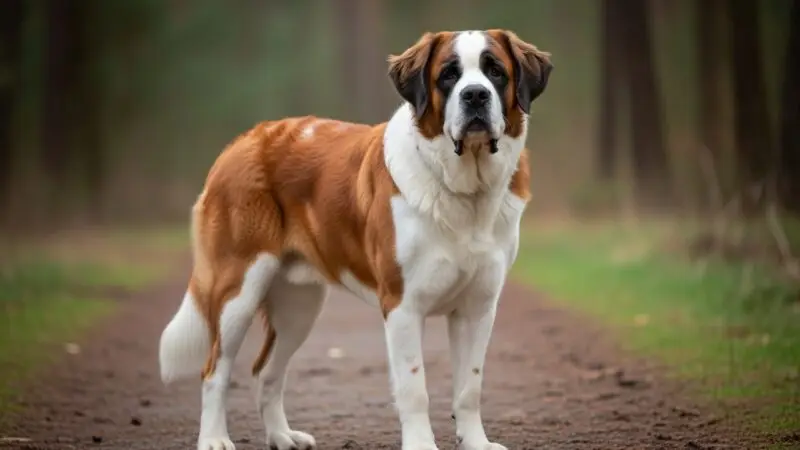
Bernese Mountain Dog, Appenzeller, Entlebucher, and Greater Swiss Mountain Dog – based on their function, these four breeds could just as well have fit into Group 1; they are working animals with driving and pulling functions. Nevertheless, the FCI assigned them to Group 2. In everyday life, Swiss Mountain Dogs are more family-oriented than many Molossoid breeds, but they retain a pronounced work drive and require actual tasks – decorative enrichment is not enough.
Common mistakes – and what really helps
You do not buy a Molossoid breed because of its appearance. This sounds like stating the obvious – but it is the most common mistake made by buyers of this group. A Rottweiler that is a balanced, reliable dog with an experienced dog owner can become a serious problem for an overwhelmed first-time dog owner. Not because it is mean, but because its protective instinct finds no direction without clear structure.
An equally widespread misconception concerns Swiss Mountain Dogs: The Bernese Mountain Dog appears to many people as the quintessential cosy family dog. It is social, fond of children, and patient. But it is also a working dog that becomes apathetic when under-utilised or reacts to under-stimulation with repetitive behaviours. Those who can provide two hours of structured enrichment daily will find an exceptional companion dog. Those who cannot should be honest about it.
Breeding for harmful traits (Qualzucht) and listed dog status: What you need to know
In no FCI group do problems related to breeding for harmful traits (Qualzucht) and legal restrictions accumulate as they do in Group 2. On the one hand, there are breeds listed under the listed dog ordinances in several German federal states and Swiss cantons: Rottweiler, Mastino Napoletano, Dogo Argentino, Fila Brasileiro. On the other hand, there are breeding-related health issues that have long been considered critical by veterinarians.
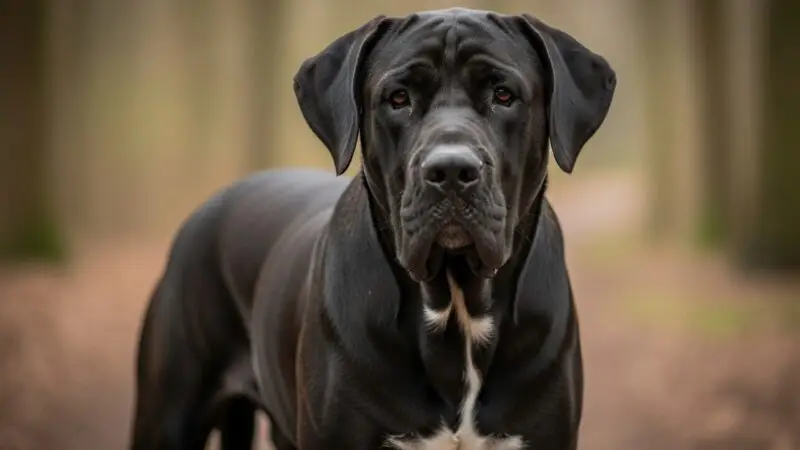
The Great Dane deserves particular mention here. The Federal Association of German Veterinary Chambers explicitly classifies its giant stature as a potential indicator of breeding for harmful traits (Qualzucht), as it is associated with a drastically reduced life expectancy (6–8 years) and early-onset joint diseases. The effect of anglicisation is measurable: over the past 80 years, the average weight of the Great Dane has nearly doubled – selection for size has displaced selection for health. The merle factor emerges as another problematic breeding trait and can lead to deafness and blindness in Great Dane lines.
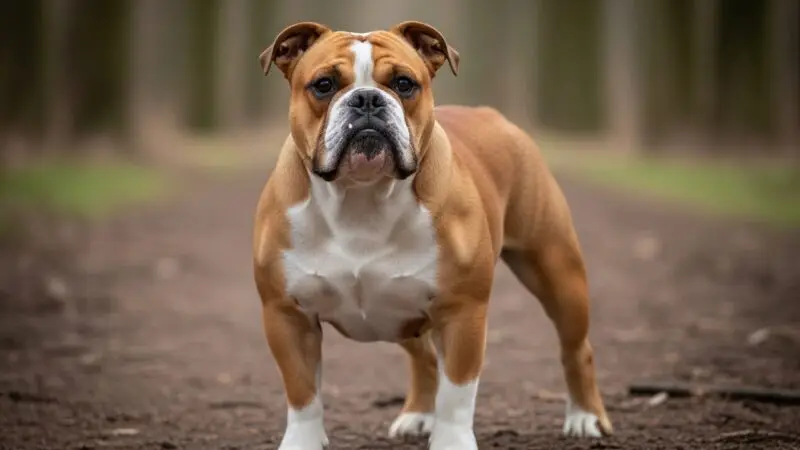
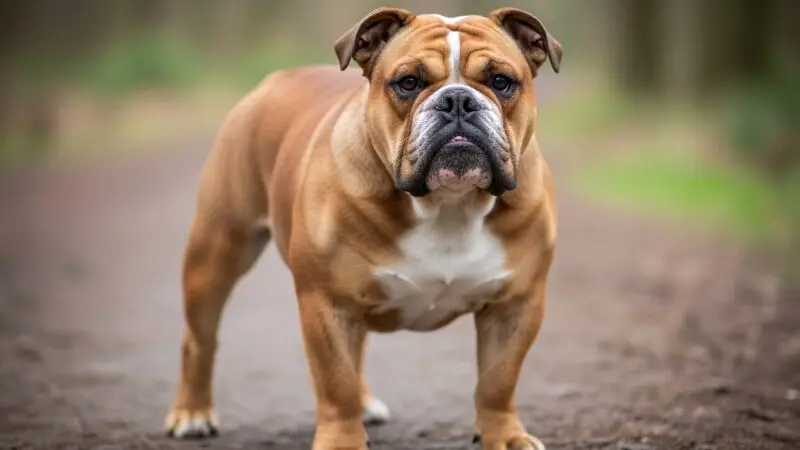
In Boxers and English Bulldogs (also Group 2), brachycephaly is the central issue. Both breeds are among those most frequently affected by brachycephalic obstructive airway syndrome (BOAS). Anyone buying a Boxer should have it examined for Brachycephalic Obstructive Airway Syndrome – and prefer breeders who actively select for longer muzzles.
When do you need professional support?
Breeds from FCI Group 2 – particularly molossoids – require a clear training framework from the very beginning. If a Rottweiler or Doberman shows early signs of resource guarding or uncontrolled reactivity as a puppy, immediate intervention by an experienced trainer is crucial. The larger and stronger the dog, the greater the consequences of failing to provide adequate training.
Veterinarians with experience in giant breeds and brachycephalic dogs are not optional for owners of Great Danes, Boxers, and Swiss Mountain Dogs – they are essential. You can find a certified dog trainer or breeder near you in our directory.
Frequently Asked Questions
Which FCI Group 2 breeds are classified as restricted breeds?
The status of a restricted breed is regulated at the state level in Germany: Rottweilers, Bullmastiffs, Mastino Napoletano, Dogo Argentinos, and Fila Brasileiros are relevant nationwide in several federal states. In Switzerland, the legal situation varies by canton – anyone keeping a molossoid must check the regulations of the respective canton, as they differ significantly.
How long do molossoids like the Bernese Mountain Dog live?
Bernese Mountain Dogs reach an average age of 7–9 years – one of the lowest life expectancies among family dogs. Cancer, particularly histiocytic sarcoma, is genetically ingrained in the breed and is the most common cause of death. Reputable breeders maintain cancer registries and actively select against affected lines.
Are Pinschers and Schnauzers difficult to train?
Pinscher breeds are intelligent, determined, and decisive – which in practice means that without consistent leadership, they develop their own rules. Schnauzers are somewhat more cooperative but retain their guarding instinct. Both types learn quickly and forget slowly – which applies equally to errors in training as it does to correctly demonstrated behaviour.
What examinations do I need when buying a Doberman?
Dilated cardiomyopathy (DCM) is the most significant hereditary disease in Dobermans – a heart condition that often only appears in middle age and can lead to sudden cardiac death. Reputable breeders regularly test parent dogs for DCM and provide proof of these tests. Von Willebrand factor deficiency (tendency to bleed) and thyroid problems are also relevant.
Is a Rottweiler suitable for families?
A Rottweiler with an experienced, consistent dog owner who has the time and expertise is a loyal, balanced family dog. Without these prerequisites, it is too much of a challenge for everyone involved. The question is therefore not whether Rottweilers can be family dogs – but whether the family has a household suitable for a Rottweiler.