4 sourcesUpdated September 11, 2026Responsible editor: Roger KleinText: Miriam Schäfer
01Summary
In a paragraph
If you only have 30 seconds.
The Affenpinscher is a small, rough-haired Pinscher from Germany with an unmistakably monkey-like facial expression and a temperament that far exceeds its body size. It requires consistent guidance, regular mental stimulation and an owner who respects its independence without leaving it unchecked. Anyone who meets these conditions will receive a vigilant, long-lived companion with a pronounced personality.
02Introduction
What makes the Affenpinscher special
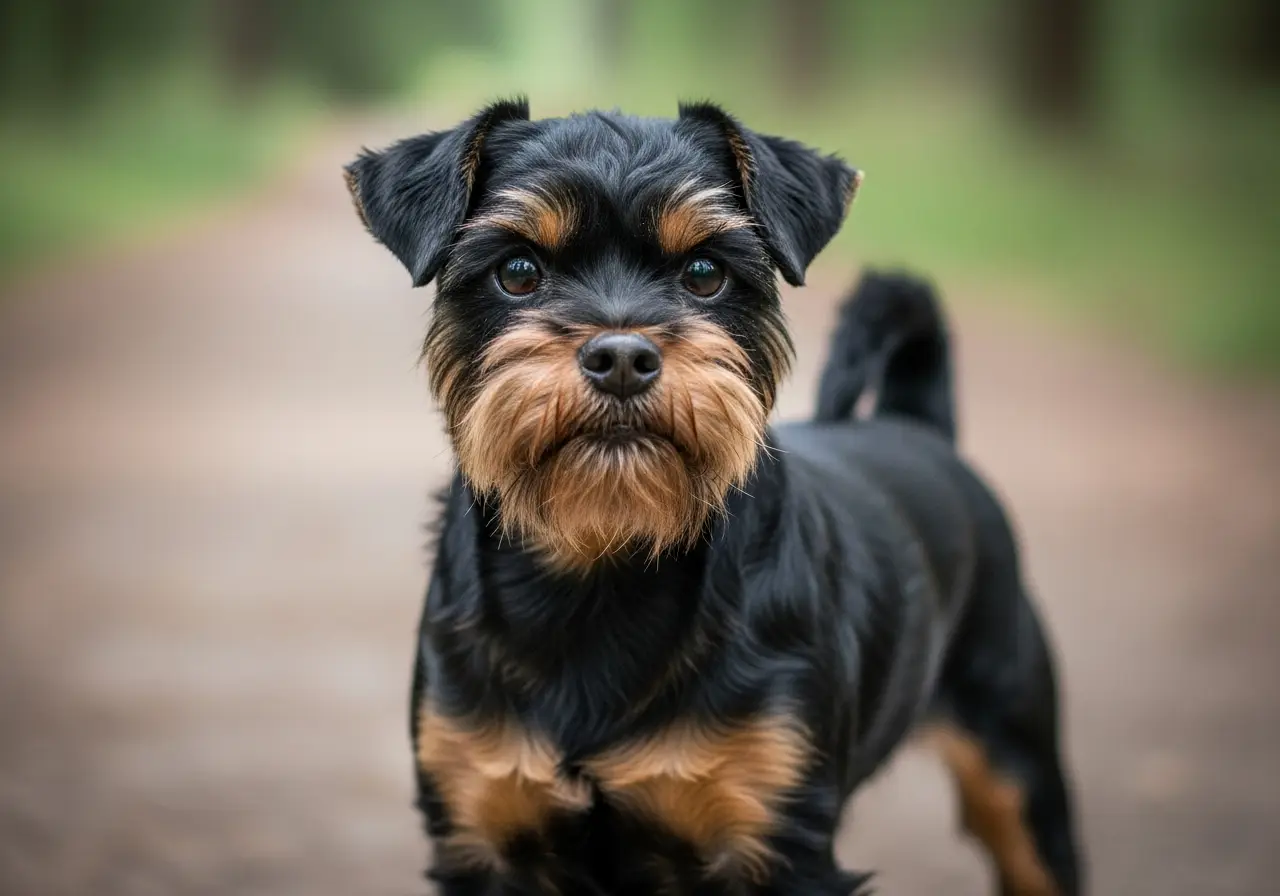
The Affenpinscher is a small, lively Pinscher from Germany with an unmistakably "ape-like" face, FCI Group 2, height at withers 25–30 cm.
03Profile
Key facts and suitability
- Origin
- Deutschland
- Original purpose
- Rat catcher, companion dog
- FCI
- No. 186 · Group 2 · Section 1
- height at the withers
- 25–30 cm
- Weight
- 3–6 kg
- Life expectancy
- 12–15 Years
- Coat type
- Wire-haired
- Minimum exercise
- 30 min/day
- Puppy price
- 1'000–2'000 CHF
- Waiting period
- 6 months
- Sports
- Agility · Obedience
04Temperament
How the Affenpinscher shows up in everyday life
When you return home, the Affenpinscher reliably announces your arrival, not out of nervousness, but due to a pronounced sense of watchfulness. It registers changes in its surroundings early and reacts with attention. This trait makes it a reliable indicator, but can lead to excessive barking if guidance is inconsistent.
In everyday life, its needs at home and its behaviour towards others are clearly distinguishable. At home, the Affenpinscher requires close integration into family life, regular mental work and clear structures; its need for social contact is high, it wants to be involved, not just present. Towards strangers, it behaves in a reserved or waiting manner. This reserve is not a sign of fear, but breed character. Anyone who expects the dog to be sociable with every visitor because it is closely bonded to the family confuses these two sides of its character.
On the walk, it shows interest in smells and environmental stimuli, but remains attentive to its primary caregiver. The prey drive towards small animals is present, so off-leash walking without a secure environment requires caution. With other dogs, it acts confidently, especially if early socialisation was patchy.
At home, it actively seeks proximity to its primary caregiver. Being left alone must be built up gradually and consistently; otherwise, the close bond can lead to separation stress. It responds well to short, clear training sessions with positive reinforcement; pressure or harshness create resistance. An owner who respects its stubbornness while setting clear boundaries will have a cooperative, alert companion.
05Needs
What this breed needs daily
The Affenpinscher needs two to three structured walks daily. Its exercise requirement is moderate; pure physical stimulation is not the main focus. Mental enrichment is more important: nose work, trick training and short obedience units cover its high need for mental work and prevent undesirable control-seeking or guarding behaviour.
Keeping it solely in a garden without human interaction does not meet its needs. The Affenpinscher actively seeks proximity to its primary caregiver and wants to be included in the daily routine. Monotonous routines without variety lead to behavioural issues in the medium term.
Being left alone must be built up systematically and patiently. The maximum time alone is about four hours; beyond that, there is a risk of separation stress, which can manifest as barking or destructive behaviour.
Socially, it needs regular contact with its primary caregiver, as well as early and consistent socialisation towards strangers, other dogs and urban environmental stimuli. Anyone who does not systematically accustom it to various situations as a puppy or adolescent dog will reinforce its natural reserve towards the unknown.
The coat requires professional trimming several times a year. Additionally, regular dental care and checking the patella and respiratory tract are part of basic care. An owner who plans for these grooming requirements creates the foundation for a healthy, balanced animal.
Exercise
Low
mental work
A lot
Social needs
High
training
Medium
06Sport & Mental and Physical Stimulation
What sports the Affenpinscher is suited for
Realistic in terms of physiology and genetics. Not every breed suits every sport.
Structurally and physiologically suitable: not an endurance sport (brachycephaly / BOAS).
07Quick Check
08Suitability
Who this breed suits and who it doesn't
✓Matches
The Affenpinscher suits owners with dog experience who combine consistent guidance with calm composure. Specifically: people who can plan two to three structured walks daily, carry out regular short training sessions and enjoy nose work or trick training.
Suitable for single-person households or couples who actively integrate the dog into everyday life. Families with children from about eight years old are also an option, provided the children are trained in handling dogs and respect the Affenpinscher's stubbornness.
City living is possible if environmental stimuli are trained early on. A garden is not a must, but secure off-leash areas are important due to the existing prey drive.
Owners who are away for a maximum of four hours daily or can organise reliable care meet the requirements for its social bond. Anyone who enjoys having an alert, independent dog with a pronounced personality and is willing to actively shape its reserve towards strangers through early socialisation will find in the Affenpinscher a long-lived, loyal companion.
×Doesn't match
The Affenpinscher does not suit owners without dog experience who equate its small body size with low demands for guidance. Anyone who does not set boundaries consistently or avoids conflicts will be confronted with entrenched barking behaviour and control-seeking.
Not suitable for households where the dog regularly stays alone for longer than four hours and no alternative care exists. The close social bond makes it susceptible to separation stress.
Families with toddlers should carefully weigh the decision: The Affenpinscher does not tolerate unpredictable or rough interactions and reacts to boundary violations with self-initiative.
Anyone looking for a sociable, open dog that reacts friendly and relaxed towards strangers will be disappointed by its natural reserve. This reserve is not a training error, but breed character; it can be mitigated through socialisation, not eliminated.
Owners who offer only physical stimulation through long walks without planning for mental enrichment underestimate its need for mental work. People who have no interest in regular grooming through trimming should also consider another breed.
09Related
Similar breeds and how they differ
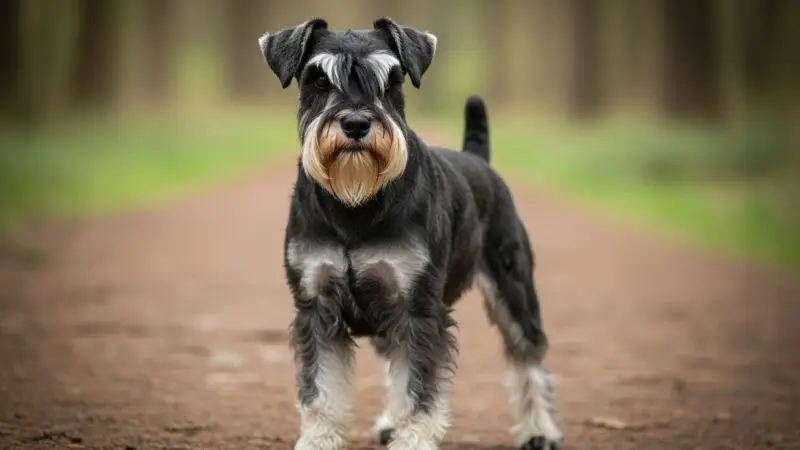
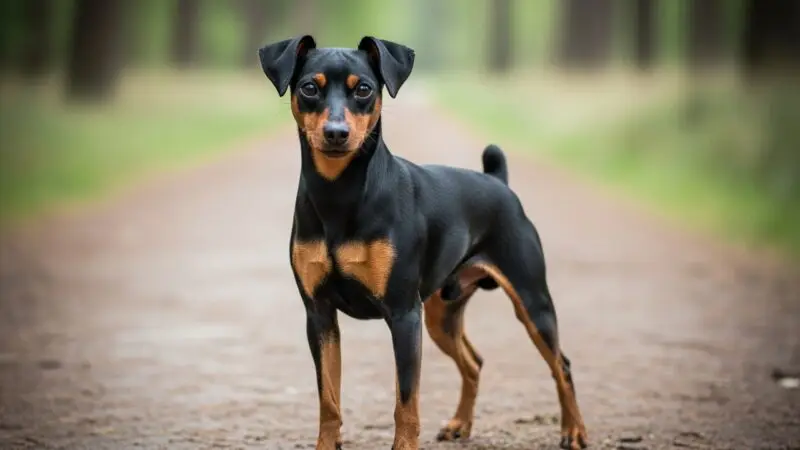
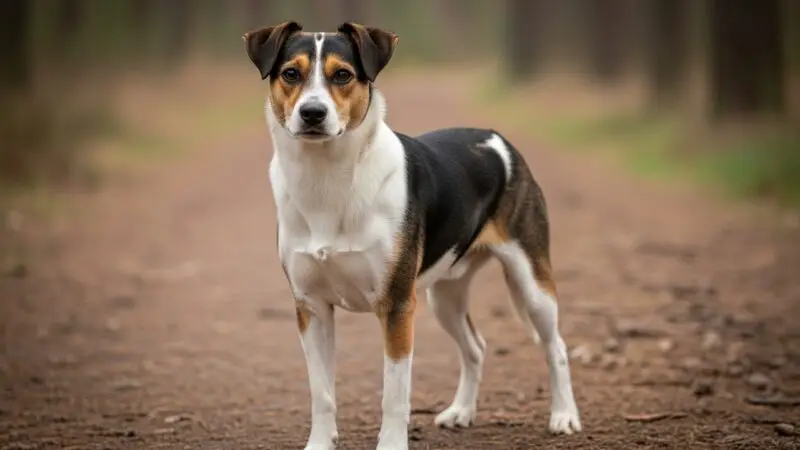
10Line reality
Show line, working line, breeder market
The Affenpinscher is bred exclusively as a companion and show dog today. A differentiation between working lines and show lines, as exists for other breeds with an active working dog tradition, is not established for this breed.
However, within show breeding there are differences between breeders who focus on typical breed expression, particularly the characteristic ruff and ape-like facial expression, and those who pay more attention to health parameters such as respiratory function, tooth position and patella quality. These differences are relevant for potential buyers, even if they are not reflected in official line terms.
Regional differences in the breeding population exist: In Germany and Switzerland the breed is rare, litter numbers are low. This means that waiting times for puppies from reputable breeders are usual and potential buyers often also look abroad in Europe.
Anyone looking for an Affenpinscher should specifically ask for breeders who document health checks (particularly regarding patella quality, dental development and respiratory function) and do not rely exclusively on show success.
11Health · Reality
What you need to plan for medically with your Affenpinscher
The life expectancy of the Affenpinscher is 12 to 15 years, which is within the usual range for a small dog breed, provided that breeding is carried out responsibly.
Patellar luxation counts among the breed-typical health risks. This orthopaedic problem occurs frequently in small dog breeds; precise prevalence figures for the Affenpinscher are not consistently available in the literature, as the breeding population is small. Reputable breeders have the parent dogs examined for patellar luxation and document the results.
The Affenpinscher has a shortened muzzle shape and thus belongs to the brachycephalic spectrum, although less extremely than breeds such as the Pug or French Bulldog. The FCI standard stipulates widely opened nostrils. Nevertheless, prospective buyers should pay attention to breathing noises and the quality of the nasal openings. If there is suspicion of Brachycephalic Obstructive Airway Syndrome (BOAS), a veterinary assessment is recommended.
Dental problems are more common due to the prescribed undershot jaw and compact jaw structure than in breeds with normal scissor bite. Regular dental checks by the vet as well as daily dental care reduce the risk of tartar and periodontitis.
Preventive examinations that owners should plan for: annual patella check-up with the vet, dental status at least once a year, respiratory check-up in case of unusual noises. Overweight exacerbates both orthopaedic and respiratory problems and should be actively prevented through weight-controlled feeding.
12Structured data
Health by the numbers
Prone to diseases
Heart problems (mitral valve dysplasia), patellar luxation, breathing problems (slight brachycephalic tendency), eye problems (cataract)
Recommended health tests
Cardiac examination, patella screening, eye examination
13Myths ↔ Reality
What is often said incorrectly about this breed
Five myths, five realities, five sources.
Due to its small size, the Affenpinscher is a low-maintenance beginner’s dog.
A dog’s body size says nothing about its demand for leadership. The Affenpinscher has pronounced independence, actively tests boundaries and reacts to inconsistent guidance with entrenched control or barking behaviour. Experienced owners with clear structure cope significantly better with it than first-time owners without dog experience.
Small dogs hardly need mental stimulation.
The Affenpinscher has a high demand for mental work. Permanent under-stimulation leads to undesirable behaviour such as excessive barking, territorial behaviour and control-seeking. Trick training, nose work and structured training sessions are not optional extras, but part of species-appropriate keeping.
The Affenpinscher is a typical lap dog that mainly wants to cuddle.
The FCI standard describes the Affenpinscher as fearless, alert, tenacious and affectionate, with occasional bursts of passion. Although it shows a close bond with its primary caregiver, it is not a passive companion. It behaves reservedly towards strangers, and its original prey drive for small animals is still present.
As a brachycephalic breed, the Affenpinscher fundamentally has severe breathing problems.
The Affenpinscher has a shortened muzzle shape, but is not as brachycephalic as breeds with extremely flat faces. The FCI standard requires widely open nostrils and a straight, short nasal bridge. Nevertheless, when buying, attention should be paid to breathing noises, nostril openings and breeding lines, as deviations from the standard can favour breathing problems.
The rough coat of the Affenpinscher is maintenance-free.
The harsh wiry hair of the Affenpinscher requires regular hand-stripping, not clipping. Clipping permanently alters the coat structure and impairs the natural protective function of the coat. Professional stripping should be carried out several times a year by an experienced dog groomer or the owner themselves.
14animal welfare
The animal welfare perspective
Breeder market, designer versions, animal shelter reality: what no one writes in the puppy ad.
The Affenpinscher is one of the rare breeds in Germany and Switzerland. This means: the backyard breeder market is smaller than for popular breeds, but not non-existent. Anyone offering an Affenpinscher via classifieds portals without membership in a breeding club, without a pedigree and at unusually low prices is operating outside reputable breeding structures. The consequence for the buyer: missing health documentation, unknown parent dogs, increased risk of hereditary diseases.
Designer versions of the Affenpinscher (crossbreeds with other small dog breeds marketed under fantasy names) exist on the fringes of the market. They are neither FCI-recognised nor supported by breeding associations. Health examinations are usually completely missing.
A risk related to breeding and keeping concerns the muzzle shape: breeders who want to enhance the monkey-like expression through excessive shortening of the snout risk respiratory problems in the offspring. The FCI standard sets clear limits here; widely opened nostrils and a straight, short nasal bridge are mandatory, not optional. Prospective buyers should never buy puppies without checking the dam for breathing noises.
Another keeping problem arises from underestimated leadership demands: the Affenpinscher often ends up in shelters or with breed rescue organisations because owners have underestimated its independence and guarding instinct. Barking problems and control behaviour that arose due to inconsistent training can be significantly reduced in many cases with professional support.
Adopting an adult Affenpinscher from shelters or breed rescue organisations is a fully valid alternative to buying a puppy. Adult dogs are easier to assess in terms of character, and the rehoming centres usually provide detailed information about background and behaviour. Anyone open to this option gives a dog a second chance and often makes a more informed decision than when buying a puppy.
15Costs · Transparency
What this breed realistically costs
An Affenpinscher puppy from a reputable breeder affiliated with a breeding club usually costs between 1,200 and 2,000 euros in Germany and Switzerland. Offers significantly below this, especially without pedigree and health documentation, often come from disreputable sources.
The annual living costs consist of several items: high-quality food for a dog of this size class costs between 300 and 600 euros per year depending on the product. Professional trimming of the wire coat by a dog groomer amounts to 150 to 300 euros annually, depending on frequency and region.
Basic veterinary care (vaccinations, parasite prevention, annual check-up) costs between 200 and 400 euros per year. Additional possible costs include dental cleaning under anaesthesia (150 to 400 euros) as well as orthopaedic assessments for patellar issues.
Dog health insurance or pet insurance costs between 30 and 80 euros monthly for an Affenpinscher, depending on the provider and scope of benefits. Given potential surgical costs for patellar luxation (500 to 2,500 euros depending on severity), such coverage is a sensible consideration. The total costs over the lifespan of 12 to 15 years should be realistically factored into the purchase decision.
16Puppy search
What you need to consider when choosing a breeder
- Reputable Affenpinscher breeders are members of a recognised breed club, such as the Swiss Schnauzer and Pinscher Club (SCSP) or an association affiliated with the VDH.
- They release puppies at no earlier than eight weeks of age, carry out health examinations, and allow prospective buyers to visit the dam and the rearing environment on site.
- Waiting periods of several months are normal for this rare breed.
- Anyone who receives a puppy immediately and without a waiting period should regard this as a warning sign.
- Equally suspicious: missing vaccination and deworming documentation, no pedigree proof, or a sale via animal markets and classifieds platforms without personal contact.
- Adopting an adult Affenpinscher from shelters or breed rescue organisations is an equally valid option.
- Adult dogs have the advantage that their character and health status are easier to assess than those of a puppy.
- Reasons for rehoming are often underestimated leadership demands or changed life circumstances of the previous owners, not necessarily behavioural issues with the dog.
- Prospective buyers should specifically ask about health examinations regarding the patella, dental development and respiratory function before purchase and have these confirmed in writing.
FAQ
Frequently asked questions about the Affenpinscher
Is Affenpinscher suitable for beginners?
Affenpinscher is considered suitable for first-time dog owners.
Is Affenpinscher a family dog?
Affenpinscher is considered suitable for families with good socialisation and species-appropriate care.
How much exercise does Affenpinscher need?
At least around 30 minutes of exercise per day.
Does Affenpinscher suit an apartment?
With enough exercise and enrichment, Affenpinscher can also be kept in an apartment.
What is the size and weight of Affenpinscher?
Fully grown, Affenpinscher reaches about 25–30 cm at the withers and weighs around 3–6 kg.
What is the life expectancy of Affenpinscher?
The life expectancy of Affenpinscher is approximately 12–15 years.
Which diseases are common in Affenpinscher?
Heart problems (mitral valve dysplasia), patellar luxation, breathing problems (slight brachycephalic tendency), eye problems (cataract)
Participate
Do you have a good photo of your Affenpinscher?
We are looking for expressive images for our breed profiles. Submit yours; the editorial team reviews every submission before publication.
Does this breed suit you?
Lively companion dog for active city dwellers. Well suited for individuals and seniors. Needs clear guidance despite small stature – otherwise prone to stubbornness.