
01Summary
In a paragraph
If you only have 30 seconds.
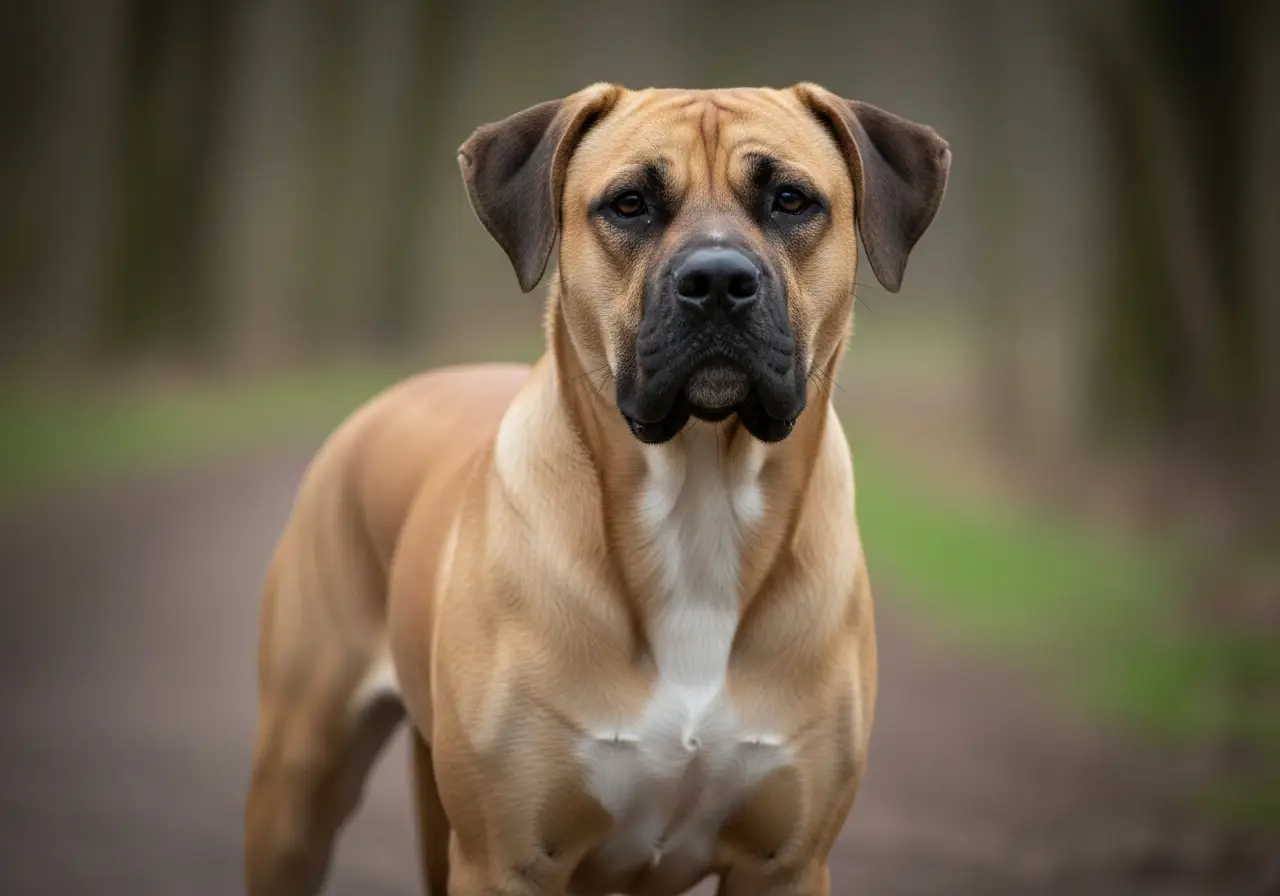
The Cimarrón Uruguayo is a South American Molosser with a functional breeding history, pronounced territorial behaviour and high independence. Anyone keeping this breed takes responsibility for a dog that sees clear leadership not as an option but as a basic requirement. Experience with guard and working dogs is not a recommendation; it is a prerequisite.
02Introduction
What makes the Cimarrón Uruguayo special
The Cimarrón Uruguayo is a South American Molosser, FCI Group 2, national animal of Uruguay, robust and territorial, withers height 55–61 cm.
03Profile
Key facts and suitability
- Origin
- Uruguay
- Original purpose
- Wild dog type, farm protection, hunting
- FCI
- No. 353 · Group 2 · Section 2.1
- height at the withers
- 55–61 cm
- Weight
- 25–38 kg
- Life expectancy
- 10–14 Years
- Coat type
- Short-haired
- Minimum exercise
- 90 min/day
- Puppy price
- 1'000–2'000 CHF
- Waiting period
- 12 months
- Sports
- Schutzhund · Agility · Tracking
04Temperament
How the Cimarrón Uruguayo shows up in everyday life
The Cimarrón Uruguayo displays two behavioural levels in everyday life that must be consistently distinguished.
Internal, what the dog needs: The need for social contact is concentrated on the reference group. The Cimarrón Uruguayo forms a close, loyal bond with its core family and expects clear structures in this relationship. Upon returning home, it registers the return attentively without reacting exuberantly; it observes, assesses, then relaxes. Its need for mental work is high: A walk without a task is not enough. It requires situations where it can think and make decisions, under guidance, not uncontrolled.
External, how the dog reacts to stimuli: It shows pronounced reserve towards strangers. An unknown visitor in the hallway immediately triggers alertness. The dog positions itself, observes and independently decides whether it assesses the situation as controlled. This behaviour is not a mistake; it is a genetically ingrained protective function. Without a clear owner signal, it remains in a state of heightened readiness.
These two poles must not be confused: a strong bond with the family does not mean social openness towards third parties. Anyone keeping a Cimarrón Uruguayo in a household with regular visitors needs a well-thought-out visitor management strategy, applied consistently, not situationally. With other dogs, it reacts dominantly, especially towards animals of the same sex. Multi-dog households require careful introduction and permanent structure.
05Needs
What this breed needs daily
The Cimarrón Uruguayo requires at least 90 minutes of active, guided exercise daily. Free roaming on a property does not count as a substitute; the dog needs exercise sessions with direct owner interaction and clear tasks.
Suitable forms of exercise include extensive terrain runs, drive ball, nose work, tracking, and structured retrieving. The need for mental work is high at level 4 out of 5: purely physical stimulation without a mental component leads to restlessness and increased control behaviour. At least three to four mental work sessions per week are necessary, not optional.
Being left alone is limited to a maximum of five hours if the dog has been sufficiently stimulated beforehand. Longer absences without prior stimulation create stress, which discharges in destructive or exaggerated guarding behaviour.
A securely fenced outdoor area is sensible but does not replace active enrichment. The fence should be sturdy and at least 180 cm high; the Cimarrón Uruguayo is a powerful, determined dog. Urban high-stimulus situations with dense pedestrian traffic, close encounters with strangers, or unpredictable stimuli place increased demands on leadership and stress management.
Training requires clear, calm consistency without harshness. Inconsistency or emotional uncertainty on the part of the owner is registered by the Cimarrón Uruguayo and leads to independent behaviour. A dog training school with experience in working breeds is recommended, from the first day, not only when problems arise.
Exercise
High
mental work
A lot
Social needs
Medium
training
Demanding
06Sport & Mental and Physical Stimulation
What sports the Cimarrón Uruguayo is suited for
Realistic in terms of physiology and genetics – not every breed suits every sport.
Structurally and physiologically suitable: Suitable for mantrailing, dummy work and tracking · CaniCross / bikejoring possible.
07Quick Check
08Suitability
Who this breed is suitable for – and who it isn't
✓Matches
The Cimarrón Uruguayo suits owners with proven experience in handling independently working guarding or working breeds. Anyone who has responsibly handled a Rottweiler, Fila Brasileiro, Dogo Argentino, or comparable molossoid brings a relevant starting basis.
Suitable are owners who can plan at least 90 minutes of structured exercise daily and several mental work sessions per week. A rural or quiet suburban environment with its own, securely fenced property is advantageous.
Families with children are an option if the children are older than ten years, the dog is integrated into clear family structures from the start, and visitor situations are managed consistently. Single people or couples without children who provide the dog with a clear daily structure are also suitable.
Those who are professionally flexible or work from home have a structural advantage: the Cimarrón Uruguayo needs presence and leadership, not just care. Owners who enjoy dog sports, tracking, or protection work under qualified instruction will find a capable partner in this breed.
×Doesn't match
The Cimarrón Uruguayo does not suit owners keeping a dog for the first time or whose previous experience is limited to socially uncomplicated breeds. Anyone who has never handled a dog with a pronounced guarding instinct typically underestimates the demands of this breed.
This breed is not suitable for households where the dog regularly stays alone for more than five hours without prior sufficient stimulation. Anyone who is away from home for eight hours daily and does not have a reliable dog care plan should choose a different breed.
Urban living situations with narrow stairwells, frequent visitors, and densely populated surroundings are structurally unsuitable, not because of the apartment size, but because of the permanent stimulus management these environments require.
Anyone who confuses the Cimarrón Uruguayo’s high need for social contact with its core family with social openness towards strangers will be surprised by its behaviour. This confusion of the internal and external behavioural axis is a common misjudgement. Households with very young children, frequently changing visitors, or other dogs without experience in keeping multiple dogs of dominant breeds are also unsuitable.
10Line reality
Show line, working line, breeder market
The Cimarrón Uruguayo does not exhibit a pronounced line division in the sense of show and working lines, as documented for example in the German Shepherd Dog or Labrador Retriever. The breeding population is small worldwide, very small outside Uruguay.
In Uruguay itself, two informal breeding directions exist: dogs primarily selected for farm work and guarding duties, and dogs bred to the FCI show standard. However, this distinction is not as sharp as in other utility dog breeds; the FCI standard of the Cimarrón Uruguayo has been oriented towards functional traits from the outset, not purely aesthetic criteria.
In Europe, most dogs come from small breeders who maintain close contact with Uruguayan breeding associations. The gene pool breadth is limited, which increases the importance of health tests before mating. Anyone looking for a Cimarrón Uruguayo in Europe encounters very few active breeders; long waiting times are the rule, not the exception. Careful breeder assessment is particularly important under these conditions, as low demand also attracts unscrupulous providers who place animals without proof of origin.
11Health · Reality
What you need to plan for medically with your Cimarrón Uruguayo
The Cimarrón Uruguayo is considered a functionally robust breed, as its selection over generations took place under natural conditions. Nevertheless, breed-specific health risks exist that must be known before purchase.
Hip dysplasia (HD) and elbow dysplasia (ED) occur regularly in large Molossoids. Reliable breed-specific HD/ED prevalence studies for the Cimarrón Uruguayo are not available in sufficient numbers due to the small breeding population. As a guideline: Studies show HD prevalences of 20–40 % in comparable Molossoids (Dogo Argentino, Rottweiler) (OFA database, status 2023). Parent animals should be radiologically examined for HD and ED before mating; a breeder without corresponding proof is a warning sign.
Life expectancy is 10 to 13 years. Overweight demonstrably shortens this span and additionally strains the joints. Regular weight checks by the vet, at least twice a year, are medically sensible for this breed.
Recommended preventive examinations include: annual orthopaedic check-up from the second year of life, heart auscultation in puppyhood and adulthood, and eye examination according to ECVO standards. Gastric dilatation-volvulus (GDV) is a known risk in deep-chested large dogs; feeding management (several small meals, no exercise immediately after eating) demonstrably reduces the risk (Glickman et al., Purdue University, 2000).
12Structured data
Health by the numbers
Prone to diseases
Hip dysplasia, generally robust breed
Recommended health tests
Hip X-ray
13Myths ↔ Reality
What is often said incorrectly about this breed
Five myths, five realities, five sources.
Due to its size, the Cimarrón Uruguayo is a calm, relaxed dog that requires little stimulation.
The Cimarrón Uruguayo has a high need for physical exercise and mental work. Its origin as a hunting and working dog under free-range conditions continues to shape its genetic makeup today. Without structured stimulation of at least 90 minutes daily, behavioural issues such as excessive territorial or controlling behaviour develop.
As Uruguay’s national animal, the Cimarrón Uruguayo is a particularly tame and people-friendly breed.
The status as Uruguay’s national dog breed refers to cultural and historical significance, not to character traits. The Cimarrón Uruguayo shows pronounced reserve up to distrust towards strangers. Its guarding instinct is functionally deeply ingrained and requires consistent management in social situations.
Because the Cimarrón Uruguayo descends from feral dogs, it is particularly robust and does not require veterinary preventive care.
Functional breeding and robustness do not rule out breed-typical health risks. In large Molossoid breeds such as the Cimarrón Uruguayo, hip dysplasia and elbow dysplasia occur. Regular orthopaedic check-ups and weight control are medically necessary, not optional.
The Cimarrón Uruguayo can be handled effortlessly by inexperienced owners through consistent love and patience.
The Cimarrón Uruguayo responds to inconsistent or insecure handling with independent behaviour that allows its pronounced guarding instinct to become uncontrolled. Experience with independently working utility dogs is not a recommendation but a basic prerequisite. Lack of handling competence frequently leads to behavioural-related rehoming in this breed.
A large property replaces active enrichment by the owner for the Cimarrón Uruguayo.
Free run on a property does not replace structured stimulation. The Cimarrón Uruguayo requires guided exercise sessions and mental tasks with direct owner interaction. Uncontrolled free running without guidance promotes territorial behaviour and reinforces independence in an undesirable direction.
14animal welfare
The animal welfare perspective
Breeder market, designer versions, animal shelter reality — what no one writes in the puppy ad.
The Cimarrón Uruguayo is a rare breed in Europe. The small breeding population makes it simultaneously vulnerable to a specific animal welfare problem: Because reputable breeders are scarce and waiting times long, a market emerges for providers without studbooks, without health tests and without socialisation concepts. Puppies from such sources, often offered via classifieds portals or from Eastern European breeding operations, carry an increased risk of behavioural issues, as the early imprinting phase is decisive for a dog with a pronounced guarding instinct. A Cimarrón Uruguayo that was insufficiently socialised in its first eight weeks of life is significantly harder to handle in adulthood.
A second animal welfare problem arises from misjudging the keeping requirements. The Cimarrón Uruguayo is occasionally marketed as an imposing, loyal family dog without adequate communication of its independence and guarding instinct. Owners who underestimate these characteristics end up in overwhelming situations. The consequence is often surrender due to behavioural issues. As the breed is hardly known in European animal shelters, competence for appropriate re-homing is often lacking there.
Designer versions or crosses with the Cimarrón Uruguayo exist sporadically on the market, without these animals reliably passing on the breed's character traits. Such offers should be assessed with particular caution.
Rehoming from animal welfare organisations is a real but demanding option for this breed. Organisations specialising in working dog breeds occasionally rehome Cimarrón Uruguayos or similar Molossoids. Anyone meeting the keeping requirements should seriously consider this option, not as a compromise but as a responsible decision.
15Costs · Transparency
What this breed realistically costs
The acquisition price for a Cimarrón Uruguayo from reputable breeding with FCI pedigree lies in Europe at 1,500 to 2,500 EUR. Offers significantly below this without studbook proof are a warning sign; follow-up costs due to behavioural or health problems regularly exceed the apparent savings.
Annual living costs consist of: food for a large dog (30–45 kg) with high-quality composition: 800–1,400 EUR/year. Care (claws, ears, occasional bathing): 100–200 EUR/year. Basic equipment (lead, collar, transport box, sleeping place): 300–500 EUR one-off.
Basic veterinary costs (annual vaccination, parasite prevention, two preventive examinations) lie at 400–700 EUR/year. Orthopaedic specialist examinations (HD/ED X-rays) cost one-off 200–400 EUR. In case of illness or operations, costs of 2,000–6,000 EUR are no exception.
Pet insurance with surgical cover costs 60–120 CHF/EUR monthly for this weight class, depending on provider and scope of benefits. For a breed with potentially high orthopaedic risk, this coverage is financially sensible. Total costs in the first year (incl. acquisition and setup): realistically 4,000–6,000 EUR.
16Puppy search
What you need to consider when choosing a breeder
- Reputable breeders of the Cimarrón Uruguayo are rare in Europe.
- The first point of contact is the VDH (Verband für das Deutsche Hundewesen) or the Austrian ÖKV, which maintain member clubs with studbook entries.
- In Switzerland, the SKG facilitates appropriate contacts.
- Uruguayan breeding associations such as the Sociedad Rural del Uruguay also maintain studbooks.
- Characteristics of reputable breeders: parent dogs with HD/ED X-ray results and studbook entry, puppies with FCI pedigree, socialisation concept for the first eight weeks of life, willingness to have several conversations before handover, readiness to take back the dog in case of keeping problems.
- A reputable breeder asks the interested party as many questions as they answer.
- Warning signs: puppies without pedigree, immediate availability without waiting time, offers via general classifieds portals, missing health certificates of parent dogs, no personal visit before handover.
- Adoption from animal welfare is an equally valid option for experienced owners.
- Specialised working dog adoption organisations know the requirements of this breed and accompany the adoption process professionally.
- rundum.dog lists verified entries under the Adoption section.
FAQ
Frequently asked questions about the Cimarrón Uruguayo
Is Cimarrón Uruguayo a family dog?
Cimarrón Uruguayo is considered suitable for families with good socialisation and species-appropriate care.
How much exercise does Cimarrón Uruguayo need?
At least around 90 minutes of exercise per day. As an active breed, more so — plus mental stimulation.
What is the size and weight of Cimarrón Uruguayo?
Fully grown, Cimarrón Uruguayo reaches about 55–61 cm at the withers and weighs around 25–38 kg.
What is the life expectancy of Cimarrón Uruguayo?
The life expectancy of Cimarrón Uruguayo is approximately 10–14 years.
Which diseases are common in Cimarrón Uruguayo?
Hip dysplasia, generally robust breed
17Breed clubs
Official breed clubs in DACH
19Related
Similar breeds – and their differences
You might also be interested in


Participate
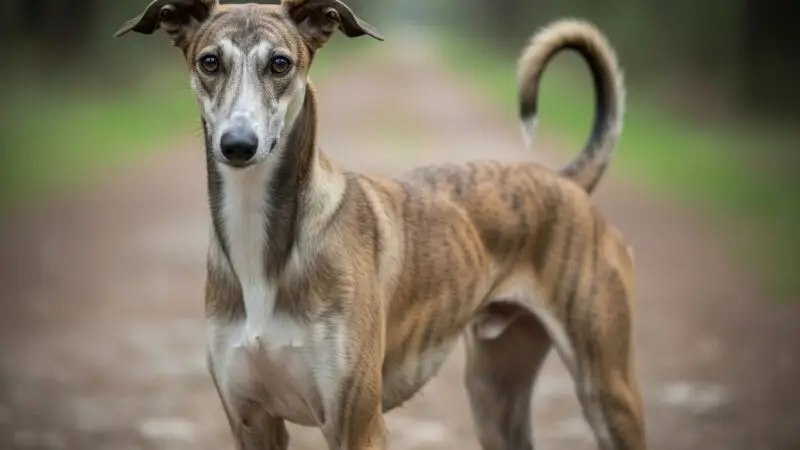
Do you have a good photo of your Cimarrón Uruguayo?
We are looking for expressive images for our breed profiles. Submit yours; the editorial team reviews every submission before publication.
Does this breed suit you?
National animal of Uruguay. Rare South American Molosser. For experienced owners with space.