4 sourcesUpdated September 12, 2026Responsible editor: Roger KleinText: Roger Klein
01Summary
In a paragraph
If you only have 30 seconds.
The Dobermann is an athletic working dog from Germany that places high demands on leadership, mental and physical stimulation, and consistency. Its guarding instinct is a breeding goal, not a chance product. Anyone keeping one takes responsibility for a dog with pronounced bonding depth, breed-typical heart disease risk, and a daily need for exercise and mental work that is non-negotiable.
02Introduction
What makes the Dobermann special
The Dobermann is an elegant German guard dog, FCI Group 2, loyal and intelligent, with a breed-typical risk of heart disease (DCM), withers height 63–72 cm.
03Profile
Key facts and suitability
- Origin
- Deutschland
- Original purpose
- Guard and police dog (bred by Karl Friedrich Louis Dobermann)
- FCI
- No. 143 · Group 2 · Section 1
- height at the withers
- 63–72 cm
- Weight
- 32–45 kg
- Life expectancy
- 10–12 Years
- Coat type
- Short-haired
- Minimum exercise
- 90 min/day
- Puppy price
- 1'500–3'000 CHF
- Waiting period
- 12 months
- Sports
- Schutzhund · Agility · Obedience · Tracking
04Temperament
How the Dobermann shows up in everyday life
When you come home, you are not greeted by an indifferent dog. The Dobermann registers your arrival immediately, positions itself close by and observes what happens next. This attention is no coincidence; it is genetically anchored. At home, the breed shows an extremely high need for social contact: the dog wants to be with you, work with you and react to you.
Things are different outside the family. Towards strangers, the Dobermann shows pronounced reserve. It observes, evaluates and decides. A visitor entering the apartment is not greeted joyfully; the dog waits until you signal through your behaviour how it should assess the situation. These two poles (high depth of bond with the primary caregiver, reserve towards strangers) must not be confused. A Dobermann that clings closely to you is not automatically a sociable dog for everyone.
On a walk in the city, it walks attentively, perceives environmental stimuli and reacts to your body language. Insecurity or inconsistent behaviour on your part transfers directly to it. At the dog park, it appears self-confident; with good socialisation, it is tolerant, but not a dog that submits when another dog exerts pressure.
At home, it seeks closeness without being intrusive. It lies down near you, observes and waits for the next cue. Boredom manifests as restlessness, destruction or excessive vigilance; these are not character flaws, but signals of an under-stimulated working dog.
05Needs
What this breed needs daily
The Dobermann requires at least 120 minutes of active exercise daily, not free roaming on the property, but structured activity with you. Running, cycling, fetching or dog sports count towards this. Walks without mental input are insufficient.
In parallel to physical exercise, it requires mental work daily. Nose work, obedience training, protection sports or demanding sports such as IPO/IGP, agility or tracking correspond to its profile. Without this mental stimulation, a potential for frustration arises, which manifests in control problems.
Being left alone must be built up early and in a structured manner. Four hours are the realistic maximum; more is possible if the build-up has been consistent, but permanent solitude over many hours is incompatible with the high need for social contact of this breed.
The Dobermann requires a primary caregiver with clear body language, stable self-confidence and experience in handling high-performance dogs. Inconsistency or insecurity in leadership transfers directly to the dog’s behaviour. Training must be fair, clear and consistent; harsh punishments are counterproductive because the breed reacts sensitively to pressure.
Socialisation during the puppy phase is crucial: different people, environments, noises and situations must be introduced systematically. A poorly socialised Dobermann develops excessive reactivity, which is difficult to manage in everyday life. An accompanying dog training school with experience in utility dog breeds is not an option; it is mandatory.
Exercise
Very high
mental work
A lot
Social needs
Very high
training
Demanding
06Sport & Mental and Physical Stimulation
What sports the Dobermann is suited for
Realistic in terms of physiology and genetics. Not every breed suits every sport.
Structurally and physiologically suitable: CaniCross / bikejoring possible.
07Quick Check
08Suitability
Who this breed suits and who it doesn't
✓Matches
The Dobermann suits owners with demonstrable experience in handling high-performance or guarding-instinct-driven dogs. Anyone who has already handled a utility dog, a shepherd dog or a similarly demanding breed and understands how leadership, consistency and stimulation interact brings the right foundation.
Suitable are active individuals or couples who can plan at least two hours daily for exercise and training. A structured everyday life with fixed training sessions is a prerequisite, not a bonus.
Families with children from about ten years old are possible if both parents bring experience and the children are guided in dealing with the dog. The dog must experience a clear hierarchy within the family.
Anyone who wishes to engage in dog sports (IGP, tracking, search and rescue, protection sports) will find a performance-oriented partner in the Dobermann. The breed is designed for cooperation and shows its best sides in structured sports.
Owners who are prepared to plan regular cardiological precautionary examinations and actively manage the health specifics of the breed are well prepared. The Dobermann demands not only time for training, but also a willingness to take on medical responsibility.
×Doesn't match
The Dobermann is not suitable for owners without prior experience with working dogs. Anyone keeping a dog for the first time and letting themselves be guided by the breed's elegant appearance significantly underestimates its need for leadership and the daily effort involved.
Households where the dog regularly spends more than four hours alone are unsuitable. The breed's high need for social contact is incompatible with a daily routine that offers little interaction; neither kennel keeping nor prolonged periods of being left alone correspond to its profile.
Anyone looking for the Dobermann as a "cuddly dog" and expecting it to be open and friendly towards strangers confuses its deep bond with the family with sociability towards visitors. The two do not go together in the Dobermann: close family bonding does not mean that the dog warmly welcomes every visitor.
People with little time for structured training, no access to a dog sports club, or no willingness to schedule regular vet appointments should choose a different breed. Owners who rely on physical pressure or harsh corrections will not build a stable relationship with a Dobermann; the breed's sensitivity reacts to such methods with withdrawal or counter-pressure.
09Related
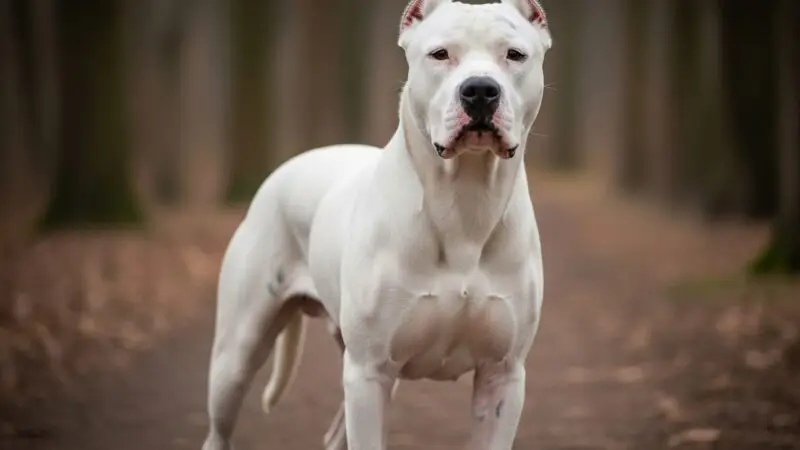
Similar breeds and how they differ


10Line reality
Show line, working line, breeder market
The Dobermann is today bred in two recognisably different lines that differ in body structure, temperament and area of use.
The working line is based on the FCI standard with a working trial. Dogs from this breeding direction show a more pronounced drive, higher endurance and a stronger focus on tasks. They are used in protection sports (IGP), police and military work as well as search and rescue dog work. Their temperament is more demanding; they require more structured stimulation and an experienced handler.
The show line focuses on the external appearance. Dogs from this line are often built with more substance, show a somewhat calmer temperament and are more frequently kept as companion dogs. The guarding instinct is present, but generally less intensely pronounced than in the working line.
For interested parties, the distinction is relevant: A puppy from an active protection sport breeding poses different requirements than a puppy from a line focused on show success. Reputable breeders transparently name the origin of their breeding stock and can provide temperament tests as well as working trials of the parent dogs.
In practice, mixed forms also exist. Anyone looking for a Dobermann as a family and companion dog is generally better served by a show line from reputable breeding than by a puppy from intensive working line breeding, provided that the health precautionary examinations (in particular DCM screening) are documented.
11Health · Reality
What you need to plan for medically with your Dobermann
Dilated cardiomyopathy (DCM) is the most significant breed-typical disease in Dobermanns. Studies show that up to 58% of all Dobermanns are affected during their lives, making the breed one of the most frequently affected dog breeds worldwide. Particularly insidious: In the occult phase, the dog shows no clinical symptoms, even though heart changes are already detectable. The Dobermann-Verein e.V. therefore recommends annual cardiological examinations (echocardiography and Holter ECG) from the third year of life.
Wobbler syndrome (cervical spondylomyelopathy) occurs more frequently in Dobermanns than in most other breeds. It involves a narrowing of the spinal cord in the neck area, which can lead to gait disturbances and neurological deficits. Hypothyroidism is also breed-typical and manifests as weight gain, coat changes, and decreased performance.
Life expectancy is 10 to 12 years, with heart disease being the most common cause of death. Dogs from breeds with consistent DCM screening live statistically longer.
Recommended preventive examinations: annual Holter ECG and echocardiography from the 3rd year of life, thyroid values in blood tests, eye examination, X-rays for hip dysplasia (HD) and elbow dysplasia (ED) before breeding. Overweight poses an increased risk in this breed, as it increases cardiac strain and puts additional stress on the joints.
12Structured data
Health by the numbers
Prone to diseases
Dilated cardiomyopathy (DCM, frequently breed-typical), von Willebrand disease, Wobbler syndrome, hip dysplasia
Recommended health tests
Heart examination (Holter, echocardiography), DNA test for vWD, hip X-rays
13Myths ↔ Reality
What is often said incorrectly about this breed
Five myths, five realities, five sources.
"The Dobermann is naturally aggressive and unpredictable.
The FCI standard expressly requires a friendly, peaceful basic disposition and medium sharpness, not an extreme temperament. Aggressive behaviour is a breeding and keeping error, not a breed standard. Well-socialised and consistently handled Dobermanns are considered stable and controllable in temperament tests.
"Dobermanns are only suitable as guard dogs, not as family dogs.
The FCI standard explicitly mentions suitability as a family dog. The breed is strongly bond-oriented and seeks close contact with its primary caregiver. The prerequisite is a structured routine with clear rules; then a Dobermann can also be kept in a family environment with children, provided sufficient experience is present.
"DCM (dilated cardiomyopathy) is rare in the Dobermann.
Studies show that up to 58% of all Dobermanns develop DCM during their lives, making the breed one of the most severely affected dog breeds overall. Many dogs show no clinical symptoms for a long time (occult phase). Regular cardiological examinations from the third year of life are therefore not an optional extra but medically required prevention.
"A Dobermann that gets plenty of exercise does not need additional training.
Physical exercise alone is not enough for this breed. The Dobermann has a high-level need for mental work; without mental stimulation through nose work, obedience training or dog sports, frustration and control problems arise. Exercise and mental work are two separate demands that both must be addressed daily.
"Dobermanns cannot tolerate living in an apartment.
Apartment living is possible if daily stimulation is consistently ensured. The Dobermann is not a kennel dog; it needs close contact with humans. An apartment with sufficient exercise and a structured routine is clearly preferable to kennel keeping on a large property but with little interaction.
14animal welfare
The animal welfare perspective
Breeder market, designer versions, animal shelter reality: what no one writes in the puppy ad.
The Dobermann is among the breeds that land disproportionately often in animal shelters and animal welfare organisations. The reasons are well documented: underestimated training effort, being overwhelmed by the guarding instinct and the breed's sensitivity, as well as owners who let themselves be guided by the elegant appearance without knowing the requirements profile.
Backyard breeder market: The Dobermann is a breed with high recognisability and stable demand. This makes it attractive to backyard breeders who breed without health screenings, temperament tests, or working trials. Puppies without DCM proof from the parent animals are not uncommon on the market, and the heart disease risk is deliberately concealed. Anyone buying a Dobermann without asking for cardiological examination results of the parents assumes considerable health and financial risks.
Breeding and keeping-related problems: In addition to DCM risk, behavioural problems often arise from inadequate socialisation during the puppy phase and living conditions that do not meet the breed's need for social contact. A Dobermann kept in a kennel or permanently alone develops behavioural abnormalities classified as "unadoptable" in animal welfare, even though the cause lies in the keeping conditions, not in the dog.
Adoption as an equally valid option: Adult Dobermans from animal welfare organisations or rescue groups are a serious alternative to buying a puppy. Their temperament is already apparent, prior experience with the dog exists, and experienced foster carers can assess which profile suits the dog. Specialised Doberman rescue organisations work with foster families and conduct temperament assessments, which significantly increases the reliability of the adoption process. Those with experience of the breed often find a dog here that fits specifically into their daily routine.
15Costs · Transparency
What this breed realistically costs
A puppy from reputable breeding with documented health tests on the parent animals (DCM screening, HD/ED X-rays, temperament test) costs between 1,500 and 2,500 EUR/CHF in Germany, Austria and Switzerland. Offers significantly below this, particularly without documentation, indicate a lack of preventive examinations.
The annual living costs for a Doberman are typically between 2,000 and 3,500 EUR/CHF. Food for a large, active dog amounts to 600 to 1,200 EUR per year, depending on quality and feeding method. Grooming is relatively inexpensive; the short coat requires little professional care.
The biggest cost factor is veterinary fees. The recommended annual cardiological examinations (echocardiography and Holter ECG) alone cost between 200 and 500 EUR per examination, depending on the practice and region. If DCM occurs, treatment costs amount to several thousand euros per year. Pet insurance with surgical cover and internal illness coverage is not a luxury option for this breed; monthly premiums range from 60 to 120 EUR/CHF depending on the provider and scope of cover. Dog sport membership and training costs are additional: 200 to 500 EUR per year is realistic.
16Puppy search
What you need to consider when choosing a breeder
- A reputable breeder provides cardiological examination results for both parent animals before sale; echocardiography and Holter ECG are minimum standards for the Dobermann.
- If these proofs are missing, this is a clear exclusion criterion.
- Additionally, HD/ED X-ray reports and a temperament test of the parent animals should be available.
- Breeders who are members of the Dobermann-Verein e.V., the Dobermann-Verein der Schweiz (DVS), or the Österreichischen Dobermann Klub (ÖDK) are subject to breeding regulations that prescribe minimum standards for health examinations.
- Membership in an association is not a guarantee of quality, but it is a first point of orientation.
- The mother bitch should be accessible and stable in temperament.
- Puppies that have grown up in social isolation or without human contact carry an increased risk of socialisation deficits.
- Adopting an adult Dobermann through specialised animal welfare organisations is an equally valid option.
- Experienced fosterers know the dog from daily life and can assess its profile realistically.
- For owners with prior experience, this can be the safer decision, as the dog's temperament is already known and the settling-in phase can be managed more specifically.
- No named breeder recommendations by rundum.dog; you will find corresponding entries in the breeder directories of the official breed clubs.
FAQ
Frequently asked questions about the Dobermann
Is Dobermann a family dog?
Dobermann is considered suitable for families with good socialisation and species-appropriate care.
How much exercise does Dobermann need?
At least around 90 minutes of exercise per day. As an active breed, more so — plus mental stimulation.
Does Dobermann suit an apartment?
With enough exercise and enrichment, Dobermann can also be kept in an apartment.
What is the size and weight of Dobermann?
Fully grown, Dobermann reaches about 63–72 cm at the withers and weighs around 32–45 kg.
What is the life expectancy of Dobermann?
The life expectancy of Dobermann is approximately 10–12 years.
Which diseases are common in Dobermann?
Dilated cardiomyopathy (DCM, frequently breed-typical), von Willebrand disease, Wobbler syndrome, hip dysplasia
Participate
Do you have a good photo of your Dobermann?
We are looking for expressive images for our breed profiles. Submit yours; the editorial team reviews every submission before publication.
Does this breed suit you?
Elegant, loyal guard dog. Heart disease DCM is breed-typical – annual heart checks are mandatory.