
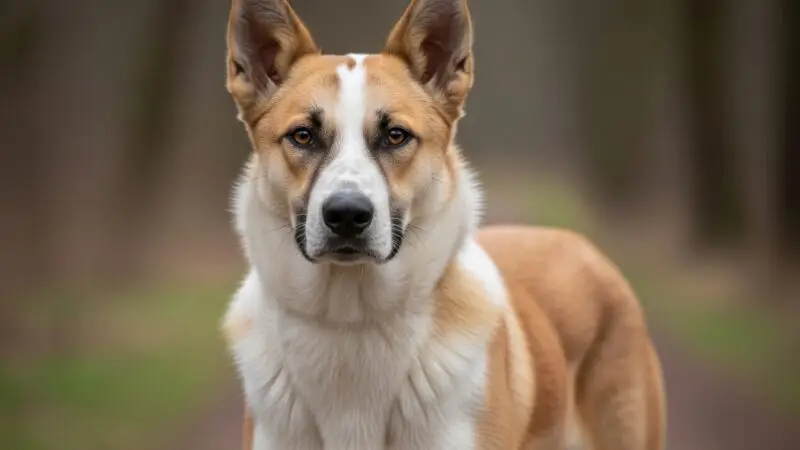
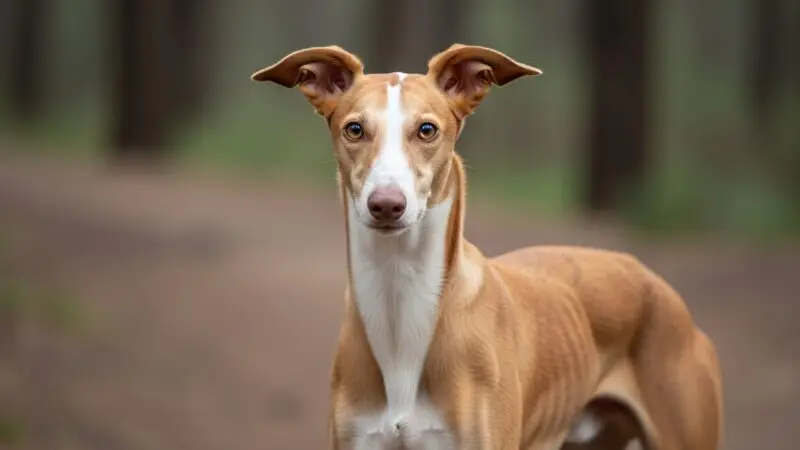
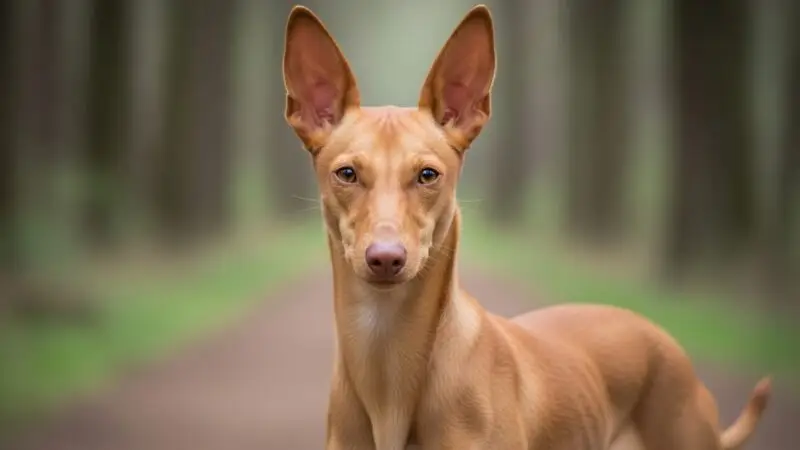
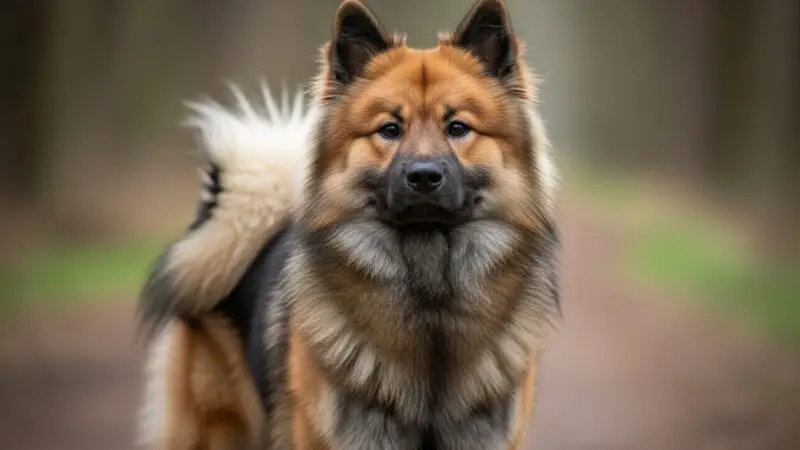
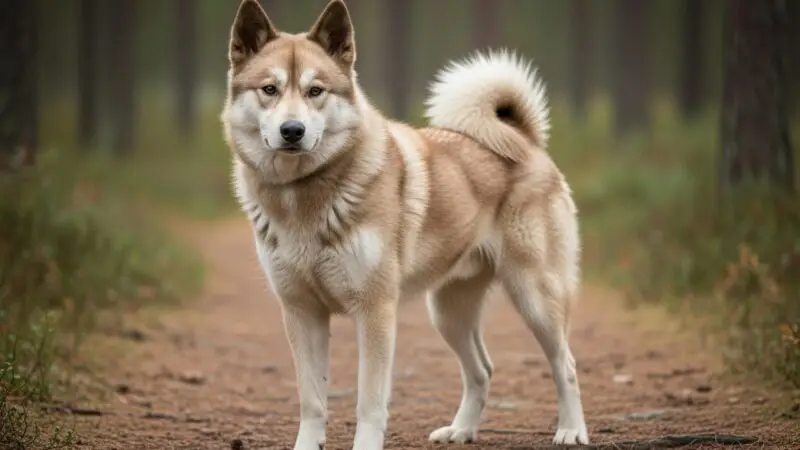
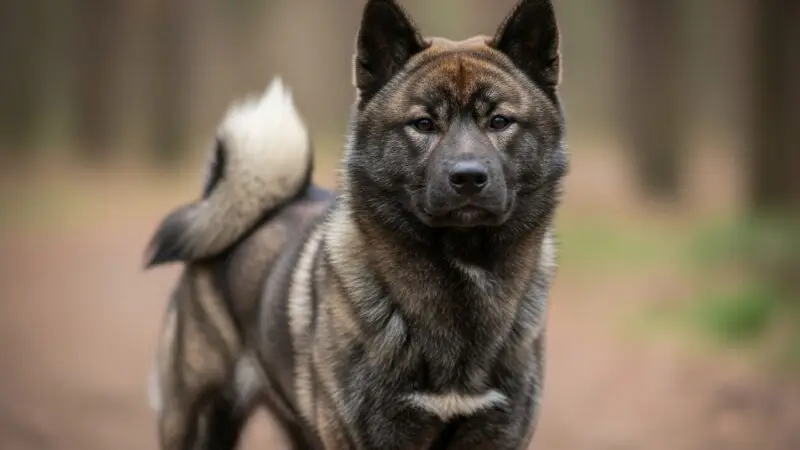
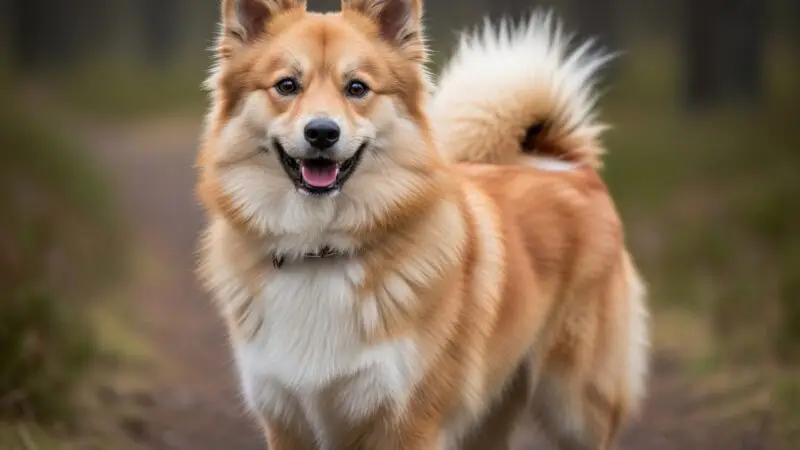
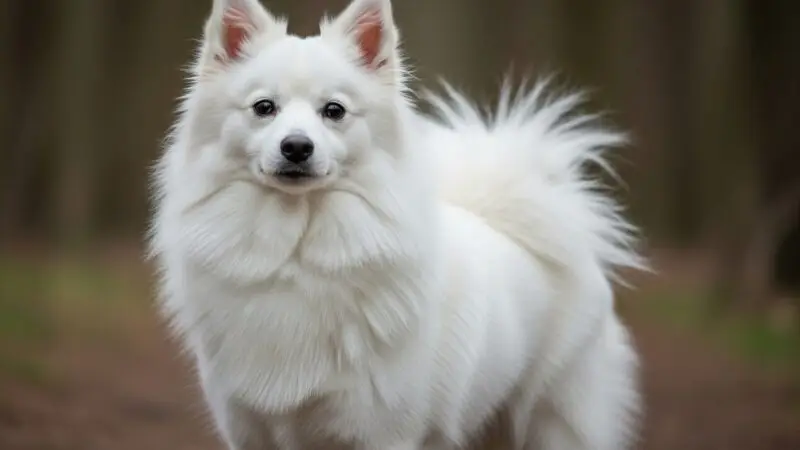
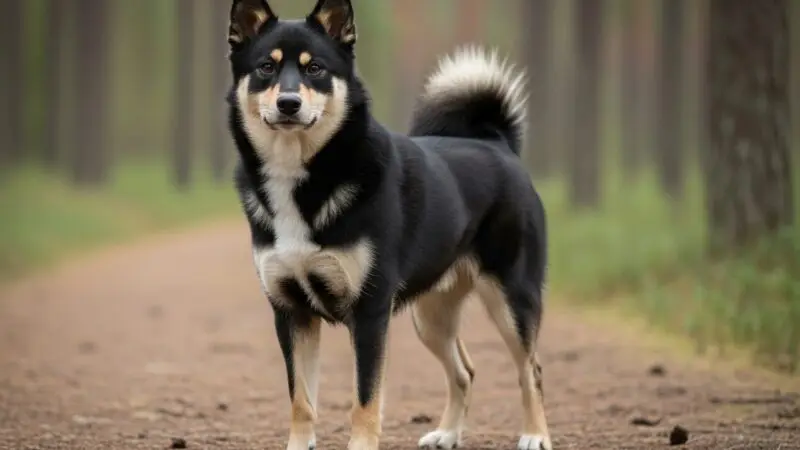
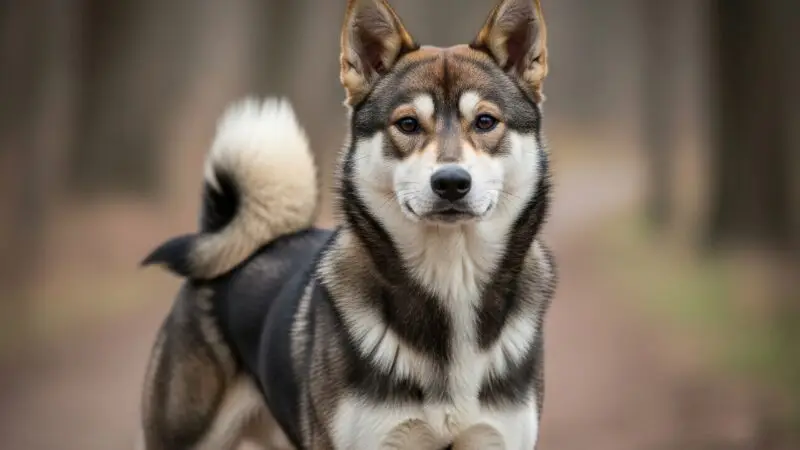
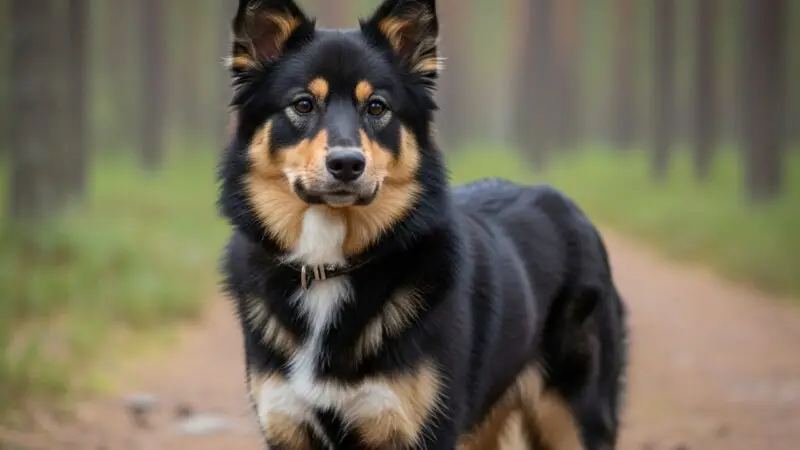
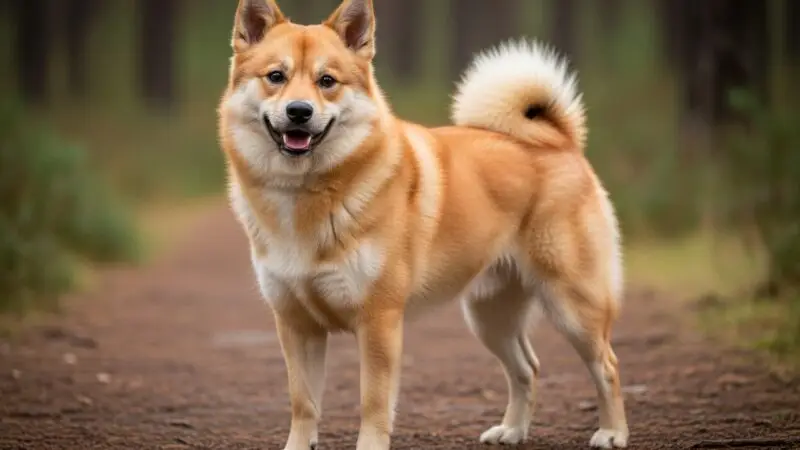
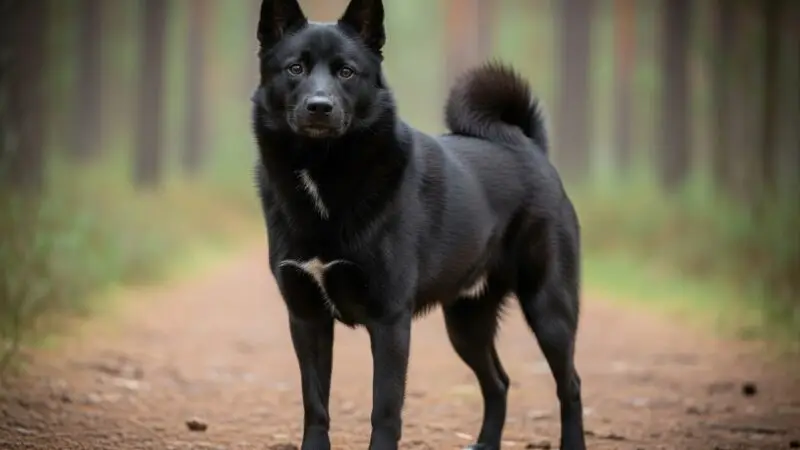
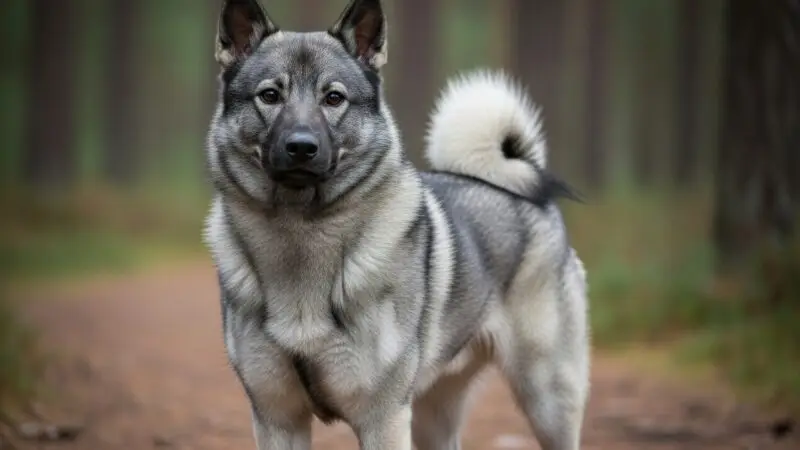
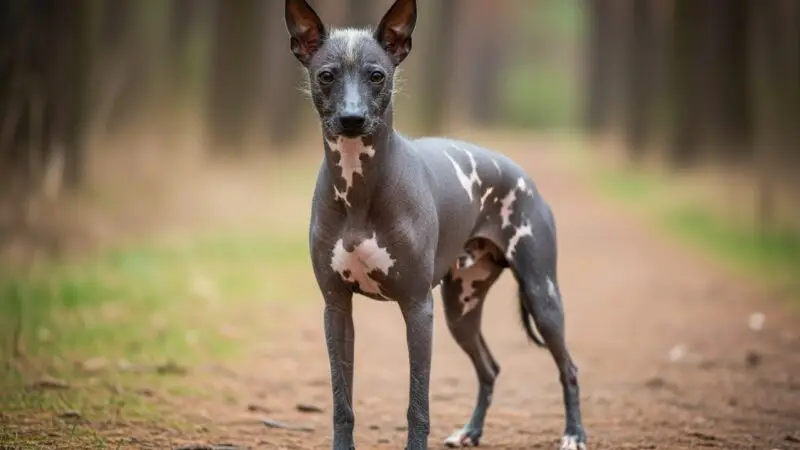
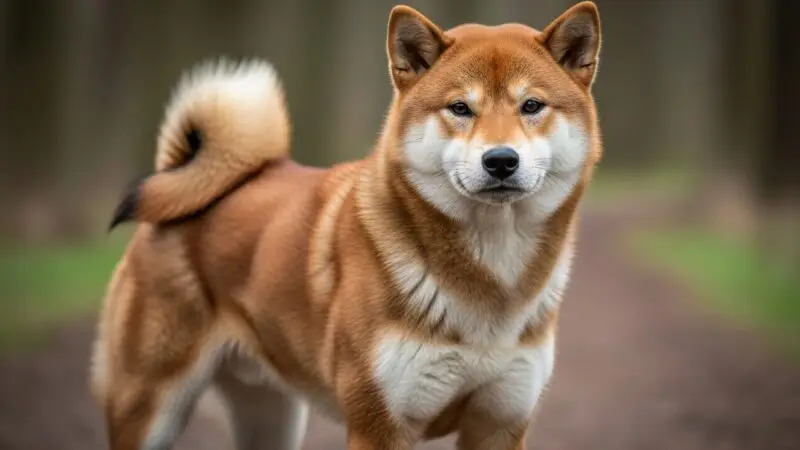
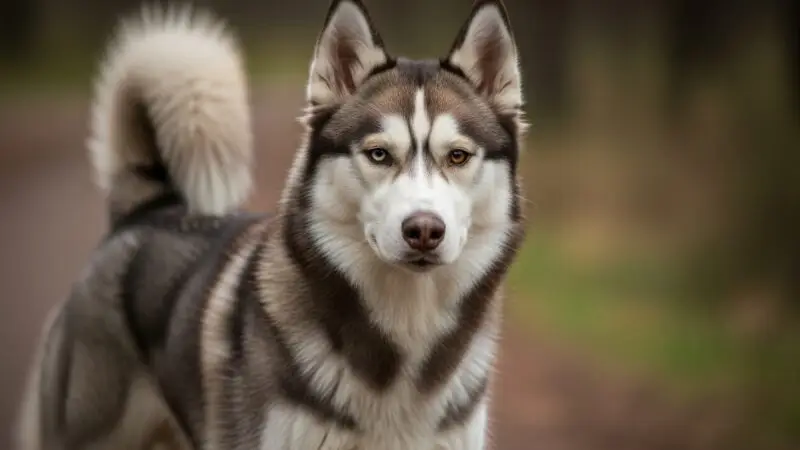
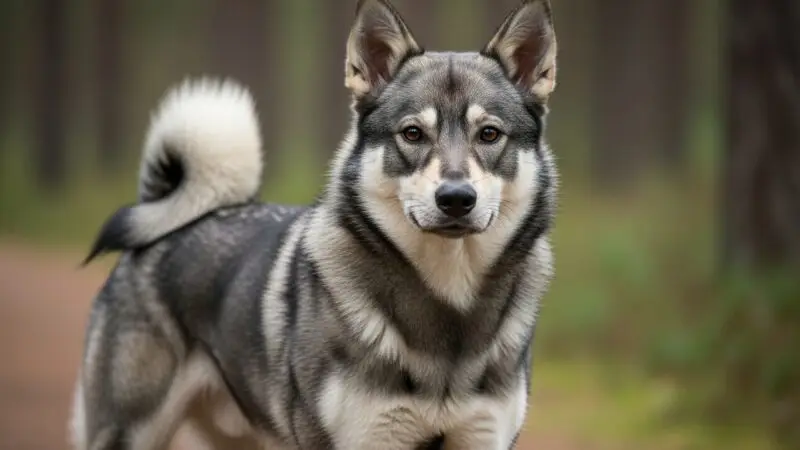
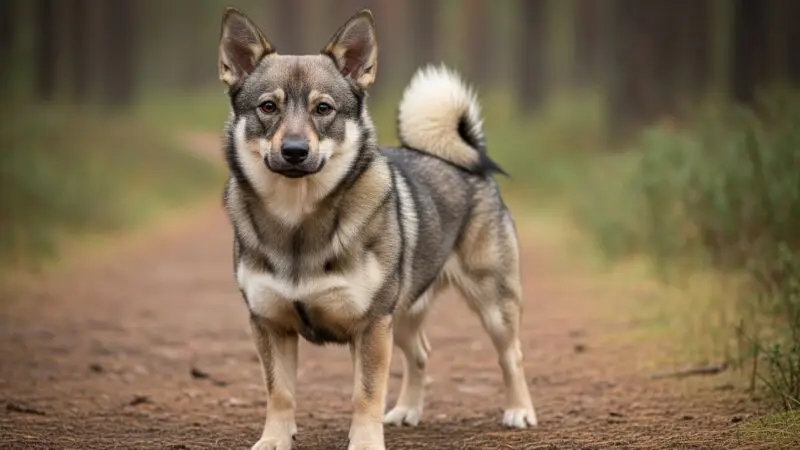
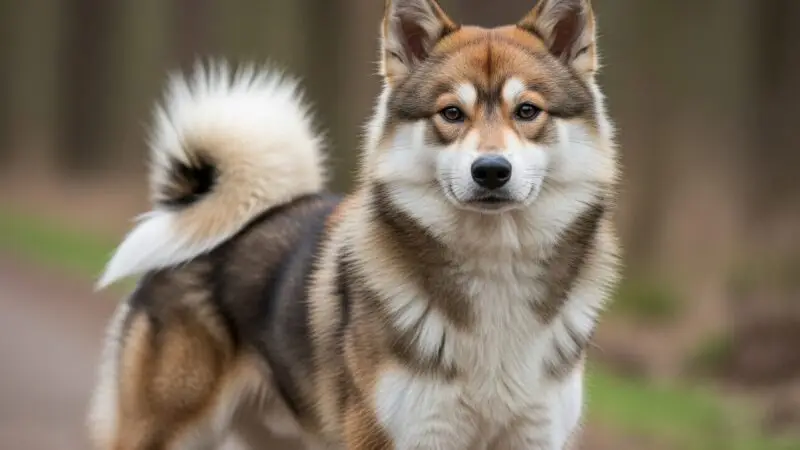
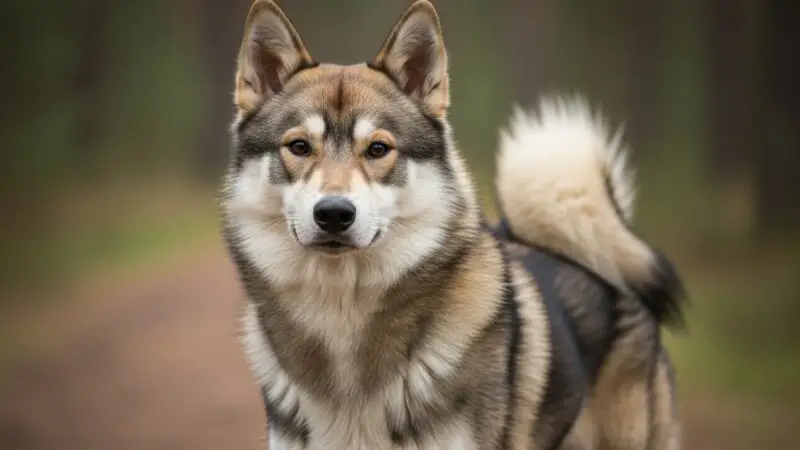
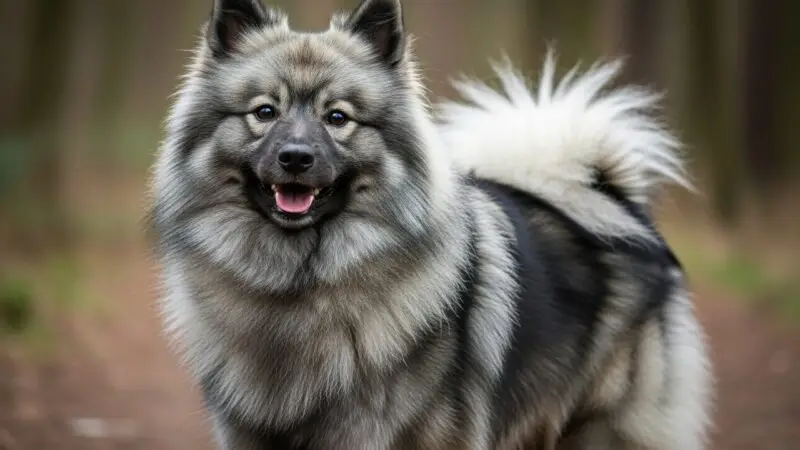
What distinguishes FCI Group 5 from all others
FCI Group 5 unites dogs that are genetically furthest removed from modern domestic dog breeding. Genomic studies show that breeds such as the Basenji, Siberian Husky, Alaskan Malamute and Akita Inu rank among the most primitively structured domestic dogs worldwide. Less breeder-induced modification, more wolf genetics – and thus a behavioural repertoire that demands owners with solid basic knowledge who cannot simply rely on experience with classic dog breeds.
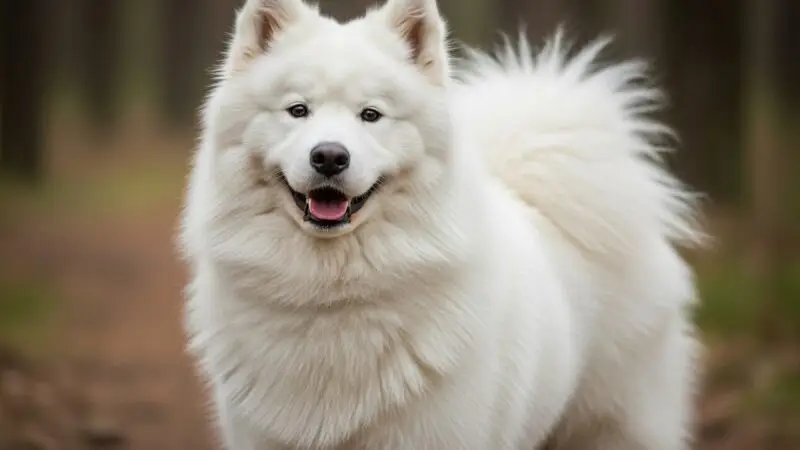
The group comprises over 45 breeds in seven sections: Northern Sled Dogs, Northern Hunting Dogs, Northern Watchdogs and Herding Dogs, European Spitz, Asian Spitz and related breeds, Primitive-type dogs, and Primitive-type dogs used for hunting.
The seven sections in profile
Northern Sled Dogs
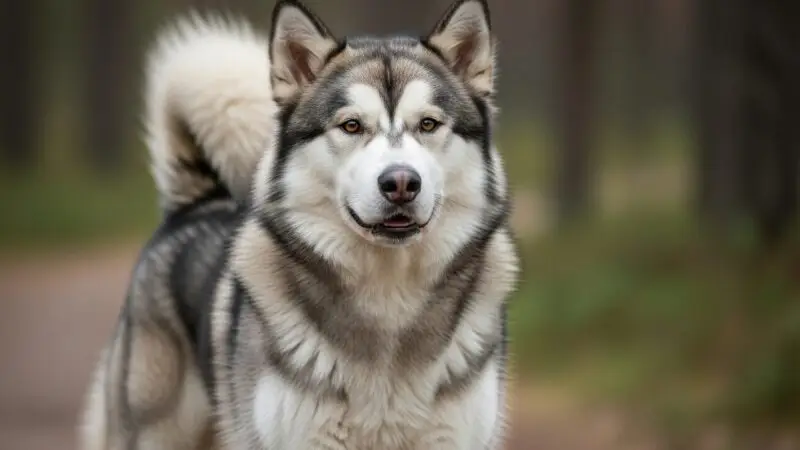
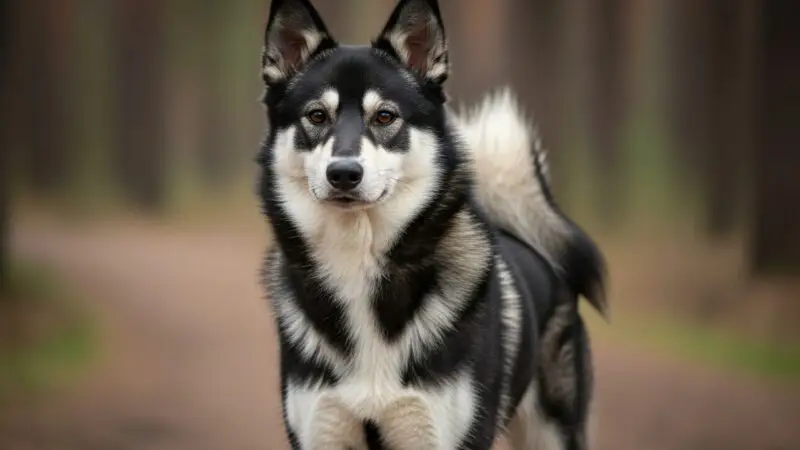
The Siberian Husky and Alaskan Malamute are the best-known representatives. Both were selected for extreme endurance running in arctic conditions – which explains why a husky in a city apartment without daily intensive training does not simply calm down, but rather goes crazy. Sled dogs are endurance athletes with a flight drive that is out of all proportion to their social friendliness. They are often very approachable towards people; however, due to their prey drive, they are frequently incompatible with cats and small animals.
Northern Hunting Dogs
Norrbottenspets, Finnish Spitz, Norwegian Elkhound – rare in the D-A-CH region, active hunting dogs in Scandinavia. They show a pronounced sense of territory and bark more than most other groups. This is not an idiosyncrasy, it is a hunting function: The Finnish Spitz was selected to indicate its position by barking.
Asian Spitz and related breeds
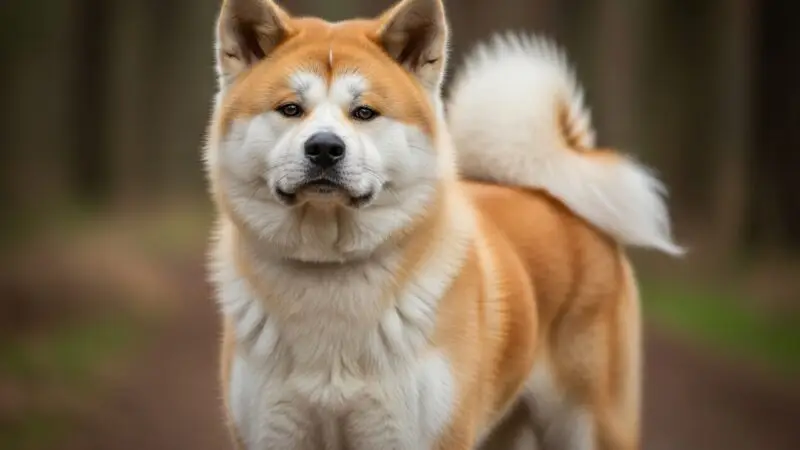
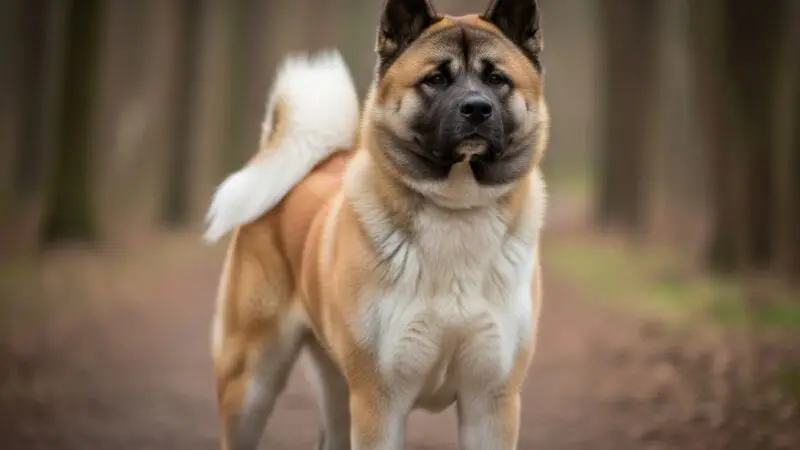
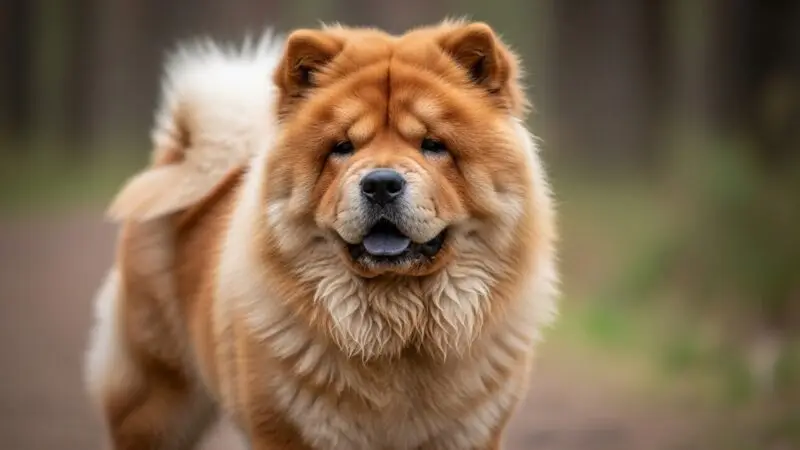
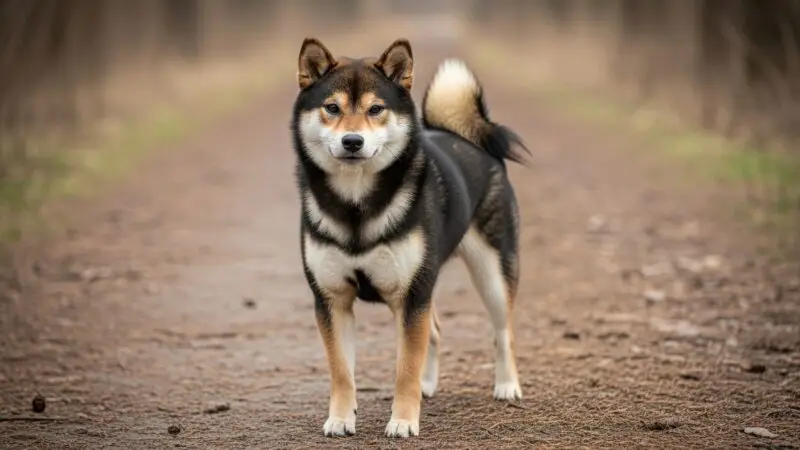
Akita Inu, Chow Chow, Eurasier – this group contains some of the most characteristically independent dogs of all. The Akita is a national symbol in Japan and is regarded as the dog equivalent of a cat: dignified, loyal to few people, unpredictable towards strangers. Chow Chows tend towards dominant behaviour and are a real challenge for inexperienced owners. The Eurasier – a new German breed from the 1960s – is more socially adapted and family-oriented.
Primitive-type dogs
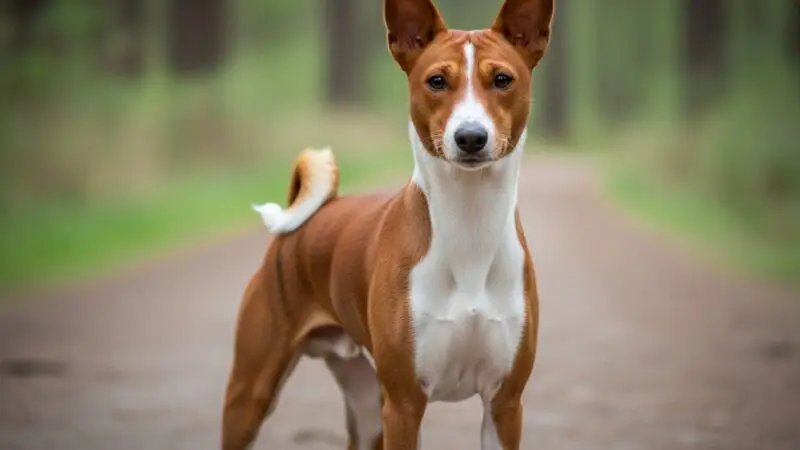
The Basenji and Canaan Dog represent the genetically oldest domestic dogs of all. The Basenji does not bark – it yodels, trills and vocalises in a way that is unfamiliar to owners. Its body awareness, cleanliness and independence have earned it the nickname “cat dog”. What Basenji owners underestimate: its prey drive is exceptionally strong, making it a reliable runner in open terrain.
Common mistakes – and what really helps
The most common mistake with dogs of Group 5: buying them based on looks or trendiness. The popularity of huskies on social media has led to a wave of adoptions in the D-A-CH region, which is now filling animal shelters with improperly kept huskies. A Siberian Husky in a 60-square-metre apartment without daily stimulation through sled sports, bikejoring or comparable alternatives develops destructive behaviour – not out of malice, but simply due to being overwhelmed by under-stimulation.
The dominance of Asian Spitz breeds is regularly underestimated. A young Chow Chow that does not experience a clear hierarchy develops resource guarding and aggression towards strangers. This can be minimised – but not eliminated – with consistent, early socialisation and clear leadership. Anyone who wants a Chow Chow needs dog experience.
Breeding for harmful traits (Qualzucht) and health risks in Group 5
Compared with other groups, FCI Group 5 has fewer classic breeding for harmful traits (Qualzucht) problems – which does not make it free from health risks. Eye diseases (cataracts, progressive retinal atrophy) and thyroid problems are known in the Siberian Husky; hip dysplasia and hereditary polyneuropathy in the Alaskan Malamute. The Chow Chow has breathing difficulties due to its brachycephaloid build and skin problems due to its skin folds.
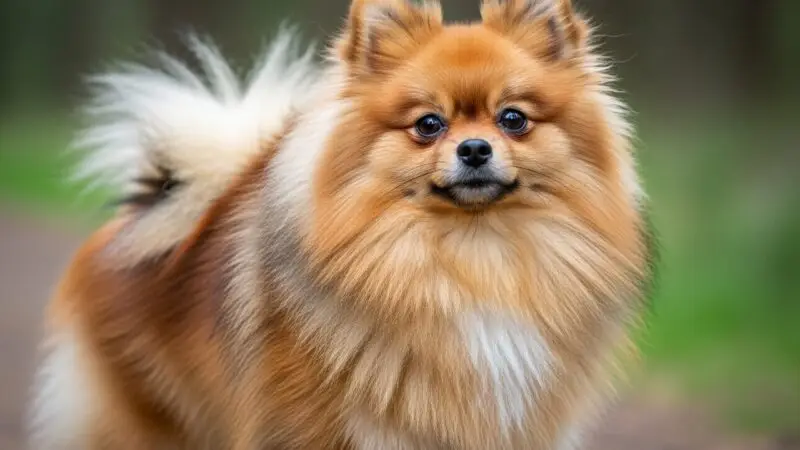
A special situation exists with the Pomeranian (Zwergspitz): The fashion wave around “Teacup Pomeranians” has created shadow breeding that selects for minimal size without regard for health. Hydrocephalus, fontanelles and heart problems are overrepresented in Teacup lines – anyone buying a Pomeranian should explicitly decide against Teacup variants.
When do you need professional support?
Dogs of Group 5, particularly Akitas and Chow Chows, often react unresponsively or rejectively to classic obedience methods. An experienced trainer who is familiar with primitive breeds and masters dog communication beyond recall-obedience training is more valuable here than a general puppy course. Nutritional advice is also worthwhile: Nordic breeds process fat particularly efficiently – a trait from their sledding days that can lead to overweight in modern households.
Frequently asked questions
Why doesn’t a Basenji bark?
The Basenji has anatomical peculiarities in the larynx that prevent typical dog barking. Instead, it communicates through yodeling, trilling and other vocalisations – but is by no means silent. Its vocalisation can be quite intense for unprepared owners.
How much exercise does a Siberian Husky need?
Huskies are endurance athletes – not sprinters. They need two to four hours of active movement daily in a form that corresponds to their pulling and running drive: bikejoring, canicross, sledding or intensive trekking. A Husky that goes for a walk “only” daily is chronically under-stimulated.
Are Akita Inu suitable for families?
Akita Inu are pronounced individual dogs – they form very intense bonds with few people and are reserved to distrustful towards strangers. In families with children, they work if socialisation starts very early and consistently. With other dogs, particularly those of the same sex, many Akitas show pronounced intolerance.
What makes the Chow Chow so special?
The Chow Chow belongs to the genetically oldest dog breeds at all and is classified in genomic studies as one of the most wolf-like dogs. Its blue tongue is a breed-typical trait without pathological significance. Its character – distant, dignified, loyal protector of few people – has little in common with what many imagine when they think of a family dog.