
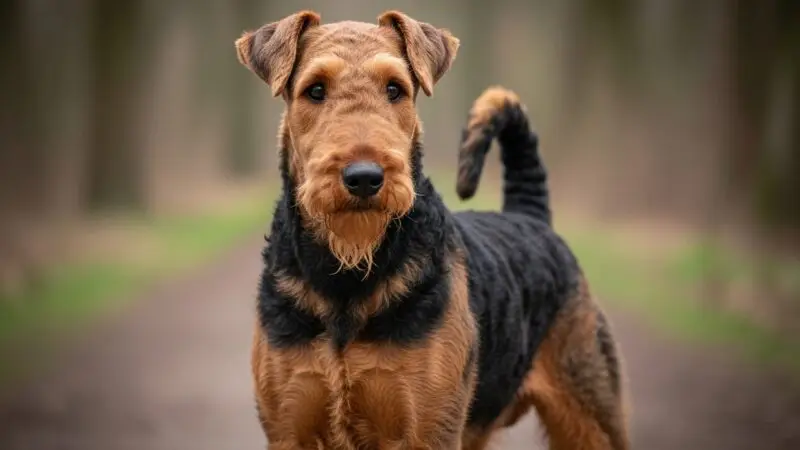
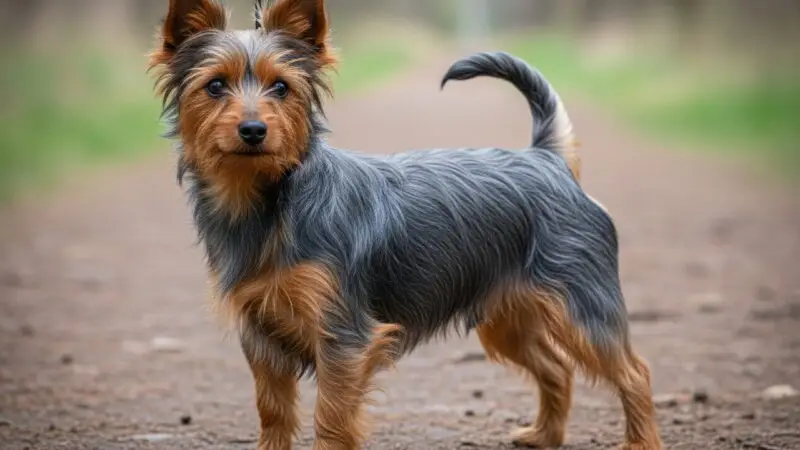

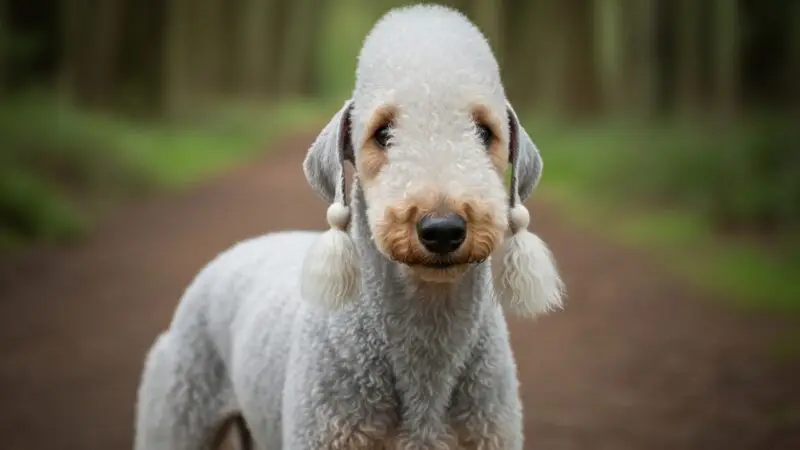
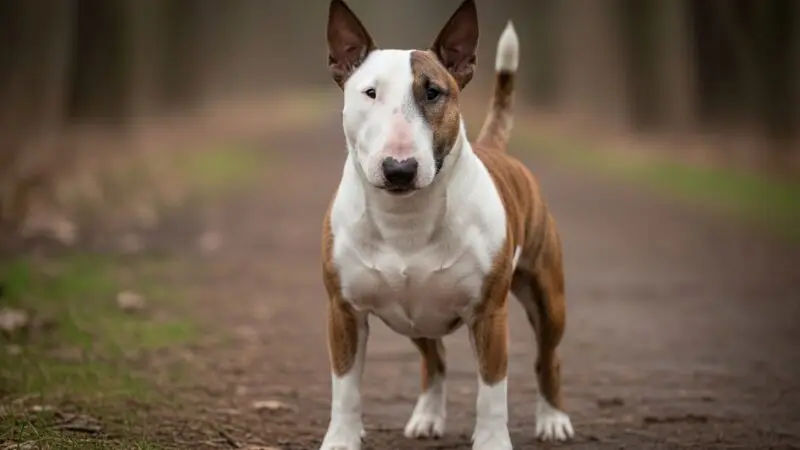
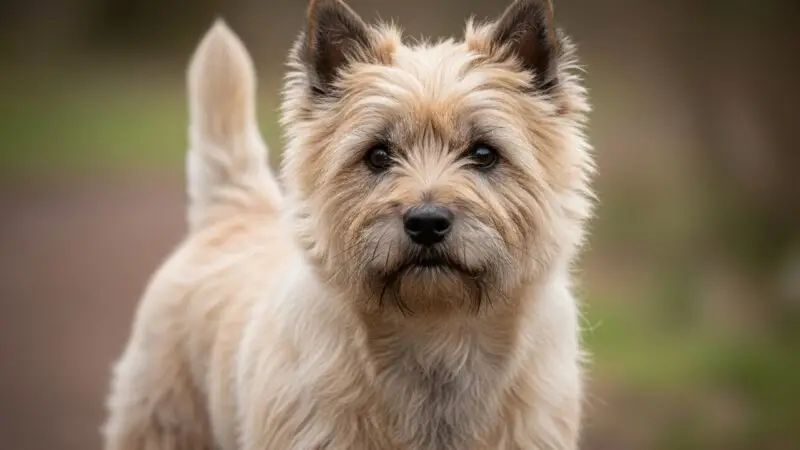


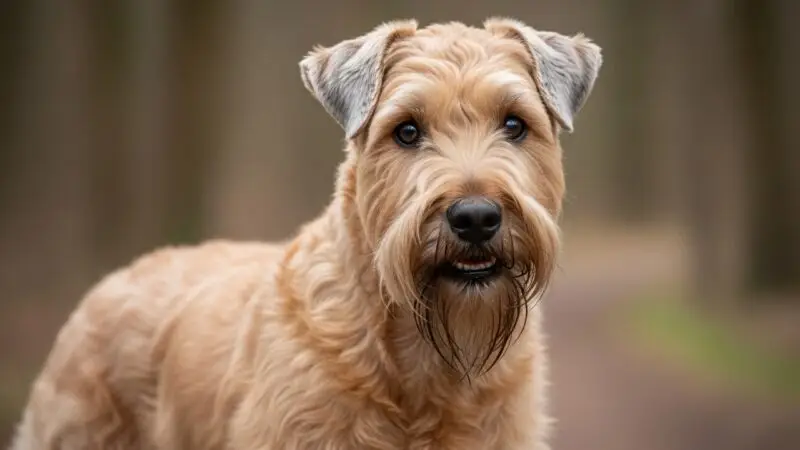
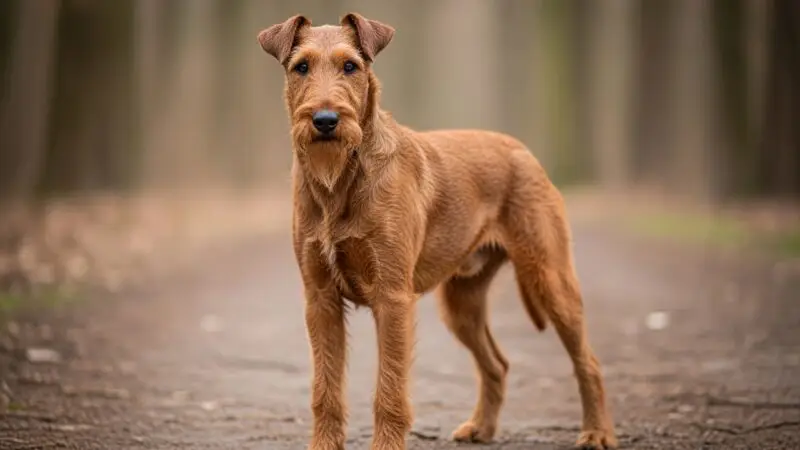
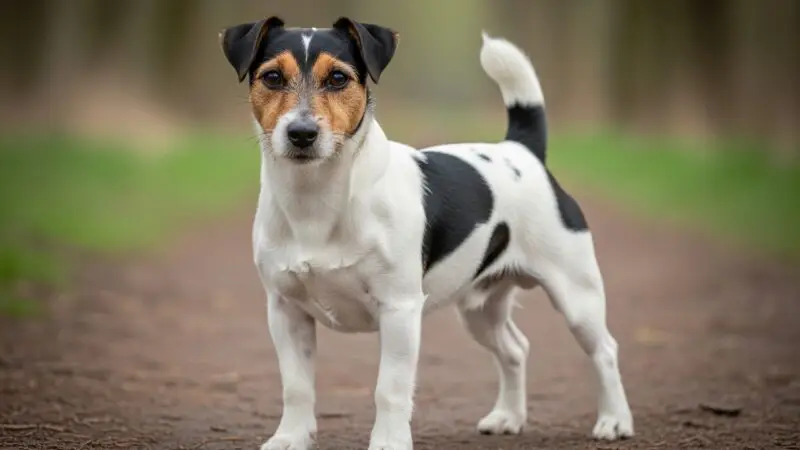






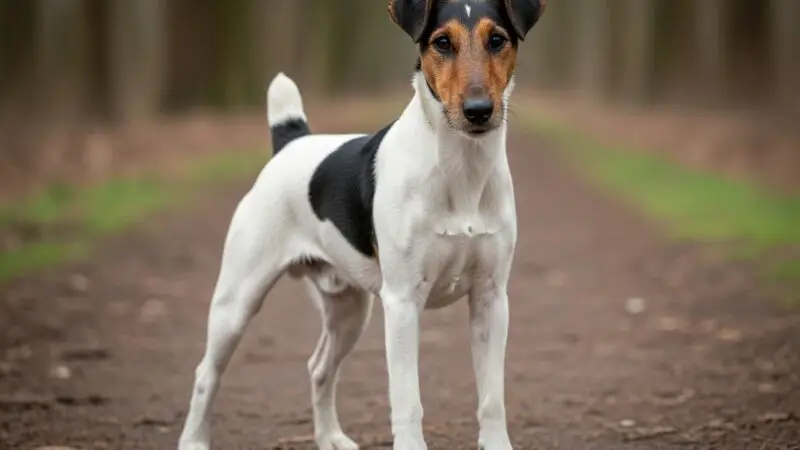


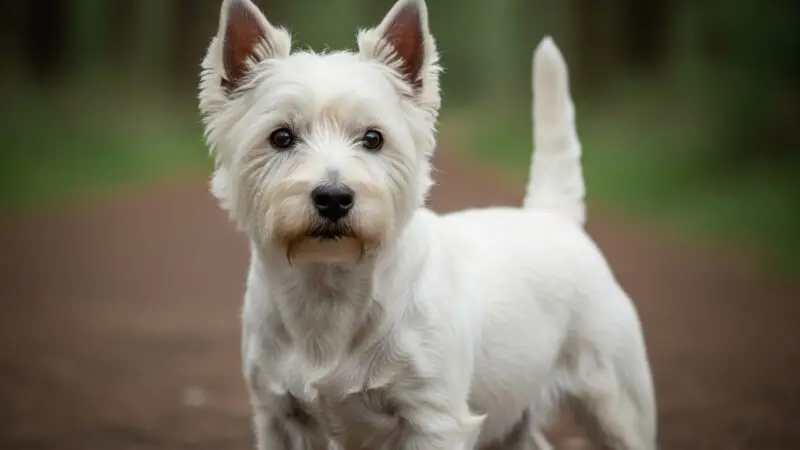
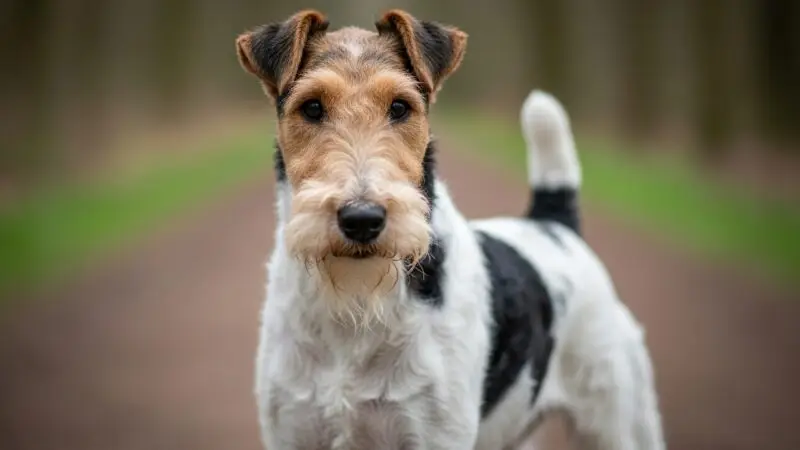

What makes FCI Group 3 so special?
Terriers are not herding dogs and not retrieving dogs – they are earthdogs, bred for one of the most physically demanding hunting tasks: independently entering narrow underground burrows, flushing out foxes, badgers or stoats, and driving them out or killing the prey. Once you have understood that, you also understand why a Jack Russell Terrier can dig up your garden in five minutes – this is not a training deficit, it is their profession.
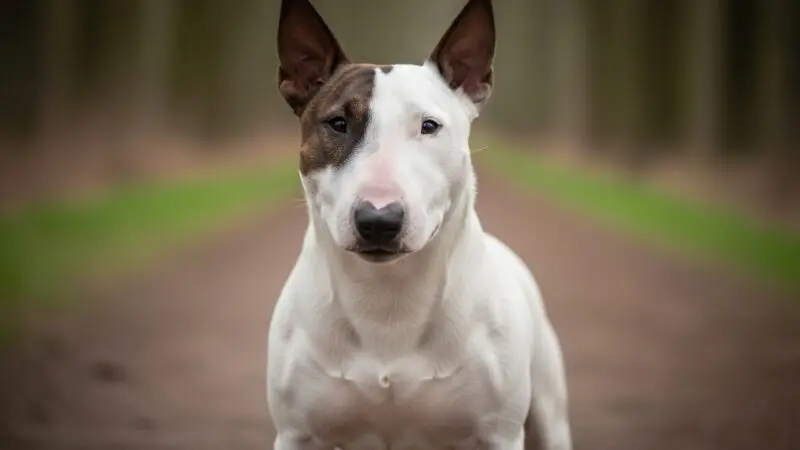
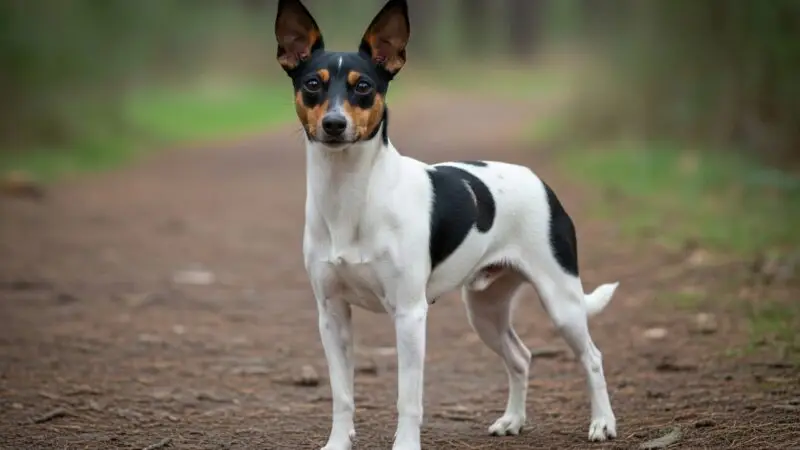
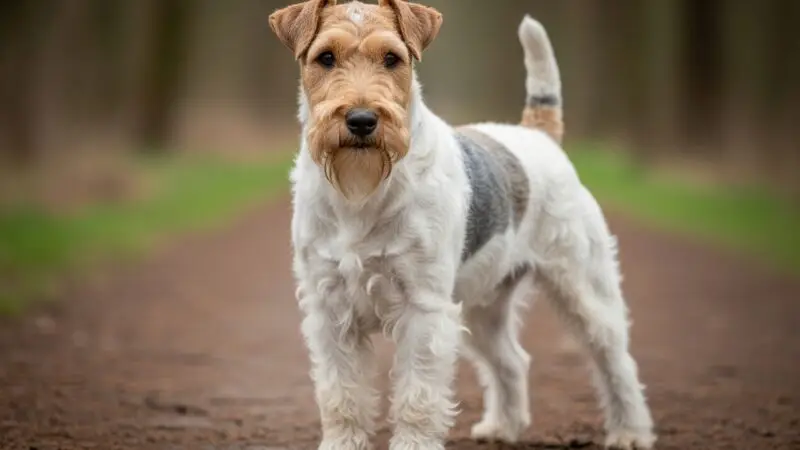
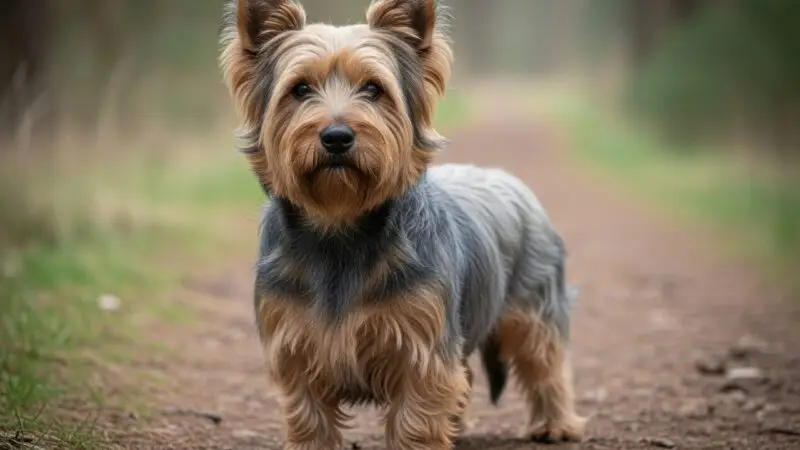
FCI Group 3 is one of the oldest groups of hunting dogs and largely originates from Great Britain and Ireland. The division into four sections primarily reflects differences in size: large terriers (e.g. Airedale Terrier, Welsh Terrier), small terriers (e.g. Jack Russell, West Highland White Terrier), bull-type terriers (Bull Terrier, Staffordshire Bull Terrier) and toy terriers (Yorkshire Terrier).
Character Profile: What All Terriers Have in Common
Terrier owners consistently report the same traits: endurance, stubbornness, energy, and a pronounced willingness to make their own decisions. The word “stubborn” doesn’t quite capture it – terriers aren’t stubborn, they are convinced. A terrier has an opinion, and it is often harder to change than in other breeds.
Prey drive and small animal presence
The prey drive in terriers is not trainable – it is genetically hardwired. A Jack Russell chasing a cat is following its oldest instinct. This means: In households with small animals such as rabbits, guinea pigs or birds, terriers should generally be used with caution. Some individuals learn to tolerate housemates; many never do so completely. This is not aggression – this is hunting behaviour that remains unsatisfying without prey.
Social behaviour towards other dogs
Bull-type terriers – particularly Bull Terriers and Staffordshire Bull Terriers – have a genetic predisposition to intolerance towards dogs of the same sex. This is historically documented: These breeds were selected in England for bull-baiting before the ban came into force in 1835. Owners report that well-socialised Staffordshire Bull Terriers can get along well with other dogs – but the tolerance threshold is significantly narrower than in other groups.
Intelligence and willingness to learn
Terriers are clever – but they prefer to work on their own terms. What dog trainers describe as “lack of cooperation” is actually a high degree of independent thinking. Terriers need training sessions that are worthwhile for them. Positive reinforcement with high-value stimuli works; coercive methods lead either to refusal or to increased resistance.
Common mistakes – and what really helps
The most common mistake when dealing with terriers is buying them as small, uncomplicated dogs. Yorkshire Terriers are the most frequently underestimated in this regard. A Yorkshire Terrier is not a lap dog – it is a miniature terrier with the full character of its group. If you leave it without consistency, you breed a tyrant who takes over the whole house.
What really helps: socialising the terrier early and consistently, channeling its prey drive into suitable outlets (mantrailing, earthdog work, drag hunting) and not infantilising it. A terrier that is given clear boundaries and allowed to live out its strengths at the same time is a robust, loyal companion with a sense of humour that not many other dogs have.
Breeding for harmful traits (Qualzucht) in FCI Group 3
The FCI Group 3 has mainly one problem regarding breeding for harmful traits: the Yorkshire Terrier. As one of the few breeds where extreme miniature format is actively sought after, the Yorkshire Terrier increasingly ends up on the list of breeds with health problems caused by breeding. Hypoglycaemia (low blood sugar) in Teacup variants, patellar luxation and hydrocephalus (water on the brain) in excessively small individuals are direct consequences of breeding for minimal size without health criteria.
In the Bull Terrier, the extreme head shape should be mentioned: The characteristic egg-shaped head is a breeder’s exaggeration of the last 100 years. Health impacts on teeth, jaw alignment and partly on intracranial space are considered documented. Reputable Bull Terrier breeders carry out orthopaedic and neurological examinations.
When do you need professional support?
If a terrier starts guarding resources, fixating on other dogs or showing hunting behaviour towards people, an experienced trainer is required – ideally one with experience in terrier-typical hunting behaviour. General obedience courses are often not sufficient for terriers; specific drive work and impulse control training bring significantly more benefit.
Frequently asked questions
Are terriers reliable on a lead?
Loose-leash walking is learnable in terriers – but their prey drive makes them candidates that quickly break off when stimulated. In open terrain without secure recall training, terriers should not run freely, as the prey drive can be stronger than any conditioning.
Does a terrier get along with cats?
This is highly individual and depends on early socialisation. Some terriers learn to accept cats raised in the house as family members; strange cats are almost always considered prey. Absolute safety does not exist in this regard.
Which terrier is most accessible for beginners?
The Soft-Coated Wheaten Terrier and the Border Terrier are considered somewhat more cooperative by experienced terrier owners than the classic high-performance terriers. However, both require the same consistent guidance – the difference lies in the degree, not in the type of demand.
How old do terriers get?
Terriers belong to the longest-lived dog breeds: Jack Russell Terriers regularly reach 14–16 years, West Highland White Terriers 13–15 years. The comparatively short genetic bottleneck situation due to isolated British breeding has paradoxically led to a robust constitution.