







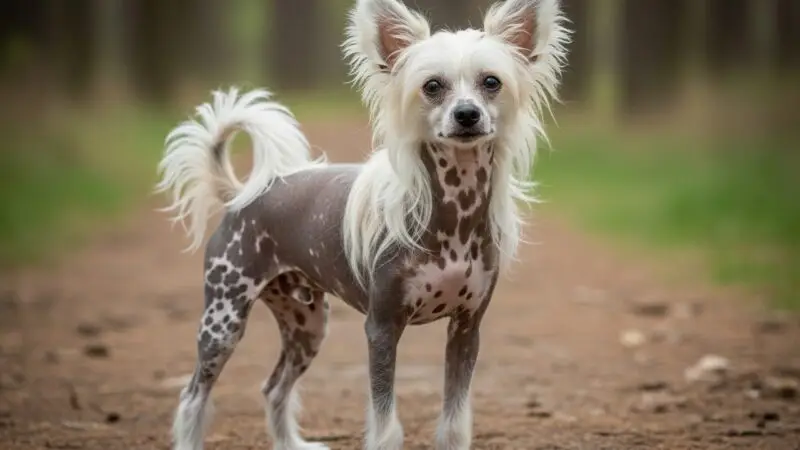




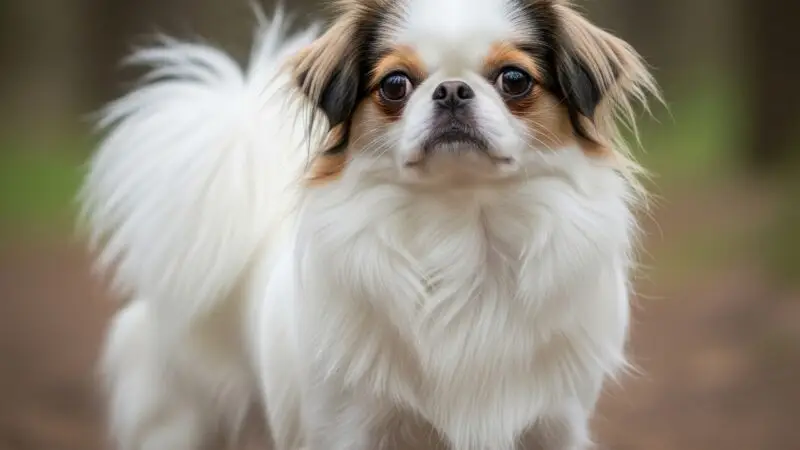




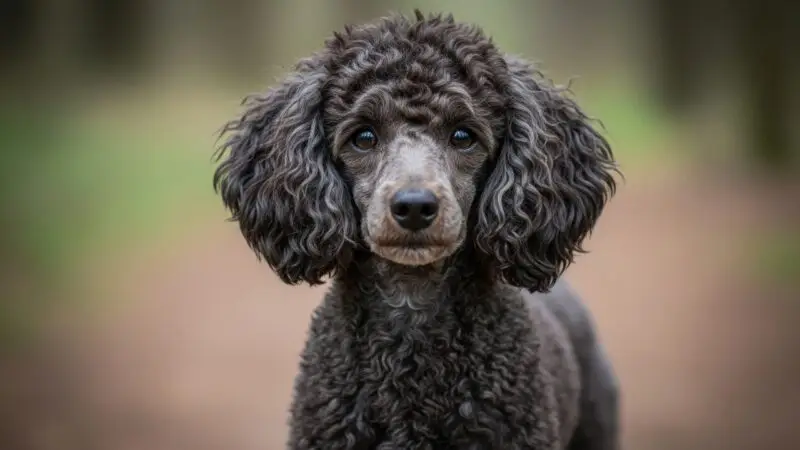

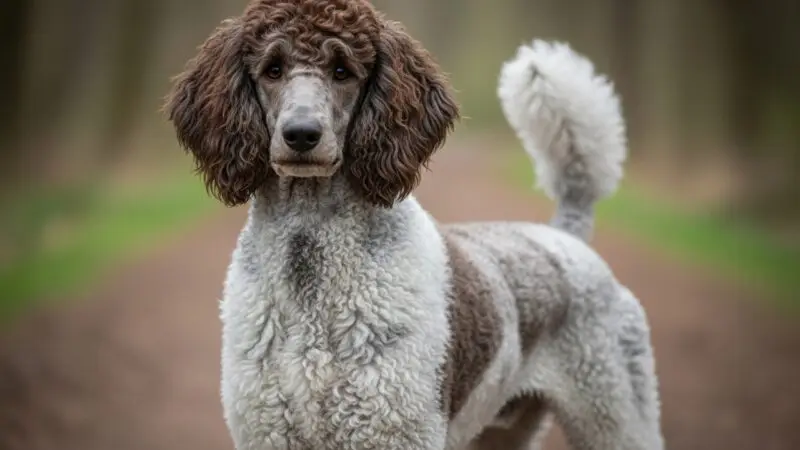





What defines FCI Group 9
According to the FCI definition, companion and pet dogs have no primary working task. Their breeding history is a history of human aesthetics: small dogs, striking dogs, dogs with special visual characteristics were selected by taste in aristocratic courts and bourgeois households for centuries. The result is one of the most diverse groups in the FCI system – and at the same time the one with the most serious structural health problems.
The group comprises 26 recognised breeds in different sections: Bichons (Maltese, Havanese, Bolonka), Poodles, Tibetan breeds (Lhasa Apso, Shih Tzu, Tibetan Terrier), small Belgian dogs, Molossoids of small format (Pug, French Bulldog, Boston Terrier), Epagneuls (Cavalier King Charles Spaniel) and Chihuahua.
Breeding for harmful traits as a structural problem in this group
In no other FCI group has breeding for appearance had such far-reaching consequences as in Group 9. Without working function as a corrective, only the show remained as a standard – and show judges assess according to standard, not health. This has led to an accumulation of traits associated with breeding for harmful traits that are now clearly documented in veterinary medicine.
Brachycephaly (short-headedness)
Brachycephalic dogs are dogs whose skulls have been altered through selective breeding for width and shortness – without soft tissues such as the soft palate, nasal turbinates, and nostrils being correspondingly adapted. The consequence is Brachycephalic Obstructive Airway Syndrome (BOAS): chronically impaired breathing, sleep apnoea, risk of heat collapse, and significantly reduced quality of life. Pugs, French Bulldogs, Boston Terriers, and Pekingese are the most severely affected. Studies by the Royal Veterinary College (RVC) show that over 50% of all pugs and French Bulldogs examined exhibit clinically relevant BOAS symptoms.
Teacup breeding
Within Group 9, a particularly critical practice has become established: breeding for miniature format, far below the breed standards provided for by the FCI. “Teacup Chihuahuas” or “Micro Maltese” do not exist as FCI-recognised varieties – they are products of demand that romanticises tiny dogs without considering the consequences. Hydrocephalus, fontanelles (gaps in the skull bone), heart problems, and extreme susceptibility to fractures are clinically documented in teacup lines. From an animal welfare perspective, the assessment is clear: anyone who buys a teacup dog is financing breeding that systematically produces sick animals.
Breeds with healthy profiles in Group 9
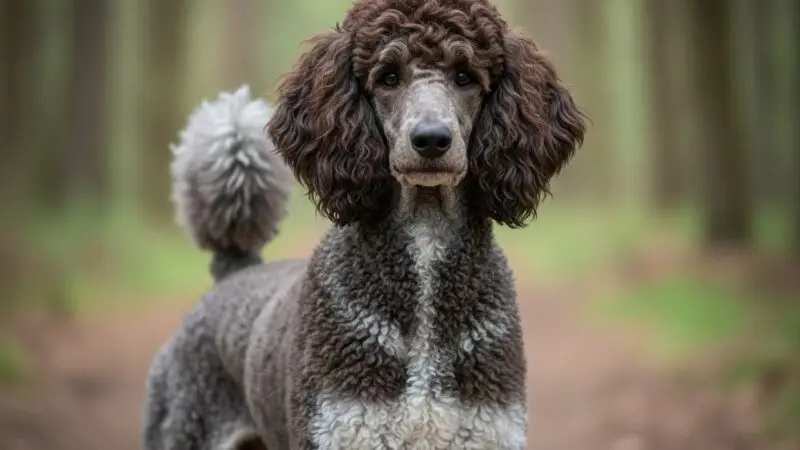
Despite the justified criticism of parts of the group, there are breeds that are structurally healthy and character-wise stable in Group 9. The Poodle – in all sizes – is an example: it is neither brachycephalic nor chondrodystrophic, has a natural body structure, and is considered one of the most intelligent dogs overall according to scientific measurements. Its coat requires regular care, but that is a husbandry requirement, not a health problem.
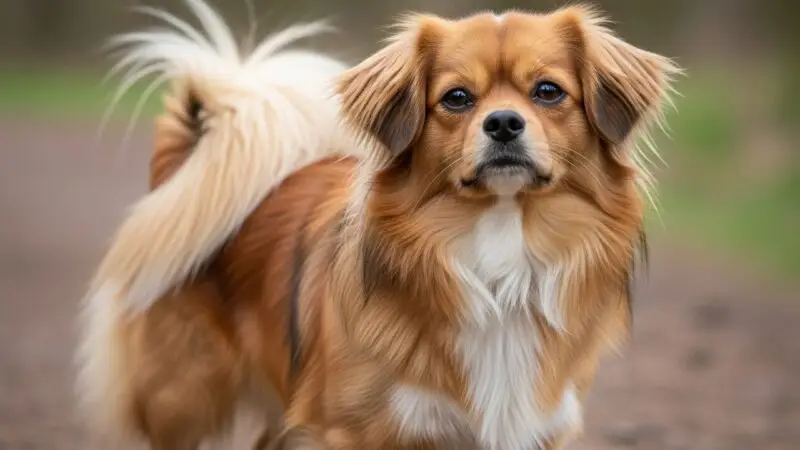
The Maltese and the Havanese are also structurally not brachycephalic and can be healthy dogs with reputable breeding – provided they are not bred for miniature format. The Tibetan Terrier and the Lhasa Apso come from the Tibetan high mountains and have robust structures that are maintained in non-exaggerated breeding.
The Cavalier King Charles Spaniel: A special case
The Cavalier King Charles Spaniel deserves separate consideration. It is partially brachycephalic, but the central health problem lies elsewhere: Mitral Valve Disease (MVD) and Syringomyelia. MVD is a heart disease that is clinically detectable in over 90% of all Cavaliers at the age of ten years. Syringomyelia – fluid accumulations in the spinal cord due to a skull space that is too small for the brain – is a direct consequence of breeding for the characteristic round head. Both conditions cause pain and significantly reduce life expectancy. The British breeding organisation has introduced a Health Protocol that mandates heart examinations and MRI checks for parent animals – however, implementation is inconsistent internationally.
Common mistakes – and what really helps
The most common mistake when buying a companion dog is underestimating its personality. Small dogs are often perceived as low-maintenance – which leads to “Small Dog Syndrome”: uncontrolled barking, resource guarding, aggression towards strangers. This is not a character defect of the dog, but the result of inconsistent training that is tolerated in small dogs because the immediate consequences seem less severe.
Buying a brachycephalic dog and then being surprised that it collapses in the heat or stops panting after ten minutes of walking – that is not just a bad day. That is structural respiratory insufficiency, which can be treated surgically (widening of the nostrils, shortening of the soft palate) and must be factored in when purchasing.
When do you need professional support?
For brachycephalic dogs: As soon as you notice breed-related breathing problems, a specialised vet is required – not after a year, but immediately. Operations on nostrils and soft palate are standard in brachycephalic surgery and measurably improve quality of life. Do not wait. Vets specialising in brachycephaly are listed in our directory.
Frequently asked questions
Is the French Bulldog breeding for harmful traits?
From the perspective of the Federal Association of German Veterinary Chambers and according to §11b of the Animal Welfare Act (TSchG): yes, in its current breeding standard. Over 50% of all French Bulldogs show clinically relevant BOAS symptoms. They cannot give birth naturally (caesarean section rate over 80%) and cannot swim freely. Norway has legally restricted the breeding of French Bulldogs and Cavalier King Charles Spaniels since 2023.
Which companion dogs are healthy?
Poodles (all sizes), Maltese and Havanese from reputable breeding, Tibetan Terriers and Bichon Frisé are considered structurally healthy representatives of Group 9. The origin is decisive: no teacup, no extremely flat face, documented health examinations of parent animals.
Can small dogs do dog sports just as well?
Absolutely. Poodles are world-class in agility and obedience; Maltese and Papillons regularly surprise with their speed and willingness to learn. Small dogs do not need low demands – they need species-appropriate enrichment adapted to their body size, but not to their abilities.
What is Rage Syndrome in Cavaliers?
The “Rage Syndrome” in the Cavalier King Charles Spaniel is a neuropsychiatric phenomenon – sudden, non-situation-dependent aggression attacks that begin and end abruptly. It is associated with epileptic activity and has been documented in Cavalier show lines. It is not identical to syringomyelia but can occur alongside it.