3 sourcesReviewed on March 18, 2023Responsible editor: Roger KleinText: Miriam Schäfer
01Summary
In a paragraph
If you only have 30 seconds.
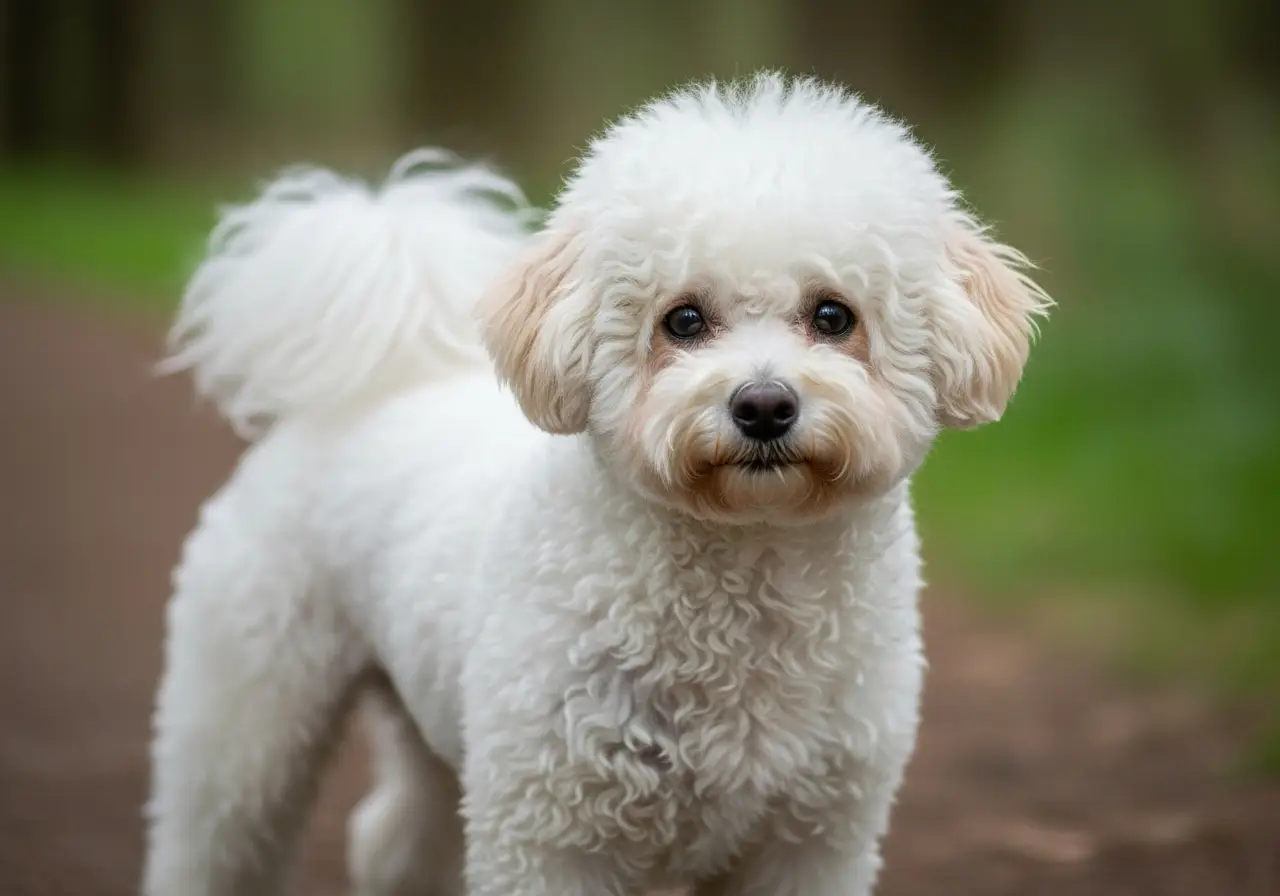
The Bichon Frisé is a small, white companion dog with curly fur, a high need for social contact, and a pronounced bond with humans. It demands daily closeness, consistent training, and professional grooming every six to eight weeks. Anyone who underestimates these three factors will end up with a dog that reacts to a lack of structure with barking behaviour or separation anxiety. Long-lived, suitable for city living, but not independent.
02Introduction
What makes the Bichon Frisé special
The Bichon Frisé is a small Belgian-French companion dog, FCI Group 9, hypoallergenic and suitable for city living, withers height 23–30 cm.
03Profile
Key facts and suitability
- Origin
- Belgien/Frankreich
- Original purpose
- Companion dog, lap dog
- FCI
- No. 215 · Group 9 · Section 1.1
- height at the withers
- 23–30 cm
- Weight
- 3–7 kg
- Life expectancy
- 14–16 Years
- Coat type
- Gelockt
- Minimum exercise
- 30 min/day
- Puppy price
- 1'200–2'500 CHF
- Waiting period
- 6 months
- Sports
- Agility · Obedience · Tricks
04Temperament
How the Bichon Frisé shows up in everyday life
When you come home, a Bichon Frisé awaits you who takes the greeting seriously: wagging, jumping, vocalisations; the return of the primary caregiver is an event for him. This is no coincidence, but an expression of a genetically anchored, very high need for social contact. This dog is oriented towards human company, not self-entertainment.
In everyday life, this shows concretely: the Bichon Frisé follows his primary caregiver through the apartment, seeks physical contact when sitting and noticeably reacts to changes in mood in the household. Those who live calmly and structuredly have a balanced dog. Those who are unpredictable or inconsistent will get a dog that reacts to the lack of orientation with barking or restlessness.
Towards strangers, the Bichon Frisé behaves openly and curiously. A visit rarely arouses mistrust; the dog approaches new people without pushing. This openness is typical for the breed and distinguishes it from breeds with a pronounced guarding instinct. Hunting or territorial behaviour are not part of its profile.
On a walk, he shows moderate stamina and curiosity. He explores, sniffs, reacts to environmental stimuli without the intensity of a working dog. Two short to medium sessions daily are sufficient for physical exercise. Mental enrichment through nose work or short training sequences meaningfully complements the movement offer.
Important: In the Bichon Frisé, the need for social contact and openness towards others go together; he is both dependent on his family and accessible to outsiders. This makes him uncomplicated in social interaction in everyday life, but increases the demand on the presence of the primary caregiver.
05Needs
What this breed needs daily
The Bichon Frisé needs 45 to 60 minutes of active exercise daily, divided into two to three sessions. Long hikes are not required, but short walks without mental supplementation are not enough in the long run. Nose games, short search tasks or trick training sequences of ten to fifteen minutes daily cover the need for mental work and prevent boredom-induced barking behaviour.
The need for social contact is the decisive factor for this breed. The Bichon Frisé needs several hours of daily human company, not passive presence, but active interaction. Periods of being left alone of more than three hours burden most representatives of the breed. Anyone who is regularly absent for longer must organise a reliable care solution: dog sitter, day care or a second primary caregiver in the household.
Grooming is an independent time factor that must be realistically calculated before getting a dog. The curly coat needs daily brushing (five to ten minutes) as well as professional clipping by a dog groomer every six to eight weeks. Without this care, the coat mats, which leads to skin irritation and pain.
Training and structure are not optional extras. The Bichon Frisé learns quickly and works motivatedly with positive reinforcement. Consistency is more important than training intensity. An accompanying dog training school in puppyhood lays the foundation for reliable everyday behaviour. In particular, the structured building up of being left alone should start early, step by step, with short absences that are slowly extended.
Exercise
Low
mental work
Medium
Social needs
Very high
training
Easy
06Quick Check
07Suitability
Who this breed suits and who it doesn't
✓Matches
The Bichon Frisé suits people or households who spend a large part of the day at home or have flexible working hours, home office, part-time work or retirement. It is essential that the daily period of being left alone does not regularly exceed three hours.
Suitable for individuals who actively seek company and are willing to integrate the dog into everyday life: shopping, café, visits to friends. The Bichon Frisé accompanies without problems if he is accustomed to different environments early on.
Families with children from about six years of age, who know and adhere to respectful handling of a small dog, are also suitable. The dog is open towards children, but needs opportunities to retreat and clear rules in handling.
Seniors with an active daily routine and a stable everyday structure benefit from the moderate exercise requirements and the close bond. Prerequisite: grooming must be ensured regularly by yourself or by third parties.
Living in a city without a garden is not an exclusion criterion; keeping the dog in an apartment works if sufficient walks and mental enrichment are planned. Those who additionally bring experience with consistent training of small dogs have a clear advantage.
×Doesn't match
The Bichon Frisé is not suitable for people who are away from home for eight or more hours daily and cannot organise reliable care. The high need for social contact is not a character trait that can be trained away through habituation; it is genetically anchored.
Not suitable for households that consider grooming a secondary matter. Anyone unwilling to brush daily and finance professional care every six to eight weeks does the dog no favours. Matted fur causes pain and skin problems.
Anyone looking for a dog that occupies itself and demands little attention will not be happy with a Bichon Frisé. The breed is oriented towards interaction; a couch dog without companionship is not a Bichon concept.
Households with very young children under four years of age who have not yet learned controlled handling with dogs should carefully weigh the decision. The Bichon Frisé is not a robust playmate for intensive physical contact.
Anyone who believes that a small dog automatically means less training effort underestimates this breed. Lack of consistency leads to barking behaviour and separation anxiety, regardless of body size.
08Related
Similar breeds and how they differ
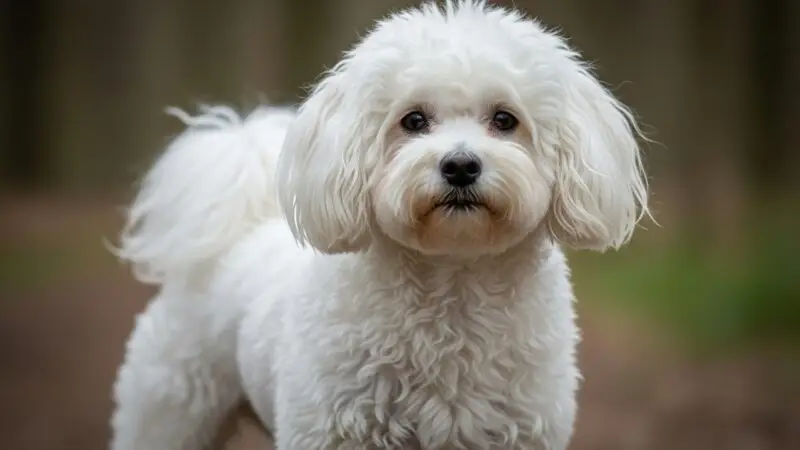
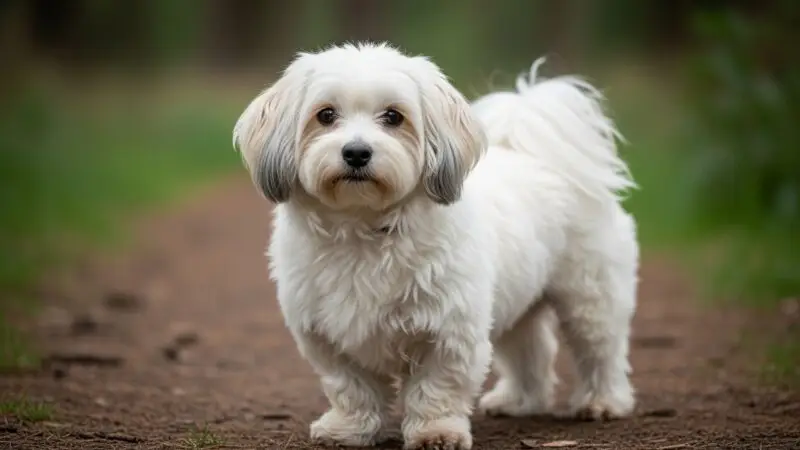

09Line reality
Show line, working line, breeder market
The Bichon Frisé is bred exclusively as a companion and pet dog. Working lines, hunting lines or field trial lines do not exist; since its standardisation, the breed has had no functional role outside of human companionship.
However, there is a relevant distinction between show-oriented breeding and breeding with a focus on temperament and health. Show lines prioritise the characteristic, voluminous coat and the typical silhouette according to the FCI standard. This can lead to grooming effort and presentation requirements taking centre stage. Breeders focusing on temperament and health place greater emphasis on patella examinations, dental alignment and social behaviour.
There are regional differences between North American and European breeding. In the USA, the breed was strongly popularised from the 1970s onwards, which led to a broader breeding base but also more variable quality. European breeding under FCI patronage (France, Belgium) is considered closer to the standard.
Anyone looking for a Bichon Frisé should specifically ask about health screenings of the parent dogs, regardless of whether the breeder communicates a show or temperament focus. The breeding line alone is not a reliable quality indicator.
10Health · Reality
What you need to plan for medically with your Bichon Frisé
The Bichon Frisé is considered a robust small dog breed with a life expectancy of 14 to 16 years. This places it in the upper range among small dog breeds.
Patellar luxation is the most common orthopaedic disease in small dog breeds. Reputable breeders have breeding dogs examined before mating and exclude affected dogs from breeding.
Dental problems (tartar, periodontitis, premature tooth loss) occur disproportionately frequently in small dog breeds. Regular dental care (daily teeth brushing or chew toys) and annual veterinary dental checks reduce the risk. According to a survey by the Vetsuisse Faculty Bern (2021), over 70% of small dogs show signs of periodontitis from the fifth year of life onwards.
Skin irritations and allergies (food intolerances, environmental allergies) occur in Bichon Frisés and often manifest as itching, redness, or paw licking. Veterinary investigation is required for persistent symptoms.
Overweight is an underestimated risk in this breed. The moderate exercise requirement combined with frequent feeding of treats during training can quickly lead to overweight, which strains joints and heart health. Regular weight checks at the vet (at least once a year) are recommended.
Preventive examinations: patella check before breeding, annual dental check, eye examination if abnormalities are noticed.
11Structured data
Health by the numbers
Prone to diseases
Urinary stones, patellar luxation, eye problems, allergies
Recommended health tests
Patella screening, eye examination
12Myths ↔ Reality
What is often said incorrectly about this breed
Five myths, five realities, five sources.
"The Bichon Frisé is hypoallergenic and does not trigger allergies.
No dog is completely allergy-free. The Bichon Frisé sheds little and releases less fur into the environment, but continues to produce saliva, skin flakes (dander) and urine proteins, which are the actual main triggers of dog allergies. Allergy sufferers should have an allergy test carried out before getting a dog and have contact with the breed several times.
"Small dogs like the Bichon Frisé require hardly any training.
The Bichon Frisé reacts sensitively to inconsistency and quickly develops undesirable barking behaviour, resource guarding or separation anxiety in the absence of structure. A dog's size does not correlate with its need for training. Consistent, positive leadership is just as necessary for this breed as for large breeds.
"The Bichon Frisé is a low-maintenance lap dog.
The curly coat of the Bichon Frisé grows continuously and mats quickly without regular care. Professional clipping is required every six to eight weeks, daily brushing in between is recommended. The annual care costs for this breed often significantly exceed those of other small dog breeds.
"The Bichon Frisé tolerates long periods alone without problems.
The Bichon Frisé has a very high need for social contact. Periods of being left alone of more than three hours are stressful for most representatives of the breed and can trigger separation anxiety. The ability to be left alone must be built up early, gradually and in a structured manner; leaving the dog alone spontaneously for hours is incompatible with the nature of this breed.
"White dogs like the Bichon Frisé are particularly sensitive and prone to illness.
The white coat colour alone is not an indicator of susceptibility to disease. The Bichon Frisé is considered a robust small dog breed with a life expectancy of 14 to 16 years. Breed-typical health risks such as patellar luxation or dental problems are due to breeding, not coat colour, and can be reduced by responsible breeding with health screenings.
13animal welfare
The animal welfare perspective
Breeder market, designer versions, animal shelter reality: what no one writes in the puppy ad.
The Bichon Frisé is not a breed that appears in large numbers in animal welfare, but it is also not a special case exempt from this. The most common reasons for surrender are changed life situations of the owners (moving, allergy, separation) and underestimated care requirements. Anyone who does not concretely calculate what professional grooming every six to eight weeks costs and entails before getting a dog often gives up the dog after just a few months.
On the backyard breeder market, the Bichon Frisé is a sought-after product due to its popularity and its "hypoallergenic" reputation. Puppies are offered via classifieds portals without pedigree proof, without health screening of the parent dogs, and with questionable origin details. Prices under 800 euros for a Bichon puppy from Europe are a warning signal; reputable breeding with health examinations, socialisation, and support has its price.
Designer variants such as the "Poochon" (Bichon × Poodle) or "Maltichon" (Bichon × Maltese) are marketed with the promise of combining the positive traits of both breeds. Health screenings are rarely standard for these crosses, and registration in a stud book is not possible. Anyone purchasing such a cross has no guarantee regarding temperament or health profile, neither for the parent dogs nor for the puppies.
Rehoming an adult Bichon Frisé from animal welfare organisations is a fully valid alternative. Breed-specific animal welfare groups and general animal shelters occasionally have Bichons in their care. Adult dogs come with a known history, making their temperament assessable, which reduces surprises. Anyone open to this option makes an informed decision, not one of desperation.
14Costs · Transparency
What this breed realistically costs
A Bichon Frisé puppy from reputable breeding recognised by the VDH or FCI costs between 1,500 and 2,500 euros in Germany and Switzerland. Offers significantly below this range often originate from uncontrolled breeding without health screenings.
Ongoing costs in the first year are typically higher than in subsequent years: basic equipment (transport crate, lead, bowl, toys) 200–400 euros, puppy vaccinations and initial examinations 300–500 euros, dog training school 200–400 euros.
From the second year onwards, the following costs arise regularly: food (quality dry food or fresh meat) 40–80 euros per month, professional grooming every six to eight weeks 60–120 euros per session (720–1,440 euros/year), annual veterinary preventive care 150–300 euros. In addition, there is the dog tax (depending on the municipality 50–150 euros/year) and liability insurance (50–120 euros/year).
Pet insurance for a Bichon Frisé costs between 30 and 80 euros per month, depending on the provider and scope of cover. With a life expectancy of 14–16 years and potential treatment costs for patellar luxation (surgery 1,500–3,000 euros) or dental treatments (200–800 euros), insurance can be sensible; taking out a policy while the dog is still a puppy is cheaper.
15Puppy search
What you need to consider when choosing a breeder
- A reputable breeder allows puppies to leave no earlier than at eight weeks, shows both parent dogs or at least the mother on site, and provides health certificates (patella examination, eye examination).
- Puppies offered without the possibility of inspection, via advance payment, or through intermediary portals without contact with the breeder are a clear warning signal.
- Breeders affiliated with the Association of German Small Dog Breeders (VK e.V.) or the Small Dog Club Switzerland (KCS) are subject to breeding regulations with minimum standards for health and keeping.
- Membership is not a guarantee of quality, but it is an initial point of orientation.
- Ask the breeder specifically: Which health examinations were carried out on the parent dogs?
- How is the socialisation of the puppies structured?
- Is there a purchase contract with a take-back guarantee?
- Adoption via animal welfare organisations is an equally valid option.
- Bichon Frisés are occasionally given up, often due to underestimated care requirements or changed life situations of the previous owners.
- Adult dogs from adoption often come with a known history and can be a conscious decision.
- Breed-specific animal welfare groups are a good starting point for the search.
FAQ
Frequently asked questions about the Bichon Frisé
Is Bichon Frisé suitable for beginners?
Bichon Frisé is considered suitable for first-time dog owners.
Is Bichon Frisé a family dog?
Bichon Frisé is considered suitable for families with good socialisation and species-appropriate care.
How much exercise does Bichon Frisé need?
At least around 30 minutes of exercise per day.
Does Bichon Frisé suit an apartment?
With enough exercise and enrichment, Bichon Frisé can also be kept in an apartment.
What is the size and weight of Bichon Frisé?
Fully grown, Bichon Frisé reaches about 23–30 cm at the withers and weighs around 3–7 kg.
What is the life expectancy of Bichon Frisé?
The life expectancy of Bichon Frisé is approximately 14–16 years.
Is Bichon Frisé suitable for allergy sufferers?
Bichon Frisé is considered relatively hypoallergenic. There’s never a guarantee — test direct contact beforehand.
Which diseases are common in Bichon Frisé?
Urinary stones, patellar luxation, eye problems, allergies
Participate
Do you have a good photo of your Bichon Frisé?
We are looking for expressive images for our breed profiles. Submit yours; the editorial team reviews every submission before publication.
Does this breed suit you?
Ideal city dog for allergy sufferers. Very people-oriented, requires regular clipping and care. No garden necessary.