
01Summary
In a paragraph
If you only have 30 seconds.
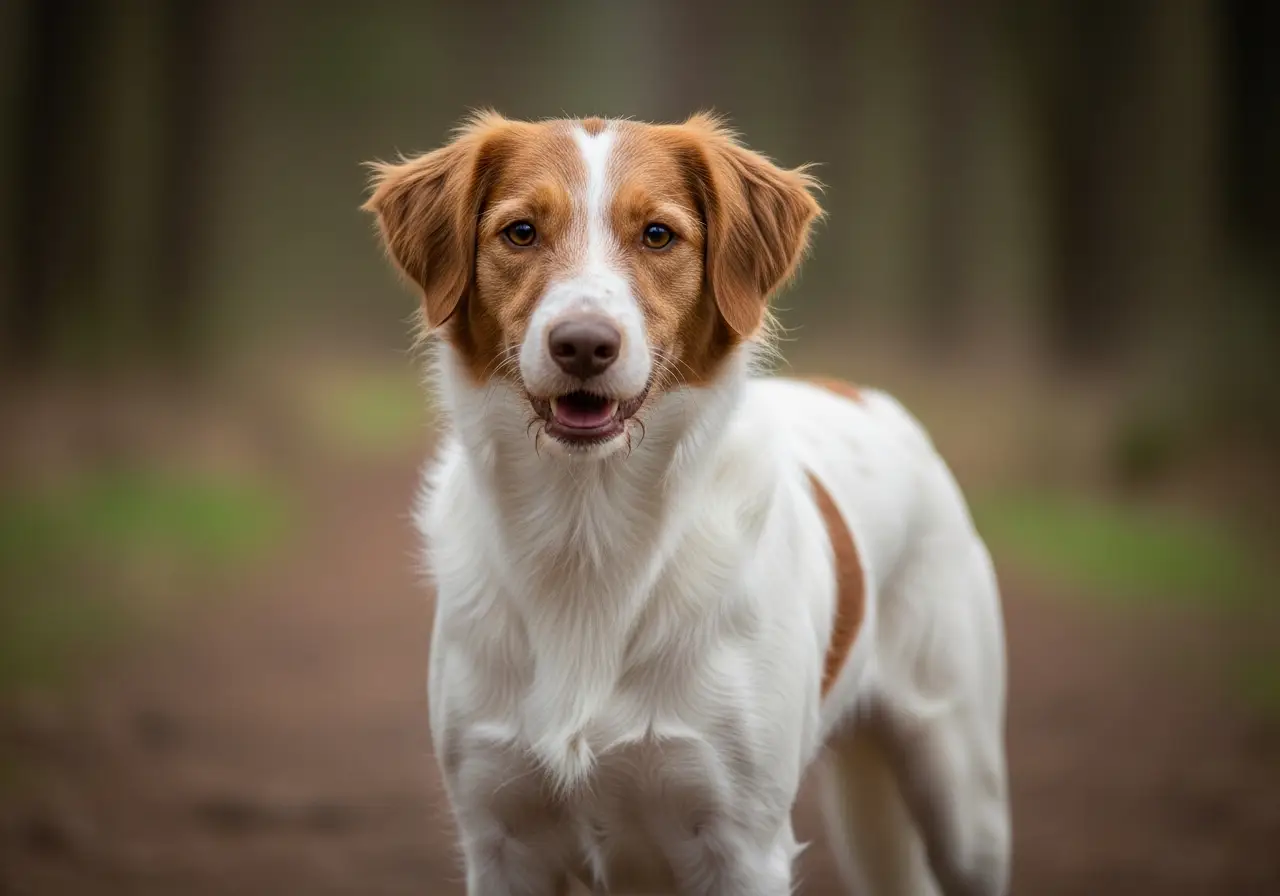
The Kromfohrländer is one of the youngest German dog breeds, rare, people-oriented and with a pronounced sensitivity to moods. It bonds closely with its key people, reacts sensitively to changes and requires a calm, reliable daily structure. Whoever understands this breed gains an attentive companion. Whoever underestimates it gets a dog that responds with insecurity and withdrawal.
02Introduction
What makes the Kromfohrländer special
The Kromfohrländer is the only dog breed developed in Germany, FCI Group 9, friendly and rare, withers height 38–46 cm.
03Profile
Key facts and suitability
- Origin
- Deutschland
- Original purpose
- Companion dog
- FCI
- No. 192 · Group 9 · Sektion 10: Kromfohrländer. Ohne Arbeitsprüfung.
- height at the withers
- 38–46 cm
- Weight
- 9–16 kg
- Life expectancy
- 13–15 Years
- Coat type
- Long-haired
- Minimum exercise
- 45 min/day
- Puppy price
- 1'200–2'200 CHF
- Waiting period
- 12 months
- Sports
- Agility · Obedience · Tricks
04Temperament
How the Kromfohrländer shows up in everyday life
When you come home, a Kromfohrländer does not greet you with loud barking, but with attentive observation, followed by close physical proximity. It follows you through the flat, seeks eye contact, and registers mood swings earlier than you yourself perceive them.
This is where the internal axis becomes apparent: The need for social contact of this breed is high. The Kromfohrländer requires active integration into the daily life of its reference persons, not just physical presence, but genuine interaction. Hours alone on the sofa while the house is empty do not correspond to its profile.
The external axis looks different. According to the FCI standard, the Kromfohrländer behaves reservedly towards strangers. When guests visit, it initially withdraws, observes, and decides for itself when to make contact. Anyone who pressures it during greeting receives rejection. Anyone who gives it time experiences a dog that approaches curiously after twenty minutes.
These two poles (high need for social contact with trusted individuals, reserve towards strangers) must not be confused. A Kromfohrländer that is closely attached to its family is therefore not automatically open to everyone.
On a walk, it shows interest in its surroundings but generally stays within sight. Its low prey drive makes it less impulsive than many other breeds. Nevertheless, it requires mental enrichment: nose work, trick training, or structured search games keep its mind stimulated. A Kromfohrländer that is under-stimulated reacts with restlessness or increased clinginess.
05Needs
What this breed needs daily
The Kromfohrländer requires approximately 60 to 90 minutes of active exercise daily. This is not about endurance performance, but rather varied activity: walks with opportunities to sniff, occasional play, and structured enrichment in alternation.
At least three sessions per day are advisable, in the morning, midday, and evening. Long periods without activity or social contact do not correspond to the need profile of this breed.
Mental stimulation is not an optional extra. The Kromfohrländer benefits from nose work, search games, and trick training. These forms of enrichment engage its willingness to learn and reduce tension. Two to three short training sessions per week, each lasting 10 to 15 minutes, are sufficient to challenge its mind without over-exciting it.
Being left alone must be introduced carefully. The Kromfohrländer’s attachment orientation makes it susceptible to separation stress if habituation is lacking. A maximum of three hours alone is a realistic guideline, provided there is appropriate training and a stable daily routine.
Keeping the dog in an apartment is possible if social closeness and daily exercise are ensured. A garden is helpful but not a prerequisite. More important is the quality of time spent together: a Kromfohrländer in a small apartment with lots of interaction lives better than one in a house with little attention.
Training works best with calm, consistent communication. The dog reacts sensitively to pressure and inconsistency. Positive reinforcement and clear signals form the most reliable foundation.
Exercise
Medium
mental work
Medium
Social needs
High
training
Easy
07Quick Check
08Suitability
Who this breed is suitable for – and who it isn't
✓Matches
The Kromfohrländer suits individuals or families looking for a close, person-oriented companion dog and who are willing to dedicate 60 to 90 minutes of active time to it daily. Households with a regulated daily routine and predominantly calm atmosphere correspond to its profile.
Well-suited are individuals or couples who spend a lot of time at home or work remotely. The dog benefits from key people who notice its mood signals and respond to them without overprotecting it.
Families with children aged approximately eight years and older are also suitable, provided the children have learned respectful interaction with the dog and do not rush towards it uncontrollably. The Kromfohrländer needs the opportunity to withdraw.
Experienced first-time owners who plan for a supportive dog training school from the start and engage with the breed’s character structure are also suitable. Crucial is the willingness to build daily structure consistently.
Those who frequently receive visitors should know that the dog reacts cautiously towards strangers and needs time before initiating contact. This is not a problem, but it requires guests who accept this behaviour and do not force interaction.
×Doesn't match
The Kromfohrländer does not suit individuals who are away from home for eight hours or more daily and cannot organise reliable care for the dog. Its high need for social contact is incompatible with long periods of being left alone.
Households with a very hectic, noisy daily life (frequent parties, constantly changing visitors, unpredictable routines) do not meet the requirement profile. The dog reacts to chronic stress by withdrawing or showing behavioural issues.
Those looking for a dog that approaches every stranger openly and warmly will be disappointed by the Kromfohrländer. Its caution towards unknown people is not a training error, but a breed characteristic according to the FCI standard. Anyone who perceives this trait as a problem should choose a different breed.
Individuals who equate the dog’s close bond with general sociability (i.e., expect that a clingy dog is automatically also sociable with strangers) underestimate the breed. This confusion of the internal and external axes leads to frustration on both sides.
Households where children under six years old interact with the dog unsupervised are also not suitable. The Kromfohrländer needs opportunities to withdraw and reacts to overstimulation by avoiding contact.
10Line reality
Show line, working line, breeder market
The Kromfohrländer exists in two varieties defined by coat structure: Rough-haired and Smooth-haired. Both varieties originate from the same breeding base and differ exclusively in their external appearance, not in temperament, not in performance requirements, and not in character structure.
A differentiation into working lines, show lines, or field trial lines does not exist for the Kromfohrländer. The breed has been bred as a pure companion dog from the beginning and has no historical working tradition that would justify a separation of lines. The FCI standard lists it without a working test.
Due to the small breeding population, the genetic base is narrow. Breeders in the DACH region work with international partners to ensure sufficient diversity. Therefore, the choice of breeder has a direct influence on the puppy's genetic health, not on a specific line, but on the quality of the overall mating planning.
Anyone looking for a Kromfohrländer should not ask about a specific line, but about the health tests of the parent animals, the inbreeding coefficient of the planned mating, and the breeder's membership in a recognised breed club.
11Health · Reality
What you need to plan for medically with your Kromfohrländer
According to the breed club, the life expectancy of the Kromfohrländer is 12 to 15 years, a solid range for medium-sized dogs, which however depends heavily on the genetic quality of breeding.
The small breeding base is the central health risk of this breed. A narrow gene pool increases the probability that recessive hereditary diseases occur in the population and spread. Primary epilepsy and certain skin diseases (including ichthyosis-like changes) are documented in the Kromfohrländer. Reputable breeders carry out neurological health checks and exclude affected animals from breeding.
There are no breed-typically elevated rates for hip and elbow dysplasia (HD/ED); the breed is medium-sized and not bred for extreme body proportions. Nevertheless, parent animals should be tested for HD; an X-ray report of the parents is part of the minimum requirements for reputable breeding.
Eye examinations are recommended but not mandatory for all lines. A current eye check of the parent animals (not older than 12 months before mating) is a sensible criterion when choosing a breeder.
Overweight is not a breed-typical main problem in the Kromfohrländer, but can arise with insufficient exercise. The weight should be checked regularly; a dog with a visible waist and palpable ribs is within the normal range.
Preventive examinations at the vet are recommended every six months, particularly to check the skin, teeth and neurological status.
12Structured data
Health by the numbers
Prone to diseases
Cysts between the toes (interdigital cysts), epilepsy, generally robust
Recommended health tests
Eye examination
13Myths ↔ Reality
What is often said incorrectly about this breed
Five myths, five realities, five sources.
"The Kromfohrländer is an uncomplicated dog for beginners because it appears small and calm.
The FCI standard describes the Kromfohrländer as spirited and reserved towards strangers. A dog with a strong attachment orientation and sensitive temperament does not tolerate inconsistent handling or a lack of daily structure. Anyone keeping a dog for the first time needs support from a dog training school and a clear understanding of this breed's needs; the calm impression is misleading regarding the actual care effort required.
"Because the Kromfohrländer is rare, it must be particularly healthy.
The opposite is the risk: A small breeding base increases the danger of inbreeding and the spread of hereditary diseases. Epilepsy and certain skin conditions are documented in Kromfohrländers. Reputable breeders conduct health tests and pay attention to genetic diversity; for rare breeds, this is not standard practice but an active achievement that should be enquired about when purchasing.
"The Kromfohrländer has hardly any prey drive, so it can run freely without problems.
Although the FCI standard lists low prey drive as a breed characteristic, this does not mean that a Kromfohrländer is automatically reliably recallable or ignores moving objects in every situation. Low prey drive reduces the risk but does not eliminate it. Off-lead exercise requires a solid recall, which must be trained consistently.
"A Kromfohrländer fits into any quiet household because it is adaptable.
Adaptability in the sense of the FCI standard means that the dog can learn to cope with various living situations, not that it requires arbitrarily little attention. The need for social contact of this breed is high. A household where the dog spends many hours alone or receives little active interaction does not meet the Kromfohrländer's requirements.
14animal welfare
The animal welfare perspective
Breeder market, designer versions, animal shelter reality — what no one writes in the puppy ad.
The Kromfohrländer is one of the rarest dog breeds in the German-speaking area. This rarity has direct consequences for the market and for animal welfare.
Backyard breeders and dubious offers
Because demand exceeds supply, incentives arise for backyard breeders to produce litters without health tests, without membership of a breed club and without regard for the inbreeding coefficient. Offers on classifieds portals with immediate availability, without documentation of parent animals and at unusually low prices are a warning signal. For a breed with known epilepsy risks, the origin of the puppy is not a formality; it determines the health of the animal for years to come.
Genetic depletion as a structural problem
The small breeding base is not an individual failure of individual breeders, but a structural risk of the breed. Reputable breed clubs are actively working to maintain genetic diversity through international matings. Whoever buys a Kromfohrländer supports this work with their choice or undermines it. This is not a question of morality, but of information.
Designer versions and trends
The Kromfohrländer has so far hardly been affected by designer crossbreeding trends. Its rarity partly protects it from fads. Nevertheless, unusual names or crossbreeding offers should be critically questioned to determine whether they concern a purebred dog with FCI papers.
Adoption as an equally valid option
Kromfohrländers practically do not appear in animal welfare contexts; the breed is too rare for significant numbers to end up in shelters. Whoever is considering an adult dog can contact breed clubs: These occasionally carry out return placements when owners have to give up a dog for personal reasons. An adult dog with a known history is often the more reliable choice for experienced owners than a puppy of unclear origin.
15Costs · Transparency
What this breed realistically costs
A puppy from a reputable breeder with VDH/FCI papers usually costs between 1,500 and 2,500 EUR in the DACH region. Offers significantly below this range without complete documentation of the parent animals should be viewed critically.
The annual living costs consist of food (approx. 600–900 EUR/year for a medium-sized dog with quality food), grooming needs (rough-haired variety: occasional trimming, approx. 100–200 EUR/year at the groomer), basic equipment in the first year (lead, collar, transport box, bed: approx. 300–500 EUR one-off) and ongoing vet costs.
Basic veterinary care (vaccinations, parasite prevention, annual preventive examination) amounts to approx. 300–500 EUR per year. In addition there are unforeseen costs: A neurological assessment for suspected epilepsy can cost 500–1,500 EUR, depending on the scope of diagnostics.
Dog liability insurance is compulsory in Switzerland and some German federal states and costs approx. 50–120 CHF/EUR per year. Health insurance for the dog is optional, but a sensible consideration for a breed with known epilepsy risks; annual premiums are 400–900 EUR depending on provider and scope of cover.
16Puppy search
What you need to consider when choosing a breeder
- A reputable breeder is a member of a recognised breed club; in the German-speaking region, these are the Rassezuchtverein der Kromfohrländer e.V.
- (Germany) and the Schweizer Kromfohrländer-Club.
- Both clubs maintain breeder lists and ensure that matings meet minimum standards for health and genetic diversity.
- Concrete criteria for reputable origin: The parent dogs are tested for epilepsy and skin diseases.
- An HD X-ray report of the parents is available.
- The inbreeding coefficient of the mating is documented and within an acceptable range.
- The breeder allows you to visit the mother with the puppies.
- Puppies leave the litter no earlier than eight weeks of age.
- Waiting periods of six to twelve months are normal for this rare breed; anyone who receives a puppy immediately should check the origin particularly carefully.
- Adopting an adult Kromfohrländer through the breed club is an equally valid option.
- Return dogs from known breeding offer the advantage that their character structure and health status are already assessable.
- No specific breeder recommendations are made here; current breeder lists are available directly via the breed clubs.
FAQ
Frequently asked questions about the Kromfohrländer
Is Kromfohrländer suitable for beginners?
Kromfohrländer is considered suitable for first-time dog owners.
Is Kromfohrländer a family dog?
Kromfohrländer is considered suitable for families with good socialisation and species-appropriate care.
How much exercise does Kromfohrländer need?
At least around 45 minutes of exercise per day.
Does Kromfohrländer suit an apartment?
With enough exercise and enrichment, Kromfohrländer can also be kept in an apartment.
What is the size and weight of Kromfohrländer?
Fully grown, Kromfohrländer reaches about 38–46 cm at the withers and weighs around 9–16 kg.
What is the life expectancy of Kromfohrländer?
The life expectancy of Kromfohrländer is approximately 13–15 years.
Which diseases are common in Kromfohrländer?
Cysts between the toes (interdigital cysts), epilepsy, generally robust
17Breed clubs
Official breed clubs in DACH
19Related
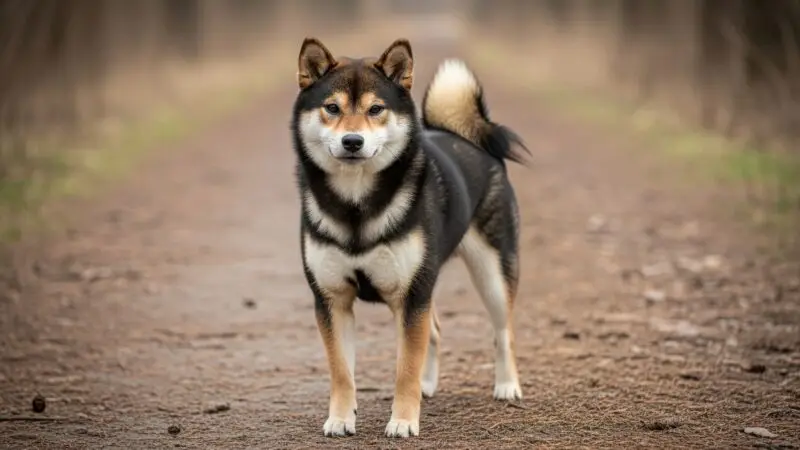
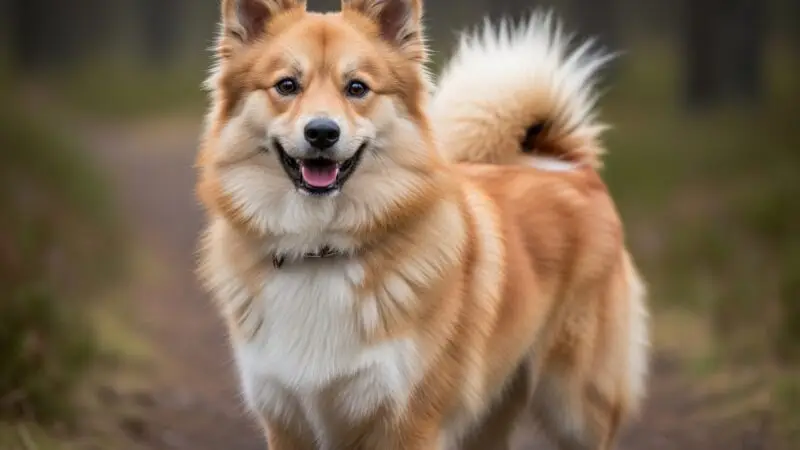
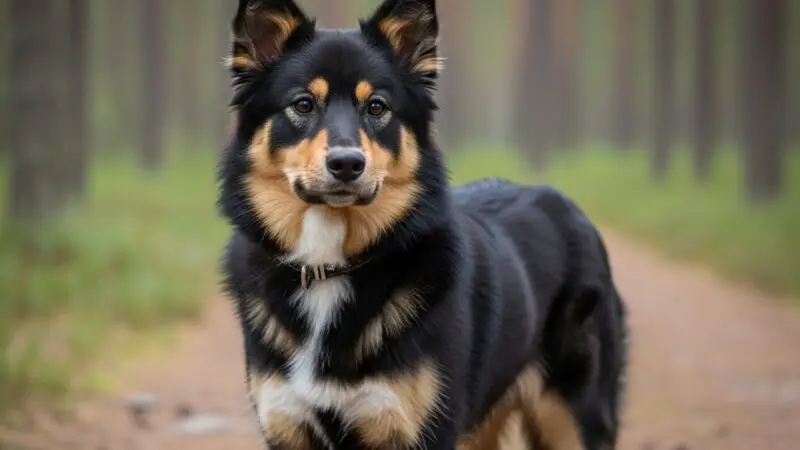
Similar breeds – and their differences
You might also be interested in
Participate
Do you have a good photo of your Kromfohrländer?
We are looking for expressive images for our breed profiles. Submit yours; the editorial team reviews every submission before publication.
Does this breed suit you?
Only dog breed bred exclusively in Germany. Friendly, adaptable and rare.