
The loyal guard dog: protector or witness?
Observer, watcher or protector? The three types of protection dogs have different instincts and require different training approaches.
Content
- What types of dogs are there in terms of protective behaviour?
- How do you recognise a natural observer?
- What distinguishes a watcher from an observer?
- How does a true protector behave?
- Which breeds are suitable for which task?
- How do you train the right protective behaviour?
- Does a guard dog fit into your life?
- Frequently asked questions about guard dogs
You hear a noise in the garden at night and your dog reacts. But what does it do then? Does it stand barking by the window or position itself between you and the potential danger? Not every dog that barks is also a protector.
What types of dogs are there in terms of protective behaviour?
In terms of protective behaviour, three basic types can be distinguished: the observer, the watcher and the active protector. An observer like a Sheltie reports every anomaly to you but does not intervene. A watcher like many sheepdogs defends its territory, but not necessarily you personally. A true protector, on the other hand, physically positions itself between you and a threat.
The difference often lies in genetics. Herding dogs were selected to report dangers. Livestock guardian dogs should repel wolves. Personal protection dogs like the Rottweiler were bred for the direct defence of their human.
How do you recognise a natural observer?
An observer reacts to every change in its environment. It notices a twig snapping three houses away and informs you about it. Border Collies, Australian Shepherds or even small breeds like Chihuahuas fall into this category.
The behaviour shows early on: Already as a puppy, these dogs observe people and other animals more intensively than others. They often position themselves in elevated spots with a good overview. Their barking is informative, short and sharp, without signs of aggression.
Australian Shepherds report every postman, every delivery person, even the wind in the trees. They remain relaxed, wagging their tails even while barking. They want to communicate, not threaten.
What distinguishes a watcher from an observer?
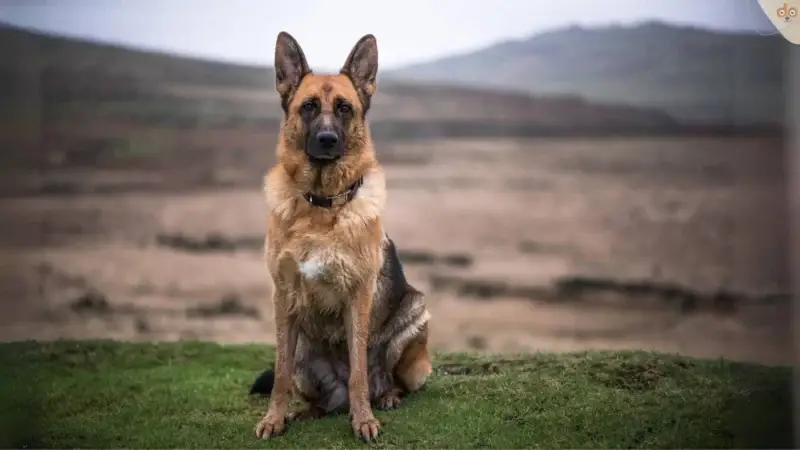
The watcher goes one step further. It defines a territory and actively defends it. German Shepherds, Mastiffs or Giant Schnauzers show this behaviour particularly pronounced.
You recognise it by the body language: The dog stands with legs wide apart, makes itself look big, fixes its gaze on the potential threat. Its barking is deeper, more penetrating. It moves between the danger and its territory, but not necessarily between the danger and the human.
A watcher can also become problematic: It may defend the garden fence against playing neighbours’ children or the front door against the postman. Without training, territorial protection quickly turns into territorial aggression.
How does a true protector behave?
The protector is primarily oriented towards you, not the territory. Rottweilers, Dobermans or Cane Corsos were selected for this task. They read your body language and react to your mood.
A trained protector remains calm when you are relaxed, even with strangers. If you feel discomfort or fear, it immediately positions itself between you and the source of your tension. This happens instinctively, without a command.
Professional training is essential for true personal protection. An untrained dog with protective instincts can become dangerous, for you and others. It decides itself what constitutes a threat.
Which breeds are suitable for which task?
For observation: Shetland Sheepdog, Border Collie, Australian Shepherd. These breeds have keen senses and like to share what they perceive. They are less suitable for direct protection, but excellent early warning systems.
For guarding: German Shepherd, Mastiff, Pyrenean Mountain Dog. They have natural territorial instincts and the physical presence to deter intruders. Clear boundaries regarding what belongs to their territory are indispensable for them.
For personal protection: Rottweiler, Doberman, Belgian Shepherd (Malinois). With professional training, these breeds can learn to distinguish real from imagined threats and only act in an emergency.
How do you train the right protective behaviour?
Training begins with socialisation. An unsocialised dog cannot distinguish between harmless visitors and real threats. It classifies either everything or nothing as dangerous.
With observers, you mainly train the “quiet” command. They should report but fall silent at your signal. A Sheltie that barks for hours because of rustling leaves no longer serves its purpose.
Guard dogs need clear territorial boundaries and impulse control. They must learn that not every stranger is a threat. Training takes place step by step with known helpers in controlled situations.
Genuine personal protection training belongs in the hands of professionals. A dog that attacks on command must also be able to stop on command. If trained incorrectly, it becomes a danger to everyone involved.
Does a guard dog fit into your life?
A watchdog fits into almost any household. It warns against burglars but may annoy you with false alarms. A good choice for families who want a sense of security without taking on major responsibility.
A guard dog requires experienced owners and clear structures. It can become territorially aggressive if poorly handled. It is not suitable for insecure first-time owners or chaotic households.
A personal protection dog is a full-time job. It needs daily training, mental stimulation and an owner who takes on leadership responsibility. Only suitable for people who understand and can live with this responsibility.
Frequently asked questions about guard dogs
Can every dog be trained as a guard dog?
No. Genuine personal protection requires specific genetic predispositions. A Golden Retriever will never develop the toughness of a Rottweiler. You can teach it basic obedience and territorial behaviour, but not instinctive readiness to protect.
From what age do dogs show protective behaviour?
You can see the first signs as early as 4 to 6 months. A puppy that stands in front of you or pushes other dogs away from you shows early protector instincts. Full protective behaviour develops with sexual maturity at around 12 to 18 months.
Are guard dogs dangerous for children?
Properly socialised and trained guard dogs distinguish between family and strangers. Many are particularly gentle with children. It becomes problematic with inadequate training or if children are interpreted as a threat.
Can guard dogs be normal family dogs?
Yes, but they need more structure than other breeds. A Rottweiler can play with the children during the day and guard the house at night. Consistent training and clear rules for all family members are crucial.
How do I recognise reputable guard dog trainers?
Reputable trainers work with positive reinforcement, not intimidation. They ask about your life situation and reject unsuitable owners. Avoid trainers who promise to turn any dog into a guard dog in a few weeks.