The sensitive phase: Week 3 to 12
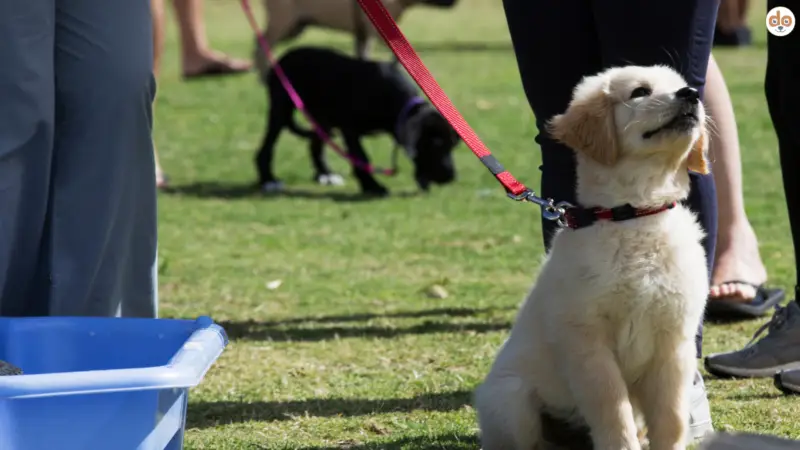
The socialisation phase runs roughly from week 3 to 16, with the most intense period between weeks 3 and 12. In this window, your puppy absorbs new stimuli maximally and classifies them as normal. The fear of the unknown is still low. Puppies with diverse experiences during this time, other dogs, people, noises, surfaces, develop fewer anxiety disorders and aggression later on.
What puppies should experience now
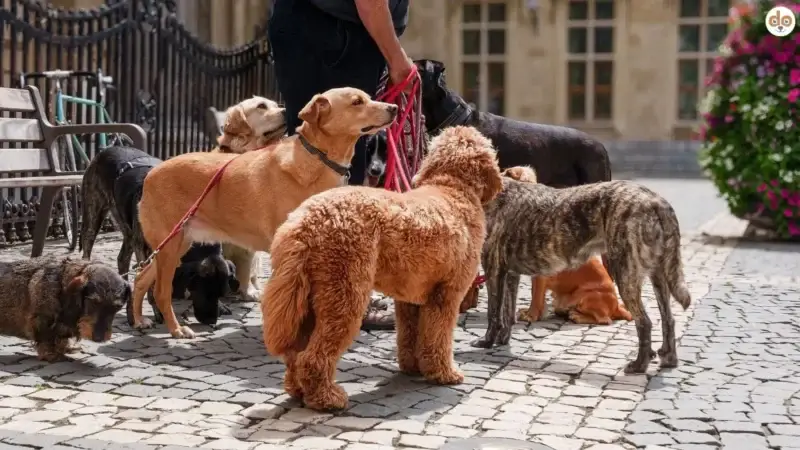
Other dogs: Playing, sniffing, respectful interaction with larger dogs and puppies.
People: Different age groups, sizes, voices. Touch without coercion.
Environmental stimuli: Various floors (grass, asphalt, gravel), noises (traffic, construction sites, umbrellas), places (park, city, countryside).
All contacts must be voluntary. The puppy should approach on its own, not be pushed.
Positive experience versus confrontation
Simply taking a puppy to the park is not enough. A puppy surrounded by large dogs that reacts nervously learns fear, not normality. Socialisation has to be controlled: the puppy approaches of its own accord, experiences something positive (a treat, play, a gentle touch) and withdraws when it has had enough. The puppy sets the pace.
Build-up by week phases
Week 3–4: Simple environmental stimuli in a safe environment, household noise (vacuum cleaner), visits from different people, exploration of various surfaces.
Week 5–6: First group courses (puppy school), contact with other puppies, slight noises in the outdoor area.
Week 7–9: More frequent environmental contacts, more people, various places (market, park), getting to know larger dogs.
Week 10–12: Consolidating everything experienced so far, active training with other puppies, more frequent sessions.
Continuity counts. A puppy course once a week is not enough. Your puppy must experience different stimuli several times a week.
Consequences of missing socialisation
Under-socialised puppies often go on to develop fear aggression, leash reactivity, fear of people or fear of other dogs. A fearful puppy can only soften this imprinting in adulthood through intensive training, never fully undo it. Studies show that puppies without sufficient socialisation in their first 12 weeks run a significantly higher risk of behavioural problems later on.
Typical mistakes
Too passive: The puppy sits in the park and watches. It must actively seek contact, otherwise it learns nothing.
Too forced: The puppy is led to a large dog although it shows fear. This reinforces fear rather than reducing it.
Too uncontrolled: A puppy is overwhelmed by strange dogs or given incorrect guidance in poorly run classes. Negative experiences cause harm.
When professional support makes sense
A good puppy class offers structured, safe socialisation with dogs and people under expert supervision. A trainer can assess when your puppy is overwhelmed and needs a break. Without experience, mistakes are easily made, especially with anxious puppies.