
The 15 Most Popular Border Collie Mixes
Border Collie mixes combine the intelligence of the Border Collie with other breed traits, but require 2–3 hours of stimulation daily and are usually not suitable for dog beginners.
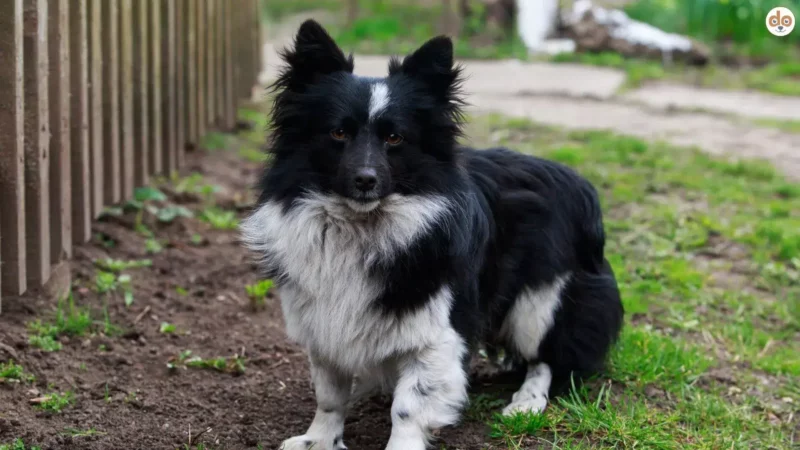
Content
You’re considering getting a Border Collie mix? Then read this first – honestly, without sugarcoating. These dogs combine the legendary intelligence of the Border Collie with the character of a second breed, which sounds tempting at first. But: A Border Collie mix is not a family dog you can just casually keep. Most need two to three hours daily – and that means real stimulation, both physical and mental.
What Border Collie Mixes Inherit from the Border Collie
Every Border Collie mix carries this “work mode” within them – that compulsive focus on movement, the extreme learning speed, the almost insatiable drive for enrichment. The herding instinct often shows up in daily life as nipping at children’s heels or systematically “herding” family members in the living room. Crossbreeding can soften this, but it is never bred out completely.
Which Border Collie Mixes Are Suitable for Beginners?
Honest answer: very few. Most likely the Borador (Border Collie × Labrador) or the Golden Border Retriever – in both cases, the retriever part noticeably relaxes the Border Collie temperament. All other mixes require owners who are familiar with extreme activity levels and a fair amount of stubbornness.
Border Aussie (Border Collie × Australian Shepherd)
Size: 50–58 cm, 20–30 kg. Two working dog breeds in one dog – the result is not a family project, but a full-time job. Border Aussies that do not have a real task daily become destructive. Compulsive disorders such as endless circling or shadow-chasing are not uncommon in under-stimulated animals. Hard to beat for agility or genuine sheep farming; a disaster for people who want to sit on the sofa in the evenings.
Border Heeler (Border Collie × Australian Cattle Dog)
Size: 45–55 cm, 18–25 kg. The toughest representative of this group – and I mean that seriously. Australian Cattle Dogs come with natural mistrust and bite faster than Border Collies. Consistent leadership must be established from the eighth week of life. Without real work – livestock herding, search and rescue training – this mix quickly develops problems. City life is simply unsuitable for Border Heelers.
Border Beagle (Border Collie × Beagle)
Size: 35–45 cm, 12–18 kg. At first glance one of the more relaxed variants – the Beagle part makes it more social and less obsessive. The catch lies elsewhere: Border Beagles follow their nose and switch off all commands in the process. Combined with Border Collie intelligence, they learn incredibly fast how to open doors or climb over fences. Daily sniffing games are not a nice-to-have, but mandatory.
Borgi (Border Collie × Corgi)
Size: 25–35 cm, 10–15 kg. Border Collie energy in a Corgi body length – this takes its toll on the joints. Many Borgis develop disc herniations because they jump and run like a purebred Border Collie despite their short legs. The Corgi’s stubbornness makes training a real test of patience. Nevertheless, the Borgi belongs to the more city-suitable representatives of this mixed group.
Shollie (Border Collie × German Shepherd)
Size: 55–65 cm, 25–35 kg. A power package that is regularly underestimated. German Shepherds are territorial, Border Collies are focused – together this can lead to pronounced guarding behaviour that is hard to rein in. From the fourth month onwards, the Shollie needs professional guidance. For families with small children, it is not a good choice, as it tends to “correct” using physical force.
Golden Border Retriever (Border Collie × Golden Retriever)
Size: 50–60 cm, 22–32 kg. The most family-friendly representative of this group. The Golden Retriever brings patience and people-orientation, which noticeably dampens the Border Collie intensity. It still needs two hours of exercise daily. If you are not familiar with Golden Retriever fur: brush daily during shedding season – otherwise your apartment will soon be a carpet of hair.
Collie Huskador (Border Collie × Siberian Husky)
Size: 50–60 cm, 20–30 kg. A dog for people who seriously do sports. Siberian Huskies are endurance runners, Border Collies are sprinters – this mix wants both, daily. Without sufficient exercise, many Collie Huskadors develop auto-aggression up to paw-licking that leaves wounds. At temperatures above 25°C they collapse quickly; they need winter sports or long bike tours, not cosy walks.
Border Jack (Border Collie × Jack Russell Terrier)
Size: 30–40 cm, 8–15 kg. Small, but with an energy and determination that should not be underestimated. Jack Russell Terriers are fight-ready, Border Collies are obsessed – this results in dogs that take on everyone and never give up. Border Jacks bite more often than other mixes and need clear boundaries from the first day as a puppy. Dog parks or multi-dog households are difficult.
Borador (Border Collie × Labrador Retriever)
Size: 50–60 cm, 25–35 kg. The most balanced Border Collie mix available. Labradors bring people-orientation and fewer neuroses than purebred Border Collies. Boradors are suitable for families – provided they get at least 90 minutes of exercise daily. Too little movement quickly shows in the weight of the Labrador part. The coat is easy to care for, but sheds year-round.
Border Pointer (Border Collie × Pointer)
Size: 50–60 cm, 20–28 kg. A dog for hunters or long-distance runners. Pointers have an enormous drive for movement and a pronounced hunting instinct – Border Pointers can run for hours without getting tired. In areas with lots of wildlife, they are problematic as they tend to poach. Without daily, truly long runs, they become destructive.
Bordoodle (Border Collie × Poodle)
Size: 45–55 cm, 18–25 kg (depending on poodle size). The curly coat sounds easy to care for – it’s misleading. It must be professionally groomed every six to eight weeks, costing 80–120 euros per session. Poodles are intelligent but less obsessive than Border Collies, making the Bordoodle overall somewhat more relaxed. It still needs mental work. Many develop separation anxiety if they are spoiled too much.
Border Pit (Border Collie × Pitbull)
Size: 45–55 cm, 20–30 kg. In Germany, this mix is classified as a restricted breed in many federal states – this means bureaucratic effort even before the first walk. Border Pits are physically strong and mentally enduring; with improper keeping, this combination quickly becomes problematic. Anyone who decides on this needs experience with both fighting dog prejudices and extreme drive for movement equally. Unsuitable for first-time dog owners.
Border Sheltie (Border Collie × Shetland Sheepdog)
Size: 35–45 cm, 12–20 kg. Two herding breeds result in a hyperactive dog with lots of opinions. Shelties bark a lot anyway – Border Shelties comment on their environment practically permanently. Unsuitable for rental apartments. The long coat tangles quickly without daily brushing. Border Shelties are highly sensitive and need calm, patient owners who do not confuse consistency with pressure.
Border Springer (Border Collie × English Springer Spaniel)
Size: 45–55 cm, 18–25 kg. A dog for very active families or hunters. Springer Spaniels are crazy about water – Border Springers jump into every stream, pond, and puddle they find. Access to bodies of water and at least two hours of movement daily are not an option but a prerequisite. The Springer coat sheds heavily and smells intensely of dog when wet – you should like that.
Border Whippet (Border Collie × Whippet)
Size: 45–55 cm, 15–22 kg. A sprinter with a Border Collie brain. Whippets reach 60 km/h; Border Whippets gladly use this speed for creative “problem-solving” – such as jumping over two-meter-high fences. They need daily free running in fenced areas. Below 10°C they need dog clothing, as they get cold quickly.
What Border Collie mixes cost to keep
If you think a mixed-breed dog is cheaper to keep than a purebred dog, you are greatly mistaken with Border Collie mixes. The mental stimulation alone adds up monthly: agility training costs 60–80 euros, a dog sports club 40–60 euros, intelligence toys another 30–50 euros – although cheap toys are quickly destroyed and need replacing. In addition, dog psychologists are not uncommon, as behavioural problems arise almost inevitably with Border Collie mixes if the keeping conditions do not fit.
Are Border Collie mixes something for dog beginners?
No – with very few exceptions. A Border Collie mix is a 15-year project that demands several hours daily. Many end up in an animal shelter because the requirements were underestimated. If you have not kept a dog before, choose a more relaxed breed. A bored Border Collie mix can demolish an apartment in a week – this is no exaggeration.