
The 16 Easiest-to-Care-For Beginner Dogs in Breed Portraits
16 dog breeds in a reality check: Which ones are actually suitable for beginners and what typical challenges do they bring with them?
Content
- Why are some dog breeds more beginner-friendly than others?
- Which dog breeds have the fewest health problems?
- Which dogs have the most balanced temperament?
- Are there beginner-friendly large dog breeds?
- What should you consider with small beginner dogs?
- Frequently asked questions about beginner dogs
You are considering getting your first dog? The breed does make a difference, but not in the way most lists claim. First of all: there are no “easy-to-care-for” dogs. There are only dogs whose typical challenges fit better with your life situation.
Why are some dog breeds more beginner-friendly than others?
A beginner-friendly dog is characterised by three factors: predictable reactions, moderate intensity in everything it does and forgiveness of errors during training. A Border Collie is highly intelligent, but its intensity can overwhelm beginners. A Pug is easy-going, but its breathing problems require medical knowledge.
First-time dog owners often underestimate how much completely normal breed behaviour awaits them. Shelter studies show: when dogs are given up, behavioural problems and the living conditions of humans are at the top of the list of reasons; rarely are they real behavioural disorders, often they are traits about which no one was informed before bringing the dog home.
Which dog breeds have the fewest health problems?
Breeds that are robust in terms of health not only save you vet costs, but also mean less emotional stress. According to insurance statistics, these six breeds have above-average low treatment rates:
Border Terrier: The Underestimated All-Rounder
Border Terriers live an average of 13-15 years and have one of the lowest rates of hereditary diseases among all terriers. Their wiry coat protects against injuries and only needs to be stripped twice a year. The catch? They are terriers. That means: stubbornness, prey drive and a tendency to make decisions themselves if you are too slow.
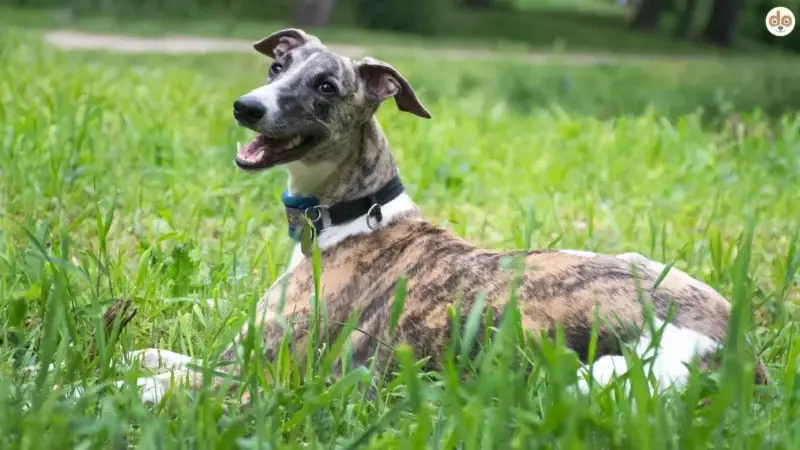
Whippet: Athlete with Sofa Gene
Whippets need about 20 minutes of full-speed exercise per day, after which they are calm housemates. Their short active phase makes them manageable for beginners. The problem: they freeze below 10°C. Without a sighthound coat, every winter walk becomes torture.
Labrador: Robust, but not uncomplicated
Labradors from reputable breeding (HD/ED-free, eye examination) are indeed robust. But they are also eating machines with a drive for movement that is underestimated. An under-stimulated Labrador will dismantle your apartment.
Poodle: Allergy-Friendly with Care Requirements
Poodles do not shed, their coat grows continuously like human hair. This makes them ideal for allergy sufferers, but means professional clipping every 6-8 weeks. Cost: 80-120 francs depending on size. Without regular care, the coat mats so badly that only shaving helps.
Beagle: Healthy, but food-obsessed
Beagles have a high life expectancy and robust health. Their pack dog background makes them socially compatible. The problem: their appetite knows no bounds. 60% of all beagles in German households are overweight, not because they are sick, but because they wrap everyone around their finger with their begging eyes.
Bolonka Zwetna: Little Charmer
Bolonkas are relaxed companion dogs without an extreme drive for movement. Their curly coat hardly sheds, but must be brushed every two days. They are adaptable and forgive training errors. The only disadvantage: as a fashion dog of recent years, there are many dubious breeders.
Which dogs have the most balanced temperament?
A balanced temperament means: the dog reacts predictably to situations and can be relatively easily calmed down when it is excited. These five breeds are known for this:
Golden Retriever: The Diplomat
Golden Retrievers avoid conflicts and seek harmony. They want to please and are therefore ideal family dogs, but poor guard dogs. Their “will to please” forgives many training errors. The price: they need at least one hour of exercise plus mental work daily.
Havanese: Little Entertainer
Havanese are “Velcro dogs” and stick to their humans. This makes them very trainable, but also prone to separation anxiety. They are city-compatible and do not need marathon runs. However, they shed more than expected and must be brushed daily.
Kromfohrländer: The Unknown
A German breed with a temperament tailor-made for beginners: alert but not aggressive, active but not hyperenergetic, affectionate but not intrusive. The problem: Kromfohrländers are rare and accordingly expensive (1500-2500 francs).
Tibetan Terrier: The Pseudo-Terrier
Tibetan Terriers are not real terriers despite the name; they lack the typical terrier stubbornness. They are playful without being overexcited and adaptable to different lifestyles. Their long coat looks care-intensive, but is surprisingly uncomplicated if you have it clipped short.
Elo: The Designer Dog
Elos were specifically developed as family dogs, without prey drive, guarding instinct, or herding instinct. This makes them relaxed companions without extreme traits. As they are a young breed, there is still little long-term data on health and inheritance.
Are there beginner-friendly large dog breeds?
Large dogs are not automatically more difficult, but their mistakes have greater consequences. A 60kg dog pulling on the lead is harder to control than a 6kg dog. These three breeds combine imposing size with a calm temperament:
Leonberger: The gentle giant
Leonbergers were bred as family dogs and show it. They are patient with children, territorial without being aggressive, and have a low exercise drive for their size. The catch: they drool, shed massively, and have a life expectancy of only 8-10 years.
Borzoi: The aristocratic sighthound
Borzois are the cats among large dogs: independent, calm indoors, and with minimal training demands. They need a fenced garden, as their prey drive is irresistible when they see game. Otherwise, they are surprisingly low-maintenance for their size.
Bearded Collie: The cheerful herding dog
Beardies are less intense than other herding dogs, but still active dogs with a willingness to work. They need 1-2 hours of enrichment daily and weekly brushing. Their cheerful temperament makes up for many training mistakes.
What should you consider with small beginner dogs?
Small dogs are often sold as “easier”. This is only partially true. They need less space and food, but often have more temperament per kilogram than large breeds. Two examples of more relaxed small breeds:
Tibetan Spaniel: The confident little one
Tibetan Spaniels are not lap dogs, but confident little personalities. They are affectionate without being intrusive and have moderate exercise requirements. Their medium-length coat is easier to care for than it looks: brushing once a week is enough.
Irish Soft Coated Wheaten Terrier: The gentle terrier
Wheatens have the terrier look without the typical terrier hardness. They are playful and people-oriented, but less stubborn than their relatives. Their soft coat hardly sheds, but must be brushed every two days to avoid matting.
Frequently asked questions about beginner dogs
Are mixed-breed dogs better suited for beginners?
Mixed-breed dogs from animal welfare organisations can be good beginner dogs if you already know the temperament of the adult dog. With puppies, behaviour is less predictable than with purebred dogs. An adult mixed-breed dog from a foster home shows you its true face and usually comes already basic-trained.
Which breeds should beginners definitely avoid?
Avoid as a beginner breeds with extreme traits: livestock guardian dogs (territorial and independent), sighthounds with high prey drive (Saluki, Afghan Hound), primitive breeds (Basenji, Shiba Inu) and all breeds with extreme anatomy (Pug, French Bulldog, Great Dane).
Is a puppy or an adult dog better for beginners?
An adult dog (2-5 years) is often the better choice for beginners. Its character is developed, basic training is usually present, and it has passed the destructive puppy phase. The myth of “bonding only with puppies” is scientifically refuted.
How do I recognise a reputable breeder?
Reputable breeders show you both parent dogs, have health certificates (depending on the breed HD/ED, eye examination, DNA tests), give away puppies no earlier than 10 weeks of age and ask you intensively about your living situation. If you can take the puppy home immediately, that is a warning sign.
How much does a beginner-friendly dog cost per month?
Allow for 80-150 CHF per month for a healthy dog of medium size (food, insurance, vet, care). Large dogs and breeds with health problems can cost twice as much. The acquisition costs are only the beginning: The living costs add up to 15,000-30,000 CHF over 12-15 years.