

What Defines FCI Group 10
Sighthounds – English “Sighthounds” – are dogs that hunt primarily by sight and speed, not by scent. This function has shaped their bodies: a deep chest for optimal lung capacity, a long arched back acting as a spring bow for the double gallop, an extremely slender build and long, muscular legs. The aerodynamic design is no exaggeration but a functional necessity.
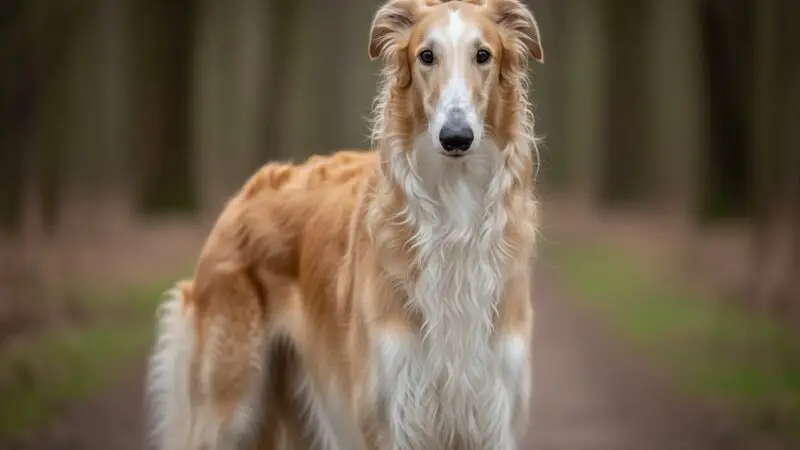
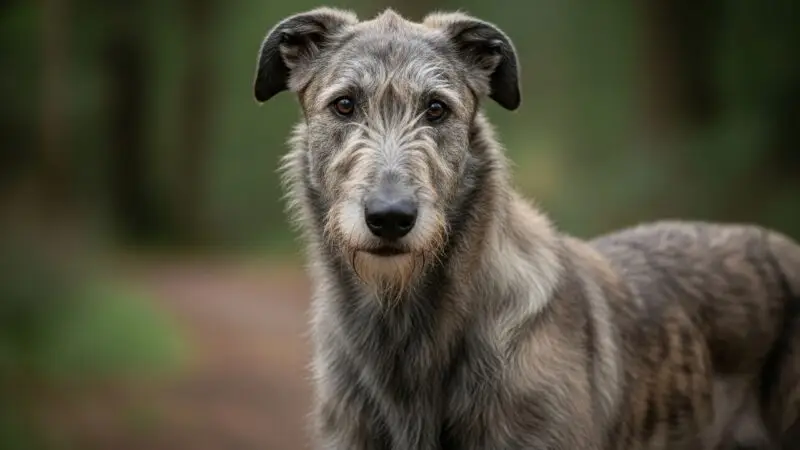
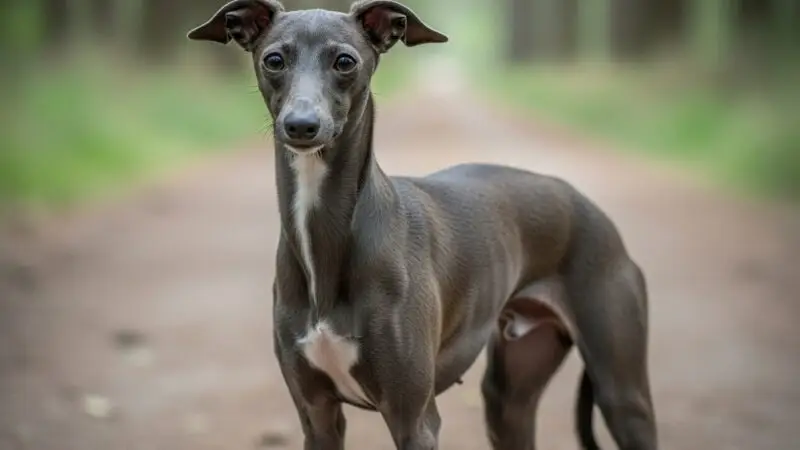
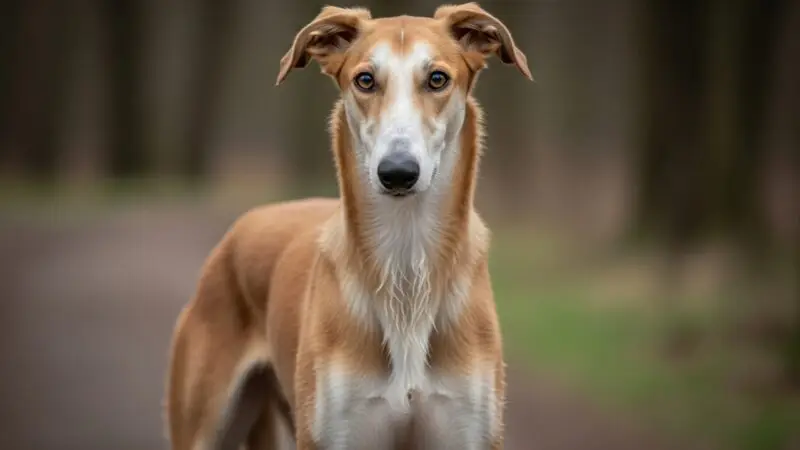
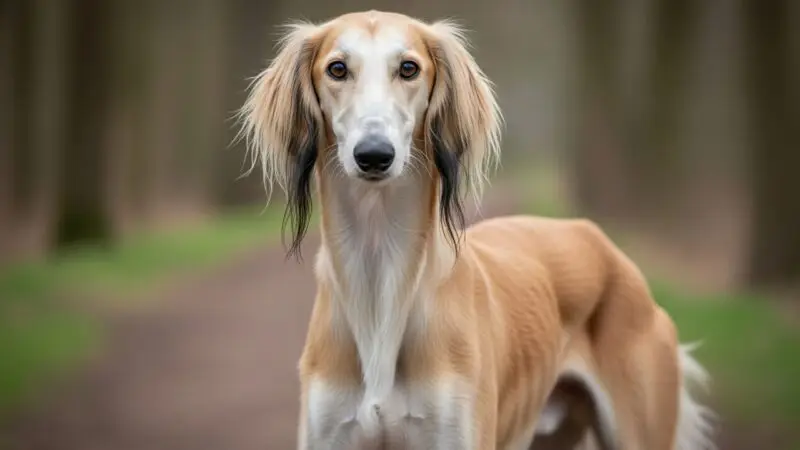
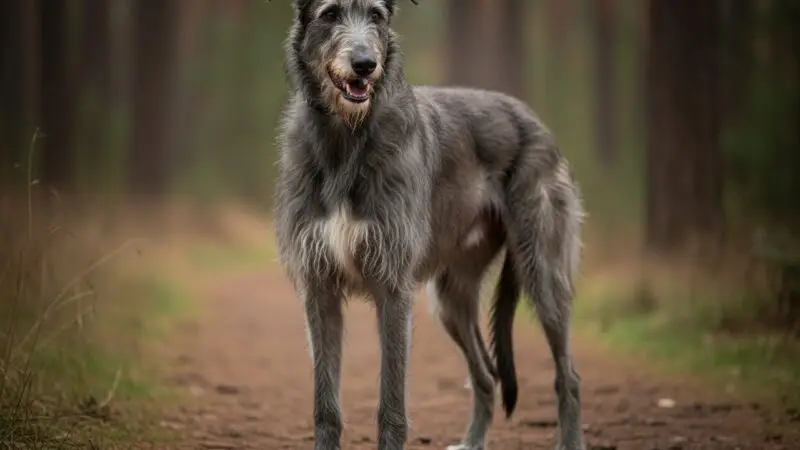
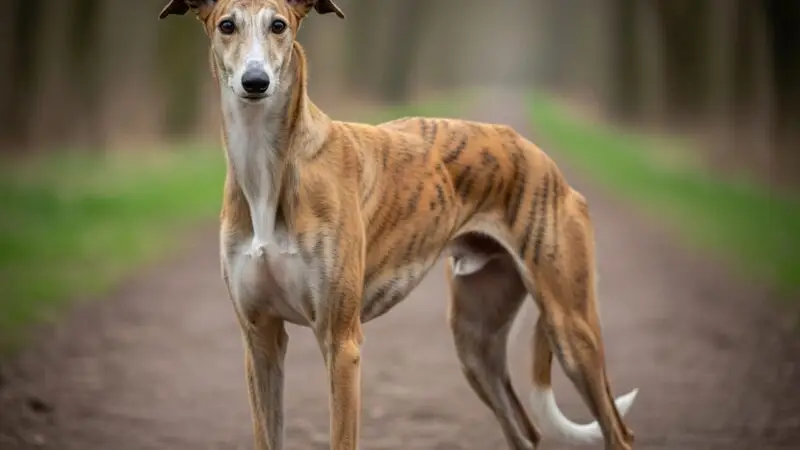
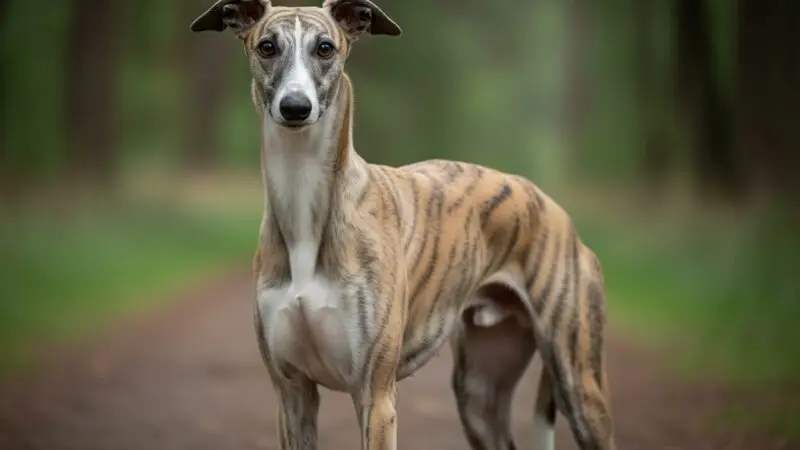
The group is divided into three sections based on coat: short-haired sighthounds (Greyhound, Whippet, Sloughi, Galgo Español), rough-coated sighthounds (Irish Wolfhound, Scottish Deerhound) and long-haired sighthounds (Afghan Hound, Saluki). The classification follows exclusively the coat type, not geographical origin or area of use.
Well-Known Breeds and Their Profiles
Greyhound
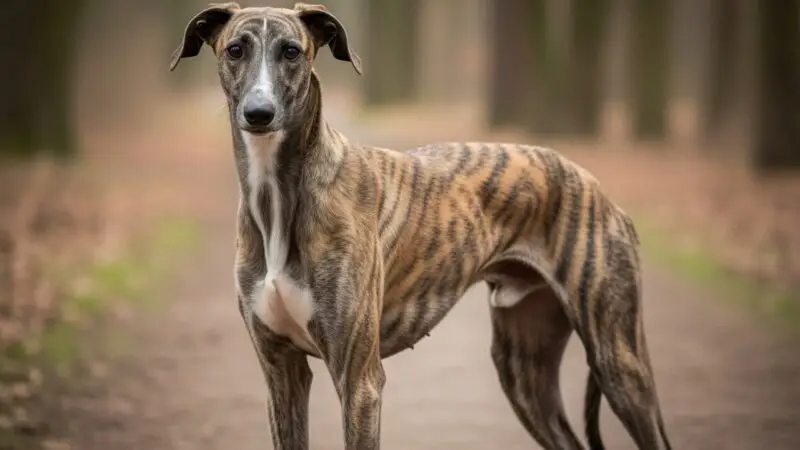
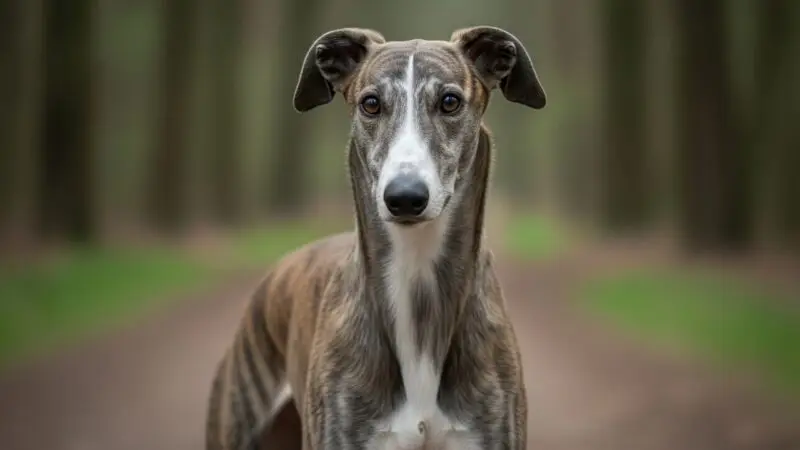
The Greyhound is the fastest dog breed in the world and the most well-known symbol of the group. In family life, it surprises: despite its athletic capabilities, it is calm, sleep-intensive and gentle-hearted at home. Greyhounds spend up to 18 hours a day resting – earning them the nickname “40 mph Couch Potato”. However, this does not disguise their explosive prey drive: in open terrain without fencing, a Greyhound chasing prey cannot be reached by recall. It sees, it runs – and reaches speeds that can become dangerous for itself.
Whippet
The Whippet is the Greyhound for urban households: same character traits in a smaller format, somewhat more adaptable, less space-demanding. It was developed in 19th-century Northern England as a working racing dog and is one of the most popular sighthound breeds in D-A-CH (Germany, Austria, Switzerland). Whippets are sensitive to rough handling and may react with stress behaviour in loud, unsettled households. Their sociability towards humans is high; towards small animals, the prey drive remains activatable.
Galgo Español
The Galgo is Spain’s traditional hunting sighthound – and simultaneously the animal behind one of Europe’s largest animal welfare catastrophes. Annually, an estimated 50,000–100,000 Galgos are abandoned, hanged or killed in other ways after the hunting season in Spain. The background: Galgos are traditionally disposed of in Spain according to the field cycle when they no longer deliver the expected performance. Numerous animal welfare organisations rescue and rehome Galgos across Europe – including in D-A-CH. Anyone adopting a Galgo brings home a traumatised, human-shy dog that becomes an exceptional companion with patience and understanding.
Afghan Hound
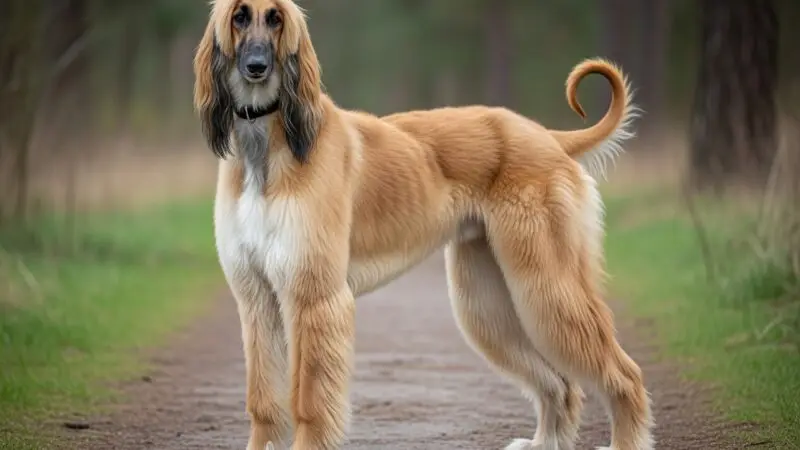
The Afghan Hound is the oldest of the sighthound breeds and, according to genomic studies, one of the most original domestic dogs overall. Its long silky coat requires intensive grooming; its character – independent, dignified, selective in bonding – makes it a dog for experienced owners. Afghan Hounds react poorly to pressure and strictness; they require owners who respect their independence.
Irish Wolfhound
The Irish Wolfhound is the largest dog breed overall – males reach shoulder heights of over 80 centimetres. Its life expectancy is correspondingly short: 6–8 years. Heart disease (dilated cardiomyopathy) and osteosarcoma (bone cancer) are the most common causes of death. Its character contrasts with its size: calm, gentle, family-oriented. Anyone buying an Irish Wolfhound must be clear about heart screening examinations and the shortened life expectancy.
Keeping Specifics: What Sighthounds Really Need
Sighthounds are considered easy to keep – this is partly true and misleading in other aspects. Correct is: they are calm at home, bark little and are socially uncomplicated. Incorrect is: that they do not need off-leash exercise. Sighthounds need the daily opportunity to stretch – but in a safe environment. A fenced run is not an option for short-haired sighthounds but a basic requirement. In open terrain, a Greyhound or Galgo is no longer controllable by sight.
Sighthounds do not have a classic body fat percentage – their slender body structure means that anaesthesia must be dosed with particular care. Sighthounds metabolise barbiturates differently from other dogs; this point must be communicated during every veterinary treatment. Sighthounds treated with standard anaesthetic doses may take disproportionately long to wake up – this is not uncommon, but anatomically justified.
Breeding for harmful traits (Qualzucht) and health risks in Group 10
Breeding for harmful traits (Qualzucht) in the classic sense – extremely exaggerated physical characteristics – is rare in the sighthound group. The slender build is functional, not exaggerated. This does not mean that the group is free from health concerns: Irish Wolfhounds and Greyhounds have genetically predisposed heart problems, bone cancer is overrepresented in large sighthounds, and the isolation of breeds such as the Sloughi through closed stud books leads to a narrow gene pool.
Animal welfare: Greyhound racing and the Galgo issue
Greyhound racing is banned in Germany and Switzerland – but in Ireland and the UK it remains a legal industry that produces thousands of dogs annually, which are deemed “no longer profitable” after their racing careers. Animal welfare organisations in D-A-CH regularly rehome former racing Greyhounds. If you take on a sighthound from animal welfare, you are giving a dog a second chance – and must at the same time be aware that trauma, lack of socialisation and an unknown background can make the first weeks challenging. You will find animal welfare organisations for sighthounds in our rehoming section.
When do you need professional support?
Sighthounds from animal welfare – particularly Galgos – often display behaviours that indicate trauma: freezing, fleeing, uncontrolled barking, resource guarding. A dog trainer with experience in trauma work and sighthounds is more valuable than a general puppy course. For medical treatments relevant to anaesthesia: only visit vets who have experience with sighthounds and are familiar with the specific anaesthetic requirements.
Frequently asked questions
Are sighthounds good for families?
Whippets, Greyhounds and Galgos are social, gentle dogs that can integrate well into families. The restriction concerns small animals: cats, rabbits and small dogs can trigger prey drive. Many sighthounds learn to live together with cats they grew up with in the house – but this is individual and never guaranteed.
How much exercise does a Greyhound need?
Greyhounds need 1–2 sprint sessions daily in safe terrain plus relaxed walks. They are not endurance runners – they are sprinters. After an intense sprint in a fenced area, they recover quickly and are then calm for hours. Jogging for kilometres is unsuitable for Greyhounds.
What does anaesthetic sensitivity mean in sighthounds?
Sighthounds have a very low body fat percentage and a specific enzyme pattern in the liver that breaks down barbiturates more slowly. Standard anaesthetic doses that are unproblematic for other dogs can lead to prolonged anaesthesia and complications in sighthounds. Every vet treating a sighthound must be informed about this risk.
Why are Galgos at such high risk in Spain?
The Galgo issue is rooted in a hunting tradition that treats dogs instrumentally. After the end of the hare hunting season – typically in February – Galgos that do not perform or whose keeping appears too costly are abandoned or killed. This is partly culturally normalised in Spain, but is combated by European animal welfare associations and increasingly also by Spanish animal welfare organisations.