
Teething in Puppies: What You Should Know
Content
Teething is a natural developmental step in your puppy’s life. This article shows you when the process begins, what symptoms may occur and how you can best support your four-legged friend during this time.
When does teething begin?
Newborn puppies are born without teeth. Their first milk teeth erupt around the 3rd week of life. The actual teething process usually starts between the 12th and 16th week and lasts until the 7th month of life.
How does teething progress?
- Baby teeth (up to approx. 12th week): Your puppy has 28 sharp baby teeth.
- Teething phase (from approx. 12th week): The baby teeth fall out and the permanent teeth grow in.
- Permanent dentition (up to approx. 7th month): An adult dog has a total of 42 teeth.
How do you recognise teething?
Your puppy may show the following signs:
- It chews more on objects
- Increased drooling
- Mild gum inflammation
- Bad breath
- Reduced appetite or more cautious eating
- Restlessness or increased irritability
How can you help your puppy?
Offer chew toys
To prevent your puppy from chewing on unwanted objects, provide them with suitable chew toys. Well-suited options include:
- Frozen carrots
- Tooth-friendly chew bones. Make sure they are “soft” bones. Weight-bearing bones, coffee wood or similar are too hard and can lead to long-term tooth damage.
- Special rubber toys
Gum care
If your puppy’s gums are sensitive, gentle measures can help:
- Cooling with damp, cold cloths
- Massages with a fingerling or a soft toothbrush
I often use a kitchen towel during this phase: moisten it, spread treat on it, twist it up, and put it in the freezer. The puppy is occupied and can cool their gums at the same time.
Healthy nutrition
A balanced nutrition with high-quality proteins, minerals and vitamins supports teething. Calcium is particularly important for stable teeth and bones. In the evening, my puppy also gets a frozen veal knuckle to gnaw on; rinse briefly under water, take it directly from the freezer, and the fun can begin.
Regular dental check-ups
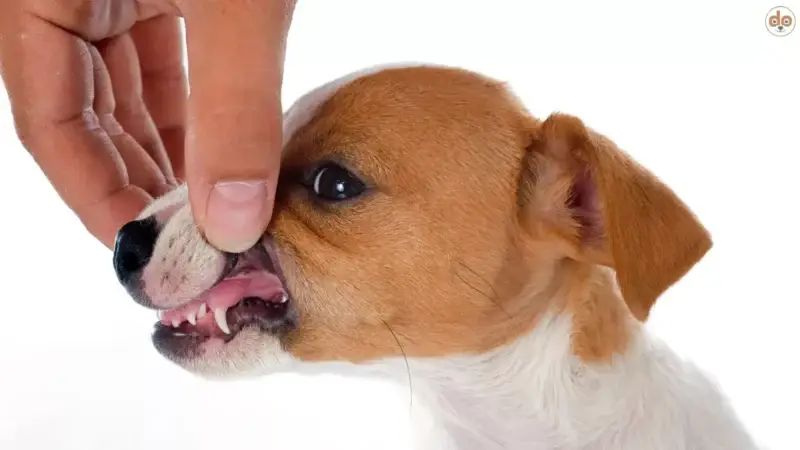
Regularly check your puppy’s teeth to detect possible problems early. Pay particular attention to:
- Loose or retained baby teeth
- Misalignments
- Redness or inflammation of the gums
If milk teeth do not fall out or severe inflammation occurs, you should consult a vet.
Possible complications
In most cases, teething proceeds without major problems. However, the following difficulties can occur:
- Persistent deciduous teeth: If baby teeth do not fall out despite the growth of permanent teeth, this can lead to misalignments.
- Severely inflamed gums: If your puppy is in pain or bleeding occurs, a veterinary examination is advisable.
- Misalignments: In rare cases, an uneven bite can lead to problems later on. Early detection helps avoid subsequent corrections.
The 5 most frequently asked questions about puppy teething
1. When does teething begin and end in puppies?
Teething usually starts between the 12th and 16th week and is completed by the 7th month. During this time, the 28 milk teeth are replaced by 42 permanent teeth.
2. What symptoms occur during teething?
Typical signs include increased chewing, excessive drooling, mild gum inflammation, bad breath and occasional loss of appetite. Some puppies are also more restless or sensitive during this phase.
3. How can I support my puppy during teething?
Offer suitable chew toys such as frozen carrots or special bite rings. Cool its gums with damp cloths and ensure a calcium-rich diet for strong teeth.
4. Do I need to check my puppy’s teeth during teething?
Yes, you should regularly check whether all baby teeth fall out on their own and the new teeth grow in correctly. If baby teeth persist despite permanent teeth being present, a vet visit is advisable.
5. What to do if teething causes problems?
If your puppy has severe pain, bleeding gums or misaligned teeth, you should see a vet. Particularly retained baby teeth can lead to long-term dental problems.
The 5 biggest myths about puppy teething
1. Puppies do not experience pain during teething
That is incorrect. Teething can certainly be uncomfortable for puppies; many feel itchiness, pressure or mild pain. This is why they chew on objects more intensely to relieve themselves.
2. You should not give chew items during teething
That is also a misconception. Chewing actually helps loosen baby teeth naturally. Suitable chew toys, soft chew items or chilled carrots alleviate discomfort and promote teething.
3. A puppy with bad breath always has dental problems
Not necessarily. During teething, temporary bad breath can occur because bacteria settle in inflamed gums. As long as the odour is not extremely strong or persistent, it is usually harmless.
4. All baby teeth fall out on their own
Not always. Some baby teeth stubbornly remain even though the new teeth are already growing (retained baby teeth). In that case, a vet visit is necessary to avoid misalignment.
5. After teething, you no longer need to care for the teeth
That is also wrong. Even if the permanent dentition is complete, it is worthwhile to start dental care early. Regular tooth brushing and healthy chew items help prevent tartar and inflammation.