
Dangers from poisons and fertilisers on fields for dogs
Content
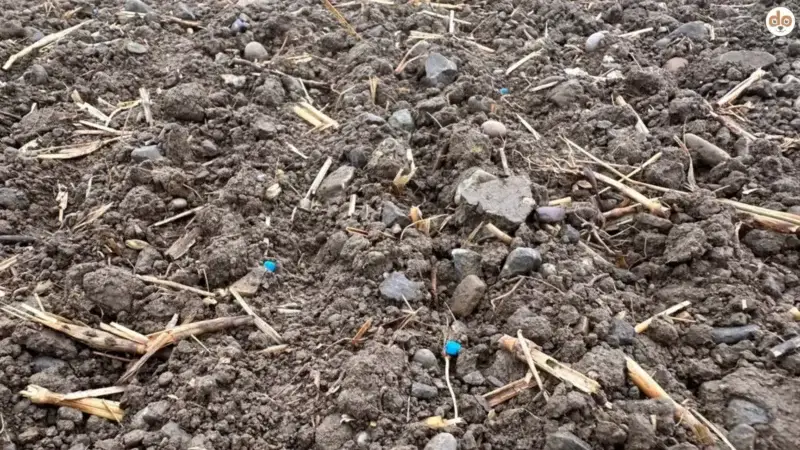
Fields and farmland exert a magical attraction on dogs – but that is precisely what can become a problem. Many dog owners underestimate the danger of fertilisers and plant protection products (pesticides) applied on agricultural land. And rightly so: The substances act not only when plants or soil are eaten directly, but also indirectly. Who doesn’t know this – dog sniffs, runs over it, then licks its paws thoroughly afterwards. Exactly this completely normal sequence is enough to absorb toxins. Small dogs are hit harder than large ones, simply due to their lower body weight.
How fertilisers and pesticides become a danger for dogs
In agriculture, pesticides and fertilisers are hardly avoidable in everyday life – plant protection and growth promotion are the goals. For pets that come into contact with these substances unnoticed, however, this can have serious consequences.
Contact via paws, belly and coat
If a dog runs over freshly treated terrain, the paws, belly and coat absorb the substances – without the dog eating anything at all. Since dogs groom themselves and lick persistently, the chemicals quickly enter the body. Add to this intensive sniffing on the ground and occasional nibbling of grasses – both are ways in which harmful substances are absorbed.
Direct absorption through the skin
The gastrointestinal tract is not the only entry point. Active ingredients from pesticides can also enter the bloodstream through the skin if a dog brushes against treated grass. With one-off contact, the risk is often manageable – however, with regular exposure it can escalate into concrete health problems.
Licking paws – underestimated routine
Licking paws and grooming the coat is normal for dogs, that is completely natural. But if paws or coat are contaminated with pesticides or fertilisers, this harmless habit becomes a danger. The absorption of toxic substances can end in a full-blown poisoning – with everything that entails.
The most common substances and their risks
Not all products are equally dangerous, but some appear particularly frequently:
- Herbicides: They are designed to kill weeds. Glyphosate is particularly widespread and is found in countless commercially available weedkillers. For dogs, glyphosate is toxic at higher concentrations – gastrointestinal problems, drooling, vomiting and diarrhoea are typical consequences; in cases of severe poisoning, liver damage can also occur.
- Insecticides: Used against pest insects, they often contain organophosphates and carbamates – two classes of active ingredients that are particularly hazardous for dogs. Poisoning often manifests neurologically: muscle tremors, convulsions, breathing difficulties. In severe cases, it can be fatal.
- Fertilisers: The classics contain nitrogen, phosphorus and potassium (NPK) – some of which are relatively harmless. It becomes problematic when pesticides, heavy metals such as iron or other chemicals are also present. Then vomiting, diarrhoea, drooling and abdominal pain may occur.
Symptoms of poisoning in dogs
If you want to react quickly, you need to know the warning signs. The most common symptoms after contact with pesticides or fertilisers include:
- Vomiting and diarrhoea: Often accompanied by blood or an unusual odour.
- Excessive drooling and panting: Can indicate oral irritation or a systemic effect.
- Weakness or lethargy: Dogs may appear weak, tired or apathetic.
- Muscle tremors or convulsions: Possible sign of neurological impairment caused by toxins.
- Breathing difficulties: Panting, rapid breathing or shortness of breath can indicate severe poisoning.
- Seizures: In severe cases, the dog may experience seizures, indicating serious neurological poisoning.
What research says on this
The risks for pets are not just a gut feeling – several studies have provided concrete evidence:
- Glyphosate study (2013): The „Journal of the American Veterinary Medical Association” demonstrated that glyphosate-containing herbicides can cause gastrointestinal disturbances in dogs. With prolonged exposure, an increased risk of liver damage was also observed.
- Organophosphate study (2017): The „Veterinary Record” published findings showing that dogs exposed to organophosphates developed severe neurological symptoms – muscle cramps, tremors, paralysis. Without immediate veterinary treatment, the mortality rate was alarmingly high.
- Long-term effects of fertilisers (2015): A study published in „Environmental Toxicology and Chemistry” found that dogs playing regularly on fertilised lawns suffered more frequently from gastrointestinal diseases and skin irritation. The authors’ conclusion was clear: freshly treated areas are off-limits.
How to protect your dog
A few concrete measures can significantly reduce the risk – and most require hardly any effort:
- Avoid treated fields: Keep your dog away from freshly sprayed or fertilised areas. Warning signs at field edges are not decoration – they mean business.
- Wash paws after every outing: A quick rinse after a walk on agricultural land is often sufficient to remove residues before your dog starts licking them.
- Ask locally: Speak to farmers or property owners about when and with what their land is treated. Most are happy to provide information.
- Take symptoms seriously: Vomiting, diarrhoea, excessive drooling, weakness after a walk – these are warning signs. Go to the vet immediately, do not wait and see.
- Rethink in your own garden: If you maintain your own garden or lawn, you can switch to non-toxic alternatives to conventional products – good for the dog, good for your conscience.
Suspected poisoning – what now?
If you suspect that your dog has ingested something, every minute counts. Head to the vet’s surgery – and if possible, take a sample of the substance or at least a photo of the warning sign with you. Both help the vet enormously in making a quick and accurate diagnosis.