
Microphthalmia
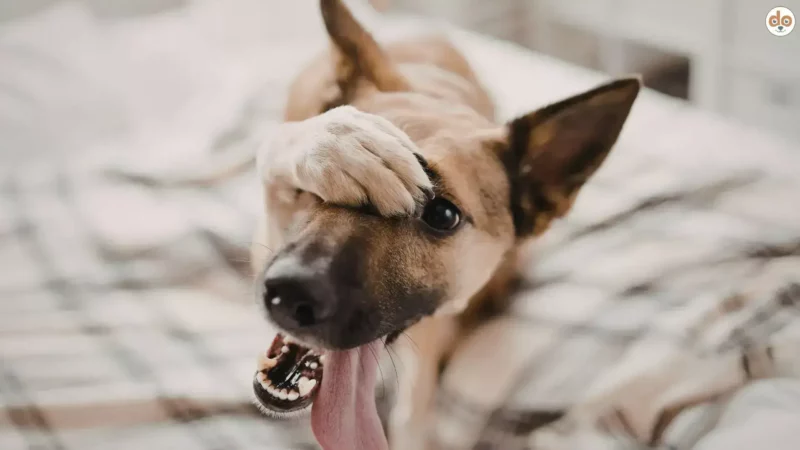
Microphthalmia is a congenital eye malformation in which one or both eyes of a dog are abnormally small, with consequences ranging from mild visual problems to complete blindness.
Content
Microphthalmia is a congenital malformation of the eye: one or both eyes of the dog are abnormally small; sometimes so noticeably that you can see it at first glance, sometimes hardly recognisable from the outside.
The consequences range from mild visual problems to complete blindness. Often, further developmental disorders of the eye occur simultaneously; the causes can be genetic or environmental.
What is Microphthalmia?
The eye has not fully developed in the womb and remains smaller than normal. How severe this is varies from dog to dog. Some animals have visibly tiny eyeballs, in others the underdevelopment is mainly hidden in the back of the eye. Externally, hardly anything stands out, and yet the dogs see poorly or not at all.
The malformation can affect one eye or both. In unilateral cases, the healthy eye often compensates surprisingly well; in bilateral cases, the impairment is correspondingly greater.
Causes of Microphthalmia in Dogs
The malformation does not have a single cause; several factors are possible:
Genetic Predisposition
Microphthalmia occurs more frequently than average in certain breeds. Particularly well-known are:
- Collies
- Australian Shepherds
- Dachshunds
- Whippets
- Beagles
The exact genetic basis is not clarified in every case, but there are indications that recessively inherited genes play a role.
Chromosomal Abnormalities
Certain chromosomal anomalies that already arise during embryonic development can significantly disrupt the structure of the eye and lead to microphthalmia.
Environmental Factors
Toxins or infections during pregnancy demonstrably increase the risk. A known example: if the mother dog becomes infected with the distemper virus during pregnancy, the puppies can be born with eye malformations.
Part of a Syndrome
Sometimes microphthalmia is only one component within a congenital syndrome that affects several organs or body areas at once. Such cases are generally more complex and require more comprehensive investigation.
Symptoms of Microphthalmia in Dogs
What owners perceive depends heavily on how severe the malformation is and how well the affected eye still functions. Some dogs are blind in one or both eyes from birth; others can still see at least a little. The following signs should raise alarm:
- Abnormally small eyes: The eyeball or both are visibly smaller than in dogs of the same breed and size.
- Eyes of different sizes: If only one eye is affected, the asymmetry is often immediately noticeable.
- Visual impairment or blindness: Limited orientation, bumping into furniture, and hesitation when climbing stairs are common early signs.
- Clouding or anomalies of the cornea: The cornea appears milky or is irregularly shaped.
- Abnormal pupils: Irregular shape or poor light reaction are possible signs.
- Eye inflammation: Very small or underdeveloped eyes are prone to inflammation and infection, as they cannot clean themselves as effectively.
Diagnosis of Microphthalmia
The diagnosis is based on a thorough clinical examination as well as imaging techniques:
- Eye examination: A vet or veterinary ophthalmologist assesses eye size, corneal structure, and pupil reaction using special instruments.
- Ultrasound or CT/MRI: An eye ultrasound or a CT or MRI scan provides insights into the internal structure of the eye and shows the extent of the malformation.
- Genetic tests: In breeds with a hereditary predisposition, genetic tests can help confirm or rule out a genetic cause.
Treatment of Microphthalmia in Dogs
There is no cure; the malformation is congenital and persists. What veterinary medicine can do: prevent secondary complications and enable the dog to live as free of discomfort as possible.
- Regular ophthalmological check-ups: If you have an affected dog, you should schedule routine examinations firmly in your calendar. Inflammations, dryness, or pain detected early can be treated much more effectively.
- Eye care: If the eye is prone to infection or dries out easily, the vet often prescribes eye ointments or drops for moisturising and protection against germs.
- Surgical removal of the eye (enucleation): For very small, non-functional eyes that cause pain to the dog, surgical removal may be the best option.
- Adaptation to vision loss: Dogs are remarkably adaptable. A safe, stable environment without frequent rearrangements helps them move confidently even with limited vision.
Quality of Life and Prognosis
Many dogs with microphthalmia lead a full life, especially if only one eye is affected and the other functions well. But even completely blind dogs cope surprisingly well with the right support. Their hearing and sense of smell are so effective that they can usually navigate safely with them, in their own home anyway, often even on a walk.
Regular vet visits and thoughtful daily routine management make a big difference here.
Prevention
Because microphthalmia so frequently has a genetic root, the most important lever lies in breeding control:
- Genetic testing before breeding: In susceptible breeds, both parent animals should be tested for relevant gene defects before being bred.
- Exclude affected dogs from breeding: Animals suffering from microphthalmia or identified as carriers should not be used for breeding. This effectively curbs the transmission of the defect.
- Promote healthy pregnancy: A balanced nutrition and the consistent avoidance of toxins and infections during pregnancy demonstrably reduce the risk of malformations for the puppies.
More from the Wiki
All wiki entries →Plum
The plum is a stone fruit of the genus Prunus. Its stone contains cyanogenic glycosides; the …
Rhubarb
Rhubarb is a knotweed whose leaves are rich in soluble oxalic acid. For dogs, the leaves …
Why is dog faeces white?
White dog faeces occurs when normal digestion is disrupted or certain substances change the colour of …
Dog licks its anus, what to do?
Anal licking in dogs is a normal grooming behaviour that serves for cleaning and emptying the …