
Farewell with Dignity: How to Make Your Dog’s Final Journey Easier
Saying goodbye to your dog is painful, but it can be planned. Recognise specific signs, choose the right moment, and make those final hours easier for your dog.
Content
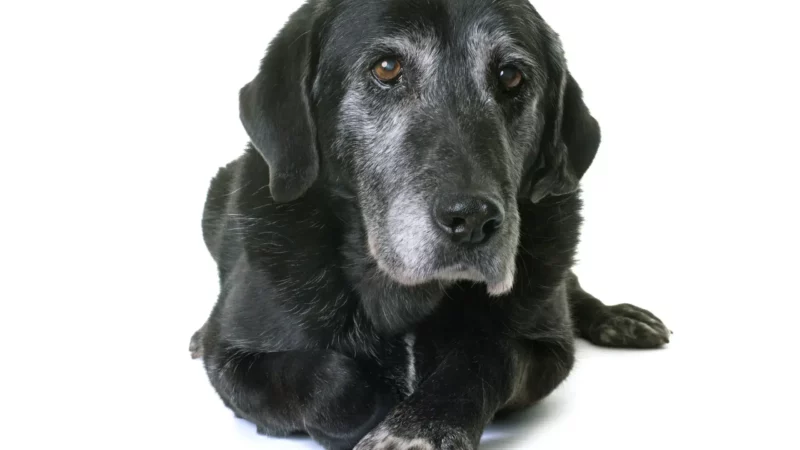
A 14-year-old retriever no longer gets up in the morning. Its breathing is shallow, and it has refused food for three days. You know: the farewell is drawing near. The question is not whether, but how you will face this moment.
Which physical signs indicate the end of life?
Three signs are particularly indicative: persistent refusal of food and water for over 48 hours, inability to stand up or lie down without assistance, and constant panting despite a cool environment.
Further signals: your dog withdraws to unusual places, no longer responds to its name, or shows disorientation. Incontinence in a previously house-trained dog can also indicate the end of life.
If you observe these signs, you should speak to your vet within 24 hours. Not every symptom automatically means the end, but the combination of several signs requires an assessment.
Euthanasia at home or at the clinic?
Home euthanasia is less stressful for most dogs. Your dog does not smell unfamiliar animals, hear strange noises, and lies on its familiar spot.
Many vets offer home visits. Cost: 200-400 euros in addition to the standard euthanasia fee of around 100-150 euros. It is cheaper at the clinic, but more burdensome for your dog.
If only the clinic is possible: bring its favourite blanket and ask for a quiet room. Avoid waiting times in a full waiting room; schedule the last appointment of the day.
How does euthanasia work exactly?
The vet administers an overdose of pentobarbital into a vein, usually in the front leg. The dog becomes unconscious within 10-30 seconds and dies painlessly.
You will have time to say goodbye beforehand. Some vets give a mild sedative so that your dog is more relaxed. You can stay with it during euthanasia and stroke it.
After death, reflex movements or breathing sounds may still occur; these are normal physical reactions, not signs of pain or consciousness.
What do I do with the body after death?
You have three options: individual cremation (200-600 euros), group cremation (50-150 euros), or burial in a pet cemetery (100-300 euros plus grave maintenance).
With individual cremation, you receive the ashes back. Not with group cremation. Burial in your own garden is only permitted with approval from the veterinary office and is usually prohibited in water protection areas.
You do not have to decide immediately. Most vets store the body cool for 24-48 hours so that you can choose calmly.
How do I prepare other pets for the loss?
Let other dogs or cats sniff the body after your dog has died. They understand what has happened through the changed scent.
Without this “understanding”, animals often search for weeks for the missing companion. This leads to stress and behavioural changes.
Expect 2-4 weeks of mourning in remaining pets: less appetite, more sleeping or, conversely, restlessness. This usually normalises on its own.
When is the right time for euthanasia?
The right time has come when your dog has more bad days than good ones. Keep a diary for a week: Does it eat? Does it stand up on its own? Does it still show interest in you?
A rule of thumb: if three out of five basic needs are no longer met (eating, drinking, standing up, defecating/urinating, social interaction), the end is often reached.
Better a day too early than a day too late. You make this decision out of love, not weakness.