
Summer time, insect time: What to do in case of a bee sting on the dog?
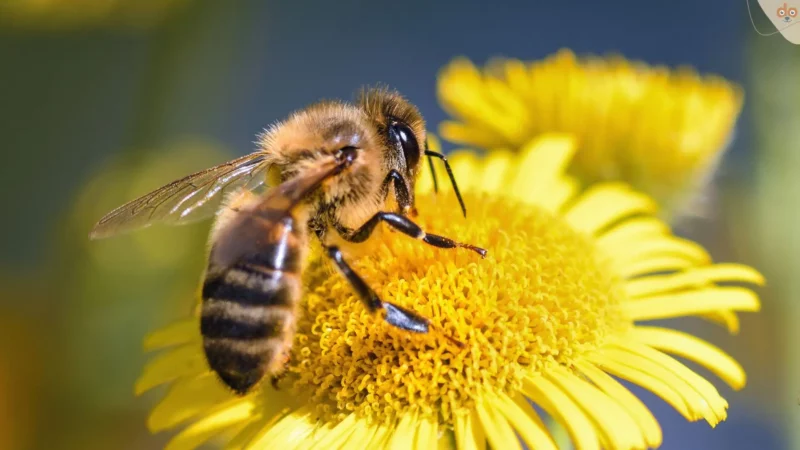
Finally it’s here, summer time. Great weather, cooling off in the lake, long evening walks – who doesn’t like that? But of course, the warm season also brings its unpleasant companions. Bees, wasps, bumblebees and all sorts of other stinging creatures are in peak season. And sometimes the dog gets caught. What then?
First aid for the dog after a bee sting
First, take a deep breath: in the vast majority of cases, a bee sting is just as harmless for dogs as it is for us humans. A brief pain, perhaps a startled yelp, some cooling – and after a few minutes, the excitement is usually over. It becomes slightly more delicate if the dog reacts allergically to bees or if the sting lands directly in the mouth area. Then quick, calm action is required.
First step: remove the stinger
You will usually notice immediately if your dog has been stung. Loud yelping, frantic licking or scratching at a specific spot – these are the classic signs. Take a close look at the spot. If a stinger is still stuck in there, it needs to come out – and as soon as possible, because a remaining stinger promotes inflammation and infections. The best way to do this is with tweezers. None on hand? Then you can carefully push the stinger out with your fingers – but beware, the area may be sensitive under certain circumstances. No panic about the time: as a rule, it is sufficient to go home briefly and fetch the necessary tools.
Second step: cool and relieve
Stinger out or none in from the start? Then comes the cooling. Simple cooling pads work perfectly. If you don’t have any of those at home, reach for the quintessential home remedy: place a sliced onion on the spot. Damp cloths with cold water do the trick too, and even a yoghurt or quark wrap can relieve the swelling. Whatever you use – make sure your dog does not lick it.
When a bee sting in a dog becomes an emergency
Yes, most stings are harmless. But there are exceptions – and they can be serious. It becomes particularly dangerous with allergies or if the dog is stung directly in the mouth. And if he has swallowed a bee, there is a real risk that it will still sting in the throat. Such situations rarely announce themselves. Therefore, here are some common symptoms of bee stings in dogs.
- Shortness of breath
- Trembling
- Increased respiratory rate, heavy panting
- Apathy/lack of drive and indifference
- Pale mucous membranes
- Noticeably faster heartbeat, “palpitations”
If you see such symptoms in your dog – regardless of whether you noticed a sting or not – go immediately to the vet or to the veterinary clinic. Breathing difficulties are an absolute alarm signal that allows no delay. If the dog has been stung in the mouth area, the swelling can increase rapidly and dangerously constrict the windpipe. Every minute counts here.