
Reactive Dogs: A Comprehensive Guide
Reactive dogs show exaggerated reactions to triggers such as other dogs or people – usually out of fear or frustration, not malice.
Content
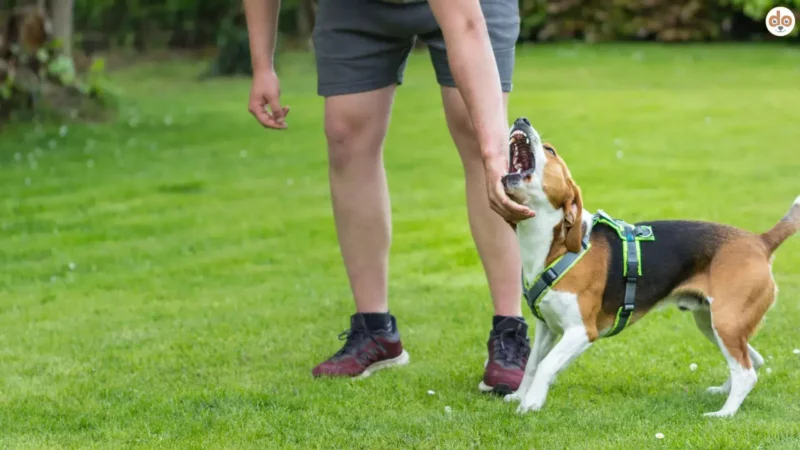
Your dog sees another dog and turns into a barking, pulling whirlwind? Reactive dogs show exaggerated reactions to certain triggers – this makes walks an ordeal, but it is trainable.
A reactive dog reacts more intensely than necessary to stimuli such as other dogs, people, or noises. The barking, pulling, and jumping up usually arises from fear, frustration, or lack of socialisation – not malice.
Why does my dog become reactive?
Reactivity rarely arises overnight. The most common triggers:
Lack of puppy socialisation: A puppy that did not have positive encounters with other dogs between the 3rd and 16th week of life often develops insecurity – which later manifests as overreaction.
Poor experiences: A single attack by another dog can trigger months of reactivity. The dog learns: “Other dogs mean danger – I must drive them away before they get too close.”
Genetic predisposition: Livestock guardian dogs such as Kangals or hunting dogs with a strong prey drive naturally react more intensely to movement stimuli. This is intensified by breeding.
Pain exacerbates reactivity: A dog with hip problems reacts more aggressively to approach because it fears being touched. Have pain ruled out by a vet before you start behaviour training.
Reactive or aggressive?
A reactive dog usually does not want to attack – it wants to create distance. Aggression aims to cause harm or defend resources.
Reactive dogs often show displacement behaviours: they bark and pull, but when the other dog actually comes closer, they back away or hide behind you. True aggression remains consistent, even in direct confrontation.
The body language differs: reactive dogs switch between posturing and withdrawal. Aggressive dogs maintain their threatening stance, even when the trigger disappears.
Recognising warning signs
Reactivity often begins subtly, before the dog “explodes”. Watch for these early signs:
Body tension: Your dog freezes, fixating on the trigger with a hard stare. The muscles tense up as if preparing to spring.
Stress licking: Rapid, nervous lip-licking without any visible reason. This often happens 10–20 seconds before the dog reacts properly.
Raised hackles: Not only in fear – also in over-arousal, the hair between the shoulder blades stands on end.
Those who recognise these signals early can intervene before the dog slips into the “red zone”, from which it is hard to pull back.
Training methods for reactive dogs
Positive reinforcement and counter-conditioning are considered the most effective methods in modern behaviour research. Punishment-based training often worsens reactivity because it builds up additional stress.
Counter-conditioning in practice: Your dog sees another dog and immediately receives its favourite treat – before it can react. After 2–3 weeks of training, it looks at you expectantly when it sees another dog, instead of barking.
The distance principle: Train first at a great distance from the trigger. A dog that explodes at 5 metres often remains calm at 20 metres. Only reduce the distance if it stays relaxed.
“Look at me” training: Train this command at home until it works within 0.5 seconds. Outside, you use it to redirect attention before your dog escalates.
Plan for at least 3–6 months for noticeable improvements. Reactivity does not disappear in weeks.
Managing encounters with other dogs
Management means: controlling situations rather than hoping for the best.
Timing of walks: Go early in the morning or late in the evening when fewer dogs are out. Avoid peak times after work and at weekends.
Use visual barriers: Walk past parked cars or bushes when a dog approaches. Your dog cannot react to what it does not see.
The 180-degree turn: As soon as you see a potential trigger, calmly turn around and go in the other direction. No panic, no hurried movements. Your dog learns: when you turn around, something good happens.
Adapt equipment: A Y-harness distributes pressure better than a collar. A 2–3 metre lead gives you control without restricting your dog.
Professional help
Seek a trainer if your dog jumps at people or other dogs, snaps, or you no longer feel safe – or if there is no improvement after 8 weeks of training.
When choosing a trainer, ensure they work with positive reinforcement. Avoid anyone who talks about “dominance” or recommends prong collars.
In extreme cases, a vet can prescribe anti-anxiety medication that supports training. They are not a long-term solution, but they create a window in which your dog is actually able to learn.
Can reactive dogs lead a normal life?
Yes – but “normal” is redefined. Your dog will probably never be the relaxed type that joyfully greets every conspecific. That is fine.
Success means: your dog can pass other dogs without exploding. It responds to your commands, even when it sees a trigger. Walks become relaxed again instead of a battle.
Some dogs even manage to develop dog friendships again – within a controlled framework, with known partners.
You will probably have to be more attentive for life than other dog owners. In return, you develop much finer communication with your dog.
How long does it take for my dog to become calmer?
You often see initial progress after 2–3 weeks of consistent training. Your dog reacts a second later or less intensely.
Noticeable improvements require 3–6 months. For dogs with traumatic experiences, it can take longer.
Can I completely “cure” the reactivity?
The predisposition to reactivity usually remains. You train your dog alternative behaviours and reduce the intensity of its reactions.
A formerly reactive dog can become calm and relaxed – but in very stressful situations, old patterns may re-emerge.
Is a muzzle sensible for reactive dogs?
A muzzle is safety equipment if your dog has already snapped or you are unsure. However, it does not solve the problem.
Get your dog used to it step by step: first just hold it there, then put it on briefly, rewarding with treats. A muzzle introduced correctly means for the dog: “Now I get especially good things.”
Which breeds are particularly often reactive?
Livestock guardian dogs, terriers and some herding dogs show reactive behaviour more frequently. This is due to their breeding: they are supposed to react quickly and intensely to stimuli.
But retrievers or beagles can also become reactive – usually due to bad experiences or lack of socialisation. The breed explains the predisposition, not the behaviour itself.
Does dog sports help with reactive dogs?
Controlled sports such as nose work or agility can help – if your dog remains relaxed during them. Avoid group classes with other dogs as long as the reactivity is not under control.
Individual sessions with an experienced trainer are more sensible at first. There, your dog can gain positive experiences without being overwhelmed.