
Dog Theft in Focus – A Growing Danger?
Dog thefts are also increasing in Germany, Austria and Switzerland. Small breed dogs are particularly affected; here is how you protect your dog.
Content
In Great Britain, the number of reported dog thefts rose by 6 percent in 2023 to 2,290 cases, according to the annual evaluation by insurer Direct Line, which queries all British police authorities for this purpose. Only one in six stolen dogs was returned to its owners, the lowest figure since data collection began in 2015. Animal welfare organisations warn that the trend is also reaching Germany, Austria and Switzerland.
How often are dogs stolen in Germany, Austria and Switzerland?
Concrete figures on dog thefts are largely lacking in the DACH region. Most thefts are recorded as simple theft, not as a separate category.
Vier Pfoten Deutschland has registered an increase in reports of stolen purebred dogs since 2020. Particularly affected: French Bulldogs, Chihuahuas and other small breeds with sale values between €1,500 and €4,000.
In Switzerland, media reported an increase in dog thefts of about 30 percent during Corona. In Austria, cases are concentrated in urban areas and involve purebred dogs.
Which dogs are stolen most frequently?
Thieves target small, expensive purebred dogs. At the top are French Bulldogs, which fetch between €2,000 and €3,500 on the black market.
Other popular targets: Chihuahuas, Pugs, Yorkshire Terriers and Maltese. These breeds are easy to transport and have a stable resale value.
But large breeds such as Golden Retrievers or German Shepherds also disappear. This is often about breeding abuse or illegal puppy trading.
Why are dog thefts on the rise?
Online puppy trade is booming. On platforms such as eBay Kleinanzeigen, dogs change hands for thousands of euros without provenance checks.
Corona exacerbated the problem. Demand for pets exploded, reputable breeders had waiting lists lasting months. Stolen dogs fill this gap.
The risk for thieves remains low. If caught, they usually face only fines for simple theft. Profit margins are high, penalties are low.
How can I protect my dog from theft?
A microchip is mandatory, but not enough. Register the chip in a pet database such as Tasso or Animaldata and keep your contact details up to date.
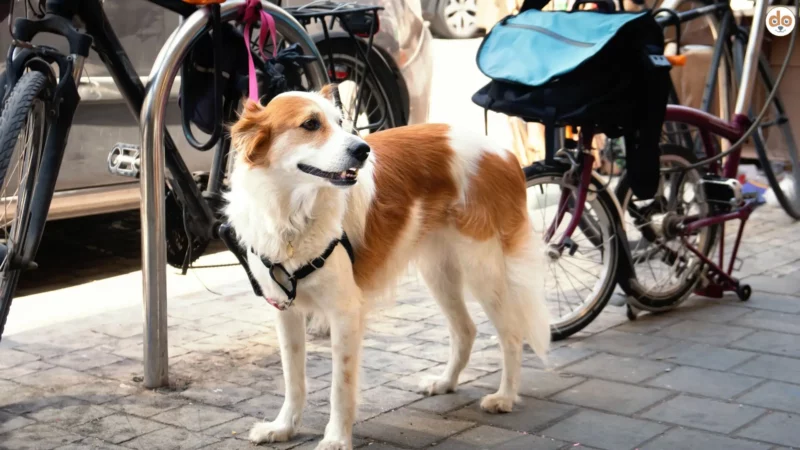
Never leave your dog unattended, not even “just for a moment” outside the supermarket. “Dog parking spots” in front of shops are an invitation to thieves.
When walking the dog: put away your phone, take off your headphones. Thieves observe your routine. Vary the times and routes.
At home, secure the garden and entrance area. A simple fence is not enough; thieves simply lift small dogs over it.
What to do if my dog has been stolen?
Report the theft to the police immediately. In parallel, inform all animal shelters, vets and animal welfare organisations in the region.
Report the theft to Tasso and other pet databases. Post on social media and local Facebook groups, with a photo and description.
Monitor online sales platforms. Stolen dogs often appear there within a few days.
What legal steps are possible?
In Germany, a dog is legally considered an object. Dog theft is prosecuted as simple theft, and as aggravated theft for values over 1,000 euros.
Austria and Switzerland handle it similarly. Penalties range from fines to three years’ imprisonment in particularly serious cases.
Document all costs for search operations and veterinary treatments. You can claim these as compensation for damages.