
The emotional connection between human and dog
Dogs actually mirror the behaviour of their humans – through tiny signals in body language, voice and even smell. How this emotional connection works and how you can use it positively.
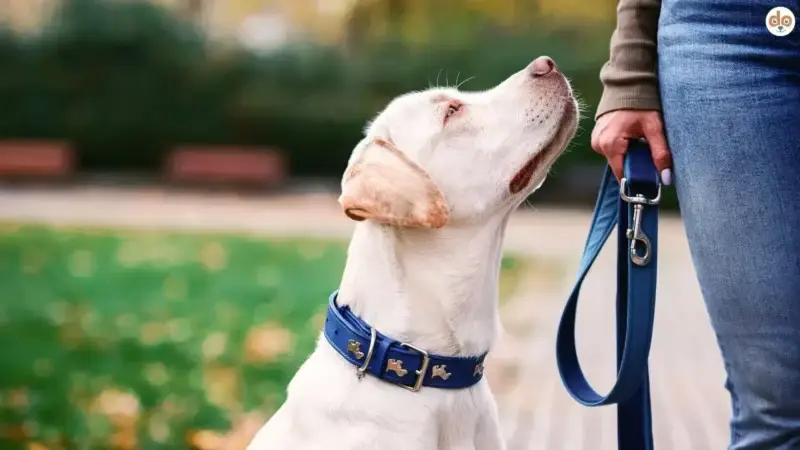
Content
Does my dog really mirror my behaviour?
Yes – and more clearly than most owners suspect. Your dog reads you like an open book. It notices the slightest changes in your body language, hears the difference between your relaxed and stressed tone of voice and can even smell hormonal fluctuations.
An example from practice: You come home after a difficult day at work. Before you say a word, your dog behaves differently – perhaps more reserved or restless than usual. That is no coincidence.
A study published in 2018 in the Journal of Veterinary Behavior confirmed: dogs systematically analyse the facial expressions, body language and voice of their humans and react accordingly to what they “read”.
How do dogs perceive our emotions?
Dogs recognise three types of signals: physical, vocal and chemical. They notice tense shoulders just as much as a strained voice when talking on the phone or the changed smell when cortisol levels rise.
Their sense of smell is striking. Dogs can smell hormonal changes that occur during stress, joy or fear. A study published in 2016 in Scientific Reports showed: dogs recognised from breath samples whether their humans were relaxed or stressed.
This perception developed over thousands of years of shared evolution. Dogs that could “read” their humans well were more likely to survive and passed on this trait.
What happens during emotional contagion?
Emotional contagion takes place unconsciously – in you and in your dog. When you are emotionally agitated, this is transferred to it through tiny behavioural changes that it registers.
In my observation, this is most evident in stressful situations: an owner who becomes nervous before a vet visit often has a dog that is already trembling in the waiting room. The dog senses the tension and interprets it as a warning signal.
The opposite works just as well. A calm, self-confident owner transfers their calmness to the dog.
How do I control my body signals?
The term “energy” sounds vague, but it refers to concrete behaviours. You cannot pretend to be relaxed – but you can learn to actually become so.
Breathing techniques help immediately: three deep breaths slow your heart rate and loosen your muscles. Your dog notices this within seconds. This is useful before any potentially stressful situation – whether it’s a dog encounter or thunderstorms.
Body posture is the second lever. Let your shoulders drop, relax your jaw, and avoid hurried movements. Your dog often unconsciously adopts your physical tension.
Excessive cheerfulness does not fool any dog. If you are stressed and try to cover it up with forced cheerfulness, conflicting signals arise – this confuses more than it helps.
What to do if my dog mirrors my stress?
Recognise the pattern. Pay conscious attention for a week to when your dog becomes restless or anxious. Often, you will discover a connection with your own state of mind.
Create distance from the stress factor. If a phone call agitates you, go into another room. Your dog does not need to experience every emotional storm.
Use routines as anchors. A fixed daily schedule provides security for both of you. Fixed walk times, feeding rituals, and rest periods create stability, even if you have a bad day once in a while.
Can I use the mirroring positively?
Yes. Anyone who understands how strongly a dog reacts to them has an effective training tool at hand. A relaxed owner often has a relaxed dog – without additional training.
Practical example: You are working on loose-leash walking. Instead of pulling with tension and impatience, you remain calm and confident inside. Your dog senses this composure and also walks more relaxed on the lead.
This also works with fears. If your dog is afraid of thunderstorms and you demonstratively remain calm – without ignoring them –, they learn: “My human sees no danger. Maybe everything is okay.”
Frequently asked questions about the emotional connection
Do all dogs mirror equally strongly?
No. Sensitive dogs react more strongly to emotional nuances than robust characters. Herding dogs and retrievers are considered particularly empathetic, but individual personality also plays a big role.
Can I help my dog through permanent good humour?
Forced good humour is counterproductive. Dogs notice when emotions are not authentic. Better: work on genuine composure, rather than suppressing feelings.
My dog becomes aggressive when I am stressed – is this normal?
This can happen. Stress can trigger protective behaviour in some dogs. They interpret the tension as a threat and want to protect. In such cases, it is worth working on stress reduction and seeking professional help.