
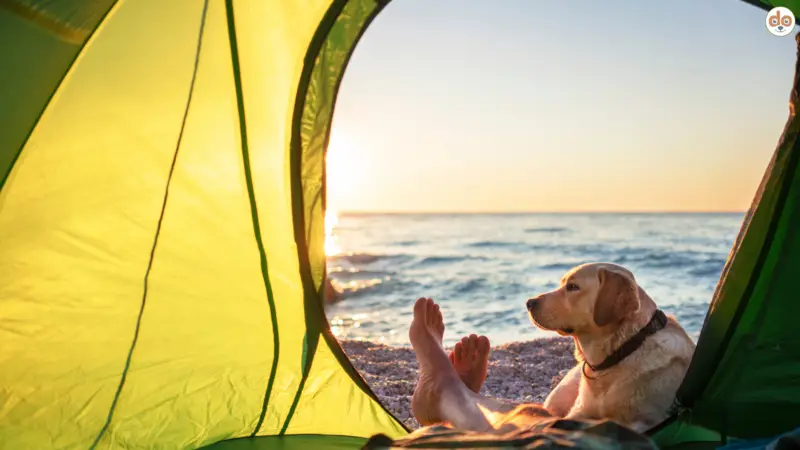
Dog beaches in Germany, Austria and Switzerland
On the North and Baltic Seas in Germany there are designated dog beaches – but the rules regarding them are anything but uniform. Some municipalities ban dogs completely, others only during the bathing season from June to August, yet others are content with a leash requirement and the request to clean up after them. You get reliable information most quickly via the local tourist information or portals such as „HundUnfund”. The Lübeck Bay, Sylt and Norderney are particularly popular and dog-tested. Austria offers fewer possibilities – Lake Neusiedl and the Carinthia lakes are the best-known options, with dogs usually only allowed on a leash there. In Switzerland, alpine lakes generally show themselves to be more dog-friendly than classic outdoor swimming pools.
The Dangers of Saltwater
No dog drinks saltwater intentionally – it simply does so because it is thirsty and the sea is there. In larger quantities, this triggers a chain reaction: dehydration, nausea, electrolyte imbalance, then vomiting, diarrhoea, lethargy. The countermeasure is simple but often forgotten: bring enough fresh water. At least one litre per dog for half a day is a sensible rule of thumb. And do not wait until the dog is already panting to pour some out – rather offer it regularly before thirst becomes a problem.
Further Water Risks
Ocean currents are what you can’t see – and that’s exactly what makes them dangerous. Even a strong swimmer can be caught off guard by an undertow, especially on days with rough seas. So don’t just let your dog swim out until it looks small. Jellyfish are another issue many underestimate: contact is painful, and some species also cause unpleasant reactions in dogs. If you see jellyfish on the beach, call your dog back immediately. And one more thing that sounds odd but does happen: some dogs eat sand, intentionally or not. This leads to constipation. Keeping an eye on it doesn’t hurt.
How to protect your dog at the beach and in the water
Heat management
From about 25 °C, midday at the beach is simply too hot for intense activity – for dogs even earlier than for us. Plan water sessions for the morning between 7 and 10 am and the evening between 6 and 8 pm. Hot sand and asphalt can exceed 40 °C and burn paws; a quick hand test tells you more than any thermometer. Organising a beach chair or parasol as a shady spot is not a luxury, but a must.
Sun protection
Dogs with short or thin coats and light skin are at risk of sunburn – especially on the nose and ear flaps. Special dog creams protect where fur is missing. Human sunscreen is no alternative, as it contains ingredients that can harm dogs. For those who want to tackle this consistently: dog swimwear with UV protection is now available in reasonable quality.
Before entering the water: train a recall command
The recall command – “Here!”, “Stop!” or whatever you use for it – must be reliable. Not approximately, not mostly. One hundred percent. Because in the water, amid excitement and noise, it’s the only leash you have. Practise this beforehand at lakes and pools, not just on your first trip to the sea.
The right equipment
A retractable leash sounds like freedom, but at the beach it quickly enables uncontrolled excursions in the wrong direction. A fixed leash between 5 and 10 metres gives you more control. For dogs that aren’t reliable swimmers, a life jacket with a handle can literally be life-saving – the handle on the back allows you to lift the dog out of the water if necessary.
After swimming: aftercare
Saltwater in the coat dries out and depletes skin and fur. Rinse off directly after swimming – hose or shower, no fuss. Don’t forget the ears: sand and saltwater in them are a sure recipe for painful inflammation. Simply dry thoroughly with a lint-free cloth, or hold a hairdryer on the lowest setting briefly against them.
Recognising heatstroke symptoms
Excessive panting, drooling, weak legs, lethargy, uncoordinated movements – these are warning signs you shouldn’t wait out. In the worst case, collapse and seizures follow. If you see these signs, act immediately: get the dog out of the sun, apply cool (not ice-cold) water to the body, then go straight to the vet. Heatstroke is a medical emergency – there’s no time for observing and waiting.
Tips for relaxed beach days
Taking toys makes the day more complete for the dog – throwing sticks and water balls are tried and tested. Plan regular breaks in the shade, and don’t let the dog play to exhaustion: dogs often show tiredness very late, if at all. Several short water sessions spread throughout the day are better than one single marathon round. And keep local rules regarding leash requirements, access bans, and dog zones in mind – this protects your own dog and makes the beach pleasant for others too.