
Why your dog sometimes gets the “zoomies”
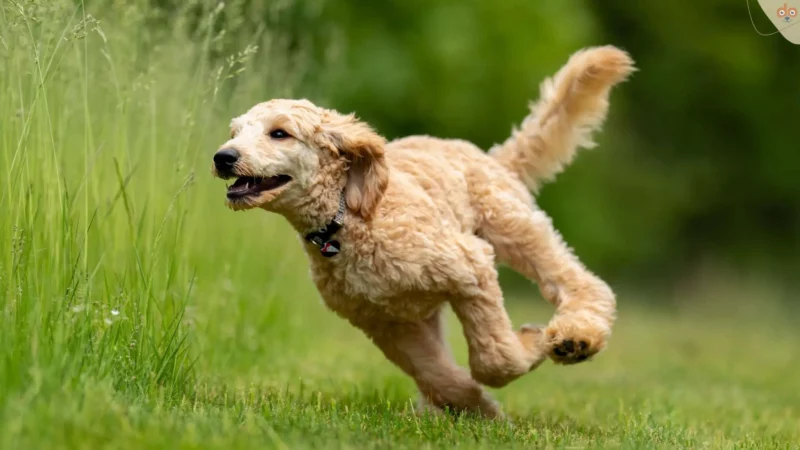
Zoomies are intense activity phases in which dogs seemingly run out of control through the house or garden. These episodes are normal and usually show joy or the release of pent-up energy.
Content
What are zoomies and why does this happen?
Zoomies are moments of intense, seemingly uncontrolled activity. Your dog runs in circles, jumps wildly around or races through the house and garden – usually lasting 30 seconds to two minutes.
Scientifically, these episodes are called «Frenetic Random Activity Periods» (FRAP). They occur when pent-up energy or excitement suddenly discharges. This can happen after bathing, upon seeing you again or if your dog has been quiet for too long.
From my experience with owners: Most interpret zoomies as a sign of joy – and they are right. Dogs show typical play signals during this time, such as lowering the front body or exaggerated jumping movements.
Which dogs have zoomies particularly often?
Puppies between eight weeks and six months show zoomies most frequently. Their impulse control is still developing, and they naturally have more energy than adult dogs.
But dogs aged one to three years also go through such phases regularly. From four years onwards, zoomies become rarer – unless it is a very active breed like Border Collies or Jack Russell Terriers.
A pattern that stands out: Dogs with lots of under-stimulation often get particularly intense in the evenings. This is how they release the energy that has built up throughout the day.
When do zoomies become problematic?
Zoomies are normal and healthy. It only becomes concerning if your dog goes crazy several times a day or for longer than five minutes at a stretch.
Watch out for these warning signs: zoomies directly after eating (risk of bloat), zoomies mixed with aggressive behaviour or lack of recall in the middle of the episode.
A dog that develops zoomies for the first time at five years of age should be examined by a vet. This can indicate pain or neurological problems.
How do you handle zoomies correctly?
Make the room safe: clear away breakable objects and ensure clear running paths. Small children should not be in the way during this time.
Never try to stop or hold your dog. This can injure it or further increase its excitement. Let it run until the episode is over.
Use the warning signs: many dogs show typical behaviour shortly before zoomies – such as intense staring or brief freezing. Then you can quickly send it into the garden.
After the zoomies, your dog is usually more relaxed and more open to training or cuddling – a good moment that you can consciously plan for.
Can you prevent zoomies?
You should not completely prevent zoomies – they are a natural stress release. However, you can influence their intensity.
More physical and mental stimulation reduces the frequency. A tired dog simply has less excess energy to discharge.
Routine helps: fixed walking and playtimes prevent too much energy from building up. In particular, your dog should be properly stimulated again in the evening before going to bed.