
Respiratory rate in dogs: Understanding, measuring, recognising warning signs
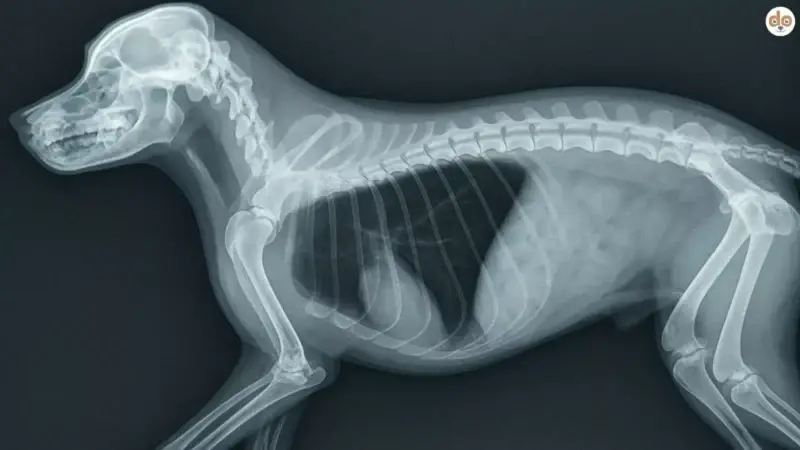
The respiratory rate of your dog reveals more than one might initially think. It gives you a direct insight into how well the heart and lungs are working at the moment – and it can indicate problems long before other symptoms appear. How to measure it, what is normal and when you really need to act: you will find all this here.
The respiratory rate and its relevance
The respiratory rate indicates how often your dog breathes in and out per minute. Sounds simple – but it is a direct window into the function of the airways, heart and metabolism.
If everything is running smoothly, oxygen is distributed efficiently in the body, and breathing remains calm. If the frequency changes noticeably, this can indicate stress, pain, heat or illness. It doesn’t have to – but it can.
There are also entirely natural factors at play: size, age, fitness level, outside temperature. A puppy or a small dog simply breathes faster than a large, old dog. This is not an alarm signal, but physiology.
Those who measure regularly know their dog – and recognise deviations earlier.
What respiratory rate is healthy in dogs?
In a resting state, the respiratory rate of a healthy dog is between 10 and 30 breaths per minute. This is the rule of thumb.
But: A Chihuahua easily exceeds the upper limit, while a Bernese Mountain Dog leisurely grazes the lower one – both are normal. And then there are the situational influences:
- Activity: Panting is perfectly fine after playing. In a resting state, however, breathing should become even again.
- Temperature: Dogs cool themselves down by panting – the frequency therefore increases in heat.
- Stress or excitement: An excited dog breathes faster. Briefly, then normal again.
It becomes problematic if the frequency is permanently out of range in a resting state. Therefore, observe your dog consciously in relaxed moments – they give you the most reliable comparison value.
Diseases that affect breathing
Some diseases change breathing significantly. The most common:
- Respiratory tract diseases: Kennel cough or pneumonia often lead to fast, shallow breathing.
- Heart problems: If the heart weakens, less oxygen arrives – the respiratory rate increases.
- Pain or fever: Both cause the body to consume more oxygen, breathing becomes faster.
- Heatstroke: A serious risk especially in summer – extremely fast panting is a clear warning sign here.
- Allergies, foreign bodies, overweight: These can also burden the airways or make breathing more difficult.
It is clear: A changed respiratory rate alone does not constitute a diagnosis. But it is an important clue that should be followed up on.
How to measure your dog’s respiratory rate yourself
Do you need special equipment for that? No. A stopwatch – the one on your phone is perfectly fine – and a quiet moment. That’s it.
- Ensure calmness: Your dog should be lying or sitting relaxed. Do not measure immediately after playing – wait until they have truly calmed down.
- Observe breaths: Look at the chest or abdomen. One breath = one inhalation and exhalation.
- Counting: Count for 15 seconds, then multiply by 4 – you already have the per-minute rate. If your dog stays nicely still, you can also measure a full minute.
- Repeat: Measuring two to three times gives a more reliable result. Example: 7 breaths in 15 seconds results in 7 × 4 = 28 breaths per minute.
- Note down: Write the values down. Patterns only emerge over time – and they are often more revealing than a single measurement.
Warning signs: When to see the vet?
Sometimes rapid panting is harmless. Sometimes it isn’t. These signs should make you sit up and take notice:
- Rapid or shallow breathing at rest that persists for a while.
- Slow or irregular breathing – especially in combination with lethargy.
- Breathing sounds: wheezing, whistling, coughing.
- Blue tongue or blue gums – this indicates oxygen deficiency and is an emergency.
- Accompanying symptoms such as fever, loss of appetite, or weakness.
If the respiratory rate is persistently above 30 or below 10, call the vet. Immediately. Especially with heart problems or shortness of breath, every hour counts.
Prevention: What you can actively do
Prevention is not rocket science – a few habits go a long way:
- Regular exercise: Keep fit, but do not overexert. In hot weather, opt for shorter walks.
- Healthy weight: Overweight puts direct strain on the airways. A balanced nutrition makes the difference here.
- Smoke-free environment: Passive smoke and dust irritate the airways – even in dogs.
- Protection from heat: Always provide fresh water and shade. A heatstroke can be life-threatening.
- Regular checks: Occasionally measure the respiratory rate, schedule vet visits for preventive care – this way you won’t be caught off guard if something is wrong.
The respiratory rate is a small but reliable tool. Take out the stopwatch, count briefly – and you know more about your dog’s condition in two minutes. Those who do this regularly notice changes early. And that exactly can make the difference.