3 sourcesUpdated September 12, 2026Responsible editor: Roger KleinText: Roger Klein
01Summary
In a paragraph
If you only have 30 seconds.
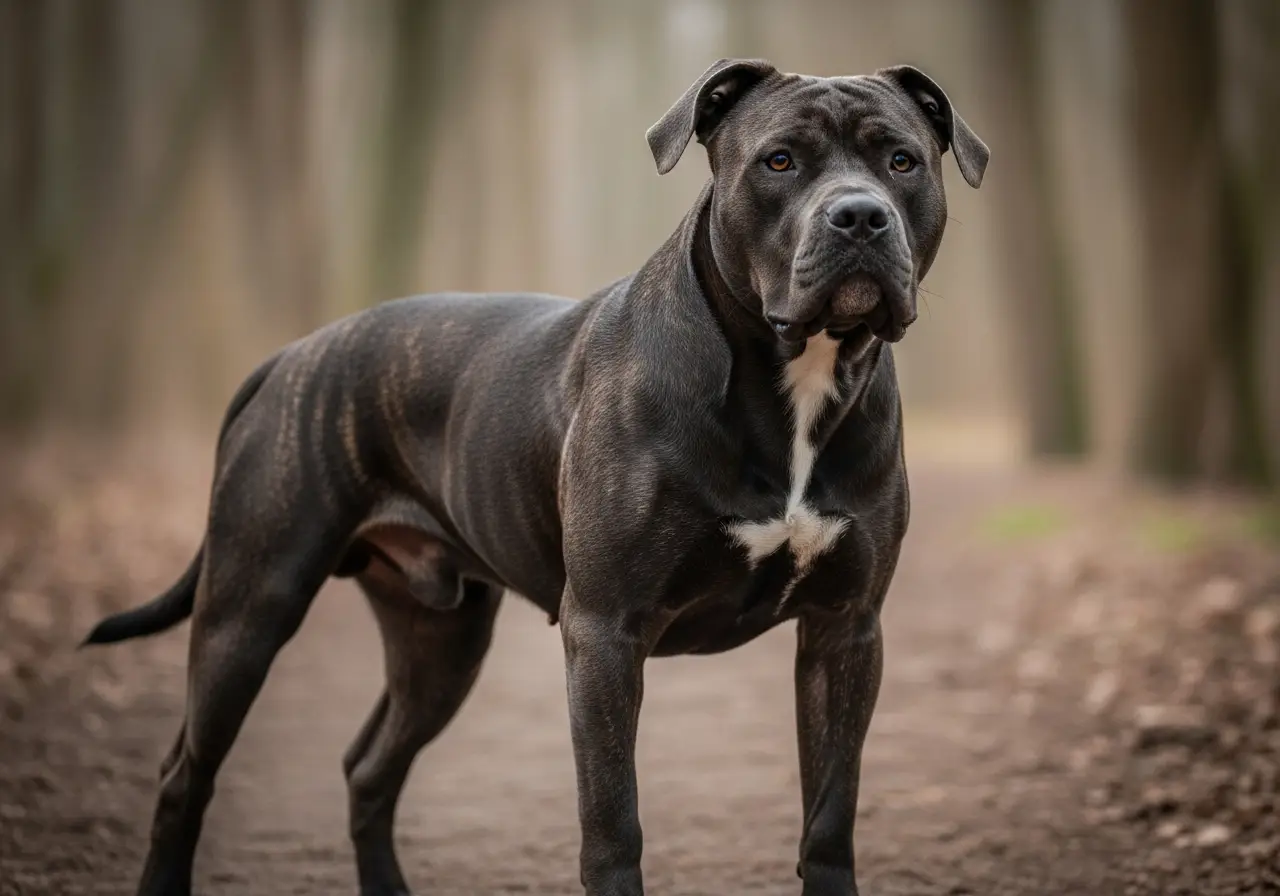
The Bandog is not a recognised type with a fixed standard, but a selectively bred Molosser mix, usually a Mastiff variant crossed with an American Pit Bull Terrier. Its guarding instinct is genetically anchored, its demand for leadership is high. Anyone keeping this dog takes on responsibility not just for an animal, but for a system of law, management, and daily consistency. This is not a dog for casual owners.
02Introduction
What makes the Bandog special
The Bandog is not an FCI-recognised type, but a sturdy Molosser crossbreed dog, historically kept as a chained dog, with a withers height of 55–70 cm.
03Profile
Key facts and suitability
- Origin
- Grossbritannien/USA
- Original purpose
- Guard and protection dog (historically chained on a lead)
- height at the withers
- 55–70 cm
- Weight
- 40–60 kg
- Life expectancy
- 8–12 Years
- Coat type
- Short-haired
- Minimum exercise
- 60 min/day
- Puppy price
- 1'000–3'000 CHF
- Waiting period
- 6 months
- Sports
- Schutzhund
04Temperament
How the Bandog shows up in everyday life
When returning home, a Bandog first registers who enters, whether a known person or a stranger. Towards the primary caregiver, it shows close bonding and attention; a stranger entering the property boundary unannounced immediately triggers guarding behaviour. These two reactions run in parallel and independently of each other; this is not a question of training, but genetic basic structure.
Every day, the Bandog requires structured activity: 60 to 90 minutes of controlled movement, supplemented by mental tasks such as nose work or obedience exercises under distraction. Its need for social contact is directed towards the primary caregiver, not the general public. It seeks closeness to its owner, not contact with strangers or other dogs.
It reacts to unknown persons with attention up to mistrust. Visitor situations require active management: The dog must be secured before the guest is let in, and the situation must be introduced in a controlled manner. Spontaneous visits without preparation are structurally incompatible with a Bandog.
In everyday life with other dogs, compatibility depends heavily on the line and early socialisation. Many Bandogs tolerate known dogs in their own household, but react to unknown conspecifics with dominant behaviour. Off-leash running in public dog exercise areas is not a suitable form of activity for most specimens.
Being left alone must be built up systematically. Four hours are considered a realistic maximum, provided the dog is sufficiently stimulated and the environment is secured. A Bandog that is bored or insecure will seek enrichment on its own initiative, with corresponding consequences for household items and neighbours.
05Needs
What this breed needs daily
The Bandog requires 60 to 90 minutes of structured movement daily, not as free exercise, but as guided activity with clear communication between dog and owner. Loose-leash walking under distraction, controlled encounters, and calm transitions between situations are more important than kilometres covered.
Mental stimulation is just as relevant as physical exercise. Nose work, obedience exercises with varying demands, and structured rest periods are part of the daily routine. A Bandog that is intellectually under-stimulated will develop its own initiatives, rarely to the advantage of the household.
The property must be securely fenced: fence height at least 180 cm, stable, without climbing aids. A Bandog with pronounced territorial behaviour and corresponding body mass will overcome unsecured obstacles. Securing the area is not a matter of comfort, but a prerequisite for keeping the dog.
The need for social contact exists primarily towards the primary caregiver. The dog requires reliable daily interaction with its main owner; changes in the primary caregiver or frequent absence destabilise the bond. Multi-person households work if all participants consistently implement the same leadership framework.
Visitor and stranger situations must be actively prepared for. This means: secure the dog, introduce the guest, observe and control reactions. This routine requires time and planning; it does not disappear with increasing familiarity, but remains a permanent part of everyday life.
A supporting dog training school with experience in guarding and utility dog types is not an option for the first few months, but mandatory.
Exercise
Medium
mental work
Medium
Social needs
Medium
training
Experts
06Quick Check
07Suitability
Who this breed suits and who it doesn't
✓Matches
A Bandog suits owners with proven experience in handling guarding or utility dogs, not dogs in general, but specifically drive-strong, assertive types. Anyone who has responsibly handled a Rottweiler, Cane Corso, or Malinois already brings a realistic starting basis.
The living environment must include a secured property. A house with its own garden, stable fencing, and a quiet neighbourhood significantly reduces the daily management effort. Urban locations with high encounter frequencies increase the handling effort to a level that permanently strains even experienced owners.
The owner must plan 90 to 120 minutes daily for structured activity and leadership work, not as a leisure pursuit, but as a firm commitment. Full-time professional absence without a reliable care solution is incompatible with this crossbreed.
In Switzerland, the legal status must be fully clarified in the respective canton before getting a dog: classification as a restricted breed, proof of competence, compulsory liability insurance, and possibly leash and muzzle requirements in public spaces. Anyone who dismisses this step as bureaucracy underestimates the consequences in an emergency.
×Doesn't match
A Bandog is not suitable for owners keeping a dog for the first time, even if motivation and willingness to learn are high. Starting with a drive-strong Molosser mix without prior experience is structurally overwhelming, not character-based.
Anyone who views the guarding instinct as a "bonus" while simultaneously expecting an accessible, sociable dog misunderstands both aspects: a close bond with its owner does not mean openness towards strangers. A Bandog that is closely bonded to its owner is therefore not a dog that warmly welcomes visitors.
Households with frequently changing visitors, small children under eight years of age, or other pets without a secure introduction routine are structurally unsuitable, not because the dog is fundamentally incompatible, but because managing these situations requires sustained high attention, which is realistically not always available in family life.
Anyone living in a rented apartment without a garden, residing in a densely populated urban area, or being away from home for more than four hours daily due to work, without having a reliable care solution, should not choose this crossbreed. Anyone who has not fully researched the restricted breed status in their own canton is also not ready to make a decision at this time.
08Related
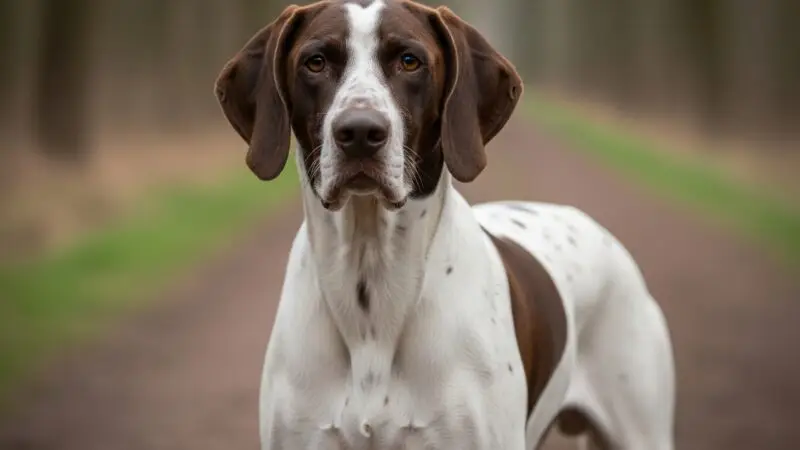
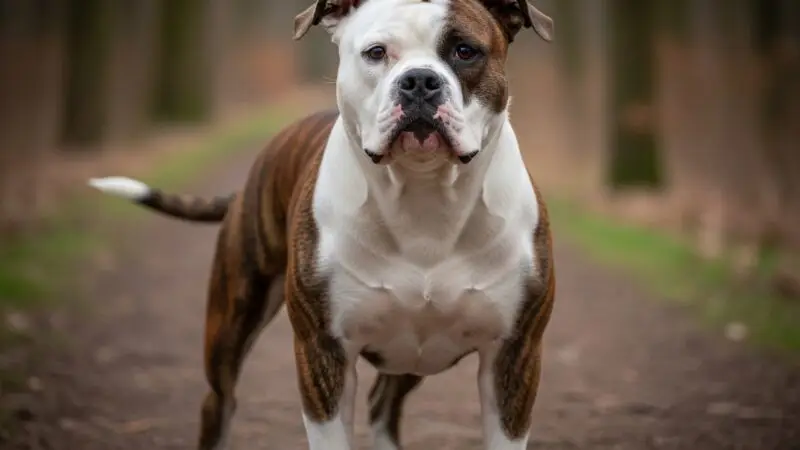
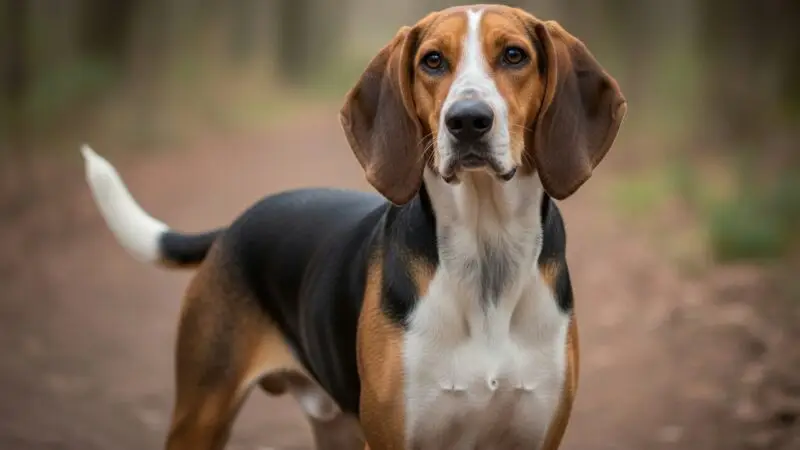
Similar breeds and how they differ
09Line reality
Show line, working line, breeder market
A binding differentiation of lines in the sense of FCI-recognised working and show lines does not exist for the Bandog. As there is no breed standard, lines develop informally, shaped by the preferences of individual breeders and the starting breeds used.
Broadly speaking, two orientations can be distinguished: Breeders who primarily select for guarding instinct and working use often employ a higher terrier component (American Pit Bull Terrier, American Bulldog). The resulting dogs are quicker to react, have stronger drive, and require more intensive management. Breeders who emphasise body mass and presence work more strongly with Mastiff variants (Neapolitan Mastiff, Cane Corso, English Mastiff). These dogs are generally calmer in their basic temperament but are under greater orthopaedic strain.
Regional differences play a role: In the USA, Pit Bull-heavy combinations dominate; in Europe, Mastiff-emphasised lines are more frequently encountered. Both orientations can be marketed under the term "Bandog", without the buyer being able to recognise the difference without precise knowledge of the parent animals.
Anyone acquiring a Bandog must know and understand the lines used in the parent animals and which behavioural tendencies are associated with them. A breeder who cannot or will not answer this question is not a serious source.
10Health · Reality
What you need to plan for medically with your Bandog
The life expectancy of a Bandog ranges between 8 and 12 years depending on its genetic composition. Large Molosser types reach the upper end of this range less frequently; dogs with a higher Terrier proportion tend to have a longer lifespan.
Orthopaedic diseases are in the foreground: hip dysplasia (HD) and elbow dysplasia (ED) occur frequently in large Molosser crosses. No breed-specific figures are available for Bandogs, as there is no stud book.
Heart problems (cardiomyopathy, aortic stenosis) are documented in Mastiff lines. Skin problems (fold eczema, demodicosis) can occur depending on the phenotype, particularly in dogs with pronounced skin folds.
Preventive examinations include: HD/ED X-rays before breeding (mandatory for reputable breeders), annual heart auscultation by the vet, eye examination for lines with Mastiff content, and regular weight control. Overweight is a significant risk in this crossbreed; the combination of body mass and reduced willingness to move in old age places a disproportionate burden on joints and the cardiovascular system.
Vets without experience with Molosser types should involve a specialist clinic early on for behavioural abnormalities with a possible medical background; pain-induced aggression is documented in orthopaedic diseases.
11Structured data
Health by the numbers
Prone to diseases
Hip dysplasia, heart problems, gastric torsion (bloat) (depending on parent breeds)
Recommended health tests
Hip X-ray, cardiac examination
12Myths ↔ Reality
What is often said incorrectly about this breed
Five myths, five realities, five sources.
"A Bandog is only dangerous if it has been poorly trained.
Guarding instinct and territorial behaviour are genetically anchored in this crossbreed, not solely determined by training. Even a well-socialised Bandog reacts to stimuli that other dogs ignore. The risk potential lies in the combination of body mass, quick reaction and guarding instinct, not solely in the training history. Specialist associations such as the VDH emphasise that genetics and socialisation interact.
"Bandogs are not restricted breeds because they are not a recognised breed.
In several German federal states and individual cantons in Switzerland, dogs are classified not by FCI recognition, but by phenotype and pedigree. A Bandog with visible Pit Bull or Mastiff ancestry may fall under restricted breed regulations, regardless of whether it is registered in the stud book. The current legal status must be checked at the level of the respective federal state or canton (as of 2024).
"If you give the dog enough exercise, you have no leadership problems.
Physical exercise reduces frustration but does not replace a leadership structure. A Bandog with a high guarding instinct requires mental stability, clear communication and consistent management, regardless of the distance covered daily. Studies on behavioural prevention in Molosser types show that uncontrolled freedom without a leadership framework increases, rather than decreases, conflict potential.
"A Bandog from animal welfare is unpredictable and no longer trainable.
Many Bandogs in animal welfare were surrendered because owners had underestimated the leadership demands, not because the dogs were fundamentally unsuitable for rehoming. With a thorough behavioural assessment by experienced experts and a structured settling-in concept, even adult dogs of this crossbreed can be integrated into suitable households. The prerequisite is an owner with proven experience in handling guard or working dogs.
"Bandogs are automatically sluggish and calm due to their size.
The Pit Bull component in many Bandog lines brings considerable reaction speed and drive. Despite a body mass of 50–70 kg, a Bandog can react explosively and with endurance. Anyone expecting a calm housemate fundamentally underestimates the terrier genetics in this crossbreed.
13animal welfare
The animal welfare perspective
Breeder market, designer versions, animal shelter reality: what no one writes in the puppy ad.
The Bandog ends up in animal welfare organisations disproportionately often. The reasons are structural: owners underestimate the leadership effort, fail due to legal requirements, or surrender the dog after a biting incident. Animal welfare organisations in Germany and Austria report that Molosser crosses with restricted breed status belong to the most difficult dogs to rehome, not because of their temperament, but because of the demands placed on the owner.
The backyard breeder market is particularly active with this crossbreed. As no studbook exists and there is no kennel club oversight, offers on classifieds platforms are difficult to assess. Puppies are sometimes sold without health checks of the parent animals, without socialisation, and without a willingness to take them back. The price varies significantly, from 500 to over 2,000 euros, without the price being a reliable indicator of quality.
Designer versions under names such as "American Bandog", "XL Bandog" or "Swinford Bandog" are sometimes marketed deliberately, without the lines used being made transparent. Anyone buying a dog whose parent animals have not been viewed personally has no basis for assessing temperament and health risks.
Breeding and keeping-related problems arise mainly due to a lack of standardisation: temperament, body size and health profile vary considerably between litters. Anyone buying a Bandog from a line with high selection pressure for guarding instinct receives a different dog than someone who chooses a line focused on body mass.
Adoption through animal welfare organisations is a serious alternative. Many of the dogs housed there were surrendered due to situations where they were overwhelmed; with a well-founded behavioural assessment and an experienced owner, they can be rehomed. Anyone taking in a Bandog from animal welfare also often receives a more realistic assessment of its character than with a puppy whose development is still open.
14Costs · Transparency
What this breed realistically costs
The acquisition costs for a Bandog puppy from a reputable breeder are between 1,200 and 2,500 euros, provided that health certificates of the parent animals, socialisation and willingness to take them back are given. Offers under 800 euros without breeding documentation are a clear warning sign.
The annual living costs for a dog of this size class (50–70 kg) are realistically between 3,000 and 5,000 euros. Food costs for high-quality dry food or BARF amount to 80 to 150 euros per month depending on the composition. Grooming costs are moderate with short fur, however regular nail care and ear checks are required.
Veterinary costs are above average for Molosser types: An HD/ED X-ray examination alone costs 200 to 400 euros depending on the practice. Orthopaedic treatments can quickly reach 2,000 to 5,000 euros. Pet insurance is strongly recommended for this crossbreed; annual premiums are between 600 and 1,200 euros depending on the provider and scope of benefits, provided the dog can be insured at all, as some providers exclude restricted breeds.
In addition, there are costs specific to restricted breeds: proof of expertise (course 100–300 euros), increased liability insurance premiums (from 200 euros/year upwards) and possibly official temperament tests. These items vary greatly by federal state and canton.
15Puppy search
What you need to consider when choosing a breeder
- Since the Bandog is not an FCI-recognised breed, there is no stud book and no association that controls breeding facilities.
- This significantly increases the risk of dubious offers.
- Reputable breeders disclose the parent dogs, specify the lines used concretely, and provide health certificates for both parents, at least hip X-rays (HD) and elbow assessment (ED).
- A visit on site is non-negotiable.
- Anyone selling puppies without an inspection of the mother and the rearing environment is not a reputable source.
- Puppies should be handed over no earlier than at eight weeks; early socialisation with various stimuli, people, and environments must be documented.
- Offers on general classifieds platforms without breeding proof, with very low prices, or with pressure for a quick decision are warning signs.
- Equally problematic: breeders who do not ask questions about the planned living environment.
- Adoption through animal welfare organisations is an equally valid option.
- Many Bandogs in animal welfare were surrendered due to owners being overwhelmed, not because they are fundamentally unadoptable.
- Provided there is a well-founded behavioural assessment by the receiving organisation and a structured settling-in concept, an adult dog from adoption can be the more suitable choice for an experienced owner than a puppy.
FAQ
Frequently asked questions about the Bandog
How much exercise does Bandog need?
At least around 60 minutes of exercise per day.
What is the size and weight of Bandog?
Fully grown, Bandog reaches about 55–70 cm at the withers and weighs around 40–60 kg.
What is the life expectancy of Bandog?
The life expectancy of Bandog is approximately 8–12 years.
Which diseases are common in Bandog?
Hip dysplasia, heart problems, gastric torsion (bloat) (depending on parent breeds)
Participate
Do you have a good photo of your Bandog?
We are looking for expressive images for our breed profiles. Submit yours; the editorial team reviews every submission before publication.
Does this breed suit you?
Not a recognised breed type, but a crossbreed of Molosser breeds. Suitable only for very experienced owners with appropriate infrastructure.