
Researchers dispel myths: How can you really kill ticks?
After removing a tick, you must reliably kill it, otherwise it can lay up to 4,000 eggs. These methods really work and are safe for you.
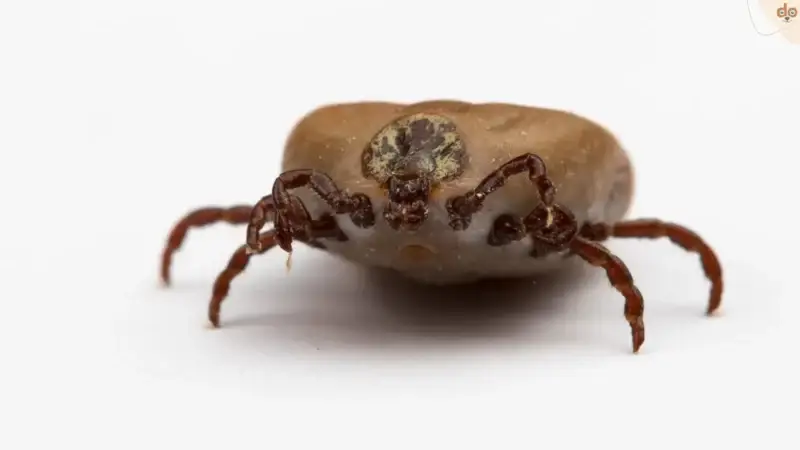
Content
You have removed a tick from your dog, and now? The little beast crawls on cheerfully, as if nothing had happened. Simply throwing it away is not an option: A female tick can lay up to 4,000 eggs. But many of the circulating “killing methods” are either ineffective or even dangerous.
Why do I need to kill ticks at all?
Ticks do fall off after being fully engorged, but only if they were able to drink undisturbed. A removed tick remains active and eager to search. The problem: Females lay up to 4,000 eggs after the blood meal. So every surviving tick means potentially thousands of new disease vectors in your environment.
What should I never do when killing ticks?
Squashing with your fingers is taboo. Pathogens from the tick can get onto your skin in the process, particularly problematic with small wounds.
Flushing down the toilet does not work. Most tick species survive water temperatures up to 40 degrees without problems. They swim back or crawl out of the sewer later.
Throw on the floor and stomp? Ticks have an extremely hard chitin shell. Often they survive even strong kicks and disappear unnoticed.
Which methods really kill ticks reliably?
These methods work, sorted by safety and practicality:
Alcohol from 70 per cent: The safest method. Put the tick in a small glass with 70 per cent isopropanol or disinfectant and leave it closed. It does not go quickly: In the only controlled measurement, nymphs died after just over five minutes, adult ticks only after around 19 minutes, and two animals were still alive after 20 minutes, they were only dead after 24 hours. So leave the glass overnight. There is no efficacy data for spirits with around 40 per cent.
Squashing with a hard object: Hold firmly with tick tweezers and crush with a hammer, heavy glass or stone. Disinfect the surface afterwards. Never touch with bare fingers.
Burning: Light with a lighter, but only outdoors and on a fireproof base. Works immediately, but not in enclosed spaces.
Hot water: Pour boiling water over it in an old jam jar. At least 50 degrees are necessary, boiling water is safe.
Chlorine cleaner: Apply undiluted. Cover the tick with it in a small container and wait 10 minutes.
Freezing: At minus 22 degrees for at least 24 hours. Laborious and slow, but reliable. Put the tick in a separate container.
Frequently asked questions about killing ticks
Can I kill ticks in the washing machine?
Yes, from 60 degrees ticks die reliably. Many species survive 40-degree washes. So wash clothes hot after tick contact or remove the ticks individually beforehand.
Do ticks really survive so long without food?
Adult ticks can manage up to three years without a blood meal. That is why it is important to actually kill them after removal, not just throw them away.
Do I still need to be careful with dead ticks?
Yes, even dead ticks can contain pathogens. Never touch with bare hands and clean surfaces after contact. Use gloves or tick tweezers.
Do ticks die from frost on their own?
Normal winter temperatures are not enough. Ticks become active from 6 degrees and survive even longer periods of frost. They only die reliably in extreme cold below minus 20 degrees.
Does washing-up liquid or soap work against ticks?
No, normal washing-up liquid or soap does not kill ticks. They can at most be stunned, but recover again. The methods mentioned above are necessary for reliable killing.