
Are Hyacinths Poisonous to Animals? An Important Guide for Pet Owners
Content
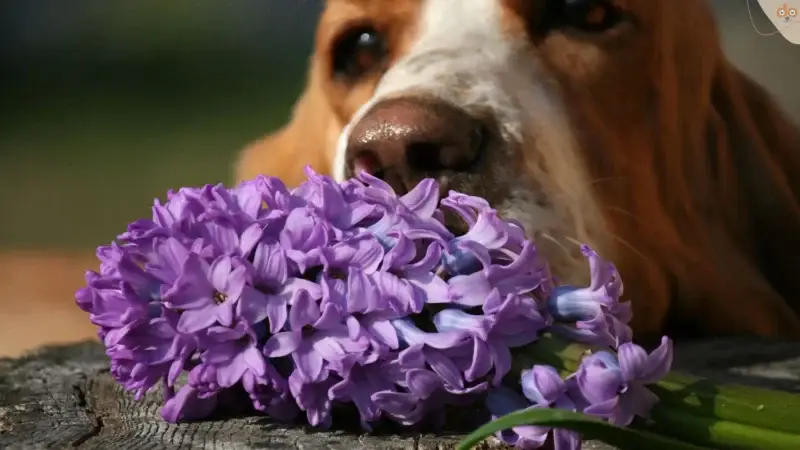
Hyacinths are poisonous to dogs, cats, rodents and birds; to be honest, we were not aware of this until an attentive reader pointed it out to us. We had recently used a feature image with hyacinths in the article about Bach flowers for dogs. A mistake that we corrected immediately. We have compiled the most important background information here.
Which animals are at risk?
Hyacinths contain substances that can cause serious health problems in animals. Affected are dogs, cats, rodents such as rabbits and guinea pigs, as well as birds. How severe a poisoning is depends on the animal species, body size and how much of the plant was eaten.
Hyacinths and dogs
Dogs can be poisoned by hyacinths. After eating them, vomiting, diarrhoea and noticeable lethargy typically appear. If you suspect that the dog has nibbled on a hyacinth, you should first offer it fresh water, and at the first signs of poisoning, go to the vet without hesitation. Hyacinths do not belong in the house or garden if a dog is around.
Hyacinths and cats
Cats are known to like nibbling on plants, which makes them particularly vulnerable with hyacinths. The leaves, flowers and especially the bulb, which a curious cat could dig up, are poisonous. Because cats also climb and can thus reach plants placed at height, the safest approach is to omit hyacinths entirely from households with cats.
Hyacinths and rodents
Rabbits, guinea pigs and other small rodents react particularly sensitively. Even small amounts can be fatal for them. Hyacinths must therefore be kept consistently out of their reach; no compromise.
What to do in case of poisoning?
If your animal has eaten hyacinths, calmness and quick action count simultaneously. Here are the most important steps:
First measures
- Estimate the amount: How much was eaten? This information helps the vet enormously with the assessment.
- Offer water: Fresh water can slightly dilute toxins in the body and reduce irritation of the mucous membranes.
- Observe symptoms carefully: Vomiting, diarrhoea, increased salivation, lethargy; write down everything that stands out.
When to go to the vet?
- Call immediately or drive there directly at the first symptoms; do not wait.
- Even if you are not sure whether anything was actually eaten: better to ask too often than to hesitate for too long.
- If the animal has consumed a larger amount, go to the practice immediately, without detours.
Treatment by the vet
The vet can confirm the poisoning through tests. Depending on the severity, various measures may be considered: activated charcoal to slow down the absorption of toxins, fluid therapy to relieve the kidneys or medication against the symptoms. In more severe cases, a hospital stay may become necessary.
Prevention
- Familiarise yourself with poisonous plants; the list is longer than many think, and keep them consistently away from your animals.
- Ban poisonous plants entirely from the household or at least place them where no animal can reach them.
Conclusion
Hyacinths are pretty, but seriously dangerous for many pets. Anyone with dogs, cats or rodents should preferably ban these plants entirely from the apartment and garden. If there is suspicion of poisoning, the rule applies: act immediately, contact the vet, and do not hope for improvement.