
Farewell: Accompanying Your Dog on the Final Stage Until Death
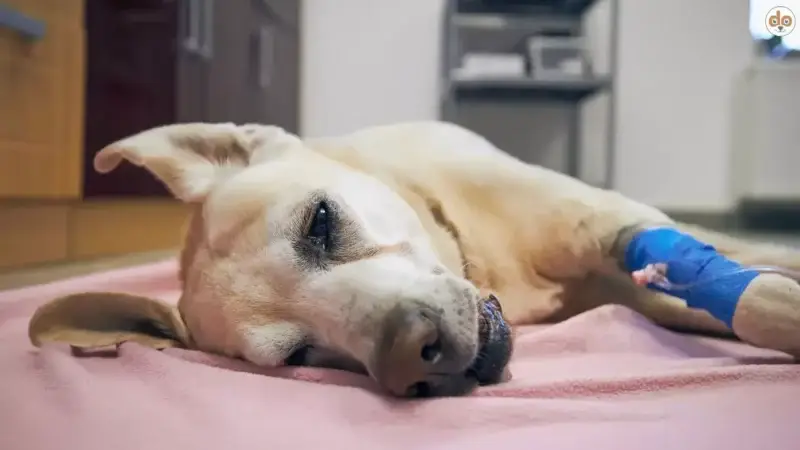
Content
The final journey with a dog is deeply personal. This article gently accompanies you through all phases of farewell – from the first signs through palliative care and the decision to the concrete procedure of euthanasia and the time afterwards. Always with regard to dignity, freedom from pain and love.
Firstly, my personal opinion: I make every effort to be strong and calm for my animal at this moment. My task is to give it peace, security and comfort. When death has occurred, I may let my grief run free – but until then, my dog should feel that it is not alone. Throughout its life, it was by my side, supported me in difficult times and gave me comfort. Now, on its final stage, I am the one who is there for it. I know that witnessing this moment breaks many people’s hearts, and I understand that. But for me personally, it is unthinkable to leave my animal alone at this moment – especially now it needs my closeness most.
What happens in the dog during farewell
Towards the end of life, appetite, water intake, mobility and interest in the environment often decrease. With incurable diseases, relieving suffering is in the foreground: pain, nausea, shortness of breath, fear. The goal of vets is comfort and dignity – not prolonging life at all costs.
Guidelines recommend structured, early planning of palliative or hospice care and close support for owners.
Assessing “Quality of Life”
- HHHHHMM Scale by Villalobos (Hurt, Hunger, Hydration, Hygiene, Happiness, Mobility, More good days than bad): A practical tool to check together with the vet whether life still has predominantly good days.
- With chronic pain, validated assessments such as the Canine Brief Pain Inventory (CBPI) help make changes and therapy effects measurable.
Deciding: When is it “time”?
There is no perfect day for it – but there is too late. Talk early about the goals of treatment: freedom from pain, breathing without fear, dignity.
Use diaries and scales to objectively record good and bad days. The vet supports you with this – medically and humanly.
Palliative support – what really helps
- Pain and symptom control (e.g. analgesics, antiemetics, sedation) strictly according to veterinary prescription; the goal is comfort, not healing.
- Environment: quiet, non-slip resting places, closeness to key people, familiar smells/blankets; short, frequent cuddle/care sessions.
- Feeding: small, tasty portions, soft consistencies; make drinking easier (shallow bowls, offering by hand). Do not force-feed against the will.
- Care: warmth, gentle body care, help with getting up; maintain hygiene without overburdening.
- People in mind: Anticipatory grief is normal; accept help (vet, IAAHPC resources, bereavement groups).
When euthanasia is the gentlest way
What it serves
Humane euthanasia ends suffering painlessly. Guidelines emphasise minimising pain and fear before loss of consciousness – ideally with pre-euthanasia sedation (e.g. by injection or into food), so that the dog falls asleep calmly and without fear.
What happens medically?
- Often first sedation/pain relief → relaxation and “falling asleep”.
- Then insertion of a venous catheter (depending on practice) and administration of an anaesthetic in overdose. Consciousness fades within seconds, afterwards breathing and heart stop.
- After death, reflexes may occur (breaths, muscle twitching, urine/faeces passage, open eyes) – this is normal and not a sign of suffering.
Where does it take place?
In practice (in a quiet room) or at home. Both options can be very peaceful; what matters is calm, familiar people, a favourite blanket – and time.
How to behave best – before, during, after
Before the appointment
- Clarify wishes: location, presence, sedation, music, final treats (only if well tolerated), keepsakes (paw print, lock of hair).
- Organise remains: individual or communal cremation, pet cemetery, permitted burial – regulations vary by region; clarify this with the practice or authorities.
- Prepare the family: explain to children in an age-appropriate way that the dog “goes to sleep and does not wake up”. Anyone who does not wish to be present does not have to.
During
- Speak calmly, stroke, stay with the dog – or wait outside if it is too difficult for you. Both are okay – Time to say Goodbye.
- Allow yourself to cry. Your dog takes its cue from your calmness, not from “strength”.
Afterwards
- Say goodbye: you can stay in peace. Let other pets sniff briefly – this can help them understand the loss.
- Support grief: rituals (walk to their favourite spot, photo corner, letter), accept offers of help (hotlines, groups) – Self-care.
Frequently Asked Questions
Does euthanasia hurt?
No. With sedation and an overdose of an anaesthetic, the dog loses consciousness painlessly within seconds.
Should I be there?
If it feels right for you: yes. If not, that is equally fine; your dog is in professional, loving hands.
How do I know if my dog is “ready”?
If despite therapy more bad days than good prevail, pain or shortness of breath dominate, or the joy of life is permanently missing. Use HHHHHMM & Diary and speak openly with your vet.
Note: This article does not replace veterinary advice. Please always discuss medication, sedation, location and timing with your vet in CH/DE/AT.