
Dog Not Urinating – What to Do?
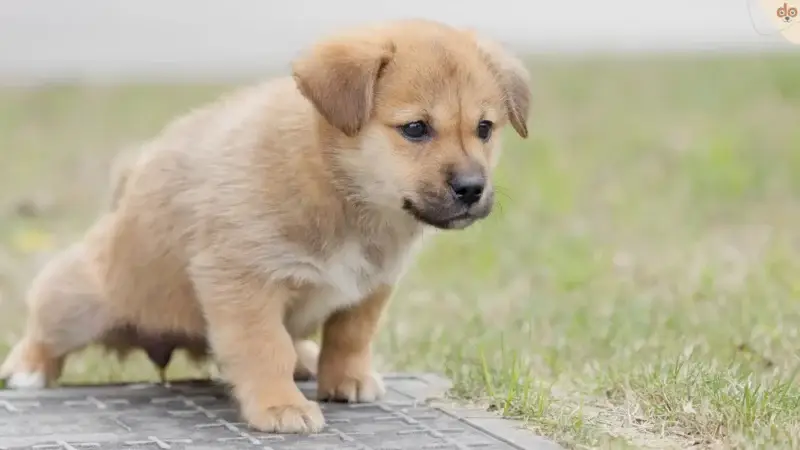
A dog that does not urinate is usually suffering from a urinary tract problem, which can range from harmless behavioural changes to life-threatening blockages.
Content
When is it an emergency if the dog is not peeing?
Male dogs with complete urinary retention have 8–12 hours before it becomes life-threatening. In bitches, the time window is usually longer, but the rule here is also: if no urine has passed for 12 hours, go to the vet immediately. Warning signs of an emergency include repeated unsuccessful straining, whining when trying to urinate or a hard, distended belly.
Male dogs are affected more frequently than females; their urethra is longer and narrower, so stones can get stuck more easily. A male dog that goes into the peeing position every few minutes but nothing comes out probably has a blockage.
What blocks urine flow in dogs?
Urinary stones are the most common cause of complete blockages in small to medium-sized male dogs. The little stones, sometimes only the size of a grain of rice, can get stuck in the urethra. In bitches, larger stones in the bladder more often block the outlet.
Inflammations swell the urethra without stones being involved. The dog strains, but only drops or nothing at all come out. Blood in the small amount of urine is a clear indication of a bladder infection.
Prostate problems in older, intact male dogs compress the urethra. These dogs often urinate drop by drop and have difficulty passing faeces.
Can stress prevent peeing?
A stressed dog holds back urine, but never for longer than a day. Moving house, a vet visit or new family members can lead to the dog not marking in its usual places. However, this is not a medical blockage; the dog can physically urinate but does not want to.
You can spot the difference like this: The stressed dog does not constantly seek urination positions, but rather appears reserved. It drinks normally and the belly remains soft. Within 24 hours at the latest, the problem usually resolves itself.
What do you do in the first few hours?
Offer water every 30 minutes, but do not force it to drink. A blocked dog instinctively drinks less. Note down the time of the last urine. Take it out briefly every 2 hours, without applying pressure.
Gently feel the belly: You can feel a fully distended bladder as a firm ball behind the ribs. If the belly is soft and the dog is relaxed, you still have some time for observation. With a hard belly and restless behaviour, go to the vet immediately.
Do not give painkillers from your home medicine cabinet. They can strain the kidneys and make diagnosis more difficult.
Which breeds are particularly at risk?
Dalmatians have genetically higher levels of uric acid in their urine, so stones form more frequently in them. Cocker Spaniels and Shih Tzus tend to develop oxalate stones. Yorkshire Terriers often get cystine stones, which are particularly stubborn.
Large dog breeds develop stones less frequently, but prostate problems more often. German Shepherds and Golden Retrievers over 7 years old should have their prostate checked annually.
More from the Wiki
All wiki entries →Plum
The plum is a stone fruit of the genus Prunus. Its stone contains cyanogenic glycosides; the …
Rhubarb
Rhubarb is a knotweed whose leaves are rich in soluble oxalic acid. For dogs, the leaves …
Why is dog faeces white?
White dog faeces occurs when normal digestion is disrupted or certain substances change the colour of …
Dog licks its anus, what to do?
Anal licking in dogs is a normal grooming behaviour that serves for cleaning and emptying the …