
Plum
 Source: Pixabay (Foto: Couleur) · Pixabay Content License
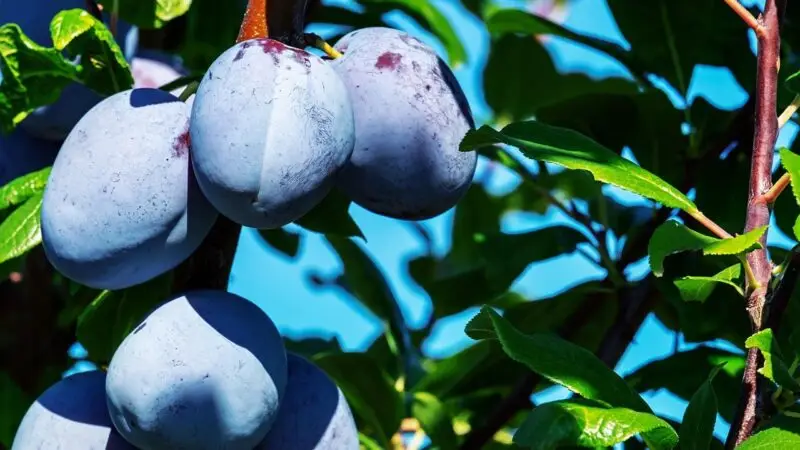
 The plum is a stone fruit of the genus Prunus. Its stone contains cyanogenic glycosides; the flesh is non-toxic for dogs but high in sugar.
Content
Plums can be dangerous for dogs, particularly because of their pits, which contain cyanide and pose a high risk of poisoning. The plum skin can also be difficult to digest for some dogs and cause digestive problems. The flesh of the plum is not toxic to dogs, but should only be fed in very small quantities, as it has a high sugar content and can lead to gastrointestinal upset.
Why are plums problematic for dogs?
There are several reasons why plums can be potentially dangerous for dogs:
1. Pits contain cyanide:
The pits of the plum contain amygdalin, a substance that is broken down into cyanide in the digestive tract. Cyanide blocks the oxygen supply to cells, which can lead to serious health problems, including breathing difficulties, seizures and even death.
- Cyanide is only released when the pit is bitten. Actual cyanide poisoning in dogs after eating such fruits is rare; carnivores are significantly less sensitive to it than ruminants. The more common problem is the swallowed pit.
- A swallowed pit can also lead to a bowel obstruction in small dogs.
2. Skin can be difficult to digest:
The skin of the plum can be difficult to digest for some dogs and lead to vomiting, diarrhoea or abdominal pain. Particularly in sensitive dogs, the skin can cause gastrointestinal problems.
3. High sugar content:
Plums contain a lot of fruit sugar, which can be problematic for dogs in large quantities. Too much sugar can lead to digestive problems, weight gain and dental issues.
Can dogs eat the flesh of plums?
The flesh of the plum is not toxic for dogs, but it should only be fed in very small quantities and under certain conditions:
- Remove stones: Before feeding plums, you should always completely remove the stones to avoid the risk of cyanide poisoning or a bowel obstruction.
- Feed only in small quantities: Due to their high sugar content, plums should only be fed occasionally and in small quantities to avoid digestive problems.
- Remove skin: To minimise stomach upset, it is a good idea to remove the plum skin before giving it to your dog.
What to do if your dog has eaten a plum stone?
If your dog has accidentally eaten a plum stone, there are two scenarios:
1. The stone was swallowed whole:
A whole, unbroken stone generally does not cause acute cyanide poisoning, but it can lead to a bowel obstruction in small dogs. Watch for symptoms such as:
- Vomiting
- Constipation or difficulty passing faeces
- Loss of appetite
- Abdominal pain
If your dog shows any of these symptoms, you should see a vet immediately.
2. The stone was chewed:
If your dog has chewed the stone, there is a risk of cyanide poisoning. Signs of poisoning include:
- Breathing difficulties
- Pale mucous membranes
- Weakness or lethargy
- Dilated pupils
- Confusion
If you suspect that your dog has cyanide poisoning, you should contact a vet immediately, as this is a medical emergency.
Safe fruit alternatives for dogs
There are many safe and healthy fruit alternatives that you can feed your dog instead of plums:
- Blueberries: Rich in antioxidants and good for heart health.
- Apples (without the core): high in fibre and well tolerated. The seeds contain cyanogenic glycosides, like all Prunus and stone fruit seeds, so they do not belong in the bowl.
- Strawberries: Low in calories and rich in vitamin C, good for skin and coat.
- Watermelon (without seeds): A hydrating fruit, ideal for hot days.
Conclusion: Plums are risky for dogs, beware of the stones
Plums can be dangerous for dogs, particularly because of their stones, which contain cyanide and can lead to severe poisoning. The flesh should also only be fed in very small quantities and without the skin, as plums contain a lot of sugar and can cause gastrointestinal upset. If you want to give your dog a healthy treat, there are many safer alternatives such as blueberries, apples or watermelon. If your dog has accidentally eaten a plum stone, you should monitor it closely and see a vet immediately if signs of poisoning appear.
More from the Wiki
All wiki entries →Rhubarb
Rhubarb is a knotweed whose leaves are rich in soluble oxalic acid. For dogs, the leaves …
Why is dog faeces white?
White dog faeces occurs when normal digestion is disrupted or certain substances change the colour of …
Dog licks its anus, what to do?
Anal licking in dogs is a normal grooming behaviour that serves for cleaning and emptying the …
Why do some dogs eat their vomit?
Eating one's own vomit is normal behaviour in dogs, stemming from evolutionary instincts.