
When Your Dog Has Constipation: Symptoms, Treatment, and Home Remedies
You can recognise constipation in your dog by unsuccessful straining or the absence of faeces for over 24–48 hours. Pumpkin puree, coconut oil, and more exercise help; from the fourth day without faeces, it becomes dangerous.
Content
Is your dog straining unsuccessfully or have they not passed faeces for three days? Constipation in dogs is caused by too little exercise, low-fibre food, or simply insufficient water intake. Older dogs and those with orthopaedic problems are particularly affected.
How Do I Recognise Constipation in Dogs?
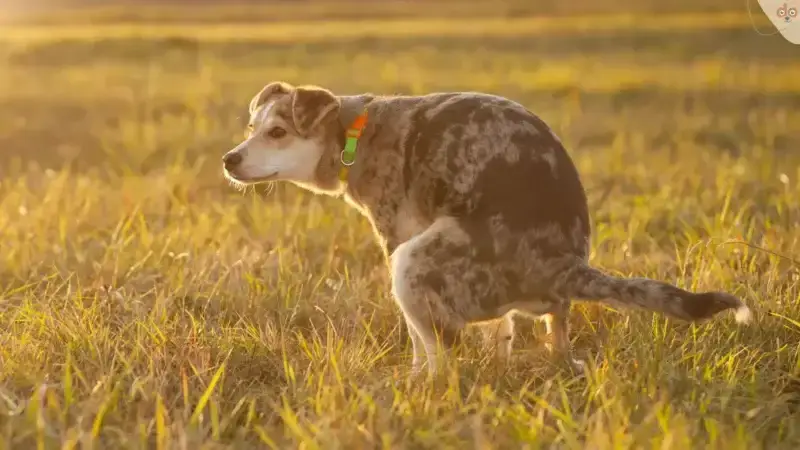
Constipation shows itself through infrequent or absent defecation over 24–48 hours. Your dog assumes the typical pooping position, strains visibly, but nothing comes out or only hard, dry pellets.
Further signs: restlessness during the walk, frequent sitting down without success, painful abdominal area when touched. Some dogs refuse food or appear generally unwell.
A normal dog defecates once to twice daily. Anything more or less can be normal; what matters is the change from your dog’s usual rhythm.
What causes constipation in dogs?
Insufficient water intake is the primary cause. A 20 kg dog needs at least 600 ml daily, significantly more with dry food. Low-fibre food without vegetables or cereals exacerbates the problem.
Lack of exercise slows down intestinal activity. Dogs that walk less due to arthritis or hip problems develop constipation more frequently. Stress from moving house or a new environment can also cause blockages.
Swarmed hair during grooming or small foreign bodies sometimes form clumps in the intestine. Medications such as painkillers or deworming agents slow down digestion as a side effect.
In older male dogs, an enlarged prostate can press on the rectum. Tumours or pelvic misalignments after accidents mechanically narrow the intestinal exit.
Which home remedies help against constipation?
Pumpkin purée (without spices) is the most proven home remedy. It is best to discuss how much to put in the bowl with your vet practice. The fibres swell up and soften the faeces.
Coconut oil has a gentle laxative effect, ground flaxseeds (ground) similarly. Both are easily overdosed and then cause diarrhoea, so follow the package instructions or the recommendation from your vet practice.
Exercise activates the intestines. Longer walks or play sessions can relieve constipation. With orthopaedic problems, even short, more frequent rounds are sufficient.
Important: All home remedies only work with sufficient fluid intake. Place several water bowls around or mix water into the dry food.
When does constipation in dogs become dangerous?
From the fourth day without defecation, an intestinal obstruction is threatened. Vomiting, complete refusal of food or a hard, bloated abdomen are emergency signs.
Also, unsuccessful straining over several hours with visible pain requires an immediate visit to the vet. The dog whines, paces restlessly or assumes a hunched posture.
In puppies and old dogs, the timeframes are shorter. Here you should already act after two days without defecation. Underlying diseases such as diabetes or kidney problems increase the risk.
How do I prevent constipation in my dog?
Regular exercise keeps digestion active. Two walks daily with sniffing and play breaks are sufficient for most dogs.
Feed high-fibre food with vegetables or whole grain cereals. Fresh water must always be available; check daily whether the bowl is emptied.
In long-haired dogs, regular brushing reduces swallowing of hair. Check your dog’s faeces daily so you can recognise changes early.