
Blood Poisoning in Dogs – Symptoms, Causes, Treatment
Blood poisoning in dogs is a life-threatening emergency. Recognising these symptoms and acting immediately saves lives.
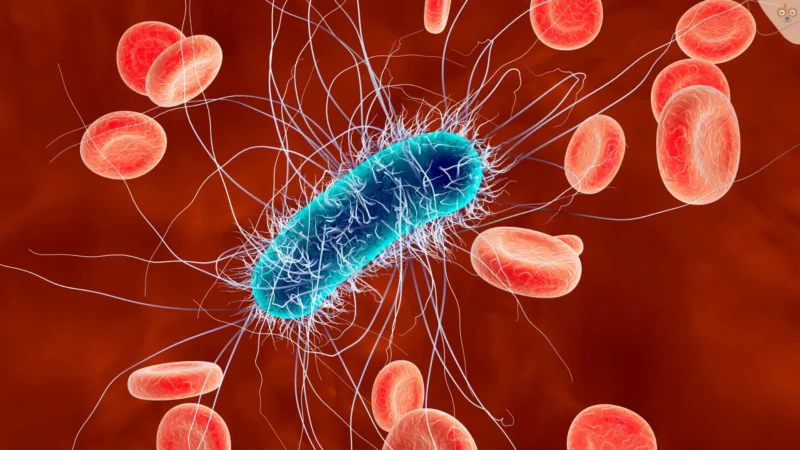
Content
Has your dog been apathetic since yesterday, has a fever, and is breathing quickly? These can be signs of blood poisoning, an emergency where every hour counts. Untreated sepsis can lead to irreversible organ damage within 12-24 hours.
How do I recognise blood poisoning in a dog?
Sepsis manifests through a combination of specific symptoms that develop rapidly. The body reacts to bacteria or their toxins in the blood with a systemic inflammatory response.
Primary warning signs:
- Fever above 39.5°C or unusually low temperature below 37.5°C
- Heart rate above 120 beats per minute in dogs of normal weight
- Breathing rate above 30 breaths per minute at rest
- Strongly prolonged capillary refill time (over 3 seconds when pressing on the gums)
Secondary signs:
- Bloody or black diarrhoea
- Yellowish discolouration of the mucous membranes
- Sudden weakness in the hind legs
- Refusal of food and water for over 12 hours
What causes lead to sepsis?
Sepsis occurs when local infections do not remain contained and pathogens or their toxins enter the bloodstream.
Most common triggers:
- Deep bite wounds or foreign body injuries
- Complications after surgical procedures (especially abdominal operations)
- Severe pneumonia or urinary tract infections
- Umbilical infections in puppies under 8 weeks
- Tooth root inflammation in older dogs
In puppies, even small amounts of contaminated milk or inadequate disinfection of the umbilical cord are sufficient. Their immature immune system cannot effectively fight bacteria.
How is blood poisoning diagnosed?
The diagnosis is made through a combination of blood tests and clinical findings.
Laboratory diagnostics:
- Blood culture to detect live bacteria (results after 24-48 hours)
- Full blood count with differential white blood cell count
- Lactate measurement as a marker for tissue damage
- Procalcitonin test (if laboratory equipment is available)
As blood cultures take time, treatment begins based on clinical symptoms. A lactate level above 4 mmol/L is considered strong evidence of a systemic infection.
What happens during emergency treatment?
If sepsis is suspected, therapy starts immediately, before the final laboratory results are available.
First 2 hours (“Golden Hour”):
- Venous access and aggressive fluid therapy according to clinic protocol
- Broad-spectrum antibiotic intravenously (usually Ampicillin-Sulbactam)
- Oxygen supply in case of breathing problems
- Circulatory monitoring every 15 minutes
Further intensive care:
- Adjustment of antibiotics after resistance testing
- Pain management (sepsis is extremely painful)
- Support of organ functions depending on findings
- In severe cases: plasma exchange or dialysis
The chance of survival decreases by approximately 7-10% for every hour without treatment. After 6 hours without therapy, mortality is already over 50%.
How can I prevent blood poisoning?
Prevention aims to detect and treat local infections early, before they become systemic.
Specific measures:
- Check wounds daily, have redness, swelling or pus treated immediately
- After operations: inspect the wound area daily for 10 days
- If fever above 39°C lasts longer than 24 hours, go to the vet
- Have tartar removed regularly (bacterial focus)
- Puppies: keep the umbilical area clean, disinfect as instructed
Immunocompromised dogs, very old or very young animals, and dogs with chronic diseases such as diabetes require particular attention.
When must I go to the vet immediately?
If fever above 39.5°C is combined with apathy, immediate veterinary attention is required.
Is blood poisoning contagious?
Sepsis itself is not transmissible. Only the causative bacteria can be transmitted through direct contact with wound secretions.
How long does treatment take?
Intensive care usually lasts 3-7 days, antibiotic therapy 2-3 weeks.
Can dogs survive blood poisoning?
With early treatment, the survival rate is 70-80%. Without therapy, sepsis is almost always fatal.
How much does sepsis treatment cost?
Intensive care costs 1,500-4,000 Euros, depending on severity and duration of treatment.