
Juvenile Pubic Symphysiodesis
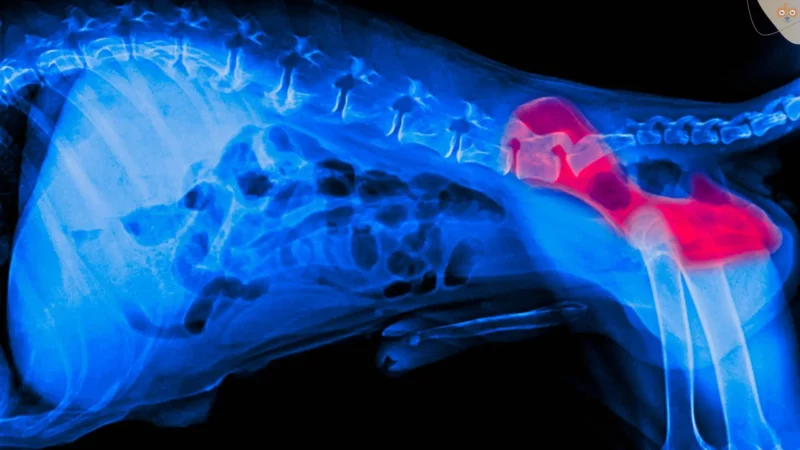
Juvenile pubic symphysiodesis (JPS) is a surgical procedure performed on puppies aged 12–20 weeks that permanently closes the pubic symphysis to prevent hip dysplasia through targeted pelvic growth.
Content
Juvenile pubic symphysiodesis (JPS) is a preventive surgical procedure for treating early-stage hip dysplasia (HD) in very young dogs. In this procedure, the growth plate of the pubic symphysis is deliberately altered to influence pelvic growth and achieve better coverage of the femoral head in the acetabulum.
The procedure is only sensible at an early age and under certain conditions, which is why a timely diagnosis is crucial. The aim of the method is to prevent or mitigate the development of a painful joint disease or later arthritis as far as possible.
What is juvenile pubic symphysiodesis?
Juvenile pubic symphysiodesis (JPS) is a surgical procedure in puppies aged 12–20 weeks that permanently closes the pubic symphysis. The procedure utilises the remaining pelvic growth phase: while the pubic symphysis no longer grows, the rest of the pelvis continues to develop normally. This results in a deeper acetabulum that better encloses the femoral head.
When is a JPS considered?
The procedure is only sensible for puppies with a high genetic risk of hip dysplasia, whose parent animals show HD findings. Veterinarians use the distraction index (DI) for decision-making: at 16 weeks of age, a DI above 0.3 significantly increases the risk of HD.
The time window is narrow. After the 20th week of life, the growth plates close, and the procedure becomes ineffective.
How does the operation proceed?
Under general anaesthesia, the pubic symphysis is exposed via a small abdominal incision and closed by electrocautery. The procedure takes approximately 30–45 minutes. Most puppies can go home on the same day, but require 10–14 days of leash confinement.
Complications such as infections or anaesthetic incidents occur in approximately 2–5 % of patients.
What does a juvenile pubic symphysiodesis cost?
Costs vary between 800–1,500 euros, depending on the clinic and region. Not all veterinarians perform the procedure. Specialised orthopaedic clinics have more experience.
There is no guarantee of success: in approximately 15–20 % of operated dogs, mild hip dysplasia develops despite JPS.
What alternatives are there?
For older puppies from 20 weeks onwards, triple osteotomy remains an option, a significantly more complex procedure.
Conservative approaches such as controlled exercise, weight management and dietary supplements can reduce the risk of HD, but rarely prevent the disease in genetically predisposed animals. Physiotherapy and swimming training support muscle development around the hip joint.
More from the Wiki
All wiki entries →Plum
The plum is a stone fruit of the genus Prunus. Its stone contains cyanogenic glycosides; the …
Rhubarb
Rhubarb is a knotweed whose leaves are rich in soluble oxalic acid. For dogs, the leaves …
Why is dog faeces white?
White dog faeces occurs when normal digestion is disrupted or certain substances change the colour of …
Dog licks its anus, what to do?
Anal licking in dogs is a normal grooming behaviour that serves for cleaning and emptying the …