
Bee, insect, wasp stings: All just panic?
Wasp stings are painful for dogs and can become dangerous in rare cases. Recognise the symptoms and know when immediate veterinary help is necessary.
Content
How do I recognise a wasp sting on my dog?
A dog that has been stung suddenly yelps, licks its paw intensively or rubs its snout on the ground. Dogs are often stung because they sniff curiously or snap at flying insects.
The sting site usually swells within minutes. In light-coloured dogs, a small red spot with distinct swelling is often visible. With dark fur, you feel a warm, swollen area. Some dogs limp if they have been stung on the paw.
Unlike in humans, dogs do not always show pain clearly. A dog that suddenly favours one paw after a walk or constantly licks the same spot may have been stung by a wasp or bee.
Which symptoms are normal for insect stings and which are dangerous?
A local swelling is normal and harmless. The area becomes warm, reddens and swells for a few hours.
It becomes dangerous if the reaction goes beyond the sting site:
- Swelling in the face, especially around the mouth and eyes
- Breathing difficulties or wheezing breathing noises
- Heavy drooling or gagging
- Apathy or restlessness
- Vomiting or diarrhoea
- Collapse or unconsciousness
If stung in the mouth or throat area, the situation is always serious. The mucous membranes swell quickly and can block the airways.
Some dogs react allergically already on the second or third sting, even if the first was uneventful. The allergy often only develops after repeated contact with the insect venom.
What do I do immediately after a wasp sting?
Stay calm. Agitated behaviour transfers to the dog and increases stress.
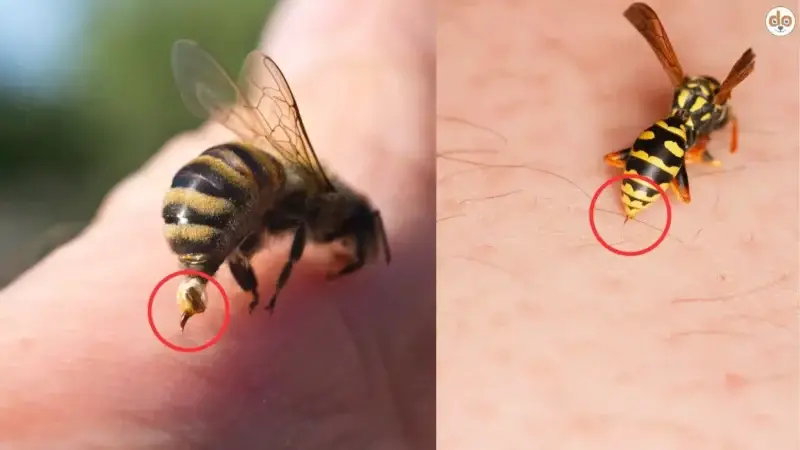
If the stinger is still in (typical for bees), remove it carefully with tweezers. Wasps usually do not leave a stinger behind. Cool the sting site immediately with a damp cloth or cold pack, never directly on the skin, always with a cloth in between.
Prevent your dog from licking or scratching the area. A lick guard or, in an emergency, a sock over the paw helps temporarily. Constant licking worsens the swelling and can lead to infections.
Observe your dog intensively for at least 30 minutes. Most severe reactions show themselves within this time. If he has been stung in the mouth, drive straight to the vet, even if he initially seems normal.
When do I need to go to the vet immediately with my dog?
If the sting is in the mouth, throat or on the tongue, you head straight to the vet. These areas swell up extremely quickly and can obstruct breathing.
The vet is also needed immediately for these warning signs: your dog has trouble breathing, the tongue turns bluish, it collapses or appears disoriented. These are signs of an allergic shock, which can become life-threatening.
Even with severe swelling on the face, you should not wait. What is already problematic for a small dog may still be harmless for a large one, but the progression is unpredictable.
As a rule of thumb: better to visit the vet too often than too rarely. An experienced vet can assess within minutes whether treatment is necessary.
How can I protect my dog from insect stings?
You cannot completely prevent a sting. Dogs are curious and like to snap at anything that moves. But you can significantly reduce the risk.
Avoid areas around bins, fruit trees or barbecue spots during wasp season. Wasps are particularly active and aggressive there. The danger is often higher in parks and outdoor swimming pools than in your own garden.
Do not let your dog drink from open beverage cans and check its food outdoors. Wasps are attracted by sweet juices and meat. Some are strongly attracted by dog food.
Training helps: teach your dog not to snap at flying insects. A clear «no» or «leave it» when it prepares to jump can prevent stings.
Are there wasp sprays or repellents for dogs?
Most commercially available insect repellents are unsuitable for dogs or even toxic. Many contain DEET or other substances that can cause skin irritation or poisoning in dogs.
Special dog repellents exist, but their effectiveness against wasps is limited. They help more against mosquitoes and ticks. Ask your vet about suitable products before trying anything yourself.
Home remedies like coconut oil offer slight protection but do no harm either. The best protection remains avoiding areas with many wasps.
Can my dog develop a wasp allergy?
Yes, dogs can react allergically to insect venom. The allergy usually does not develop after the first sting, but after repeated exposure.
Small dog breeds are particularly at risk because the same amount of venom triggers stronger reactions in them. But large dogs can also develop severe allergies.
If your dog has been stung by a wasp before and had a stronger reaction, inform your vet. Some prescribe an antihistamine or even adrenaline injections for emergencies, however only after careful consideration and consultation.
First aid kit for on the go
A small first aid set belongs in your backpack for summer walks: cooling pads that work without electricity, tweezers and your vet’s number saved on your phone.
Some vets recommend owners of allergic dogs carry an antihistamine. The dosage must be discussed in detail beforehand. Never simply give human medication.
Stay calm and seek professional help if in doubt.