
 Source: imagen4
 Approximately one in four dog-owning households in the DACH region keeps more than one dog. The reasons vary: The first dog was often alone, an animal welfare dog joined the family, or a litter brought a second dog into the home. Whether it works out usually depends on preparation. Here you will find what needs to be clarified before getting a second dog, how living with multiple dogs works, and what you can do in case of conflicts. Honest even where it becomes uncomfortable: Some combinations do not work, and that is something you are allowed to recognise.
Before the second dog
Character of the first dog, gender combination, age gap, costs: Anyone who thinks through these four points before the new arrival spares both dogs a lot. The checklist shows you which questions require honest answers.
Ownership & Everyday Life The old alpha pack model, in which a dog enforces “the hierarchy”, has been scientifically disproven. Ownership & Everyday Life Keeping multiple dogs costs not only twice as much money – but also three times as much time.
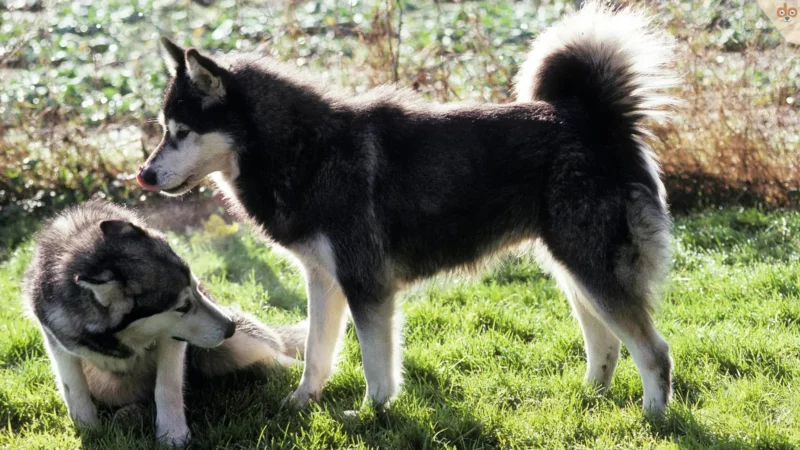
Multi-dog household: Introduction, resources
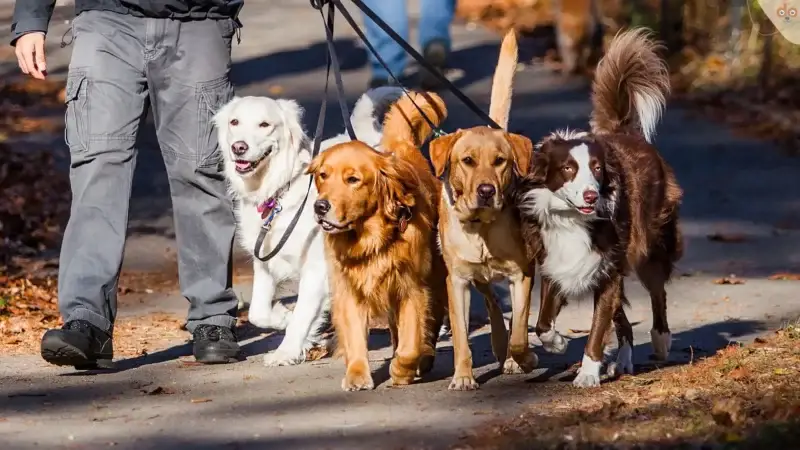
The Joys and Challenges of Keeping Multiple Dogs
Living together and resources
Every dog needs its own resources: one basket per dog plus one extra, water bowls in several places, separate feeding spots. Disputes over resources are the most common escalation in multi-dog households, and usually avoidable. Special care is needed for the combination of a senior dog and a puppy.
Training & Behaviour More than one dog at home? That can be wonderful – or quite exhausting. Training & Behaviour Why and How Does Resource Guarding Arise? Resource guarding is an instinctive behaviour in which a dog tries to secure something important …
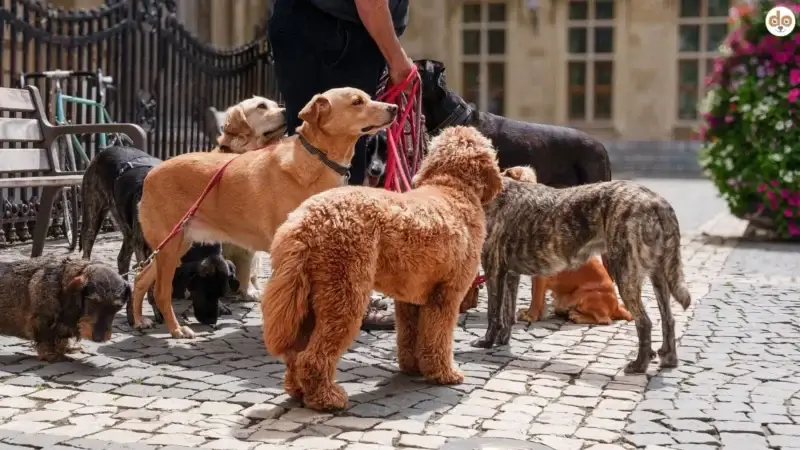
Multi-Dog Ownership – Harmony Instead of Competition

How to Master Resource Guarding in Your Pack
Conflict and hierarchy
Conflicts between dogs escalate in stages, from growling through blocking to biting incidents. Those who can read these signs intervene early enough and know when a trainer should be involved. The question of hierarchy is also better clarified with knowledge than with dominance myths.
Training & Behaviour Many people believe that dogs need a clearly defined «boss» over them – and this boss must be unambiguously number one. Training & Behaviour How we see it today (as of 2026): This article describes concepts from older dog training literature (dominance, hierarchy, “pack leader”). Training & Behaviour This is how we see it today (as of 2026):
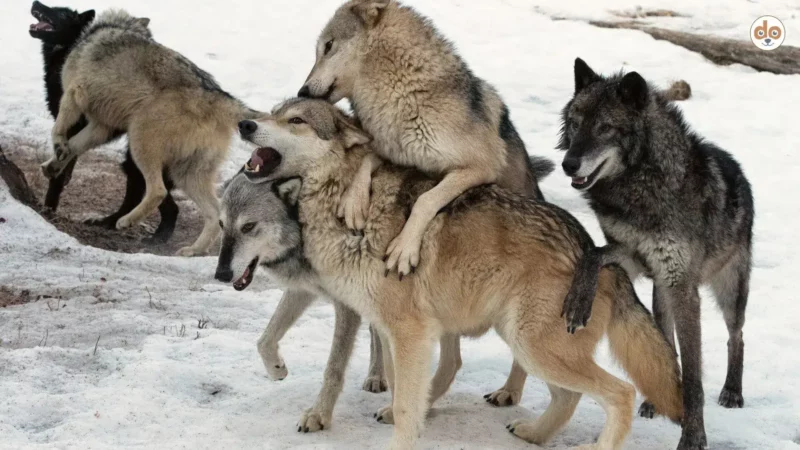
Understanding pack hierarchy in dogs – and why clarity is not achieved through dominance
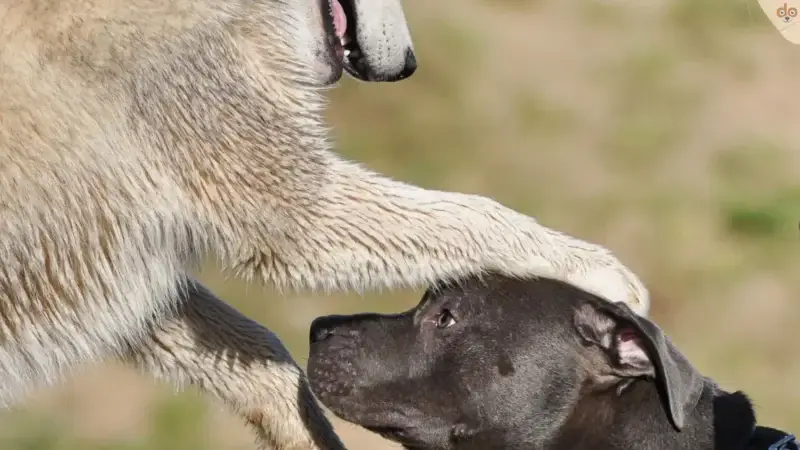
The Matter of Dominance: Active and Passive Submission in Dogs

The Importance of Hierarchy in Dog Training
Where to go from here
If the second dog has just moved in, the world of settling in deepens during the first few weeks: a neutral first meeting, separate resting areas, and realistic expectations. If the new arrival is a puppy, you will find socialisation, puppy classes, and the first signals in the world of puppyhood.
Useful for everyday life: In your dog profile, you can manage multiple dogs in parallel, with each dog having its own life phase and memories. You will find trainers with experience in handling multiple dogs in the directory, and terms such as resource guarding are explained in the wiki.