
Penicillins
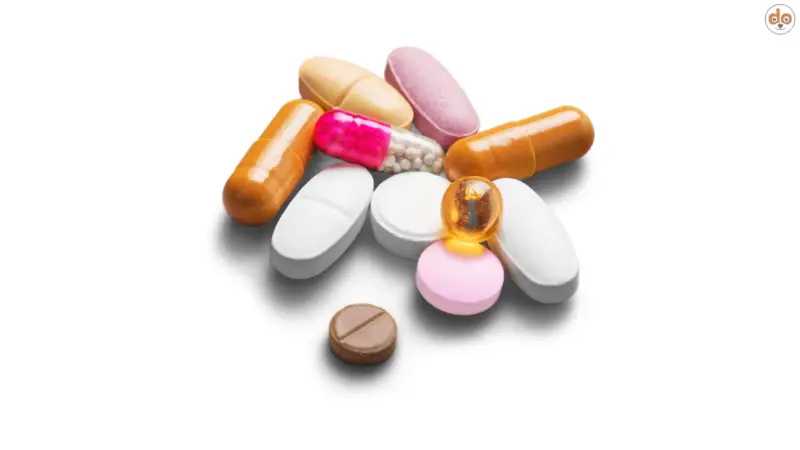
Penicillins are antibiotics that fight bacterial infections in dogs by destroying the cell walls of bacteria.
Content
Penicillins are antibiotics that combat bacterial infections in dogs by destroying the cell walls of bacteria. They belong to the most frequently prescribed antibiotics in veterinary medicine.
How do penicillins work in dogs?
Penicillins attack the cell wall of bacteria and cause them to burst. This works particularly well with gram-positive bacteria such as staphylococci or streptococci.
These bacteria often cause skin infections, wound infections or abscesses in dogs.
The effect of penicillins usually sets in within 24 to 48 hours. Your vet will select the appropriate penicillin based on the suspected or confirmed type of bacteria.
Which penicillins are most commonly given to dogs?
Amoxicillin is the classic choice for dogs. It is administered as a tablet or suspension and helps with dental infections, mild skin problems or urinary tract infections. The dose is determined individually by the vet practice, taking into account body weight, type of infection and other medications.
Amoxicillin-clavulanic acid (known as Clavamox) is the enhanced version. The clavulanic acid protects amoxicillin from bacteria that have developed resistance. Vets prescribe this for more stubborn infections or if the initial treatment attempt has not been effective.
Penicillin G is usually administered by injection and is used for severe infections, such as deep bite wounds or pneumonia.
When does the vet prescribe penicillin?
Typical areas of application include infected ears after swimming, small cuts that have become inflamed, or gum problems following a dental cleaning. Many vets also use amoxicillin for bladder infections, but only after a urine test has been carried out.
In acute emergencies such as deep bite injuries or suspected sepsis, penicillin G is often injected immediately, even before the antibiogram is available.
How do I administer penicillin correctly?
You should give tablets with a little food to prevent stomach upsets. You should shake the suspension before each dose. Some dogs refuse the taste; in such cases, it helps to hide the medication in liver pâté or cheese.
Crucial: Use up the entire pack, even if your dog is already feeling better. If you stop the treatment prematurely, bacteria can develop resistance.
What side effects are possible?
The most common side effect is diarrhoea, because penicillins also attack beneficial gut bacteria. This affects about every fifth dog and usually disappears again after treatment.
It becomes more serious with allergic reactions. These manifest as skin rashes, swelling in the face or, in the worst case, shortness of breath. Such reactions usually occur within an hour of the first dose.
Smaller dogs react more frequently with stomach problems, while larger dogs are more likely to develop skin reactions. This is due to the different metabolic rates.
What should I consider during penicillin treatment?
Probiotics during treatment can help stabilise the gut flora. Many vets recommend them routinely for longer courses of antibiotics.
If your dog vomits or refuses food, inform your vet. It may be necessary and possible to switch to a better-tolerated antibiotic.
In cases of known penicillin allergies, owners should always discuss alternative antibiotic options with their vet before an emergency arises.
More from the Wiki
All wiki entries →Plum
The plum is a stone fruit of the genus Prunus. Its stone contains cyanogenic glycosides; the …
Rhubarb
Rhubarb is a knotweed whose leaves are rich in soluble oxalic acid. For dogs, the leaves …
Why is dog faeces white?
White dog faeces occurs when normal digestion is disrupted or certain substances change the colour of …
Dog licks its anus, what to do?
Anal licking in dogs is a normal grooming behaviour that serves for cleaning and emptying the …