
Pressing Head Against the Wall: What Lies Behind the Dangerous “Head Pressing”?
Content
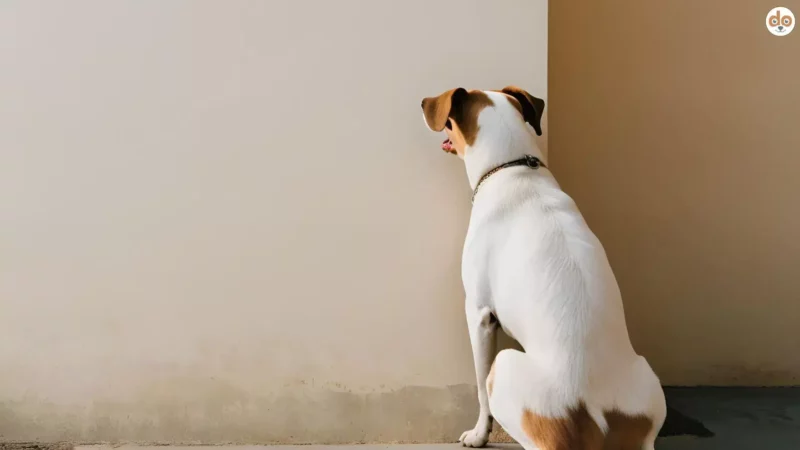
Imagine you come into the living room and see your dog motionless with its forehead pressed against the wall – not just once, but over and over again. This is not a tic, not a bad habit. It is an alarm signal that you must not ignore. This behaviour is called «Head Pressing», and it can indicate serious, sometimes life-threatening illnesses. What lies behind it, which causes are possible and why every hour counts – you will find out here.
What is head pressing anyway?
Head pressing describes a compulsive behaviour: The dog (or also the cat) repeatedly presses its head against a wall, a furniture corner or another solid object without any apparent trigger. No itching, no playfulness, no ritual – simply pressure against a surface, again and again.
The crucial point: This behaviour does not bring the animal any relief. It is not a conscious action, but a symptom. Usually, there is a neurological or severe physical illness behind it that affects the brain or the central nervous system.
Head Pressing or Normal Head Rubbing – What’s the Difference?
This is a justified question, because of course dogs occasionally rub their heads on furniture or carpets – for example after eating or if a spot itches. Such behaviour is brief, purposeful and stops as soon as the cause is resolved.
Head pressing looks different. It is persistent, appears aimless and almost always occurs with further abnormalities: disorientation, confusion, changed pupils, staggering or even seizures. The dog does not seem to be really «present».
If you observe this: Call the vet immediately. Not tomorrow morning – now.
Possible Causes – What Could Be Behind Head Pressing?
Head pressing is not an independent disease picture, but a symptom. The range of possible causes is large, and they all have one thing in common: They are serious.
Neurological Diseases
If the brain or the nervous system is affected, the behaviour, coordination and consciousness of a dog can become unbalanced. The most common neurological causes include:
- Encephalitis – an inflammation of the brain, triggered by infections (bacterial, viral, parasitic), autoimmune processes, or other factors
- Meningitis – an inflammation of the meninges that can cause severe pressure and confusion
- Hydrocephalus (water on the brain) – fluid accumulation in the skull that damages brain tissue and can trigger behavioural disturbances
- Traumatic Brain Injuries – falls or accidents can cause swelling or bleeding in the brain, which then manifest neurologically
Liver Diseases and Metabolic Disorders
The liver filters toxins from the blood – if it fails, these toxins enter the brain. This is called hepatic encephalopathy, and it can manifest exactly like this: disorientation, confusion, head pressing. Triggers include cirrhosis of the liver, acute liver failure or portosystemic shunts – vascular malformations that bypass blood around the liver.
Metabolic disorders such as diabetes or hypoglycaemia (low blood sugar) can also affect the brain if it is not sufficiently supplied with glucose.
Poisoning
Toxins ingested by a dog can directly attack the central nervous system and lead to severe neurological symptoms.
Possible toxic substances are:
- Heavy metals: lead or mercury poisoning can severely damage the nervous system. Heavy metal poisoning often occurs from chewing on old paint, toys, or other objects containing these metals.
- Plant toxins: certain plants, such as angel’s trumpet or yew, contain toxic substances that can lead to poisoning if ingested. These poisonings can damage the brain.
- Chemicals: insecticides, herbicides, and household cleaners can also have neurotoxic effects and trigger similar symptoms. Animals exposed to such chemicals may exhibit head pressing as one of several neurological reactions.
Brain Inflammations and Tumours
Brain tumours – whether benign or malignant – create pressure on surrounding tissue. Depending on the location and size of the tumour, the symptoms vary, but head pressing frequently appears as an early sign.
Brain inflammation due to infections such as distemper in dogs or FIP in cats, due to autoimmune reactions or other causes, can damage brain tissue and trigger similar symptoms. These conditions require immediate medical investigation – without exception.
Why Head Pressing Is an Emergency – and Not a Matter of Waiting and Seeing
This can be answered clearly: Because almost all causes that trigger head pressing escalate without treatment.
Progression of the underlying disease
Neurological conditions such as encephalitis or brain tumours progress without therapy – and the resulting damage to the brain can be permanent. Untreated hepatic encephalopathy can also increasingly damage the brain, leading up to coma and death.
Worsening of symptoms
Without timely treatment, symptoms can deteriorate dramatically. Possible developments include:
- Severe behavioural changes: among the first signs of deterioration can be increased confusion, disorientation, aggression, or apathy. This can put the animal in danger and make it harder to handle.
- Seizures: many of the conditions causing head pressing can also lead to seizures. These episodes can be highly stressful for the animal and frightening for owners.
- Movement disorders: increasing weakness, difficulty walking, or even paralysis may occur as the condition progresses.
Permanent damage
In severe cases – brain tumours, poisoning, advanced liver damage – any delay can seriously reduce the animal’s chances of survival. Head pressing is a medical emergency in many cases, where quick action can literally mean the difference between life and death.
In Brief
Head pressing is not a behavioural problem or a phase – it is a physical warning signal that requires immediate veterinary attention. The causes range from brain inflammation to liver failure and poisoning, and they all have one thing in common: the earlier they are recognised and treated, the better the chances of recovery.
Acting early gives your dog the best chance of a full recovery. Waiting risks permanent damage – or worse. When in doubt: it is better to call the vet one time too often than one time too rarely.