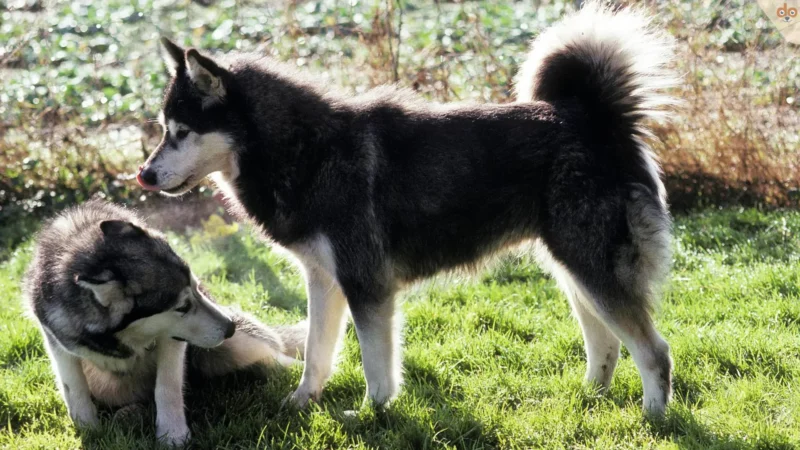
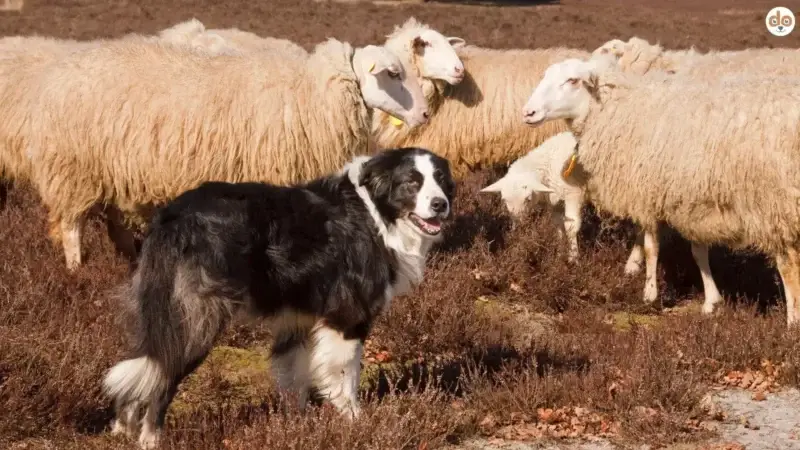
Livestock guardian mixed-breed from animal welfare – Settling in the city apartment with children

In short
Livesteguardian mixed-breed dogs from animal welfare need identical daily routines in the first four weeks and only one primary caregiver for feeding and walks – children may only attempt controlled approaches from week two onwards.
Content
- How you bring the dog into the flat for the first time
- The first nights with an animal welfare dog
- Weekly plan for the first 4 weeks
- Tips for interacting with children
- What you should definitely not do
- Frequently Asked Questions
- How do I bring an animal welfare dog into the flat for the first time?
- Where should the dog sleep on the first night?
- What matters with a shy livestock guardian mixed-breed dog?
9 sourcesReviewed on July 16, 2025Responsible editor: Roger Klein
In short: A livestock guardian mixed-breed from animal welfare needs mainly calmness and predictability in the first weeks. Consciously keeping stimuli small, already before the front door, in the stairwell and during the first nights, gives the dog security to settle in.
The most important points in brief
- Keep stimuli small from the start: Calmness already before the front door and in the stairwell.
- The first moments and nights in the flat shape the sense of security.
- Set up a fixed, calm sleeping spot and keep night-time trips calm.
- Fixed feeding routines provide structure and trust.
A situation you slip into faster than you think. Imagine this: mixed-breed dog, unknown origins, presumably livestock guardian dog heritage in its blood. 4 months old, shy, unfamiliar with everyday noise or asphalt. New world: city flat, 4th floor, stairs only. And then there’s a family with two young children.
Sounds like a lot – it is. But it works.
Goal: Low-stress settling-in and a start where trust grows
In the first weeks, this dog needs three things above all: few stimuli, lots of safety and reliability. If you miss that and instead want too much too soon, you risk long-term fears, overreactions or a dog that feels permanently overwhelmed. The key idea is: Reduce rather than force.
Let’s go through it step by step – from the first arrival to a rough four-week plan.
How you bring the dog into the flat for the first time
Calm even before the front door
Already when getting out of the car, this applies: no rush, no excited greeting theatre. Put a well-fitting harness on it and keep the lead short but not tight. Give it a moment to orient itself – not so long that it takes over the lead. You lead it. Not the other way round.
Stop briefly in front of the front door. Let it sniff, let it arrive. A few calm words help: “Come, we’re going in together now.” Sounds simple – but the dog reads you very closely at this moment. If you appear clear and composed, it is more likely to follow you. If you are nervous and unsure, it will choose fear if in doubt. This is no metaphor, it really happens like that.
Stairwell
Option 1: Carrying (recommended for small and medium-sized dogs)
A harness with a handle is worth its weight in gold here. Carry it close to your body, upright and stable – more like how you would carry an injured animal, not like a baby on your arm. Speak calmly. No excitement. You go up the steps evenly and without stopping – wobbling and pauses make the dog more restless, not calmer. Once at the top: do not put it down immediately. Give it a moment in your arms to register the new environment.
Important: Safety comes before convenience. A dog that kicks or throws itself out can seriously injure itself.
Option 2: Gradual habituation (if carrying is not possible)
Then you need patience – and real patience, not the quick kind. Step by step, lead loose, voice calm. No pulling, no pushing. Placing treats on the steps can help – simply put one on every second step and wait. Pause again and again, maintain eye contact. If it doesn’t go further: take a break, go back two or three steps – but never force it. In the worst case, this costs you ten minutes. In the best case, you avoid a lasting phobia of stairs.
The first moments in the flat count
The first walk through the front door is not a training moment. It is exclusively about building trust. Calm, physically stable, without expectations. Better to help one time too many than risk an overwhelmed dog. It will still learn the stairs – but not on this day. The children should not be present yet.
Lead it on a lead directly to its prepared retreat – for example, a mat in a quiet corner. Just sit down there. Stay with it. No play, no food, no tour of the flat. Let it sniff if it wants to. If not – that’s fine too. Your proximity is enough right now.
The first impression sticks. What this dog needs now is not functioning, but arriving.
The first nights with an animal welfare dog
Where does the dog sleep on the first night?
Best in the same room as you – but not directly in the bed. Why? Because this dog is suddenly without its familiar environment, without its primary caregiver, perhaps without littermates. Sleeping alone in a strange room can trigger strong separation anxiety – which then manifests as constant barking, howling or stress urination. This not only annoys you, it also harms it.
Recommendation
Sleeping spot next to the bed or at least in the same room – in a crate with an open door, on a dog bed or a mat. No pressure to cuddle, but your presence as a calm anchor. If it becomes restless at night: speak softly, “All good”, show presence – but do not immediately stroke and make a big scene. After one to two weeks, when it has become more secure, you can gradually move the sleeping spot slightly further away.
If it needs to go out at night
You must expect this – and plan for it actively. A four-month-old dog fresh from animal welfare is often not yet house-trained or simply cannot hold its bladder long enough.
How to proceed
Go out again shortly before bedtime – even if it looks like it has fallen asleep. Plan for at least one trip between two and four o’clock in the morning. Lead, shoes, jacket, light – within reach so that it is quick and quiet. No play, no excitement, just: out, let it relieve itself, back to bed.
Four flights of stairs in the middle of the night? Then an emergency solution is worth it for the first nights – such as a puppy toilet with a grass mat on the balcony. Not the ideal solution, but better than a stressful adventure in the stairwell at half past two.
To ensure the grass mat works effectively: place it in a quiet, easily accessible spot. Guide the dog there purposefully after sleeping, eating, or playing. As soon as they relieve themselves, offer calm, brief praise – nothing excessive. If an accident happens elsewhere: clean thoroughly, do not punish, and simply guide them there a little earlier next time. A tip: leave a piece of mat that has already been used – the dog’s own scent speaks louder than any instruction.
Feeding – how often, how much, what to bear in mind?
Dogs from animal welfare organisations often display noticeable behaviour when eating: too greedy, too hesitant, restless, sometimes alternating between both. Gastrointestinal problems are also common – diarrhoea and stress from changing food are almost the rule rather than the exception in the first few days.
Recommendation
Three small, set meals daily – morning, midday, evening. Always in the same place, at the same time, without distractions. No children nearby during meal times. If they haven’t touched anything after 15 minutes: put the bowl away, no discussion. No pressure, no panic.
If they come from Romania and are used to dry food? Then do not switch initially. Adding extra strain on the stomach now makes everything more difficult. Only slowly mix in new varieties once things have settled down.
Treats? Yes – but sparingly. Especially at the beginning, simply using some of the normal daily food works well. This is less exciting but easier to digest. The stomach needs time to adjust calmly.
What do I need for the start?
Sleeping area
A mat or cushion with a rim – many dogs feel more comfortable with a rim all around, as it provides a sense of security. A crate as a retreat option with an open door is good. Even better: covering the crate with a cloth creates a small den for the dog – animal welfare dogs often love this very much.
Food and accessories
The same food they already know. Non-slip bowls for water and food. Treats and chew items – beef hide or dried fish, preferably natural – but not too much variety at first. The stomach needs time.
Equipment
A secure harness and a safety lead with two attachment points. It is worth getting advice at a specialist shop here – a few extra francs are well-spent money. Plus a sturdy lead, 3 to 5 metres long, no retractable lead. Poop bags, towels, enzymatic cleaner for accidents. And if a vet visit or car journey is planned: a transport crate.
For management
- Child-safe room or mobile barriers
- Baby monitor for night-time supervision, if the dog sleeps in a different room
- A guidebook or contact person with livestock guardian dog experience
- Calmness, patience and realistic expectations
Tip for more structure in the first few days
Write down a daily schedule with set times for:
- Feeding
- Going out
- Rest time
- Orienting – e.g. sitting calmly together, first cautious attempts at touch
- Phases completely without children
This helps not only the dog. It also helps you avoid losing the feeling of keeping an overview.
Weekly plan for the first 4 weeks
Week 1: Letting them settle in
Goal: Orientation, retreat, security
Set up a retreat spot – a protected corner with visual privacy, not in the middle of a thoroughfare. No visitors, only the core family. Children keep their distance and only observe; touching is not yet appropriate. Only one primary caregiver takes active care: feeding, going out, speaking to them. No proper walks – only short trips to the front door, carrying if necessary. Fixed daily rhythm: feed, relieve, rest. No expectations – just observe and provide security.
Important: In this week, no training takes place, but rather trust is built up. Even if they bark, withdraw or seem stressed: do not correct – simply be calmly present. No exuberant greetings, no excited engagement with them. From their perspective, they have been torn away from everything familiar. They do not yet understand that their new home is actually great.
Week 2: Gentle orientation and first rituals
Goal: First impressions of the environment in small, controlled doses
The same walking route daily – short, calm, low-stimulation, about 10 to 15 minutes. Same routines with always the same words: “Now we’re going out”, “Now it’s food time”, “Now it’s rest.” Children may approach slowly – under supervision, never pushing. First touches only if the dog explicitly allows them. Stairs: only if absolutely necessary, otherwise continue carrying. First positive associations – sniffing liver sausage on the lead, calm voice. Still no encounters with other dogs, no off-lead area.
Important: The city stays outside. No training, no expectation that they already need to “be able” to do anything. Security takes priority.
Week 3: Strengthening the bond and clear structure
Goal: Building trust, setting first boundaries
Introduce first terms – “No”, “Calm”, “Wait” – calmly and without pressure. Small new stimuli in a controllable environment: elevator noises from a distance, passing cars. Practice stairs slowly with treats if they seem ready – but never force it. Promote dog-child closeness through resting together in the room, not through direct contact. Briefly inform neighbours that the dog still needs time. Set up clear quiet zones that are truly respected – by children and visitors alike.
Week 4: Developing everyday security
Goal: Stabilising first routines in everyday life
Walks on familiar routes, perhaps a little longer than before. First encounters with strangers – at a distance, no pressure to interact. Consistently adhere to routines for toileting, feeding and rest. Initial exercises with harness and lead, introducing a marker word if necessary. Visitors only if the dog has had the opportunity to retreat beforehand – and is truly left in peace there. Children may take on simple tasks under supervision, such as placing the treat in the bowl. But please: no “breaking”.
Tips for interacting with children
Children must never be left unsupervised with the dog – not even during seemingly harmless, “affectionate” moments. If the dog growls: do not scold. Growling is communication, and one you should be grateful for. Explain it in a child-friendly way: “The dog still needs time to understand us.”
Firm rules from the start: no hugging, do not disturb at the bowl, do not wake up, do not chase. If the dog retreats, it is left in peace. Period.
What you should definitely not do
- “Socialise” the dog by taking it into town, to a café or to the playground
- “Let it loose” on strangers or other dogs so that it gets used to them
- Scold loudly, react frantically or isolate it
- Chase it through the flat if it has done something “wrong”
- Transfer responsibility to the children – “You have to feed him now, he belongs to you too”
Caution: not a beginner’s dog
A dog of unknown origin and possible livestock guardian background is not a beginner’s dog – no matter how cute it looks, no matter how young it is. With patience, structure, calmness and clear, reliable ownership, this combination can still result in a viable, respectful and stable human-dog relationship.
The first weeks are not about training. They are about bonding, trust and reliability. What you do well now will save you a lot of trouble later.
Frequently Asked Questions
How do I bring an animal welfare dog into the flat for the first time?
As calmly as possible: avoid frenzy even before the front door and in the stairwell, and give the dog time to settle.
Where should the dog sleep on the first night?
In a fixed, quiet spot near you, so that it feels secure and can calm down.
What matters with a shy livestock guardian mixed-breed dog?
Patience, predictability and few stimuli; trust grows through calm, consistent routines.