
Saliva
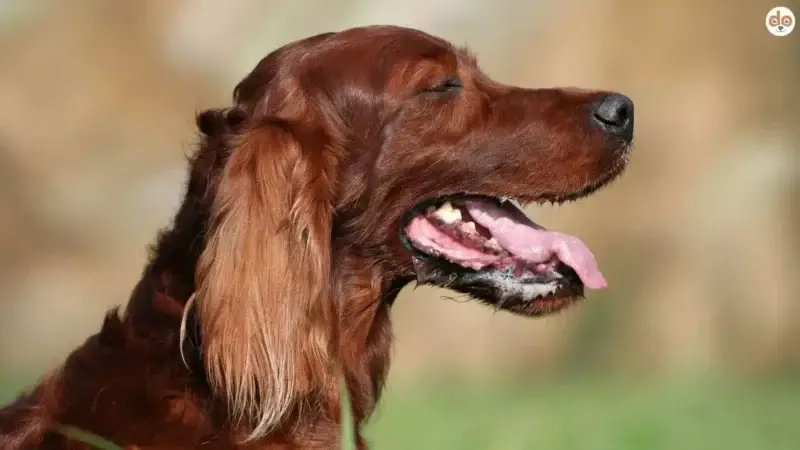
Saliva is a fluid that forms in the dog's salivary glands and supports digestion, oral hygiene, temperature regulation and communication there.
Content
Saliva is a fluid produced in the salivary glands of the dog – and anyone who has ever had a drooling St Bernard in the car knows: this is no small phenomenon. Saliva moistens food, supports the digestion of carbohydrates and protects teeth and gums. In addition, it acts as something like a built-in air conditioner for dogs: since dogs hardly sweat, they cool down primarily by panting – and saliva evaporates in large quantities during this process.
What saliva does for dogs
- Kicking off digestion: The digestive process begins in the mouth. Saliva makes food slippery and contains enzymes that break down initial carbohydrates – less pronounced in dogs than in humans, but present.
- Keeping the mouth clean: Saliva washes away food remnants and contains enzymes and antibodies that keep bacteria in check. This is no exaggeration – it is simply a useful protective function.
- Regulating body temperature: When panting, saliva evaporates from the tongue and airways. This cools. The hotter the day, the more intense this system – which explains why a dog can drip like a waterfall in summer.
- Communicating and marking: Licking is language for dogs. Affection, submission, greeting – they express all of this through it. Saliva also plays a role in territory marking.
When salivation suddenly increases (hypersalivation)
Some dogs drool a lot by nature – Bulldogs, St Bernards or Newfoundlanders, for example. This is typical for the breed and no cause for concern. It looks different when a dog suddenly salivates significantly more than usual. This can indicate various problems:
- Dental diseases: Tartar, gum inflammation or a broken tooth cause pain – and pain in the mouth often leads to increased salivation.
- Foreign bodies in the mouth: A wood splinter, a piece of plastic or trapped food remnants can strongly stimulate salivation because the dog tries to get rid of the foreign body.
- Nausea: Car rides, spoiled food, digestive disorders – all of this can trigger nausea, and nausea in dogs is almost always accompanied by increased salivation.
- Overheating or heatstroke: Heavy panting combined with drooling can be a warning signal. A heatstroke is an emergency – immediate cooling and veterinary help are then required.
- Poisonings: Toxic plants, chemicals or certain foods can trigger intense salivation, often together with trembling, vomiting or diarrhoea.
- Infections or injuries in the mouth: Abscesses, bite wounds or cuts in the mouth area can cause hypersalivation.
- Tumours in the mouth or throat: Growths in the oral cavity or neck area can make swallowing difficult – and this leads to saliva building up and dripping out.
Too little saliva: dry mouth (xerostomia)
The opposite is rarer, but just as relevant: when the salivary glands produce too little, a dry mouth results – medically referred to as xerostomia. This sounds harmless, but it is uncomfortable for the dog and can lead to swallowing difficulties, loss of appetite and dental problems.
Possible causes:
- Dehydration: Insufficient water intake or significant fluid loss – for example due to vomiting or diarrhoea – can dry out the mouth.
- Side effects of medication: Diuretics or blood pressure medications can have dry mouth as a side effect.
- Autoimmune diseases: For example, Sjögren’s syndrome attacks the salivary glands and reduces their function – this is also known in dogs.
- Radiation therapy: Tumour treatments in the area of the salivary glands can permanently impair their function.
Maintaining oral health – how to do it in everyday life
Many dental problems can be prevented if you start early and stick with it. Here are a few measures that have proven effective:
- Brushing teeth: With a dog toothbrush and special toothpaste – do not use human toothpaste, as it is toxic for dogs. Those who get the dog used to it early will find it significantly easier.
- Chew items and dental care toys: Chewing cleans teeth mechanically and prevents plaque buildup. There are many products specifically for this – from bones to special rubber chew toys.
- Regular vet visits: Dental problems are often detected early during routine check-ups. Professional dental cleanings under anaesthesia can remove stubborn tartar that brushes and bones cannot get rid of.
- Dental care food: Certain types of food are formulated to promote chewing and reduce plaque formation. Not a miracle cure, but a sensible supplement.
- Always provide fresh water: Sounds obvious – but it is not always the case. Especially in summer or after exercise, the dog needs reliable access to clean water.
When should you take your dog to the vet for saliva problems?
A certain amount of salivation is completely normal in dogs – even more so due to breed. Action is required if something changes suddenly or significantly. The following signs should not be ignored:
- Sudden, heavy drooling that does not subside
- Salivation accompanied by vomiting, trembling or apathy – possible indication of poisoning
- Visible injuries, swelling or wounds in the mouth area
- Problems with chewing or swallowing
- Persistently dry mouth
- Bad breath or tooth loss
Conclusion
Saliva is more than just the wetness in a dog’s mouth. It aids digestion, cools, protects and communicates. So dogs drooling is not just a whim of nature – there is a system behind it. It is important to notice changes in saliva behaviour: too much, too little, suddenly different. Anyone who knows their dog well will notice such deviations quickly. And if something is wrong: better to ask the vet once too soon than too late.
More from the Wiki
All wiki entries →Plum
The plum is a stone fruit of the genus Prunus. Its stone contains cyanogenic glycosides; the …
Rhubarb
Rhubarb is a knotweed whose leaves are rich in soluble oxalic acid. For dogs, the leaves …
Why is dog faeces white?
White dog faeces occurs when normal digestion is disrupted or certain substances change the colour of …
Dog licks its anus, what to do?
Anal licking in dogs is a normal grooming behaviour that serves for cleaning and emptying the …