
Infusions for Dogs
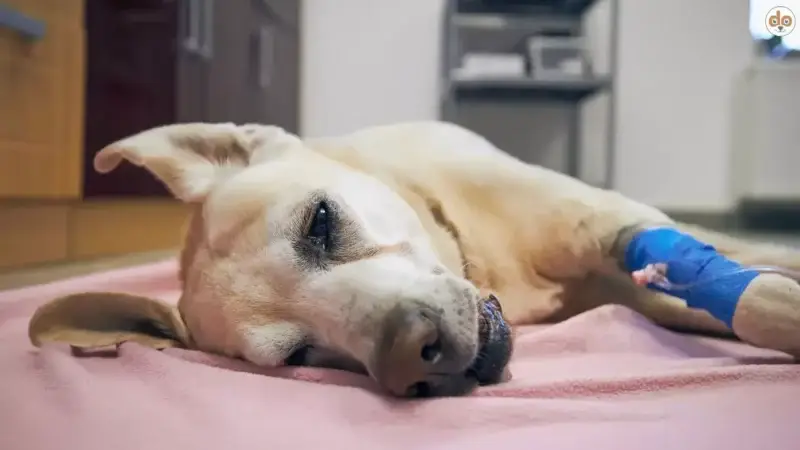
An infusion in dogs is the controlled administration of fluids, medications or nutrients directly into the bloodstream via a thin catheter in a vein.
Content
An infusion in dogs is the controlled administration of fluids, medications or nutrients directly into the bloodstream via a thin catheter in a vein.
Unlike injections, which allow a single administration of medication, an infusion runs over a longer period, often several hours. The drip precisely regulates how much fluid enters the body per minute.
What types of infusions are there for dogs?
Saline solution is the most common type of infusion and compensates for fluid loss in cases of dehydration. It contains the same salt concentration as blood and does not burden the circulatory system.
Full electrolyte solutions additionally supplement potassium, magnesium, and other minerals. A dog that has had diarrhoea for three days loses not only water but also flushes out vital electrolytes.
Glucose solutions are used for hypoglycaemic dogs. This can happen, for example, during diabetic crises or when puppies have been fasting for too long.
Medication infusions continuously transport antibiotics, painkillers, or anaesthetics into the bloodstream. Some active ingredients only work this way; a single high dose would damage organs.
How does an infusion work in dogs?
The vet shaves a small area on the front leg or sometimes on the neck and disinfects the skin. Then, they insert a thin plastic cannula into the vein. The dog feels this like a brief prick.
The doctor immediately removes the metal needle. Only the soft plastic tube remains in the vein and is secured with a plaster. They connect the infusion tube to this catheter.
Most dogs tolerate this surprisingly well. Movement is possible despite the drip. The tube is long enough for the patient to lie down or stand up.
When does my dog receive an infusion?
Vomiting and diarrhoea quickly lead to dehydration. A dog that has not kept anything down for 24 hours often requires an infusion. Vets recognise dehydration by sunken eyes and skin folds that retract slowly.
Anaesthesia and major surgeries almost always require a drip. The body loses fluid through ventilation; the circulatory system can also drop under anaesthesia.
Poisoning is an emergency for infusions. The fluid dilutes the poison in the blood and supports the kidneys in excretion. Antidotes thus reach their site of action quickly.
Severe diseases such as kidney failure or diabetes may necessitate permanent infusion therapies. Some dog owners even learn to administer subcutaneous infusions under the skin at home.
How long does an infusion last?
The duration depends on the amount of fluid and the condition of the dog. An emergency infusion for severe dehydration often runs for four to eight hours.
Short medication infusions can be finished after 30 minutes. In intensive care, dogs sometimes receive continuous drip infusions for days.
The vet determines the drip rate using a small roller clamp on the tube. A 20-kilogram dog with moderate dehydration receives approximately 50 to 80 drops per minute.
More from the Wiki
All wiki entries →Plum
The plum is a stone fruit of the genus Prunus. Its stone contains cyanogenic glycosides; the …
Rhubarb
Rhubarb is a knotweed whose leaves are rich in soluble oxalic acid. For dogs, the leaves …
Why is dog faeces white?
White dog faeces occurs when normal digestion is disrupted or certain substances change the colour of …
Dog licks its anus, what to do?
Anal licking in dogs is a normal grooming behaviour that serves for cleaning and emptying the …