
Chestnuts
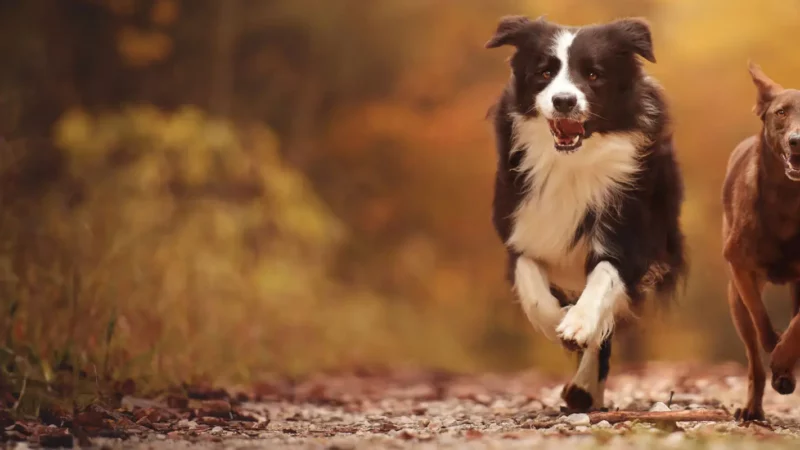
Horse chestnuts (Aesculus hippocastanum) are poisonous fruits for dogs, whose active ingredient aesculin significantly irritates the digestive tract and can cause severe signs of poisoning.
Content
Horse chestnuts – in autumn, they are everywhere. In parks, at the edge of forests, on pavements. For many dogs, these brown, shiny spheres are simply irresistible. The problem: The horse chestnut (Aesculus hippocastanum) is toxic to dogs, and many owners underestimate this.
Why are chestnuts poisonous for dogs?
The culprit is inside the fruit: aesculin. This active ingredient irritates the digestive tract considerably – even small amounts can cause problems, and with larger quantities or prolonged chewing, it becomes more serious.
What aesculin does to a dog’s body:
Gastrointestinal problems: Vomiting and diarrhoea are usually the first things owners notice. The digestive tract reacts quite sensitively to aesculin. If this persists, dehydration is a risk – and that can quickly become critical.
More severe signs of poisoning: In serious cases, it doesn’t stop at stomach problems. Trembling, seizures, pronounced weakness – up to neurological deficits and coordination issues. Rare, but possible.
Constipation and intestinal blockage: A hard-swallowed chestnut can get stuck in the intestine. An intestinal blockage is a real emergency – it is life-threatening and often requires surgery. Not a case for “wait and see”.
Why are dogs interested in horse chestnuts in the first place?
Quite simply: They roll, are grippy, and have an interesting texture. To a dog, that sounds like a toy.
Curiosity: Dogs explore the world with their mouths. Chestnuts lie around, are easy to pick up – naturally, one quickly ends up between the teeth.
Play drive: A chestnut rolls almost like a small ball. That triggers the hunting instinct, and suddenly the game is on.
Chewing: Many dogs just like to chew – on everything that’s available. The hard shell of the chestnut offers exactly the resistance many dogs seek. Unfortunately.
What to do if your dog has eaten horse chestnuts?
Stay calm first – and observe closely. Mild gastrointestinal symptoms often appear within a few hours. How intense it becomes depends on the quantity and size of the swallowed chestnuts.
Go to the vet immediately if your dog shows any of these signs:
- Severe vomiting or persistent diarrhoea
- Trembling or seizures
- Weakness, apathy or disorientation
- Repeated retching without result or visible strain when defecating
- Hard, distended abdomen – possible sign of a bowel obstruction
The vet decides, depending on the symptom picture and the amount ingested, what comes next: fluid therapy, gastrointestinal protection, or – in the worst case – surgery.
How do you protect your dog from horse chestnuts?
- Attention during the walk: Especially in autumn, a watchful eye is worth it. Where is the dog sniffing? What does it put in its mouth? In many parks and forests, horse chestnuts lie metres high.
- Training: “Leave it” or “Drop it” – anyone who really masters these commands has a real advantage. A reliable drop command can save you money – or vet costs – in such moments.
- Safe alternatives: Good chew toys distract. If you give your dog something suitable to chew on regularly, you reduce the chance that it will look for something wrong itself.
- Check the garden: Horse chestnut tree in your own garden? Then let them fall regularly and pick them up before the dog takes the initiative.
Are all horse chestnuts equally dangerous?
No – and that is an important difference. The horse chestnut (Aesculus hippocastanum) is toxic. The sweet chestnut (Castanea sativa) – also known as marrons, the roasted variety found at Christmas markets – is generally considered safe for dogs. Nevertheless: large amounts are not good for any dog; sweet chestnuts are hard to digest and can also cause stomach problems. So here too: moderation is key.
More from the Wiki
All wiki entries →Rhubarb
Rhubarb is a knotweed whose leaves are rich in soluble oxalic acid. For dogs, the leaves …
Why is dog faeces white?
White dog faeces occurs when normal digestion is disrupted or certain substances change the colour of …
Dog licks its anus, what to do?
Anal licking in dogs is a normal grooming behaviour that serves for cleaning and emptying the …
Why do some dogs eat their vomit?
Eating one's own vomit is normal behaviour in dogs, stemming from evolutionary instincts.