
Activated Charcoal for Food
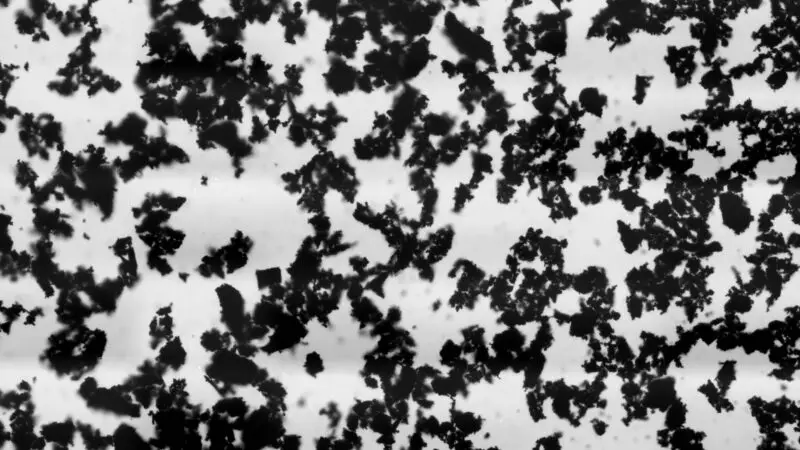 Image: Wikimedia Commons – Wikimedia Commons · CC BY-SA 3.0
 Dietary charcoal is a natural remedy used in dogs to support digestion and treat poisoning or gastrointestinal problems.
Content
Activated charcoal for food, also known as animal charcoal or medical charcoal, is a natural remedy used in dogs to support digestion and in the treatment of poisoning or gastrointestinal problems. The charcoal binds harmful substances and toxins in the gastrointestinal tract and is used in veterinary medicine to support the digestive system and reduce toxin absorption.
What is activated charcoal for food?
Activated charcoal for food is a special form of activated charcoal made from organic materials such as wood, coconut shells, or peat soils under extremely high temperatures. The manufacturing process makes the charcoal highly porous, which increases its ability to adsorb various substances. This means: harmful substances are bound to the surface of the charcoal. This adsorption capacity makes activated charcoal for food useful for neutralising poisons and other harmful substances in the digestive tract.
Mechanism of Action of Activated Charcoal for Food
Activated charcoal has a high adsorption capacity, which is used in the treatment of poisoning, diarrhoea and other digestive problems. Due to the large surface area of the charcoal, many harmful substances, bacteria, toxins and gases can be bound in the stomach and intestines and thus rendered harmless. These bound substances are excreted via the faeces without being absorbed into the dog’s body.
Toxin binding: The main effect of activated charcoal is to bind toxins, bacteria and other harmful substances and prevent them from entering the bloodstream from the intestines. This makes activated charcoal relevant in the treatment of acute poisoning.
Reduction of gases: Activated charcoal can bind gases in the intestines and thus reduce bloating and a feeling of fullness. This can be helpful for dogs with digestive problems or a sensitive stomach.
Support for diarrhoea: Due to its adsorptive properties, activated charcoal can help bind excess fluid and harmful bacteria in the intestines, thereby alleviating diarrhoea.
Areas of application for activated charcoal in dogs
In veterinary medicine, activated charcoal is frequently used for the following problems:
Poisoning: Activated charcoal is used in the treatment of acute poisoning. If a dog has ingested chocolate, plant toxins or other toxic substances, for example, activated charcoal can be administered quickly to bind the toxins and prevent them from entering the bloodstream. The charcoal should be administered as soon as possible after ingestion of the poison to achieve the best effect.
Diarrhoea: Dogs suffering from acute diarrhoea can benefit from the administration of activated charcoal. By binding bacteria and excess fluids in the intestines, diarrhoea can be reduced and digestion stabilised.
Bloating and digestive problems: Dogs suffering from bloating or digestive complaints can find relief through activated charcoal. The charcoal binds gases in the intestines and helps to alleviate discomfort.
Toxic substances in food: Activated charcoal can also be given as a precautionary measure when consuming low-quality or spoiled food, to bind potential toxins in the digestive tract before they can cause damage.
General digestive support: Some dog owners also use activated charcoal prophylactically to support digestion, particularly in dogs with a sensitive digestive system or recurring digestive problems.
Application and dosage of activated charcoal in dogs
The correct dosage of activated charcoal depends on the weight of the dog and the condition to be treated. As a rule, activated charcoal is administered in the form of powder, tablets or capsules. The vet’s instructions are important, as too high a dose can impair normal digestion.
In cases of acute poisoning: Every minute counts now. How much charcoal helps depends on the poison and the severity of the poisoning and cannot be calculated in advance. First, call the vet’s surgery or the poison control centre; administer afterwards and according to their instructions.
In cases of diarrhoea or digestive problems: This is not an emergency, so administration is more restrained. The appropriate amount is stated on the packaging information of the respective product. In this case too, activated charcoal should be administered over a short period until the symptoms subside.
Precautions: Activated charcoal should not be used long-term or without veterinary advice, as it can bind important nutrients and medications in addition to harmful substances. This could impair the effect of medications or reduce the absorption of nutrients.
Side effects and precautions
Activated charcoal is generally safe and well tolerated when used correctly. However, there are some precautions and possible side effects to bear in mind:
Constipation: A common side effect of activated charcoal is constipation, especially with excessive or long-term use. Therefore, activated charcoal should only be administered for a short time and in the recommended amounts.
Interactions with medications: Activated charcoal can also bind medications that are administered at the same time. Therefore, it should not be administered together with medications without consulting the vet, as this could reduce the effectiveness of the medications.
Black faeces: After administration of activated charcoal, the dog’s faeces may be black. This is a normal side effect and no cause for concern.
No long-term use: Activated charcoal should not be used over a longer period without veterinary consultation, as it can also bind nutrients that are important for the dog. Long-term use could lead to deficiency symptoms.
Alternatives to activated charcoal
In some cases, other remedies can also be used to support digestion and treat diarrhoea or poisoning:
Bentonite clay: Bentonite clay can help with digestive problems in a similar way to activated charcoal. It has a soothing effect on the gastrointestinal tract and can also bind toxins.
Probiotics: Probiotics can help restore the balance of the gut flora and alleviate diarrhoea. They are an option for recurring digestive problems.
Electrolyte solutions: In cases of severe diarrhoea or vomiting, an electrolyte solution can help compensate for fluid and mineral loss.
Summary
Dietary charcoal is used to treat poisoning, diarrhoea and other digestive problems in dogs. By binding toxins and gases, it can provide relief for acute issues. However, dietary charcoal should be used with caution and only for short periods to avoid possible side effects such as constipation or nutrient deficiency. In cases of poisoning or severe digestive disorders, a vet should always be consulted.
More from the Wiki
All wiki entries →Plum
The plum is a stone fruit of the genus Prunus. Its stone contains cyanogenic glycosides; the …
Rhubarb
Rhubarb is a knotweed whose leaves are rich in soluble oxalic acid. For dogs, the leaves …
Why is dog faeces white?
White dog faeces occurs when normal digestion is disrupted or certain substances change the colour of …
Dog licks its anus, what to do?
Anal licking in dogs is a normal grooming behaviour that serves for cleaning and emptying the …