
Acidosis
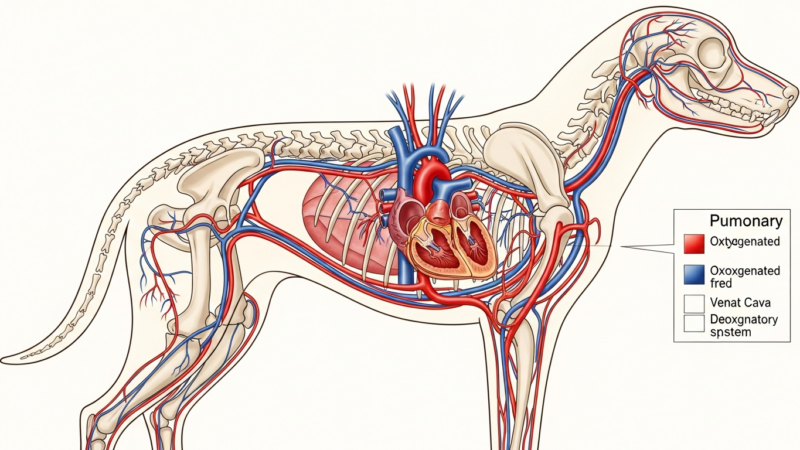 Source: KI_generated · ki_generated
 Acidosis is a condition in which the pH level of the blood and other body fluids falls below the normal range, indicating an over-acidification of the body.
Content
Acidosis is a condition in which the pH value of the blood and other body fluids falls below the normal range, indicating an over-acidification of the body. In dogs, the normal blood pH is between 7.35 and 7.45. If the pH falls below this range, it is referred to as acidosis. This can significantly impair normal metabolism and, without treatment, leads to serious health problems.
Forms of acidosis
There are two main types of acidosis:
- Metabolic acidosis: Occurs when the body produces excess acids or is unable to neutralise or excrete them sufficiently.
- Respiratory acidosis: Develops when the dog cannot exhale sufficient carbon dioxide (CO₂), leading to an accumulation of carbon dioxide and thereby to over-acidification.
Causes of acidosis in dogs
The causes of acidosis can be varied and depend on whether it is metabolic or respiratory acidosis.
Metabolic acidosis
- Kidney failure: When the kidneys do not function properly, they cannot efficiently excrete excess acids, leading to an accumulation of acids in the body.
- Diabetes mellitus (diabetic ketoacidosis): Uncontrolled diabetes can lead to ketoacidosis, a condition in which ketones accumulate in the blood and lower the pH level.
- Poisoning: Ingestion of toxins such as ethylene glycol (antifreeze) or certain medications can trigger acidosis.
- Diarrhoea or vomiting: Prolonged diarrhoea or vomiting can disrupt the electrolyte balance and cause acidosis, as the body loses important buffering substances such as bicarbonate.
- Shock: In shock states, particularly in hypovolaemic shock (severe blood loss or dehydration), oxygen supply to cells can be impaired, leading to over-acidification.
Respiratory acidosis
- Respiratory diseases: Conditions such as pneumonia, asthma or pulmonary oedema can impair the dog’s ability to exhale carbon dioxide effectively, leading to an accumulation of CO₂.
- Respiratory depression: Certain medications or anaesthetics can lower the breathing rate, leading to reduced exhalation of carbon dioxide and resulting acidosis.
- Injuries to the airways: Damage to the airways, such as that caused by trauma or paralysis of the diaphragm, prevents normal breathing and causes acidosis.
Symptoms of acidosis in dogs
The symptoms of acidosis can vary depending on the severity and cause. Common signs of acidosis in dogs are:
- Breathing problems: Dogs with acidosis often breathe quickly and shallowly or experience shortness of breath, particularly in respiratory acidosis.
- Lethargy and weakness: Dogs often appear weak, tired or apathetic, as the disturbed pH level impairs cell metabolism and energy production.
- Vomiting and diarrhoea: In metabolic acidosis, particularly in kidney failure or poisoning, vomiting and diarrhoea can occur.
- Dehydration: Dogs with acidosis frequently suffer from dehydration, as they lose important fluids through vomiting or diarrhoea.
- Confusion or disorientation: Acidosis can affect the central nervous system, leading to confusion, restlessness or even coma.
- Muscle tremors or cramps: In advanced acidosis, muscle cramps or tremors can occur due to disturbed electrolyte balance.
- Heart rhythm disturbances: Severe acidosis can affect the heart and lead to irregular heartbeat or other cardiovascular problems.
Diagnosis of acidosis
The diagnosis of acidosis is made by a combination of clinical examinations, blood tests and imaging techniques:
- Blood gas analysis: Analysis of blood gases is crucial to determine the pH level, carbon dioxide content (CO₂) and bicarbonate concentration in the blood. A low pH level indicates acidosis.
- Blood chemistry: Blood tests can provide information on kidney function, electrolyte balance and glucose levels, particularly to identify underlying conditions such as kidney failure or diabetic ketoacidosis.
- Urine analysis: A urine analysis can provide clues about kidney problems or dehydration.
- X-ray or ultrasound: Imaging techniques such as X-rays or ultrasound are used to examine the lungs or abdominal cavity, particularly if there is suspicion of respiratory diseases, pulmonary oedema or kidney problems.
Treatment of acidosis in dogs
The treatment of acidosis depends on the cause and severity of the disease. The most important treatment approaches include:
- Fluid therapy: In metabolic acidosis, particularly with dehydration or electrolyte losses, intravenous fluid therapy is often used to restore the balance of electrolytes and fluids.
- Bicarbonate administration: In severe cases of metabolic acidosis, the vet may administer sodium bicarbonate intravenously to normalise the blood pH level.
- Treatment of the underlying condition: In kidney failure, diabetes or poisoning, the underlying disease is treated. In diabetic ketoacidosis, insulin is administered to control blood sugar levels and stop the formation of ketones.
- Oxygen therapy: In respiratory acidosis, particularly if breathing is impaired, oxygen is often administered to lower carbon dioxide concentration in the blood.
- Medications to support breathing: If the acidosis is caused by a respiratory obstruction or respiratory depression, medications may be prescribed that support breathing or treat the underlying cause of the breathing problems.
- Dialysis: In kidney failure causing severe acidosis, dialysis may be required to support kidney function and remove excess acids from the body.
Prognosis
The prognosis for acidosis depends on the cause, severity and rapid diagnosis and treatment. Mild forms of acidosis can be treated well with the right therapy. However, severe or untreated cases can lead to organ failure, coma or death.
More from the Wiki
All wiki entries →Plum
The plum is a stone fruit of the genus Prunus. Its stone contains cyanogenic glycosides; the …
Rhubarb
Rhubarb is a knotweed whose leaves are rich in soluble oxalic acid. For dogs, the leaves …
Why is dog faeces white?
White dog faeces occurs when normal digestion is disrupted or certain substances change the colour of …
Dog licks its anus, what to do?
Anal licking in dogs is a normal grooming behaviour that serves for cleaning and emptying the …