
853 Puppies Rescued – and Why Every Click Is Complicit
Content
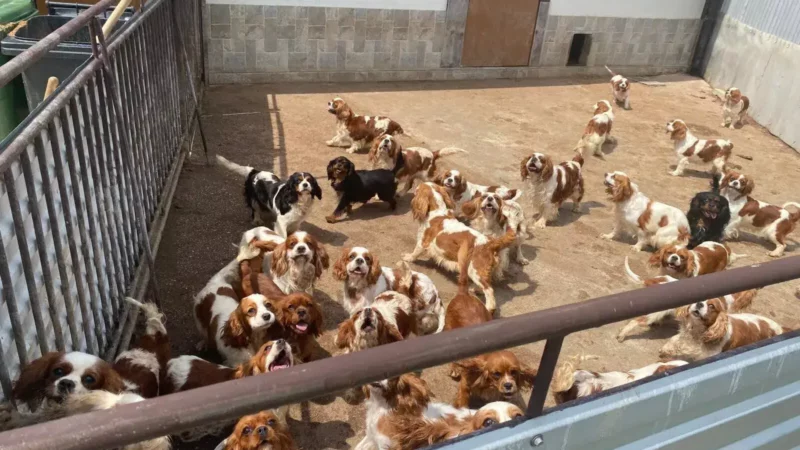
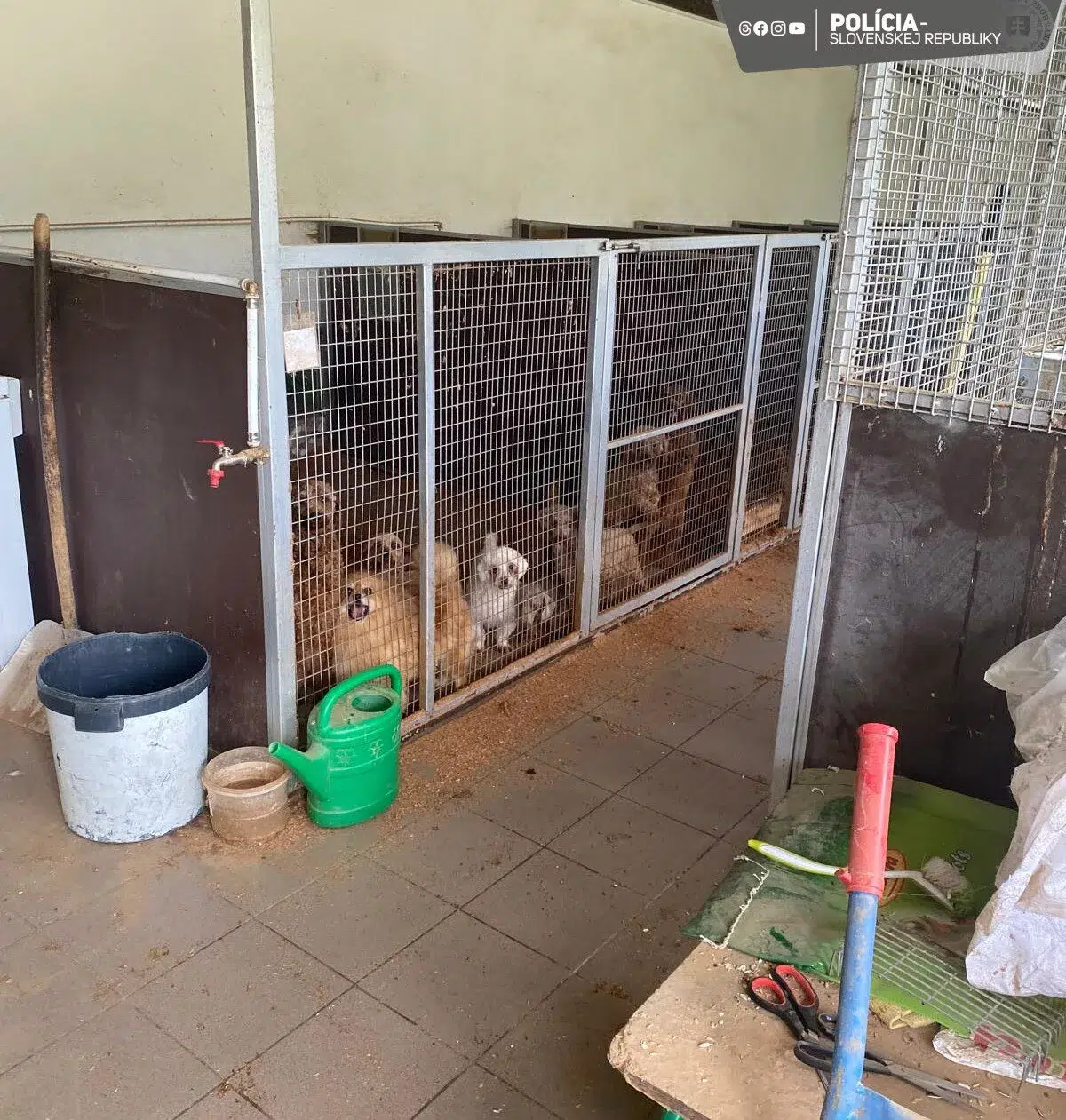
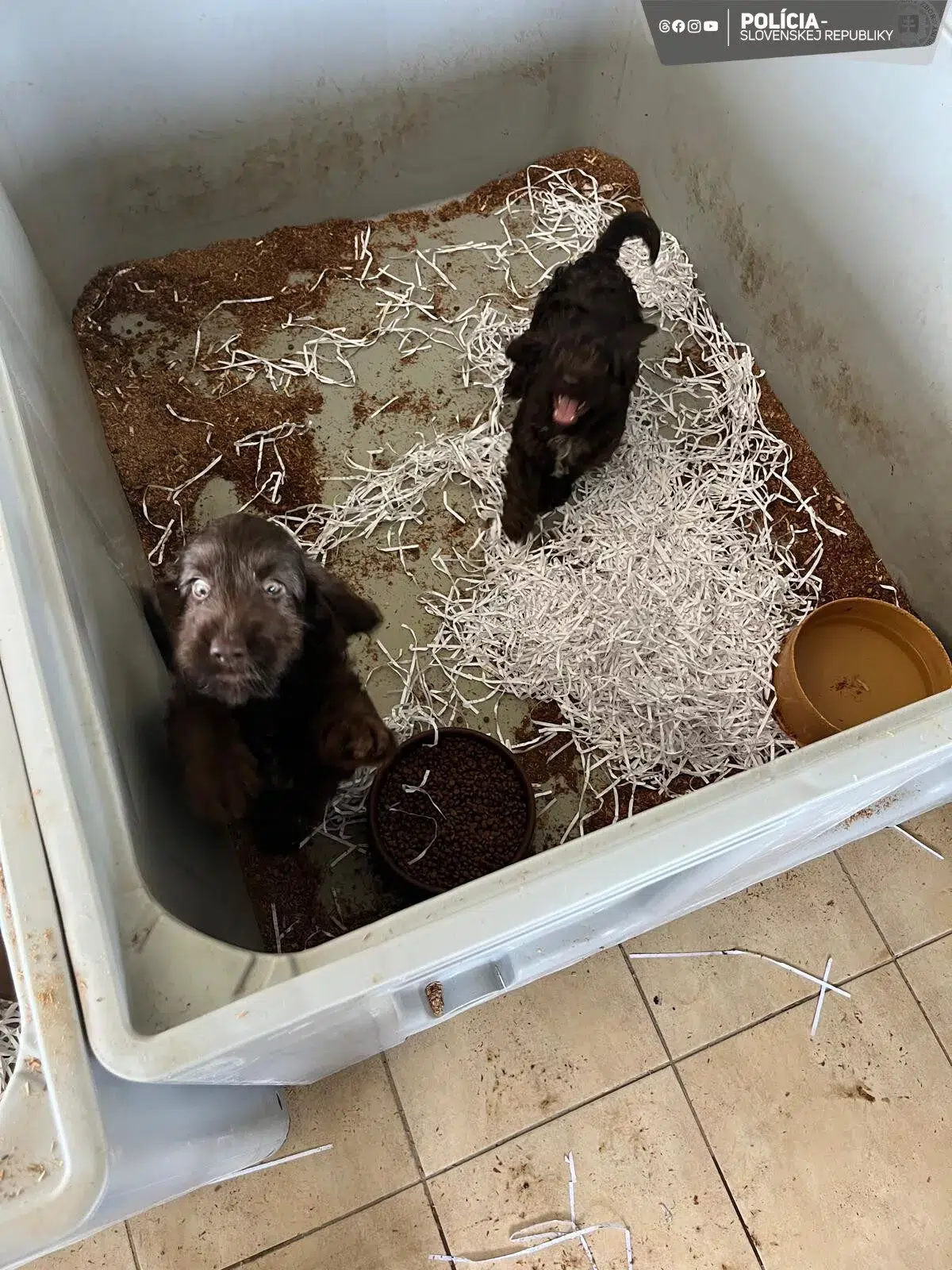
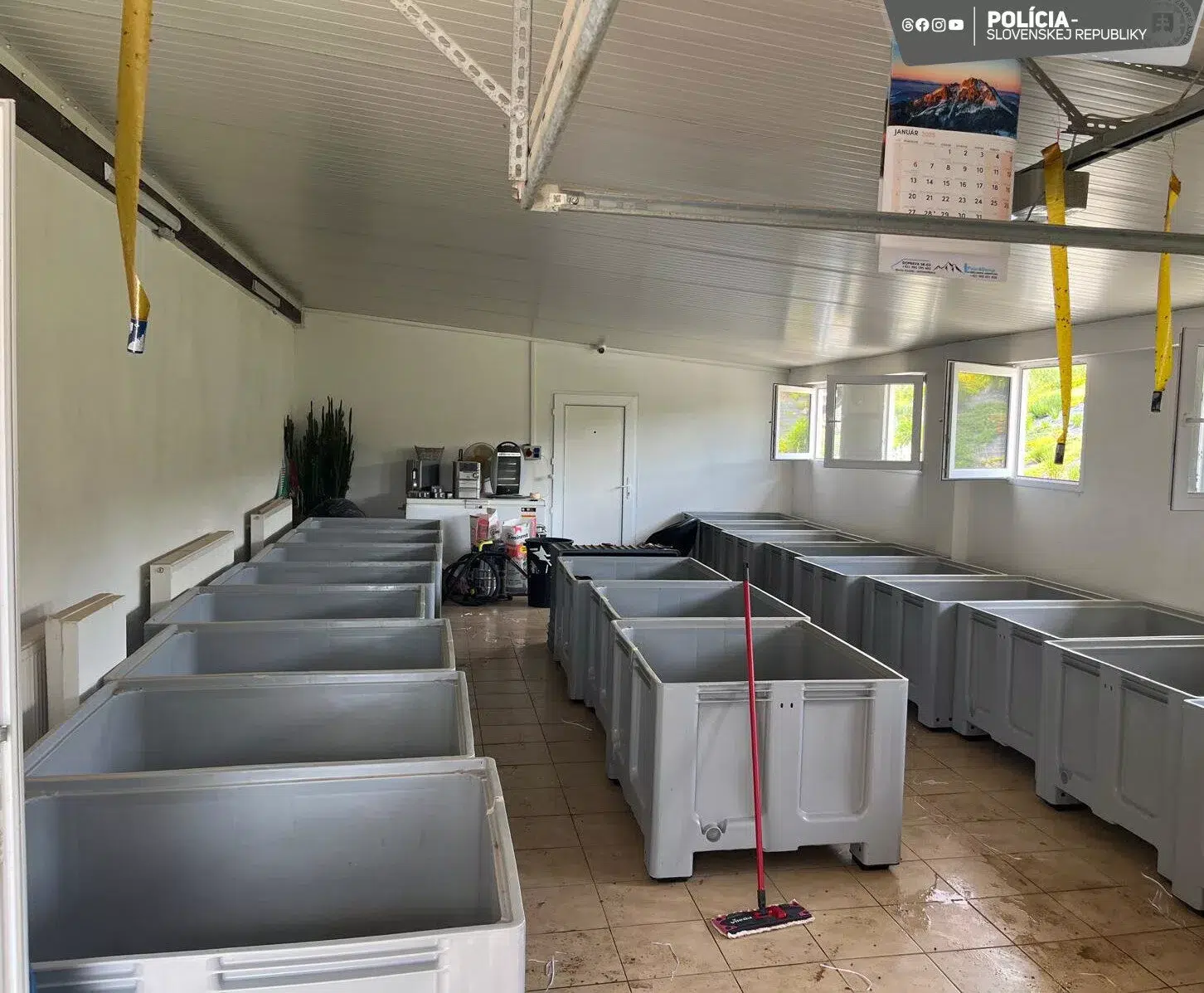
Last week, Slovak authorities rescued 853 puppies from illegal dog breeding during a nationwide raid. What the rescue workers found is hardly put into words: tiny, dark boxes. No daylight, no space, no mercy. Malnourished bodies, diseases that no longer belong in young dogs. The animals were long intended for export to Germany, Italy and Belgium – and for online platforms that sell dogs in all directions.
Such conditions persist only because someone pays. Because people “order” dogs from the internet – quickly, cheaply, without thinking for a second.
Animals as Commodities: The System of Puppy Mills
The puppies come from so-called puppy mills in Slovakia – one of the largest hubs for illegal dog trade in Europe. Poland, Hungary, Romania: the pattern is the same everywhere. Dogs are produced like on a conveyor belt, often separated from their mother far too early, kept in miserable conditions and dumped well below value – 500, 800, 1,000 euros per animal.
It works because the little ones “look cute”, are “available immediately” and can be shipped with three clicks. That suffering, early death and a lifetime of behavioural and health problems lie behind it – that is ignored. Or one simply does not know.
Buying Cheap Costs Animal Suffering
The blame lies not only with the breeders. The buyers bear the greatest share. Anyone who thinks the following:
“I want a dog right now.”
“I saw something cheap online.”
“I’ll just take a quick look on eBay or Kleinanzeigen.”
Each of these decisions keeps a system running that makes animals into commodities.
Anyone who orders dogs like trainers from the internet is buying with other people’s lives.


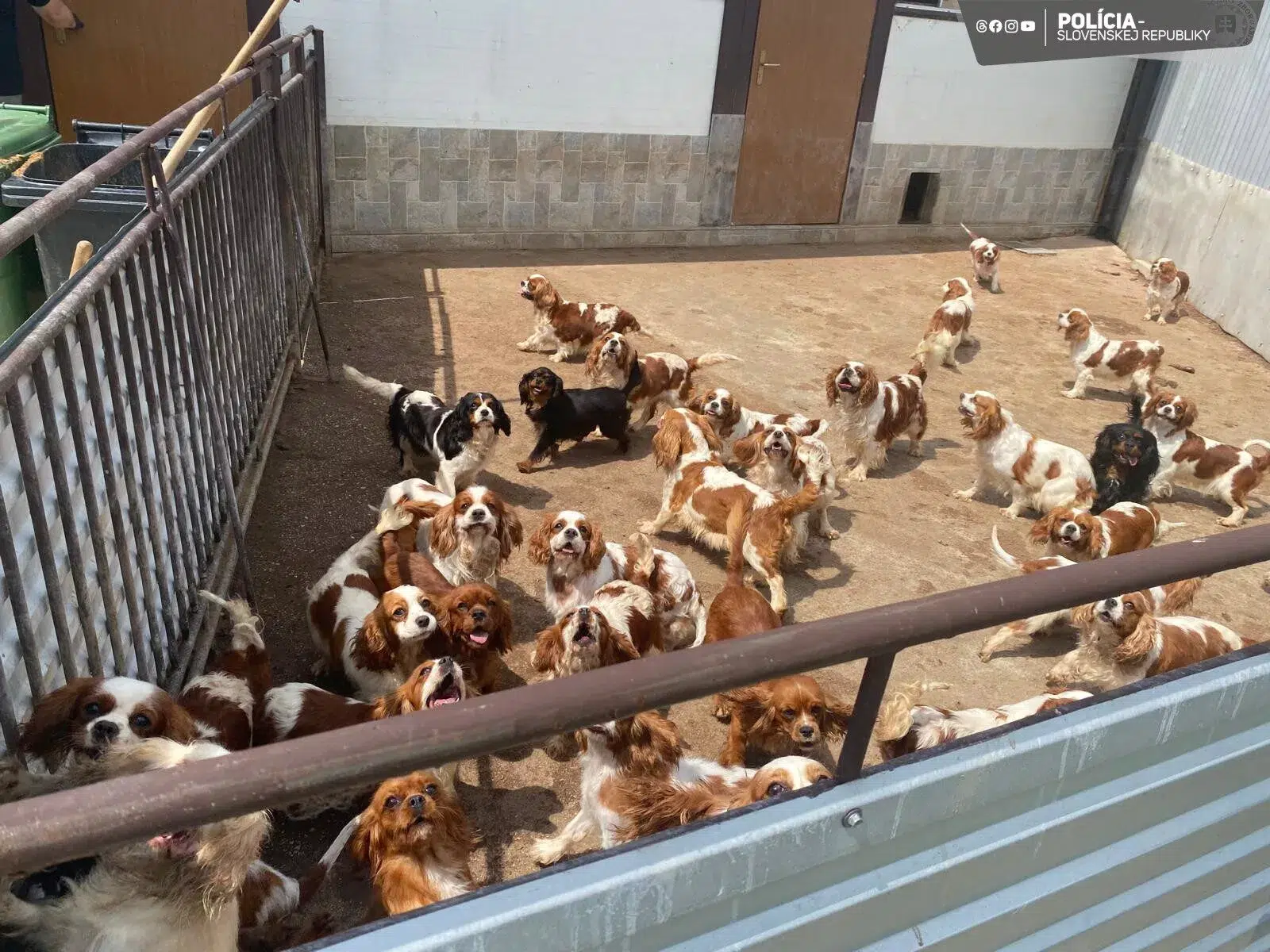

The Raid: 853 Dogs Rescued – But How Many Are Left Behind?
The operation by the Slovak police («AKCIA DRÁP») was the largest of its kind the country has ever seen. Three properties were searched, the animals seized and distributed to animal shelters. What follows now is a massive effort – for the animal carers, for the vets, and above all for the animals themselves. Many puppies are sick, emaciated or so behaviourally disturbed that normal rehoming is hardly possible. And yet: this is only the tip of the iceberg.
Police, animal welfare organisations and NGOs in Europe have been calling for an end to this trade for years. But as long as someone buys, production will continue. That is the bitter logic behind it.
What You Can Do Specifically
Online Purchase? Never.
No serious animal welfare organisation and no responsible breeder places animals via classified ads or any dubious websites. Period.
Talk Openly About It
With friends, family, neighbours. Some people really don’t know better – and that is exactly where an honest conversation can make a difference. This is how you do not buy a dog: not online, not without a personal visit, not without pre- and post-checks.
Become Part of the Solution Yourself
- Adopt from a reputable animal shelter or animal welfare organisation.
- Support local organisations that take in and care for rescued animals.
- Report suspicious ads and questionable placements – better too much than too little.
Responsibility Starts with You
Every dog purchase has consequences – for the animal directly, for animal welfare as a whole, for the entire system behind it. Talk about it. Inform others. And never buy a dog on the internet.