
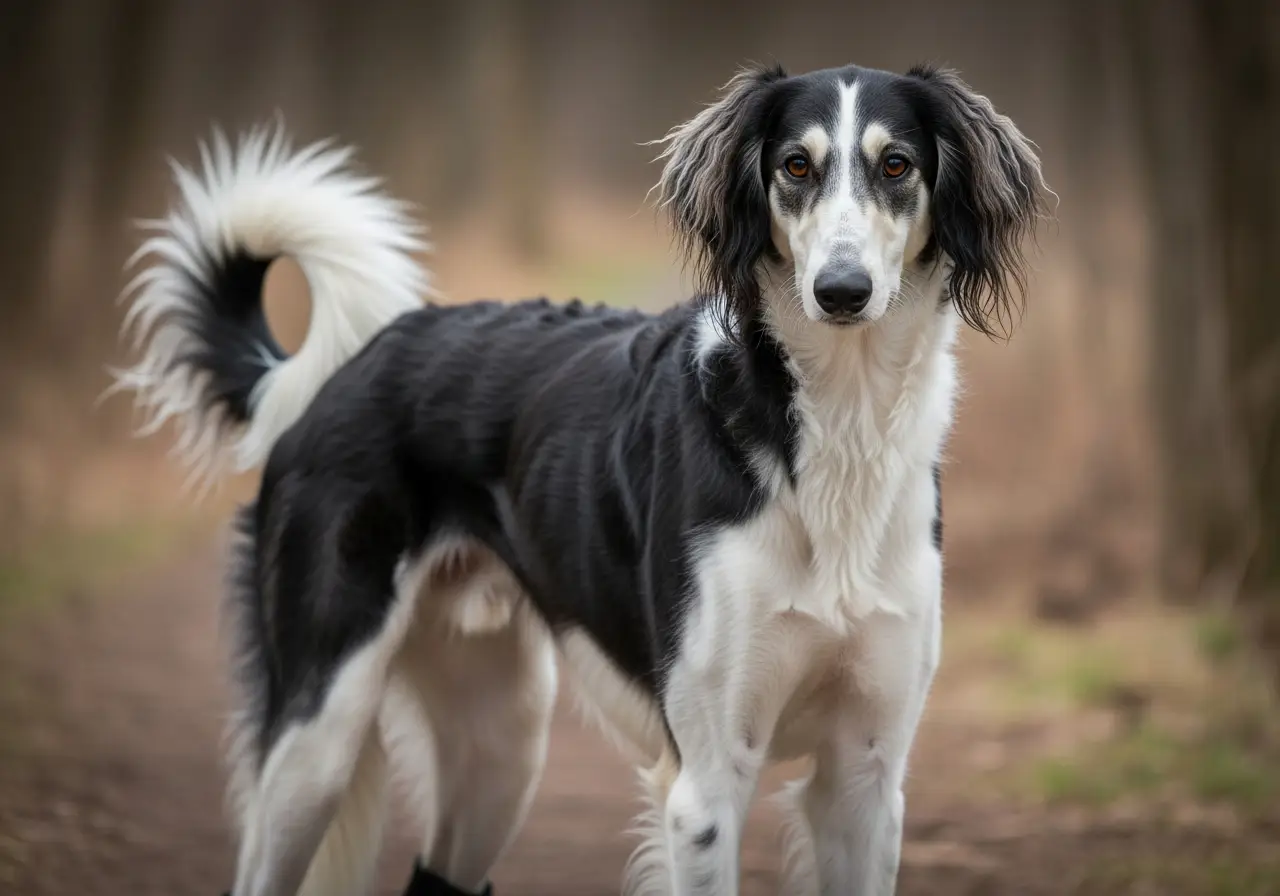
01Summary
In a paragraph
If you only have 30 seconds.
The Taigan is a long-haired sighthound from the Kyrgyz Tian Shan mountains, rare in Europe and demanding to keep. Its exercise requirement is at least two hours daily, its prey drive is genetically deeply rooted, and its reserve towards strangers is not a training error but breed character. Anyone taking this dog needs experience with independently thinking sighthounds and secure off-leash areas.
02Introduction
What makes the Taigan (Kyrgyz Sighthound) special
Taigan: long-haired Central Asian sighthound for the high mountains of Kyrgyzstan, rarely shy and closely tied to its region
03Profile
Key facts and suitability
- Origin
- Kirgisistan
- Original purpose
- Sight hunting in the high mountains
- height at the withers
- 60–70 cm
- Weight
- 20–30 kg
- Life expectancy
- 10–13 Years
- Coat type
- Long-haired
- Minimum exercise
- 90 min/day
- Puppy price
- 1'500–2'500 CHF
- Waiting period
- 6 months
- Sports
- Lure Coursing
04Temperament
How the Taigan (Kyrgyz Sighthound) shows up in everyday life
The morning run reveals what defines the Taigan: as soon as movement appears on the horizon (a deer, a hare, a bird in low flight), he switches to hunting mode. His gaze fixes, his body tenses, and within seconds he is at full gallop. This moment does not happen occasionally. It happens daily.
In the house, the Taigan behaves calmly and reservedly. He seeks closeness to his primary caregiver without being intrusive. He receives visitors with distance—no growling, no jumping up, but also no joyful greeting ritual. He observes, assesses, and decides for himself whether approach is desired. This reserve towards strangers (external axis: friendliness towards strangers very low) is not a training deficit, but breed character.
Internally, the Taigan requires intensive exercise daily, not just walks, but real sprinting opportunities on secure terrain. His need for social contact is moderate: he appreciates the presence of his primary caregiver but does not demand permanent interaction. He engages in mental work in the form of nose work or search games, but this does not replace physical exercise.
He can be left alone for a maximum of four hours before restlessness sets in. With other dogs, especially other sighthounds, he is generally compatible, provided socialisation took place early and consistently. Small animals in the household are a significant risk: the prey drive does not distinguish between wild game and a domestic rabbit.
05Needs
What this breed needs daily
The Taigan requires at least 120 minutes of active exercise daily, divided into several sessions, not as a single evening walk. A considerable part of this should consist of free galloping on secure terrain. An enclosed area with a running track of at least 500 metres is not a luxury option, but a basic prerequisite. Standard dog meadows with low fences are insufficient: the Taigan easily jumps over obstacles under one metre.
Mental stimulation complements physical needs but does not replace them. Nose work, search games and structured training sessions using positive reinforcement are sensible. Classical obedience exercises quickly reach their limits with this independently thinking dog; he cooperates when he sees a purpose in the task.
A rural environment is almost mandatory. A house with a garden and access to extensive terrain corresponds to his needs. Urban keeping in an apartment without daily access to secure off-leash areas leads to frustration and behavioural problems.
Being left alone must be built up gradually. More than four hours alone daily is a strain for this breed. A dog sitter or day care should be planned for working owners.
Grooming requires brushing several times a week, and daily after outings on rough terrain. The long, silky coat mats quickly if neglected, particularly in the feathering area around the ears and legs.
Exercise
Very high
mental work
Medium
Social needs
Medium
training
Demanding
06Sport & Mental and Physical Stimulation
What sports the Taigan (Kyrgyz Sighthound) is suited for
Realistic in terms of physiology and genetics – not every breed suits every sport.
Structurally and physiologically suitable: Suitable for mantrailing, dummy work and tracking · CaniCross / bikejoring possible.
07Quick Check
08Suitability
Who this breed is suitable for – and who it isn't
✓Matches
The Taigan suits owners with proven experience in handling sighthounds or hunting-motivated, independent dogs. Anyone who has already kept a Saluki, Azawakh or Borzoi brings the necessary basic understanding.
An active lifestyle with daily access to a secure off-leash area is non-negotiable. Owners living in rural areas, with an enclosed garden or regular access to extensive, secure terrain, meet the basic spatial requirement.
Individuals or couples without young children who are willing to adapt their daily routine to the dog's exercise needs, i.e., plan at least two hours of activity per day, are also suitable. Those who already integrate outdoor activities such as hiking, trail running or cycling into their everyday lives will find an enduring companion in the Taigan.
Families with older children (from around ten years of age) who handle dogs calmly and respectfully are also a consideration, provided that the adults take responsibility for leadership and management. Owners who accept the dog's reserve towards visitors and do not wish to correct it by forcing contact create the basis of trust that this dog needs.
×Doesn't match
The Taigan is not suitable for first-time owners. The combination of strong prey drive, independence and high exercise requirements overwhelms people without prior experience with similar breeds.
Anyone living in an urban apartment without secure off-leash access should not choose this breed, regardless of how much time is planned for walks. Loose-leash walking does not replace the opportunity to sprint.
Owners who expect a sociable, friendly dog will be disappointed. Anyone who views the Taigan's reserve towards visitors as a problem and tries to remedy it through socialisation pressure misunderstands the breed character and risks permanently damaging the dog's trust.
Households with small animals (rabbits, guinea pigs, cats without long-term joint upbringing) pose a significant risk. The prey drive is activated by movement stimuli, not by intent.
Anyone who is away from home for more than four hours a day and cannot organise reliable care should also refrain. The Taigan tolerates being alone to a certain extent, but structural neglect of social needs leads to restlessness and destructive behaviour.
10Line reality
Show line, working line, breeder market
A formal differentiation into show and working lines does not exist for the Taigan; the population is too small and international breeding is not structured enough for distinct lines to have emerged.
In Kyrgyzstan itself, a distinction is made between dogs actively used for hunting and those kept as companion or show animals. However, this distinction is informal and not documented in stud books.
Dogs from Kyrgyz hunting lines generally show a more pronounced work drive and higher endurance. Dogs from European breeding, often from Russian or Polish kennels, have been selected more strongly for show suitability, without the prey drive being systematically reduced in the process.
Anyone acquiring a Taigan from European breeding should nevertheless assume a fully intact prey drive. Originating from a show line does not mean a weakening of the breed-typical behavioural traits. Asking the breeder about the working tests of the parent animals provides indications of the expected drive profile of the puppy.
11Health · Reality
What you need to plan for medically with your Taigan (Kyrgyz Sighthound)
Reliable epidemiological data on the health of the Taigan hardly exist due to the very small population. Cross-breed data on sighthounds and insights from the practice of reputable breeders currently form the most important information base.
The life expectancy is given by breeders and breed experts as 12 to 14 years, comparable with other large sighthound breeds. Reliable studies with sample sizes of over 50 animals are not available for this breed (as of 2024).
Like all sighthounds, the Taigan has low body fat reserves. This has two practical consequences: Firstly, it is more sensitive to anaesthetics that are fat-soluble; a vet with sighthound experience is mandatory for operations. Secondly, it is more susceptible to hypothermia in wet and cold conditions and to overheating at high temperatures.
Due to the small breeding population, there is an increased risk of inbreeding. Reputable breeders determine the coefficient of inbreeding (COI) and aim for values below 6.25%. The COI of both parent animals should be requested before purchasing a puppy.
Preventive examinations for this breed include at least an annual vet check-up, heart auscultation and orthopaedic assessment in case of lameness. HD screenings are recommended, even though no breed statistics are available. Overweight is rare in this breed due to the high exercise requirement, but possible with lack of exercise and problematic for health.
12Structured data
Health by the numbers
Prone to diseases
Heart problems Eye problems
Recommended health tests
Heart examination Eye examination
13Myths ↔ Reality
What is often said incorrectly about this breed
Five myths, five realities, five sources.
“The Taigan is like any other sighthound, calm and house-trained once it is sufficiently exercised.
The Taigan differs significantly from breeds such as the Greyhound: It was not selected for short sprints on the racetrack, but for hours-long high mountain hunting. Its endurance needs far exceed those of many sighthounds. Indoor calmness only arises with consistent, daily stimulation, and even then it remains a vigilant, independently acting dog.
“A strong prey drive can be reliably suppressed through good training.
The Taigan's prey drive is genetically fixed and has been intensified through selection over centuries. Training can improve management and make the dog more cooperative, but a reliable recall upon sighting game cannot be guaranteed even with intensive training. Secure off-leash areas are therefore not a recommendation, but a basic prerequisite.
“Because he is so rare, he must be particularly healthy; inbreeding is not an issue.
Small populations significantly increase the risk of inbreeding. In rare breeds such as the Taigan, genetic diversity outside the country of origin is limited. Reputable breeders carry out pedigree analyses and cooperate internationally to keep the coefficient of inbreeding low. A puppy without documented health screening of the parent animals represents an increased risk.
“The Taigan is shy and therefore unsuitable for families with children.
Reserve towards strangers does not automatically mean incompatibility with children in one's own household. A well-socialised Taigan can live in a quiet family with older children, provided the children understand the dog as an independent being and not as a toy. However, toddlers and unpredictable interactions constitute an overload.
“As a sighthound, he requires hardly any grooming.
The Taigan has a long, silky coat with feathering on the ears, legs and tail, unlike short-haired sighthounds such as Whippets or Greyhounds. The coat is prone to matting, especially after mountain outings involving brushwood and dirt. Regular brushing several times a week is necessary to prevent mats.
14animal welfare
The animal welfare perspective
Breeder market, designer versions, animal shelter reality — what no one writes in the puppy ad.
The Taigan is one of the rarest sighthound breeds in Europe altogether. On the one hand, this protects it from the mass market; on the other hand, it makes reputable breeding difficult to verify. Anyone wanting to buy a Taigan operates in a market with very few providers, long waiting times and high import effort.
It is precisely this rarity that creates risks: those who are impatient end up with suppliers who sell puppies without pedigrees, without health checks of the parent animals and without personal contact. Such offers occasionally appear on international classifieds platforms, often with photos that suggest professionalism but offer no transparency regarding breeding conditions. A puppy without documented origins from a small population carries an increased genetic risk.
Designer versions or crossbreeds bearing the Taigan name hardly exist on the European market; the breed is too unknown for trend marketing. This is a relative advantage compared to popular breeds, but it does not protect against individual cases of dubious breeding.
Keeping-related problems with the Taigan arise almost exclusively from a misjudgement of its need for exercise. Owners who expect a calm sighthound that is content with two walks a day will overtax themselves and the dog. Under-stimulated Taigans develop restlessness, destructive behaviour and can react aggressively to stimuli that a sufficiently exercised dog would ignore.
Rehoming an adult Taigan through specialised sighthound clubs or animal welfare organisations is a fully valid alternative to buying a puppy. Adult dogs available for rehoming are rare; when they do appear, it is usually due to the dissolution of a household’s ability to keep them or because they come from abroad. The known temperament profile of an adult dog can make it easier to decide whether the dog and the household are a good match.
15Costs · Transparency
What this breed realistically costs
The purchase price of a Taigan puppy from reputable European breeding ranges between 1,500 and 3,000 euros; for imports from Kyrgyzstan, total costs including transport, veterinary certificates and quarantine can rise to 3,000–5,000 euros. Offers significantly under 1,000 euros without a pedigree are a clear warning sign.
Annual living costs for a medium to large dog of this size class typically range between 2,000 and 3,500 euros. This includes food (high-quality dry food or BARF: approx. 600–1,200 euros/year), grooming supplies and occasional professional grooming (approx. 100–200 euros/year) as well as basic equipment.
Veterinary costs vary considerably: routine examinations, vaccinations and parasite prevention add up to approx. 300–500 euros annually. In the case of operations, such as for injuries sustained during hunting accidents in rough terrain, individual costs can range from 1,500 to 4,000 euros. Pet health insurance with surgical cover costs approx. 40–80 euros monthly for this size class and is recommended given the active exercise profile.
Additional costs include those for a secure off-leash area if you do not have your own garden, as well as potential care costs when you are away.
16Puppy search
What you need to consider when choosing a breeder
- The Taigan is one of the rarest sighthound breeds in Europe.
- Reputable breeders are hardly found outside Kyrgyzstan, Russia and some Eastern European countries.
- Waiting times of a year or more are common; anyone wanting a puppy immediately will be under pressure and easily end up with dubious providers.
- A reputable breeder provides pedigrees for both parent animals, documents health checks and allows a visit to the litter before handover.
- They ask questions about lifestyle and living conditions and refuse a sale if the prerequisites do not match.
- Puppies that are available immediately without prior appointment or offered via classifieds portals without breeder contact are a warning sign.
- Imports from Kyrgyzstan are possible but require knowledge of international animal transport, quarantine regulations and considerable costs.
- Collaboration with an experienced import agent is recommended.
- Rehoming an adult Taigan through breed protection organisations or specialised sighthound clubs is an equally valid option.
- Adult dogs come with a known temperament profile, an advantage over the unpredictability of puppy development.
- rundum.dog lists corresponding rehoming centres in the entry section.
FAQ
Frequently asked questions about the Taigan (Kyrgyz Sighthound)
Is Taigan (Kyrgyz Sighthound) a family dog?
Taigan (Kyrgyz Sighthound) is considered suitable for families with good socialisation and species-appropriate care.
How much exercise does Taigan (Kyrgyz Sighthound) need?
At least around 90 minutes of exercise per day. As an active breed, more so — plus mental stimulation.
What is the size and weight of Taigan (Kyrgyz Sighthound)?
Fully grown, Taigan (Kyrgyz Sighthound) reaches about 60–70 cm at the withers and weighs around 20–30 kg.
What is the life expectancy of Taigan (Kyrgyz Sighthound)?
The life expectancy of Taigan (Kyrgyz Sighthound) is approximately 10–13 years.
Which diseases are common in Taigan (Kyrgyz Sighthound)?
Heart problems Eye problems
17Breed clubs
Official breed clubs in DACH
19Related
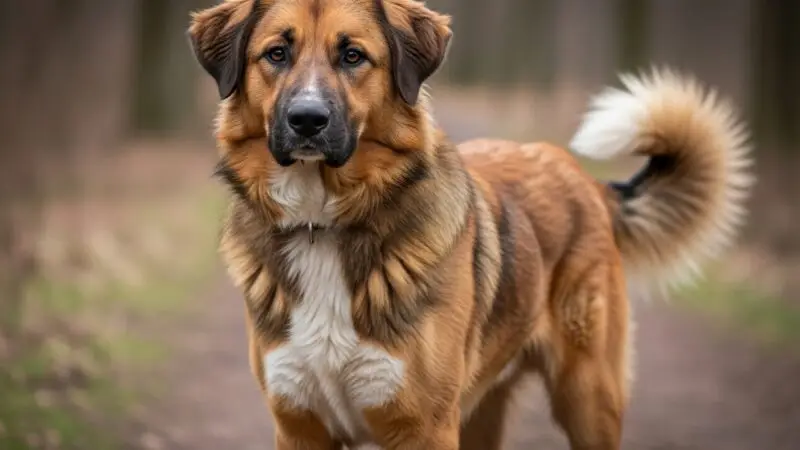
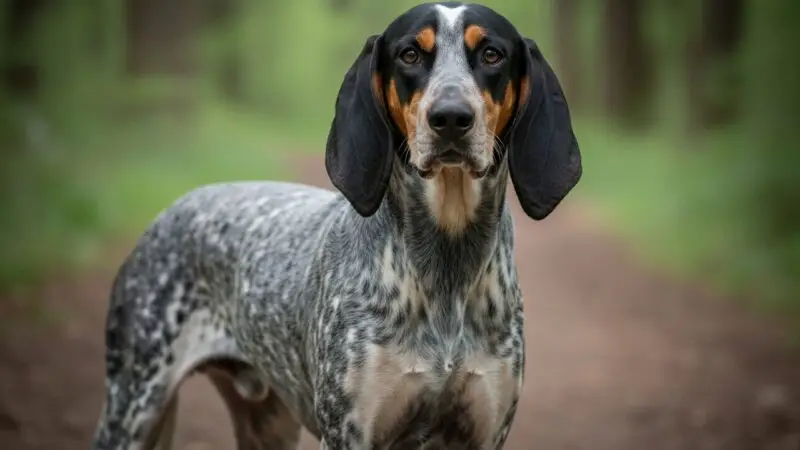
Similar breeds – and their differences
You might also be interested in

Participate
Do you have a good photo of your Taigan (Kyrgyz Sighthound)?
We are looking for expressive images for our breed profiles. Submit yours; the editorial team reviews every submission before publication.
Does this breed suit you?
Very rare sighthound from Central Asia – hardly known outside Kyrgyzstan